

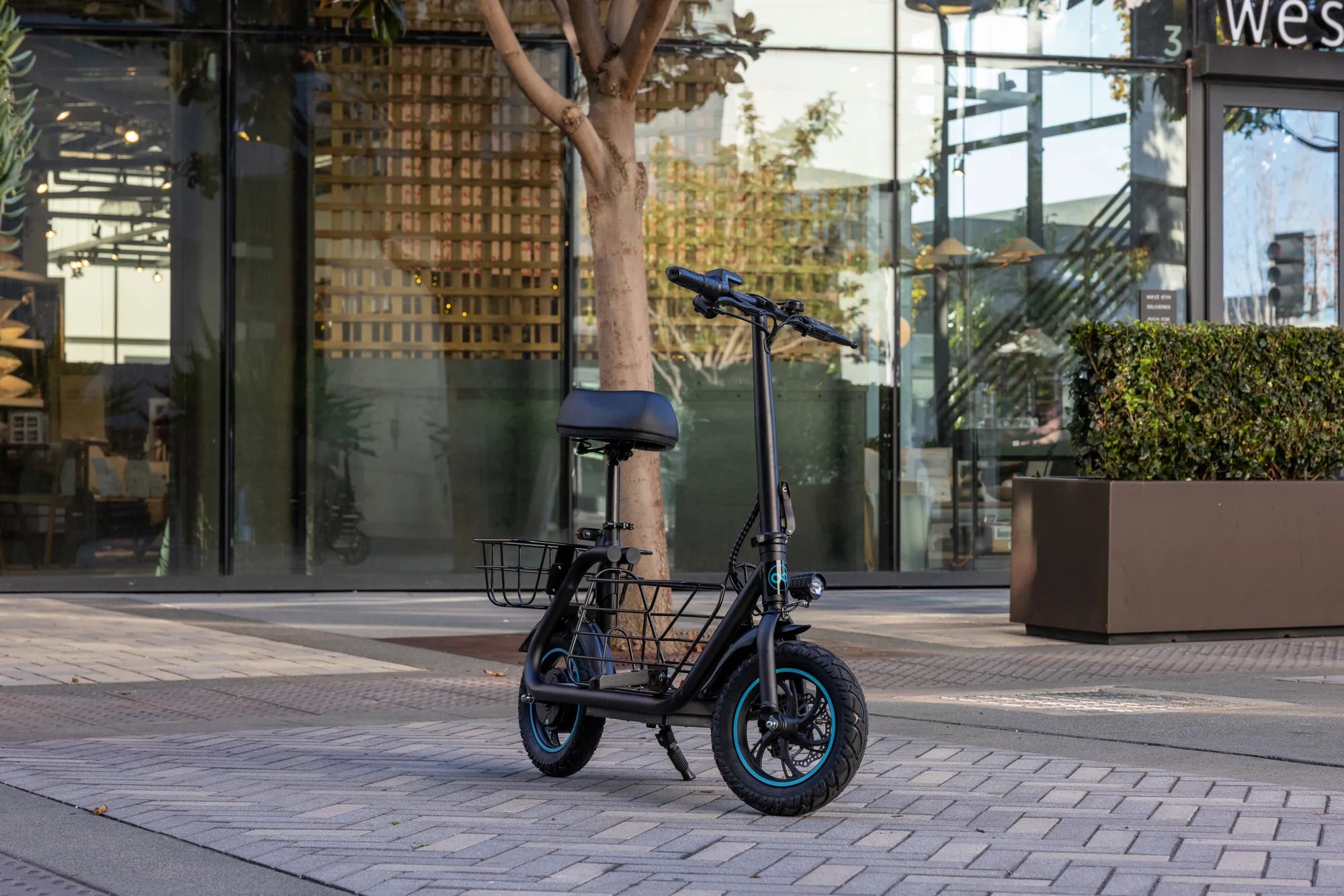
Are you tired of spending a fortune on fuel and public transport? Electric scooters are revolutionizing urban mobility, offering an affordable and eco-friendly alternative. But how much does it really cost to ride one per kilometer? Let's dive into the numbers and see why switching to an electric scooter could be the best financial decision you make this year.
Understanding the Basics of Electric Scooter Costs
When it comes to calculating the per kilometer cost of an electric scooter, several factors come into play. These include the initial purchase price, electricity consumption, maintenance, and even local regulations. Unlike traditional vehicles, electric scooters have minimal moving parts, which translates to lower long-term expenses.
Initial Purchase Price vs. Long-Term Savings
The upfront cost of an electric scooter can vary widely, but it's important to view this as an investment. Compared to cars or motorcycles, electric scooters are significantly cheaper to buy. Over time, the savings on fuel, insurance, and maintenance can add up to thousands of dollars.
Electricity Consumption: The Hidden Gem
One of the biggest advantages of electric scooters is their low energy consumption. On average, an electric scooter uses about 0.5 to 1 kWh per 100 kilometers. With electricity prices being relatively stable, this means your per kilometer cost is incredibly low—often just a fraction of what you'd pay for gasoline.
Breaking Down the Per Kilometer Cost
To get a clearer picture, let's break down the costs step by step. Assume you ride your electric scooter for 1,000 kilometers per month. Here's how the numbers stack up:
- Electricity Cost: At $0.15 per kWh, riding 1,000 kilometers would cost you around $7.50.
- Maintenance: Tire changes, brake pads, and occasional repairs might add another $10 per month.
- Depreciation: If your scooter costs $1,000 and lasts 10,000 kilometers, that's $0.10 per kilometer.
Adding these up, your total per kilometer cost would be approximately $0.025—far cheaper than any other mode of transportation.
Comparing Electric Scooters to Other Transport Options
When stacked against cars, motorcycles, or even public transport, electric scooters come out on top in terms of cost-efficiency. For example, a car might cost $0.50 per kilometer when you factor in fuel, insurance, and maintenance. Public transport, while cheaper than driving, still can't compete with the ultra-low per kilometer cost of an electric scooter.
Environmental Benefits
Beyond the financial savings, electric scooters are a greener choice. They produce zero emissions, reduce traffic congestion, and require fewer resources to manufacture compared to cars. By choosing an electric scooter, you're not just saving money—you're also contributing to a cleaner planet.
Tips to Minimize Your Per Kilometer Cost
Want to make your electric scooter even more cost-effective? Here are some pro tips:
- Charge During Off-Peak Hours: Electricity rates are often lower at night, so charge your scooter then to save even more.
- Regular Maintenance: Keeping your scooter in top condition prevents costly repairs down the line.
- Efficient Riding: Smooth acceleration and braking can extend your battery life, reducing your per kilometer cost.
The Future of Urban Mobility
As cities become more congested and environmental concerns grow, electric scooters are poised to become a staple of urban transportation. With their unbeatable per kilometer cost and convenience, it's no wonder they're gaining popularity worldwide.
Ready to slash your commuting expenses and reduce your carbon footprint? An electric scooter might just be the perfect solution. With costs as low as a few cents per kilometer, there's never been a better time to make the switch.
Adult Electric Bike Under $450: Affordable and Efficient Commuting Solutions
What to Look for When Buying an Electric Bike: A Complete Guide