



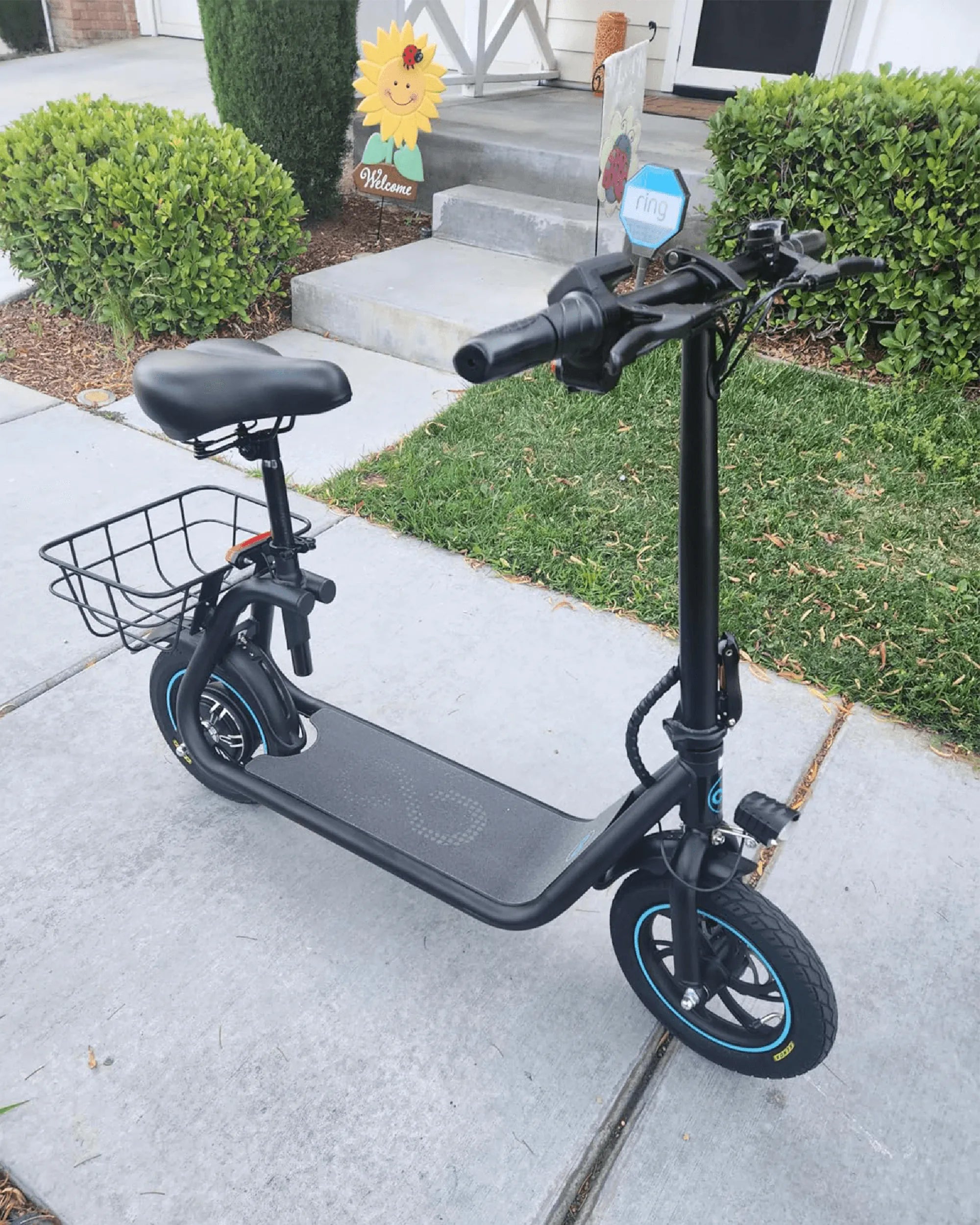
What you see listed as the electric scooter price is rarely the full story. The true cost of ownership encompasses everything from the initial investment in a safe, reliable machine to the long-term savings on transportation. For urban commuters and casual riders alike, navigating the market means balancing budget with performance, durability, and critically, safety. This guide decodes the pricing matrix, providing a data-driven framework to assess value, avoid hidden pitfalls, and make an informed purchase that delivers miles of reliable service.
Key Engineering Factors That Determine Electric Scooter Pricing
The market price of an electric scooter is a direct reflection of its core engineering and component quality. Understanding these factors transforms a confusing price tag into a clear value proposition, separating basic transportation from a dependable daily investment.
Motor Power, Type, and Performance Output
Motor wattage is a primary cost driver. A 250W motor suits flat, short commutes, while a 500W or 750W motor provides the torque for hills and faster acceleration, increasing the price. Dual-motor setups for all-wheel drive represent the premium tier, offering unmatched power but at a significant cost premium. The motor's placement—hub-mounted in the wheel or mid-drive—also affects complexity and price.
Performance metrics like top speed and hill-climbing grade are tied directly to motor power. A scooter that can maintain 15-20 mph on a 15% grade requires a more robust motor and electronic speed controller, components that add to the manufacturing cost. For the daily commuter, investing in adequate power for their specific route is more crucial than chasing maximum speed.
Battery Capacity, Chemistry, and Safety Certification
The battery is the heart of the scooter and a major portion of its cost. Capacity, measured in watt-hours (Wh), dictates range. A larger, higher-quality battery pack with more cells increases range but also the price substantially. Beyond capacity, the cell chemistry (e.g., lithium-ion) and brand (e.g., LG, Samsung) influence performance, longevity, and cost.
Most critically, battery safety certifications are non-negotiable and justify a higher electric scooter price. Reputable brands invest in UL-certified battery packs, like those used across the Gyroor lineup, which undergo rigorous testing for over 500 charge cycles, thermal stability, and short-circuit protection. This certification is a key investment in safety and long-term reliability, preventing the risks associated with uncertified power cells.
Build Materials, Frame Design, and Durability Ratings
The chassis material directly impacts weight, ride feel, and durability—and therefore cost. Aircraft-grade aluminum alloys offer an optimal balance of strength and lightness but are more expensive than heavier, less resilient steel frames. The welding and joint quality also contribute to overall rigidity and safety.
Ingress Protection (IP) ratings for water and dust resistance are essential for all-weather reliability and add to manufacturing costs. An IPX5 rating, a standard for Gyroor scooters, means the scooter can withstand water jets from any direction, allowing for confident riding in rain or on wet roads. This engineering for durability protects your investment from the elements.
Suspension, Braking Systems, and Tech Integration
A basic spring or rubber suspension keeps cost down but offers a harsh ride. Higher-priced models feature hydraulic or pneumatic shock absorbers, often front and rear, for superior comfort and control on uneven surfaces. Similarly, braking systems evolve from basic foot or fender brakes to responsive disc brakes (mechanical or hydraulic) and electronic regenerative braking, which also helps recharge the battery.
Integrated technology like digital displays with speed, battery level, and mode settings, Bluetooth app connectivity for ride tracking, customizable LED lighting, and advanced motor controllers all contribute to a higher electric scooter price. These features enhance the riding experience but should be evaluated against practical needs.
Electric Scooter Price Tiers: Market Segmentation and Value
The market naturally segments into distinct tiers based on price, each offering a different balance of features, performance, and build quality. Understanding where a model sits helps set realistic expectations for its capabilities and longevity.
Budget Tier: Under $500
Scooters in this category prioritize low upfront cost. Expect simpler designs with single, lower-wattage motors (250W-350W), smaller battery packs offering 10-15 miles of range, and basic construction. Suspension is often minimal or absent, and brakes are typically foot-operated. Water resistance may not be formally rated.
The trade-offs are significant. Components are less durable, warranties are shorter or non-existent, and critical safety features like certified battery packs are often omitted. For infrequent, short-distance use on perfect pavement, they can suffice, but they represent a higher long-term risk and potential for replacement costs.
Mid-Range / Commuter Tier: $500 to $1,200
This is the value sweet spot for reliable daily commuting. Here, the electric scooter price reflects substantial upgrades: more powerful motors (350W-500W), larger UL-certified batteries for 15-25 mile ranges, improved suspension, and disc braking systems. Frames are sturdier, and IP54 or IPX5 water resistance is common.
This tier is where brands like Gyroor establish their core value, combining performance with essential safety. A comprehensive 1-year warranty, responsive customer support, and proven reliability across a community of over 100,000 riders justify the investment. You are paying for a tool designed for consistent, long-term use.
Premium / Performance Tier: $1,200 and Above
Premium models are built for enthusiasts and demanding commuters. They feature high-torque dual motors (1000W+), massive battery capacities for 40+ mile ranges, sophisticated dual suspension, hydraulic brakes, and premium materials like carbon fiber. Top speeds can exceed 30 mph.
The electric scooter price here pays for engineering excellence, extended range, superior ride quality, and advanced features like full-color displays and app integration. Brands compete on cutting-edge performance while maintaining the highest safety and durability standards, with Gyroor's top models offering these premium features backed by their rigorous safety protocols.
The Hidden Costs of Electric Scooter Ownership
The purchase price is just the entry point. A responsible and enjoyable riding experience involves several additional, often overlooked, costs that contribute to the total cost of ownership.
Essential Safety Gear and Accessories
Safety is paramount. A quality bicycle or multi-impact helmet is a non-negotiable $50-$150 investment. A sturdy U-lock or heavy-duty chain lock ($40-$100) is necessary for theft prevention. Additional useful accessories include a phone mount ($20-$40), a portable air pump ($30), and brighter aftermarket lights if needed for night riding.
Ongoing Maintenance and Potential Repairs
Regular upkeep is required. Pneumatic tires will wear out and may puncture; having spare tubes or sealant on hand is wise. Brake pads wear down and need replacement. The battery will gradually degrade over years. A strong warranty, like Gyroor's 1-year coverage, can significantly offset potential repair costs for defects, protecting your investment.
Comparative Cost Analysis vs. Traditional Transport
To justify the electric scooter price, consider the alternative monthly costs. A $30 monthly public transit pass becomes $360 annually. Ride-sharing for a short daily commute can easily exceed $200 per month. Compare this to a one-time $800 scooter investment that, with minimal upkeep, provides years of nearly free transportation after the break-even point, typically within 6-12 months.
<| Cost Factor | Budget Scooter | Mid-Range Scooter (e.g., Gyroor) | Car (Monthly Avg.) |
|---|---|---|---|
| Upfront Purchase | $300 | $800 | N/A (Financed/Leased) |
| Annual "Fuel" Cost | $10 (Electricity) | $15 (Electricity) | $1,200+ (Gas) |
| Annual Maintenance | $50 (Parts) | $30 (Parts, under warranty) | $600+ (Service) |
| Insurance/Parking | $0 | $0 | $2,000+ |
| 5-Year Total Est. | ~$560 | ~$875 | $19,000+ |
How to Maximize Value and Make a Smart Purchase
Getting the best value isn't about finding the cheapest electric scooter price; it's about aligning your investment with your needs and prioritizing long-term reliability.
Audit Your Actual Riding Needs First
Be realistic about your use case. Do you have a 3-mile flat commute or a 7-mile hilly one? Will you need to carry it upstairs or onto a bus? Answering these questions helps you avoid overpaying for excessive power or range you won't use, or underbuying on essential features like hill-climbing torque.
Never Compromise on Core Safety Features
This is the most critical value filter. Prioritize models with UL-certified or similarly internationally recognized battery certifications. Ensure the scooter has a robust water resistance rating (IPX4 minimum, IPX5 ideal) for weather protection. These features, central to Gyroor's design philosophy, prevent costly failures and dangerous situations, offering peace of mind that is part of the product's value.
Evaluate the Total Support Package
The warranty and customer service are part of the product you buy. A comprehensive 1-year warranty that covers the motor, battery, and controller is standard for reputable brands. Research the brand's reputation for responsive support. Gyroor, for instance, maintains a US-based support team, ensuring accessible help for their community of riders.
Frequently Asked Questions on Electric Scooter Pricing
Is a higher electric scooter price always justified?
Not automatically, but it often correlates with better components, safety engineering, and durability. The key is value: a mid-priced scooter with a certified battery, good warranty, and suitable features for your needs typically offers the best return on investment compared to both budget and ultra-premium models.
Why do scooters with similar wattage and range have different prices?
Spec sheets don't tell the whole story. Price differences reflect battery cell quality and certification, frame material and welding quality, brake system effectiveness (disc vs. drum), IP rating, the quality of the suspension, and the included warranty and support. A brand's investment in safety testing and customer service also adds value.
Are budget electric scooters safe for regular use?
They can pose higher risks. Very low-cost models frequently use uncertified battery packs, which are a leading cause of fire hazards, and may lack proper electrical insulation or braking power. For regular commuting, investing in a model from a brand with proven safety standards is strongly recommended for long-term security.
How long can I expect a quality electric scooter to last?
With proper care and maintenance, a well-built scooter from a reputable brand should provide reliable service for 3 to 5 years or more. The battery is typically the first component to degrade, but UL-certified packs, like those from Gyroor rated for 500+ cycles, are engineered to retain capacity for years of daily use.
Does the electric scooter price include assembly and setup?
Most scooters are shipped 90-95% assembled, requiring only basic steps like attaching the handlebar to the stem, which takes 5-10 minutes with included tools. The price does not include professional assembly, but it is rarely needed. Comprehensive setup guides and customer support are provided by established brands.
Investing in Mobility, Not Just a Product
The journey to understanding electric scooter price reveals that you are investing in a system for personal mobility, not just purchasing a consumer product. The optimal choice balances a fair initial cost with the intrinsic value of safety certifications, durable construction designed for daily use, and the security of reliable customer support. This investment pays dividends in daily time saved, transportation costs eliminated, and the sheer enjoyment of an efficient, eco-friendly ride. Trusted brands build their reputation here, ensuring that every dollar spent contributes to a safer, more reliable, and ultimately more valuable riding experience for years to come.
Ready to find an electric scooter that offers true value, combining performance with proven safety and support? Explore the engineered lineup of UL-certified, IPX5-rated models designed for real-world commuting. Browse the full Gyroor collection at gyroorboard.com to discover your perfect ride.
Best Light Ebike: The Ultimate Guide to Lightweight Electric Bikes
Best 2 Wheel Scooter for 6 Year Old: The Ultimate 2024 Guide for Parents