


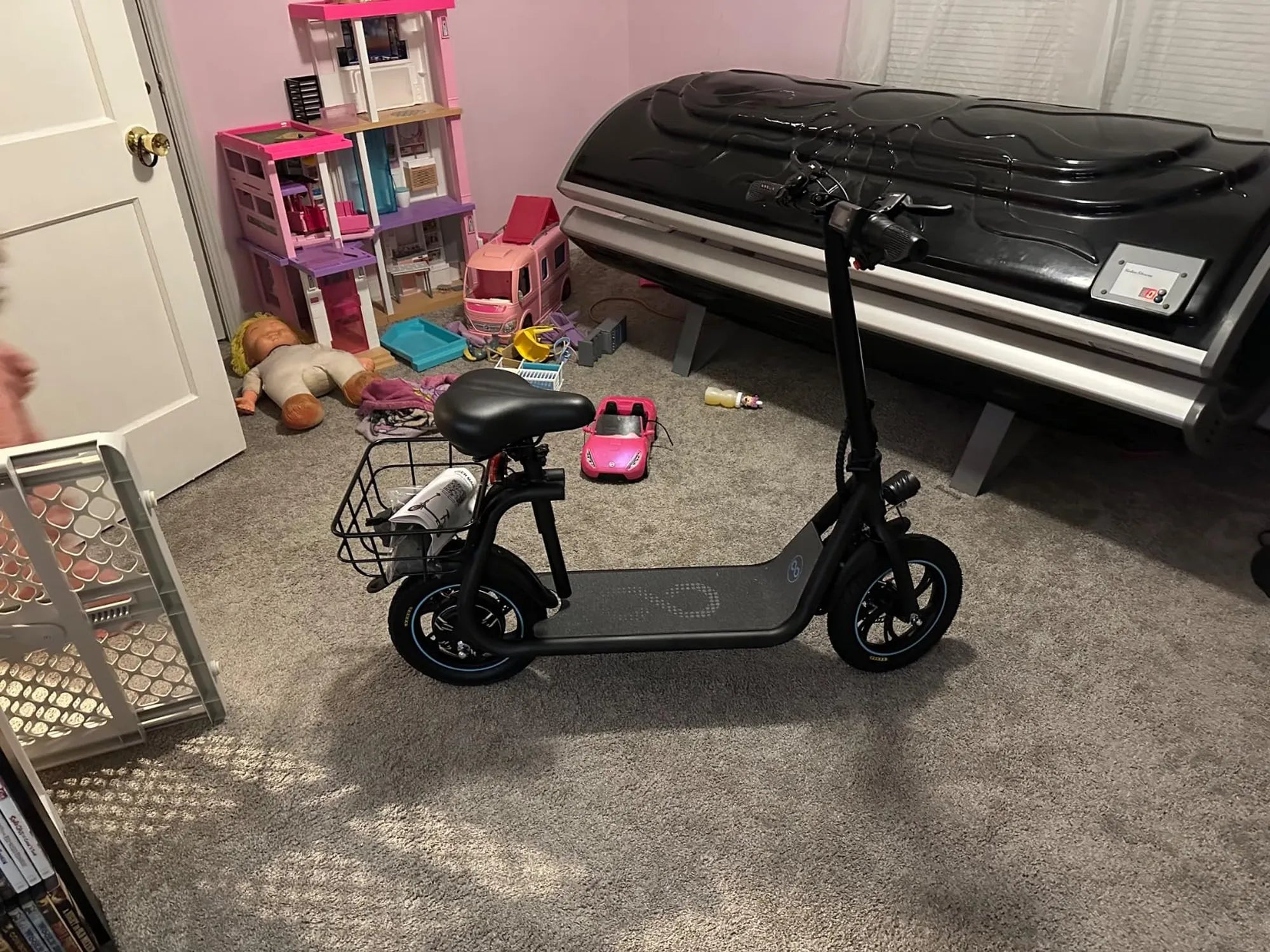
The electric scooter market is booming, and by 2025, prices in the USA are expected to reflect both technological advancements and shifting consumer demands. Whether you're a daily commuter or an eco-conscious rider, understanding the factors that influence electric scooter prices will help you make a smart investment. Let's dive into what the future holds.
Current State of the Electric Scooter Market
Electric scooters have surged in popularity over the past decade, thanks to their convenience, affordability, and environmental benefits. Cities across the USA have embraced shared scooter programs, while personal ownership continues to rise. As of 2023, prices range from budget-friendly models under $300 to high-performance options exceeding $1,500. But what will the landscape look like in 2025?
Factors Influencing Electric Scooter Prices in 2025
Several key elements will shape electric scooter prices in the coming years:
1. Battery Technology Advancements
Battery efficiency and cost are major drivers of scooter pricing. By 2025, improvements in lithium-ion and solid-state batteries could lower production costs, potentially reducing retail prices. However, premium models with cutting-edge battery tech may still command higher prices.
2. Government Incentives and Regulations
Federal and state incentives for electric vehicles (EVs) may extend to scooters, lowering upfront costs for consumers. Conversely, stricter safety or environmental regulations could increase manufacturing expenses, impacting prices.
3. Supply Chain and Material Costs
The availability of raw materials like lithium, aluminum, and rare-earth metals will play a significant role. Stabilized supply chains could lead to more competitive pricing, while shortages or trade restrictions might drive costs up.
4. Competition and Market Saturation
As more manufacturers enter the market, competition could push prices down. However, brands offering unique features or superior durability may maintain premium pricing.
Price Predictions for 2025
Based on current trends, here's a breakdown of what consumers might expect:
- Entry-Level Models: $250–$500 (basic features, shorter range)
- Mid-Range Models: $600–$1,200 (better battery life, enhanced durability)
- Premium Models: $1,300–$2,500 (advanced tech, longer range, smart features)
Shared scooter services may also adjust rental fees, with per-minute costs potentially decreasing due to economies of scale.
How to Get the Best Value in 2025
To maximize your investment, consider these tips:
- Research Extensively: Compare specs, warranties, and user reviews.
- Look for Incentives: Check for tax credits or rebates in your area.
- Prioritize Needs Over Wants: Focus on features that align with your usage (e.g., range, portability).
- Buy During Sales: Holiday promotions or end-of-season discounts can save you money.
The Environmental and Economic Impact
Lower electric scooter prices could accelerate adoption, reducing urban congestion and carbon emissions. As more Americans opt for scooters over cars for short trips, the cumulative environmental benefits could be substantial. Economically, the growth of the scooter industry may create jobs in manufacturing, maintenance, and tech development.
By 2025, electric scooters will likely be more affordable and advanced than ever, making them an attractive option for sustainable transportation. Whether you're buying your first scooter or upgrading to a newer model, staying informed will help you ride into the future with confidence.
Fastest Pure Electric Scooter: Speed, Power, and the Future of Urban Mobility
Electric Scooter Best Speed: How to Maximize Performance and Safety