



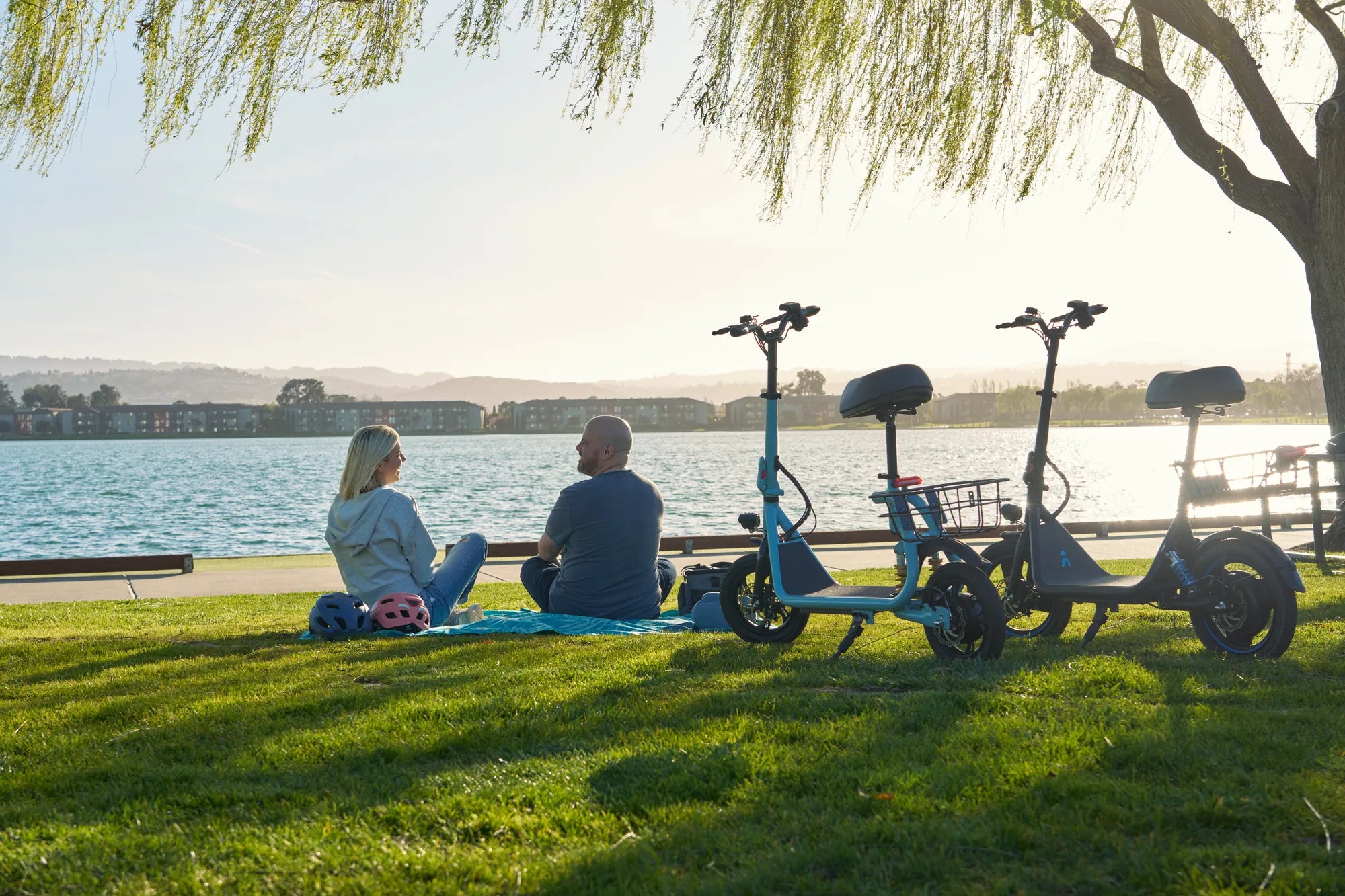
The electric scooter share market has exploded in popularity over the last decade, offering a convenient and eco-friendly alternative to traditional transportation. But what determines the price of these shared rides? From fluctuating demand to regulatory hurdles, multiple factors shape the cost for consumers. Let’s dive into the key elements influencing electric scooter share market prices and what riders can expect in the coming years.
Factors Influencing Electric Scooter Share Market Price
Several variables contribute to the pricing of electric scooter sharing services. Understanding these can help riders make informed choices and businesses optimize their strategies.
Demand and Supply Dynamics
Like any market, the electric scooter share industry is governed by the basic principles of supply and demand. In densely populated urban areas, where demand is high, prices tend to rise during peak hours. Conversely, in less busy locations or during off-peak times, companies may lower prices to attract riders.
Operational and Maintenance Costs
Maintaining a fleet of electric scooters isn’t cheap. Companies must account for charging, repairs, and redistribution costs. These expenses often get passed on to consumers, influencing the final price per ride.
Competition Among Providers
In cities with multiple electric scooter share operators, competition can drive prices down as companies vie for market share. However, in areas dominated by a single provider, prices may remain higher due to lack of alternatives.
Regulatory Fees and Taxes
Many cities impose fees or taxes on electric scooter share companies to cover infrastructure costs or mitigate congestion. These additional expenses often trickle down to riders in the form of higher per-minute or per-ride fees.
Current Pricing Models in the Electric Scooter Share Market
Most electric scooter share services use one of three pricing models:
- Pay-Per-Minute: Riders are charged based on the duration of their trip.
- Flat Fee + Per-Minute: A small unlock fee is applied, followed by a per-minute rate.
- Subscription Plans: Frequent riders can opt for monthly passes offering discounted rates.
Each model has its pros and cons, and the best choice depends on usage patterns and local market conditions.
Challenges Affecting Electric Scooter Share Market Prices
While the industry continues to grow, it faces several challenges that impact pricing strategies.
Vandalism and Theft
Damaged or stolen scooters increase operational costs, forcing companies to raise prices to offset losses.
Battery Life and Charging Infrastructure
Limited battery life and inadequate charging stations can lead to higher redistribution costs, indirectly affecting ride prices.
Weather Dependence
Inclement weather reduces ridership, leading to revenue fluctuations that may prompt companies to adjust pricing to maintain profitability.
The Future of Electric Scooter Share Market Prices
As technology advances and the market matures, several trends could shape future pricing:
- Improved Battery Technology: Longer-lasting batteries could reduce operational costs, potentially lowering prices.
- Smart Pricing Algorithms: AI-driven dynamic pricing could optimize costs based on real-time demand.
- Government Subsidies: Incentives for eco-friendly transport might make rides more affordable.
The electric scooter share market is still evolving, and prices will continue to reflect the balance between innovation, competition, and consumer demand. Whether you're a daily commuter or an occasional rider, staying informed about these trends can help you navigate the ever-changing landscape of urban mobility.
Level 2 Electric Bike: The Ultimate Guide to Choosing the Right One
Riding Electric Bike: The Future of Urban Commuting and Adventure