



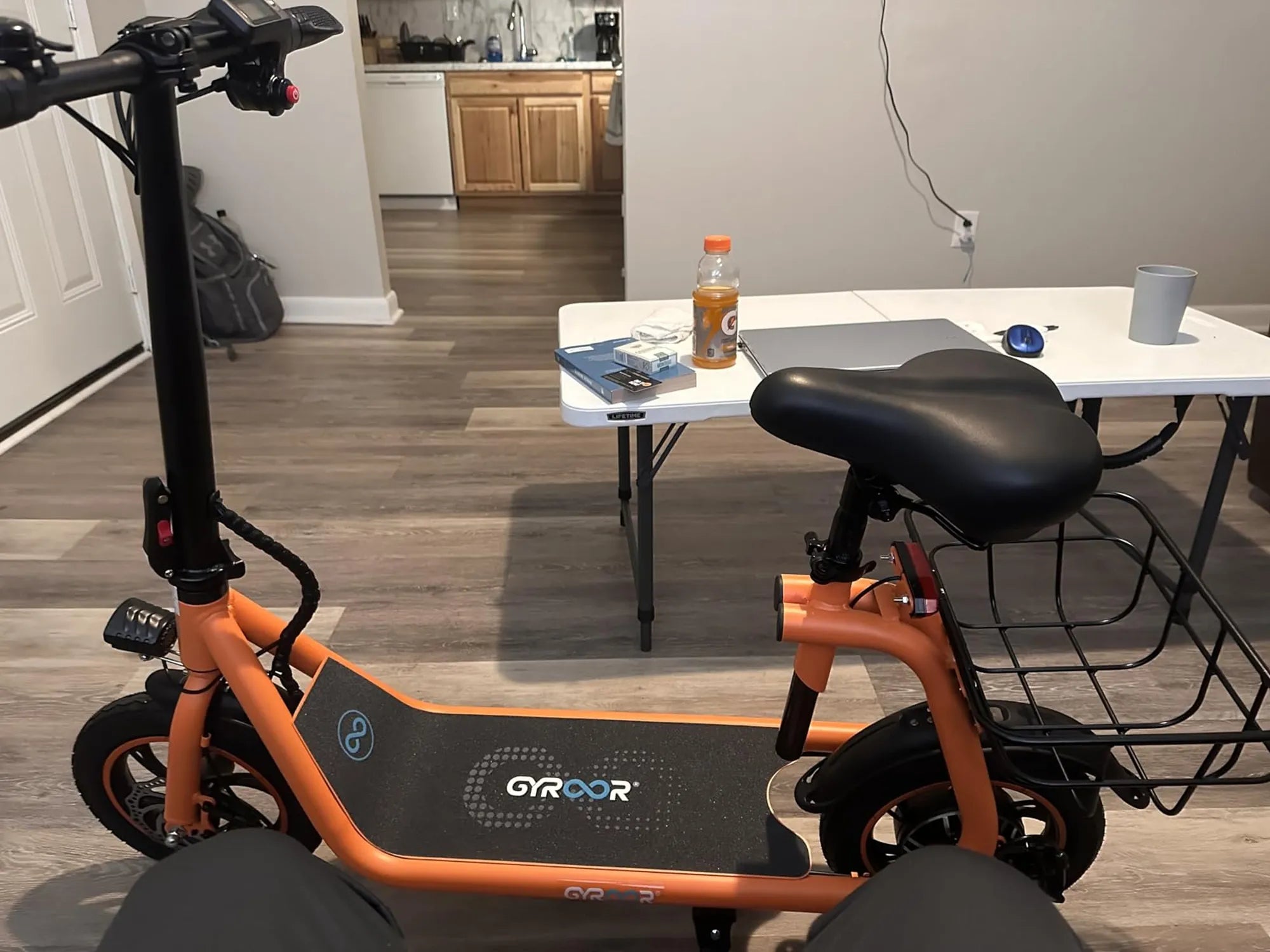
Electric scooters have taken urban commuting by storm, offering a convenient and eco-friendly way to zip through city streets. But one question lingers in the minds of riders and potential buyers alike: how fast can an electric scooter really go? Speed, measured in kilometers per hour (km/h), is a critical factor that affects everything from commute times to safety. Whether you're a thrill-seeker or a practical commuter, understanding the nuances of electric scooter speed can help you make informed decisions and get the most out of your ride.
Factors That Determine Electric Scooter Speed
The top speed of an electric scooter isn't just a number pulled out of thin air—it's the result of several interconnected factors. Here's a breakdown of the key elements that influence how fast your scooter can go:
- Motor Power: Measured in watts (W), the motor is the heart of your scooter's performance. Higher wattage generally translates to higher speeds, with 250W motors typically capping at 25 km/h and 1000W+ motors pushing past 50 km/h.
- Battery Capacity: Voltage (V) and amp-hours (Ah) work together to determine how much power your scooter can deliver. A 48V 20Ah battery will maintain higher speeds for longer than a 36V 10Ah battery.
- Weight Load: Every scooter has a weight limit, and exceeding it can significantly reduce speed. Heavier riders may notice slower acceleration and lower top speeds compared to lighter riders on the same model.
- Terrain: Flat, smooth surfaces allow for maximum speed, while hills, rough pavement, or off-road conditions can cut your speed by 30-50%.
- Tire Type: Air-filled (pneumatic) tires generally offer better speed than solid tires due to improved shock absorption and lower rolling resistance.
Legal Speed Limits for Electric Scooters
Before you start dreaming of breaking speed records, it's crucial to understand the legal framework surrounding electric scooter speeds. Regulations vary by country and even by city, but most regions impose limits between 20 km/h and 25 km/h for public road use. Some jurisdictions require speed limiters on scooters used in bike lanes or on sidewalks, while others allow higher speeds on private property or designated areas. Always check your local laws—exceeding legal limits could result in fines or confiscation of your scooter.
Speed vs. Safety: Finding the Right Balance
While the thrill of high speed is undeniable, safety should always be your top priority. Consider these safety implications at different speed ranges:
| Speed Range (km/h) | Safety Considerations |
|---|---|
| 15-20 km/h | Ideal for beginners, crowded areas, and shared pathways. Allows for quick reaction time. |
| 25-30 km/h | Common commuting speed. Requires more skill and protective gear like helmets. |
| 35-50 km/h | High-performance territory. Full-face helmets and protective clothing strongly recommended. |
| 50+ km/h | Professional-level speeds. Not recommended for urban environments due to increased accident risk. |
How to Maximize Your Electric Scooter's Speed
If you're looking to squeeze every possible km/h out of your electric scooter (while staying within legal limits), these tips can help:
- Keep your tires properly inflated to reduce rolling resistance
- Regularly clean and lubricate the drivetrain
- Charge your battery fully before rides
- Reduce unnecessary weight (clean out your storage compartment)
- Use the most efficient riding mode (some scooters have eco/turbo settings)
- Maintain good posture to minimize wind resistance
Remember that pushing your scooter to its absolute maximum speed will drain the battery faster and may reduce the lifespan of components. For most commuters, maintaining a consistent speed slightly below the scooter's top speed offers the best balance of efficiency and performance.
The Future of Electric Scooter Speed
As battery technology improves and motor efficiency increases, we're likely to see even faster electric scooters in the coming years. However, the real innovation may come in the form of smart speed management systems that automatically adjust speed based on location (using GPS), traffic conditions, or even the rider's skill level. Some manufacturers are experimenting with AI-assisted stability control that could make higher speeds safer, while others focus on creating speed profiles that optimize battery life without sacrificing performance.
The quest for speed in electric scooters isn't just about raw numbers—it's about creating a riding experience that's exhilarating yet responsible, fast yet safe. Whether you're commuting at a modest 25 km/h or testing limits on a private track, understanding the relationship between electric scooter speed in km/h and all its influencing factors will make you a smarter, safer rider. The open road (or bike lane) awaits—how fast will you go?
Electric Scooter Battery Wattage: What You Need to Know for Optimal Performance
Buy Powerful Electric Scooter: The Ultimate Guide to High-Performance Rides