

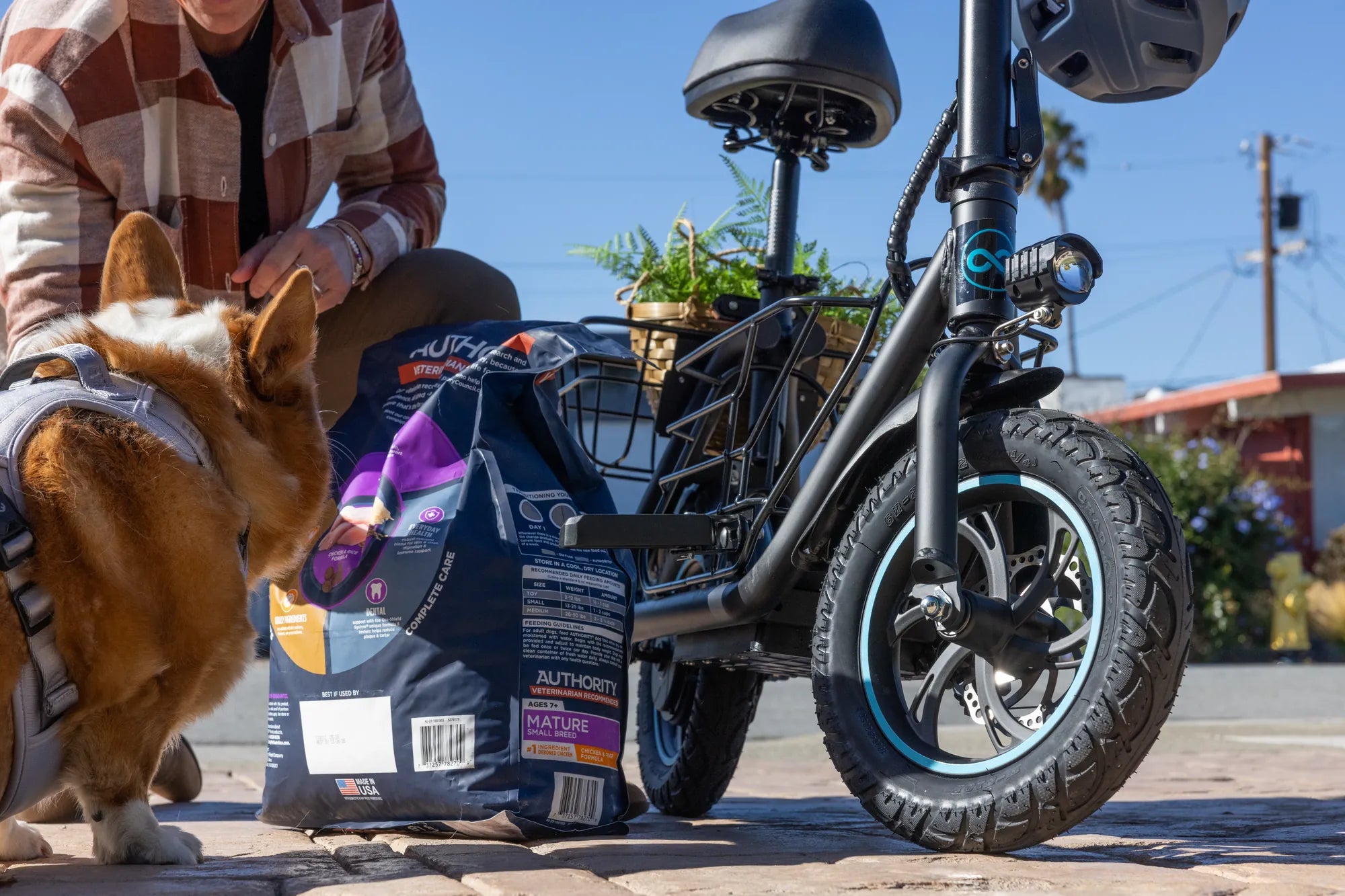
Electric scooters have become a popular mode of transportation in cities worldwide, offering a convenient and eco-friendly alternative to cars. However, with their rising popularity comes the need for regulations to ensure safety for riders and pedestrians alike. One such regulation is the electric scooter speed limit of 25 km/h, which has been adopted in many regions. But what does this mean for riders, and why is this limit in place? Let’s dive into the details.
Why Is There a Speed Limit for Electric Scooters?
The primary reason for imposing a 25 km/h speed limit on electric scooters is safety. At higher speeds, the risk of accidents increases significantly, especially in crowded urban areas where pedestrians, cyclists, and other vehicles share the road. Studies have shown that collisions at speeds above 25 km/h can result in more severe injuries, making this limit a practical measure to protect everyone on the road.
How Does the 25 km/h Limit Impact Riders?
For many riders, the 25 km/h speed limit strikes a balance between efficiency and safety. While some may argue that higher speeds would make commuting faster, the reality is that most urban trips are short, and the difference in travel time is minimal. Additionally, lower speeds reduce the likelihood of accidents, which can lead to costly repairs, injuries, or even legal consequences.
Legal Implications of Exceeding the Speed Limit
In regions where the 25 km/h speed limit is enforced, exceeding this limit can result in fines, penalties, or even confiscation of the scooter. Some jurisdictions require electric scooters to be equipped with speed limiters to prevent tampering. Riders should always check local laws to avoid unintended violations.
Safety Benefits of the 25 km/h Limit
Slower speeds give riders more time to react to unexpected obstacles, such as pedestrians stepping into the path or sudden stops by other vehicles. The 25 km/h limit also reduces the severity of accidents, making it easier for riders to maintain control and avoid collisions. This is particularly important for inexperienced riders who may not be accustomed to handling higher speeds.
Are There Exceptions to the 25 km/h Rule?
In some areas, electric scooters may be allowed to exceed the 25 km/h limit on private property or designated paths. However, these exceptions are rare, and riders should always prioritize safety over speed. Always verify local regulations before assuming any exceptions apply.
How to Comply with the Speed Limit
Most modern electric scooters come with built-in speed limiters to ensure compliance with the 25 km/h rule. Riders should avoid modifying their scooters to bypass these restrictions, as doing so can void warranties and lead to legal trouble. Regular maintenance and responsible riding habits also contribute to safer and more efficient travel.
The Future of Electric Scooter Speed Regulations
As urban mobility evolves, so too will the regulations governing electric scooters. While the 25 km/h speed limit is widely accepted today, future advancements in technology and infrastructure may lead to adjustments. However, safety will always remain a top priority for policymakers and riders alike.
Whether you’re a daily commuter or a weekend explorer, understanding the electric scooter speed limit of 25 km/h is crucial for a safe and enjoyable ride. By adhering to these regulations, you’re not only protecting yourself but also contributing to a safer environment for everyone on the road. Ready to hit the streets? Keep these tips in mind and ride responsibly!
Do You Need a Driving License for Electric Scooter? The Ultimate Guide
Electric Scooter Top Speed 50 kmh India: The Future of Urban Commuting