



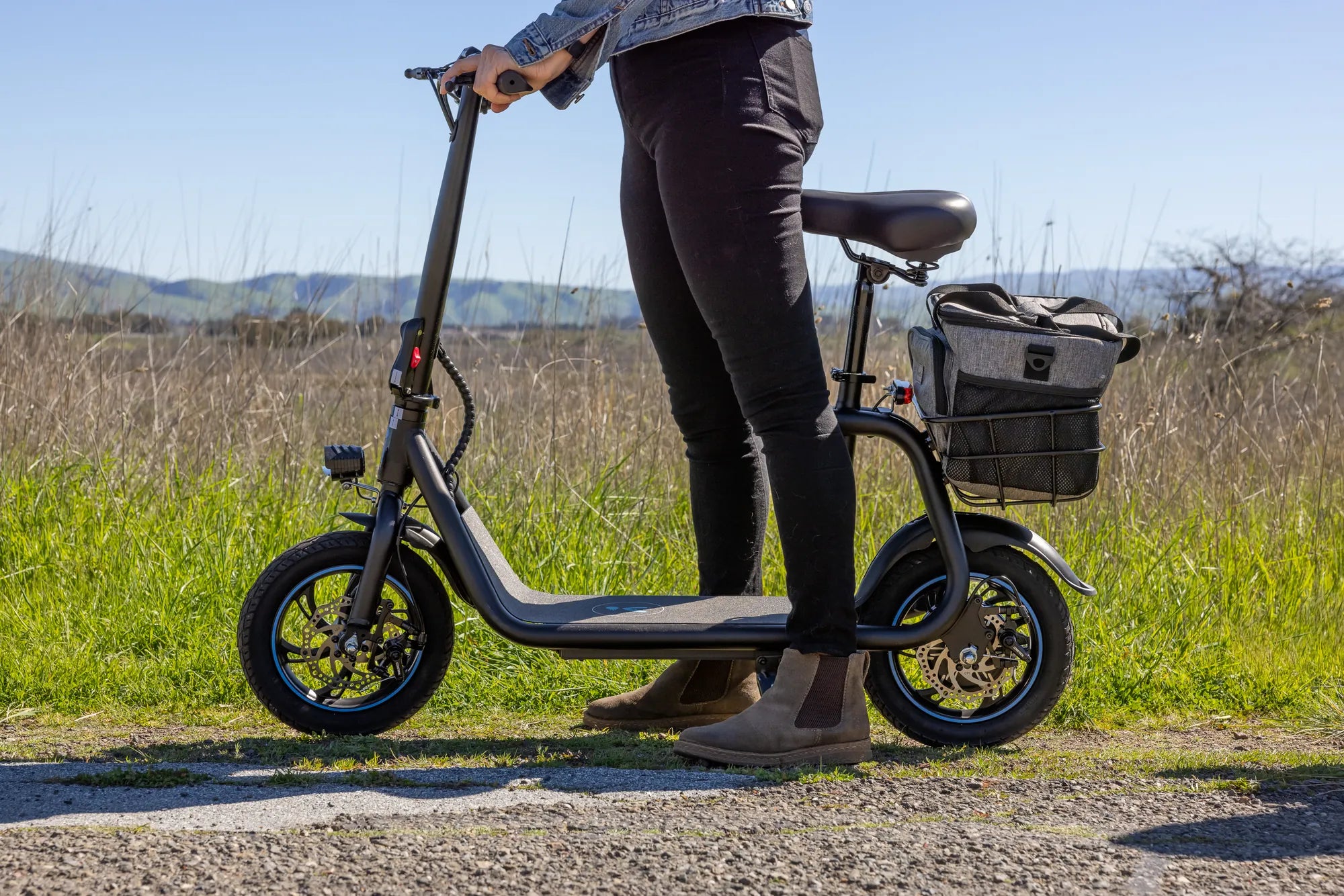
Electric scooters have revolutionized urban mobility, offering a convenient and eco-friendly way to navigate crowded streets. At the heart of every electric scooter lies a critical component: the electric scooter switch. This small but mighty part controls the power flow, ensuring your ride is smooth, safe, and efficient. Whether you're a seasoned rider or a beginner, understanding how the switch works can enhance your riding experience and prevent potential mishaps.
What Is an Electric Scooter Switch?
The electric scooter switch is a control mechanism that manages the power supply to the scooter's motor. It acts as an intermediary between the battery and the motor, allowing riders to turn the scooter on or off, adjust speed settings, and activate additional features like lights or regenerative braking. Without a properly functioning switch, your scooter wouldn't be able to start or respond to your commands.
Types of Electric Scooter Switches
There are several types of switches used in electric scooters, each serving a unique purpose:
- Power Switch: The main switch that turns the scooter on or off.
- Throttle Switch: Controls acceleration and speed.
- Mode Switch: Allows riders to switch between different speed modes (e.g., eco, standard, sport).
- Light Switch: Activates the scooter's headlights and taillights for nighttime riding.
How Does the Electric Scooter Switch Work?
The switch operates by completing or interrupting the electrical circuit between the battery and the motor. When you press the power button, the circuit closes, allowing electricity to flow and power the motor. Similarly, the throttle switch adjusts the voltage sent to the motor, controlling the scooter's speed. Advanced switches may also include safety features like waterproofing or overload protection to prevent damage.
Common Issues with Electric Scooter Switches
Like any electrical component, the switch can encounter problems over time. Some common issues include:
- Wear and Tear: Frequent use can cause the switch to degrade, leading to unresponsive controls.
- Water Damage: Exposure to moisture can corrode the switch's internal components.
- Loose Connections: Poor wiring or loose connections can disrupt the power flow.
Maintenance Tips for Your Electric Scooter Switch
To ensure your switch remains in top condition, follow these maintenance tips:
- Regularly inspect the switch for signs of damage or corrosion.
- Keep the switch clean and dry, especially after riding in wet conditions.
- Avoid excessive force when pressing the buttons to prevent wear.
Upgrading Your Electric Scooter Switch
If your current switch is outdated or malfunctioning, consider upgrading to a more advanced model. Modern switches offer features like touch-sensitive controls, LED indicators, and enhanced durability. Always consult your scooter's manual or a professional before making any upgrades to ensure compatibility.
Mastering the electric scooter switch is key to unlocking a seamless and enjoyable riding experience. From understanding its functions to troubleshooting common issues, this guide equips you with the knowledge to ride smarter and safer. So, the next time you hop on your scooter, you'll know exactly how to harness the power of that tiny but essential switch.
Can You Drive an Electric Scooter Without a License? What You Need to Know
Balance Scooter Toddler: The Ultimate Guide to Safe and Fun Riding