

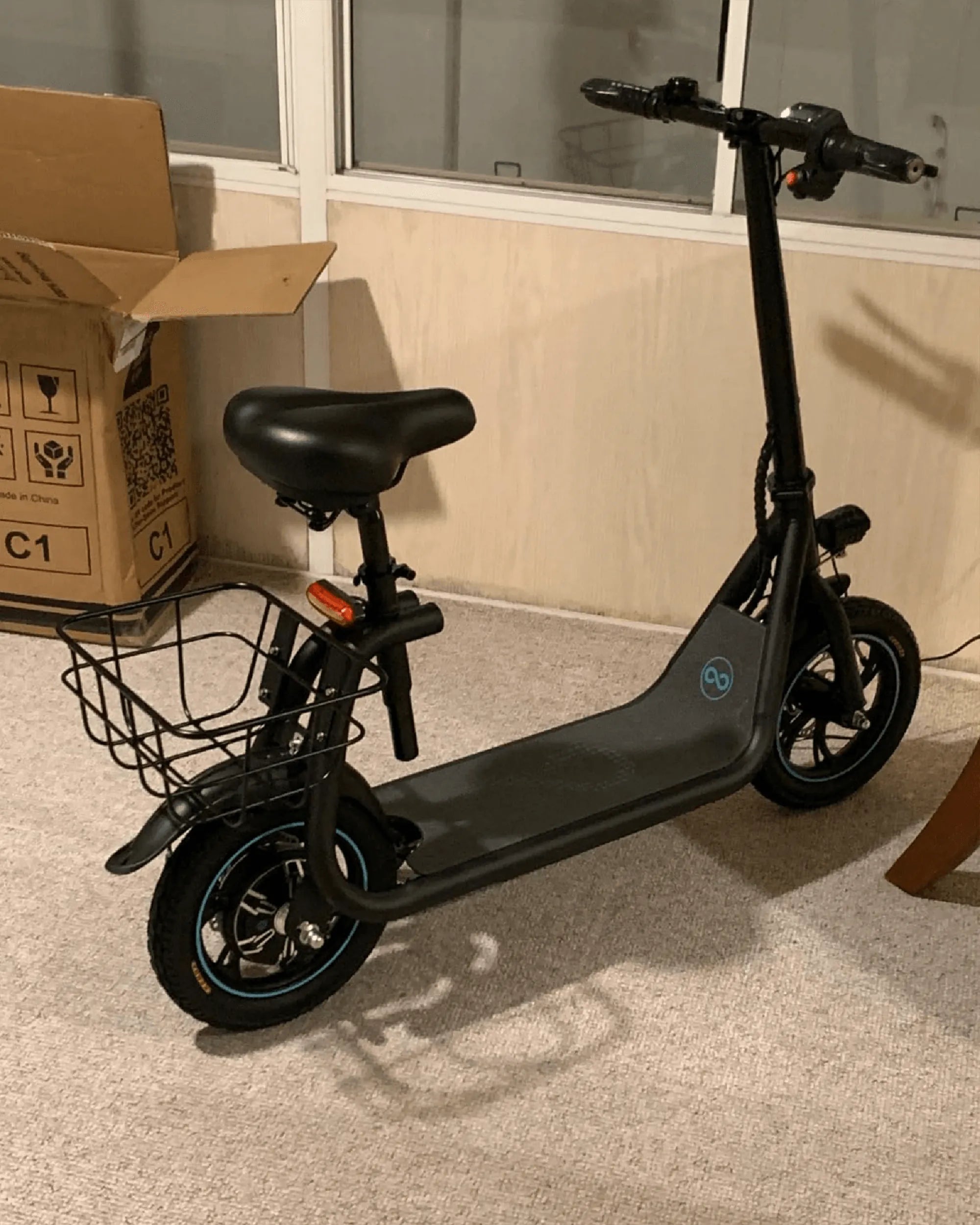
Electric scooters have become a popular mode of transportation, but their performance on uphill terrains can make or break the riding experience. Whether you're commuting in a hilly city or just exploring steep paths, understanding what affects an electric scooter's uphill performance is crucial. Let's dive into the mechanics, power, and design elements that determine how well your scooter can handle inclines.
Motor Power and Torque
The most critical factor in electric scooter uphill performance is the motor. A higher wattage motor delivers more power, making it easier to climb hills. For instance, a 500W motor can handle moderate inclines, while a 1000W or higher motor is better suited for steep hills. Torque, the rotational force produced by the motor, also plays a significant role. More torque means better acceleration and climbing ability, even at lower speeds.
Battery Capacity and Efficiency
A scooter's battery determines how long it can sustain power output uphill. Larger battery capacities (measured in watt-hours, Wh) provide more energy, ensuring consistent performance on inclines. However, battery efficiency is equally important. Some scooters lose power quickly when climbing, while others maintain steady output. Look for models with high-quality lithium-ion batteries and efficient energy management systems.
Weight and Load Capacity
The combined weight of the rider and the scooter affects uphill performance. Heavier loads require more power to climb, which can drain the battery faster. Lightweight scooters with sturdy frames perform better on hills, especially if the rider is within the recommended weight limit. Always check the manufacturer's specifications for maximum load capacity.
Tire Type and Traction
Tires with good grip are essential for uphill rides. Pneumatic (air-filled) tires provide better traction and shock absorption compared to solid tires, making them ideal for uneven or steep surfaces. Wider tires also improve stability, reducing the risk of slipping on inclines.
Riding Modes and Speed Settings
Many electric scooters offer multiple riding modes, such as eco, standard, and sport. Switching to a higher power mode can improve uphill performance by delivering more torque. However, this may reduce battery life. Experiment with different modes to find the right balance between speed and efficiency.
Terrain and Gradient
Not all hills are created equal. The steepness (gradient) of the incline significantly impacts performance. Most scooters can handle slopes up to 15 degrees, but steeper hills may require specialized models. Always check the scooter's maximum incline rating before attempting challenging terrains.
Maintenance and Upkeep
Regular maintenance ensures optimal uphill performance. Keep the tires properly inflated, clean the motor and battery contacts, and check for worn-out parts. A well-maintained scooter will perform better and last longer, even on demanding routes.
Choosing an electric scooter with strong uphill performance can transform your riding experience. Whether you're tackling city hills or off-road trails, the right combination of power, battery life, and design will keep you moving smoothly. Ready to conquer those inclines? Your perfect ride awaits.
Big Wheel Electric Scooter 1000W: The Ultimate Ride for Power and Comfort
Error 8 Electric Scooter: Causes, Fixes, and Prevention Tips