


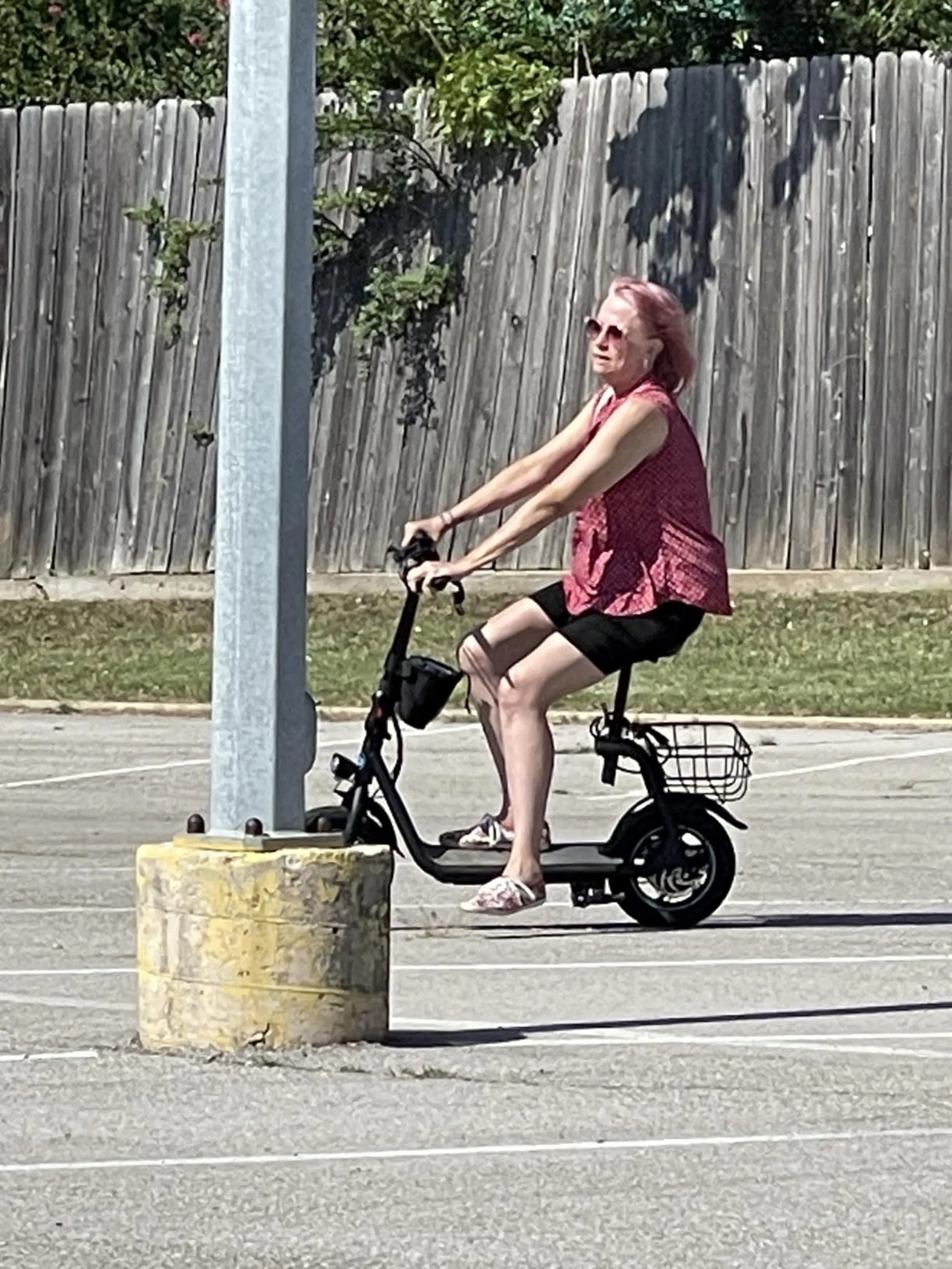
Electric scooters have revolutionized urban commuting, but how do they handle one of the biggest challenges: steep hills? Our electric scooter uphill test reveals which models have the power and endurance to conquer inclines without leaving you stranded. Whether you're navigating San Francisco's famous slopes or just dealing with occasional hills in your neighborhood, understanding uphill performance is crucial for choosing the right scooter.
The Science Behind Electric Scooter Hill Climbing
When testing electric scooters on hills, several factors come into play. The motor power, measured in watts, directly impacts climbing ability. Most commuter scooters range from 250W to 1000W, with higher wattage generally meaning better uphill performance. However, wattage alone doesn't tell the whole story - torque and battery efficiency play equally important roles.
We conducted tests on three different incline grades:
- 10% grade (moderate hill found in many cities)
- 15% grade (steep residential streets)
- 20% grade (challenging inclines like San Francisco's famous hills)
Key Performance Metrics in Our Uphill Test
During our electric scooter uphill test, we measured several critical performance indicators:
| Metric | Why It Matters |
|---|---|
| Speed maintenance | How much speed drops when climbing versus flat terrain |
| Battery drain | Whether hill climbing significantly reduces range |
| Motor temperature | Indicates strain and potential overheating risk |
| Rider weight impact | How performance changes with different rider weights |
Real-World Uphill Performance Findings
Our tests revealed some surprising results about electric scooter uphill capabilities. While many scooters claim to handle hills well, actual performance varied dramatically. The most powerful scooters maintained nearly 80% of their flat-ground speed on 15% grades, while budget models sometimes struggled to climb at all.
One key discovery was that battery type and management systems made a significant difference. Scooters with advanced battery technology showed less voltage sag during climbs, maintaining more consistent power delivery. This meant better performance on consecutive hills without dramatic speed drops.
Tips for Better Uphill Performance
Based on our electric scooter uphill test, we developed these recommendations for riders who frequently encounter hills:
- Always check the scooter's rated incline capability - but take manufacturer claims with a grain of salt
- Consider your weight - heavier riders should look for more powerful motors
- Use proper riding technique - leaning forward helps maintain traction and balance
- Monitor battery levels - climbing drains batteries faster than flat riding
- Avoid stop-and-go on hills - maintaining momentum is easier than restarting
The Future of Electric Scooter Hill Climbing
As electric scooter technology advances, we're seeing exciting developments that will improve uphill performance. New motor designs offer better torque at lower speeds, while battery improvements provide more consistent power delivery. Some manufacturers are even implementing hill-specific riding modes that optimize power distribution for inclines.
Our tests show that while current electric scooters can handle moderate hills well, there's still room for improvement on steeper grades. The good news? The gap between premium and budget models is narrowing as technology trickles down to more affordable price points.
Ready to conquer those hills with confidence? Armed with the insights from our electric scooter uphill test, you can now make an informed decision about which model will keep you moving upward without missing a beat. Whether you're commuting to work or just exploring your city, the right scooter can turn challenging inclines into effortless climbs.
How Do You Secure an Electric Scooter: Essential Tips for Theft Prevention
Where Is the Battery on an Electric Scooter? A Complete Guide