


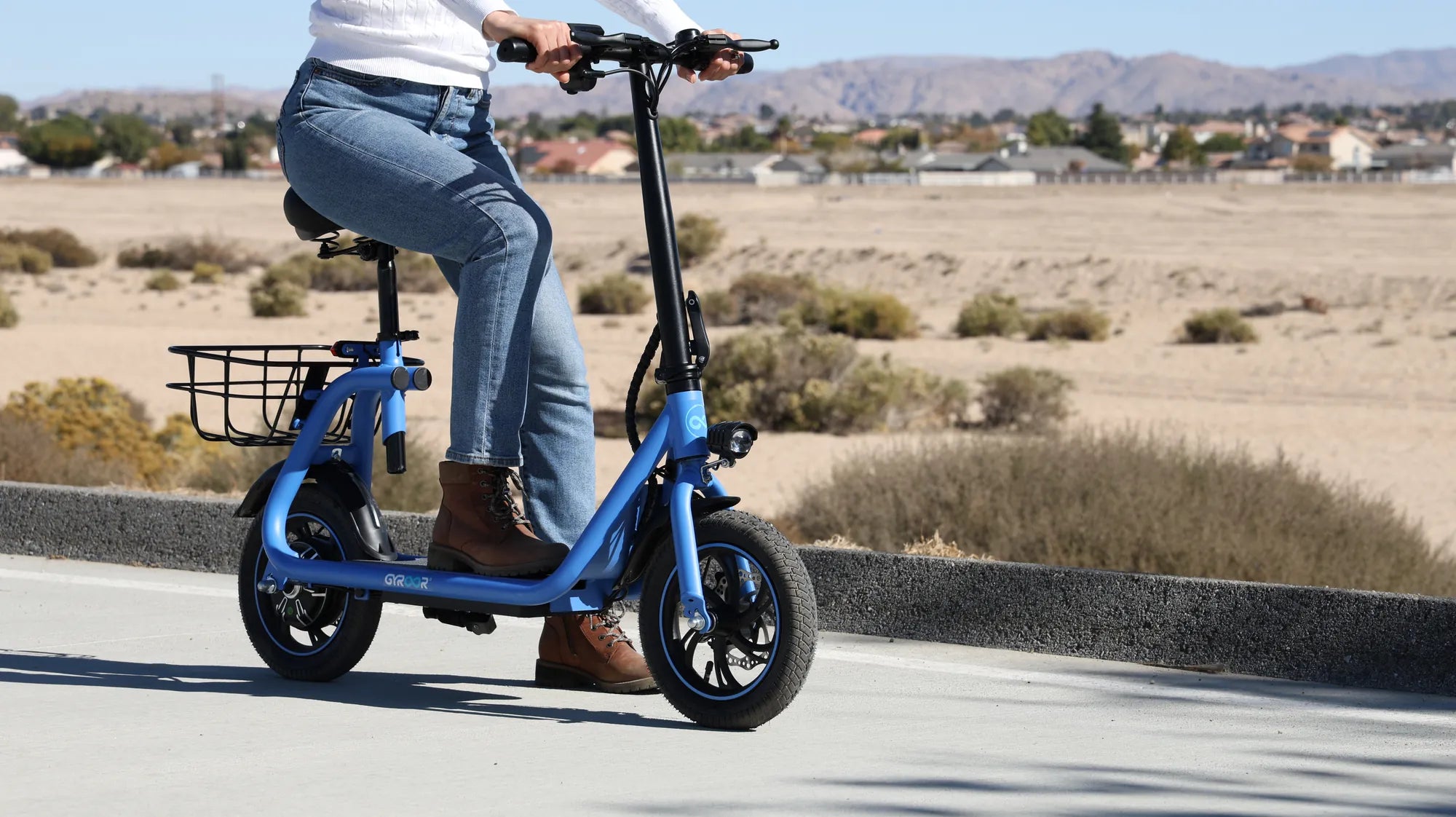
When it comes to urban commuting, the debate between electric scooters and cars is hotter than ever. Both options offer unique advantages, but which one is the right fit for your lifestyle? Let’s dive into the key factors to consider when choosing between an electric scooter and a car.
Cost Comparison
One of the biggest considerations when choosing between an electric scooter and a car is cost. Electric scooters are significantly cheaper to purchase, with prices ranging from a few hundred to a couple of thousand dollars. Cars, on the other hand, can cost tens of thousands of dollars upfront, not to mention insurance, maintenance, and fuel expenses.
Operating costs also favor electric scooters. Charging an e-scooter costs just a few cents per charge, while fueling a car can add up quickly, especially with fluctuating gas prices. Additionally, electric scooters require minimal maintenance compared to cars, which need regular oil changes, tire rotations, and other costly services.
Convenience and Mobility
Electric scooters excel in urban environments where traffic congestion is a daily struggle. They’re lightweight, easy to maneuver, and can navigate through tight spaces, making them ideal for short commutes. Parking is also a breeze—most cities allow e-scooters to be parked on sidewalks or in designated areas, eliminating the hassle of finding a parking spot.
Cars, while offering more comfort and protection from the elements, often get stuck in traffic. Parking can be expensive and hard to find in crowded cities. However, cars provide unmatched versatility for longer trips, carrying passengers, or transporting heavy items.
Environmental Impact
If reducing your carbon footprint is a priority, electric scooters are the clear winner. They produce zero emissions and consume far less energy than cars. Even electric cars, while cleaner than gasoline-powered vehicles, still require more resources to manufacture and operate.
Switching to an electric scooter for short trips can significantly reduce your environmental impact. For those who need a car occasionally, combining both modes of transportation might be the most sustainable option.
Safety Considerations
Safety is a major concern when comparing electric scooters and cars. Cars offer more protection with their enclosed structure, seatbelts, and airbags. However, they’re also involved in more accidents due to their size and speed.
Electric scooters, while less protective, are generally used at lower speeds and in less hazardous conditions. Riders should always wear helmets and follow traffic rules to minimize risks. Ultimately, safety depends on the rider or driver’s behavior and adherence to regulations.
Practicality for Daily Use
Your choice between an electric scooter and a car will largely depend on your daily needs. If your commute is short and within the city, an electric scooter is a practical, cost-effective, and eco-friendly option. For longer distances, inclement weather, or transporting multiple people, a car is more suitable.
Many urban dwellers are finding that a combination of both—using an electric scooter for daily commutes and a car for occasional trips—offers the best of both worlds.
Whether you’re zipping through city streets on an electric scooter or cruising in a car, the best choice depends on your lifestyle, budget, and priorities. Ready to make the switch? The decision is yours!
Compact Folding Electric Scooter: The Ultimate Urban Commuting Solution
Compact Folding Electric Scooter: The Ultimate Urban Commuting Solution