



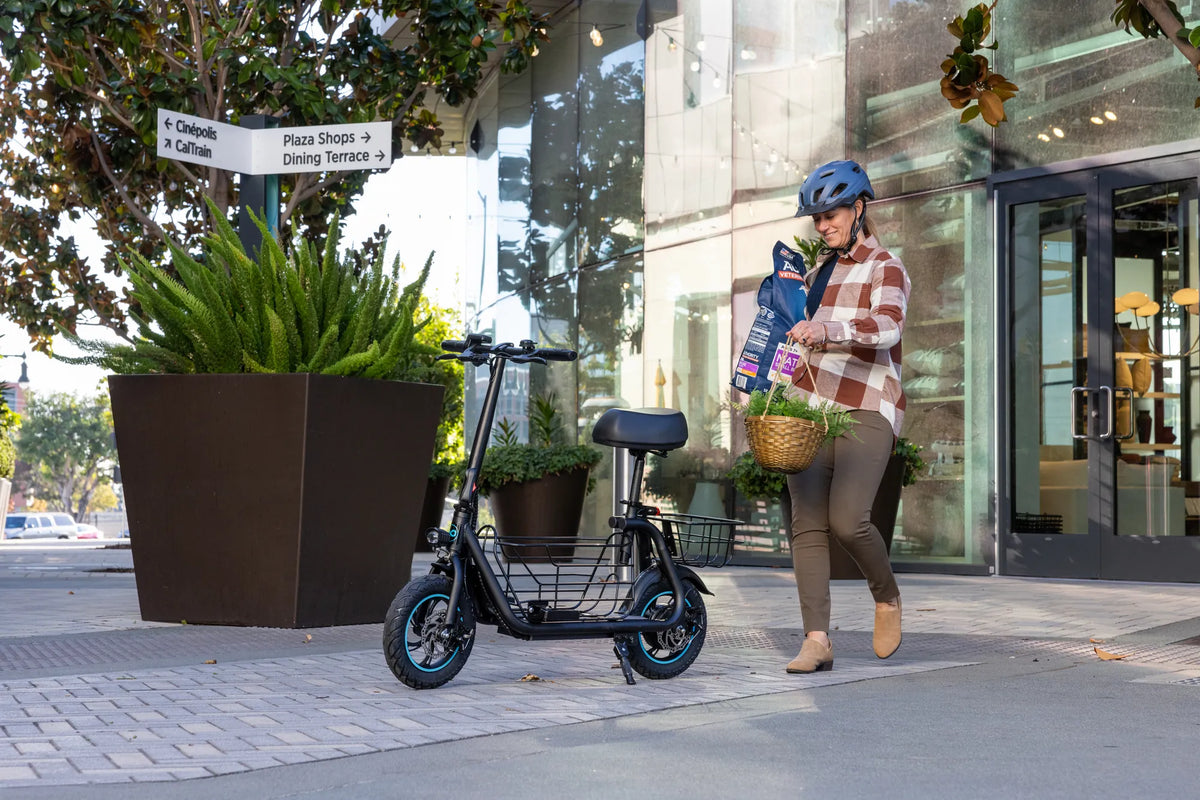
Electric scooters have become a popular mode of urban transportation, offering convenience, affordability, and eco-friendliness. But one of the most critical metrics for any rider is the electric scooter Wh per km typical consumption. This figure determines how far you can go on a single charge and how much it costs to power your ride. Let’s dive into what influences this number and how you can make the most of your scooter’s efficiency.
What Is Wh per km?
Wh per km (watt-hours per kilometer) is a measure of how much energy an electric scooter uses to travel one kilometer. It’s a key indicator of efficiency, similar to miles per gallon (MPG) for cars. The lower the Wh per km, the more efficient the scooter, meaning you can travel farther on the same battery capacity.
Factors Affecting Electric Scooter Wh per km Consumption
Several variables influence how much energy your scooter consumes per kilometer. Understanding these can help you optimize your riding habits and extend your scooter’s range.
1. Rider Weight
The heavier the rider, the more energy the scooter needs to move. A lighter rider will typically see lower Wh per km figures compared to someone carrying extra weight.
2. Terrain and Elevation
Riding uphill or on rough terrain increases energy consumption. Flat, smooth surfaces are ideal for minimizing Wh per km.
3. Speed
Higher speeds mean higher energy consumption. Riding at top speed continuously will drain the battery faster than maintaining a moderate pace.
4. Tire Pressure
Underinflated tires create more rolling resistance, forcing the scooter to work harder and use more energy. Regularly check and maintain proper tire pressure.
5. Weather Conditions
Cold temperatures can reduce battery efficiency, while strong headwinds increase drag, both leading to higher Wh per km.
Typical Wh per km Values for Electric Scooters
Most electric scooters consume between 10 and 30 Wh per km under normal riding conditions. Here’s a rough breakdown:
- Low-power scooters: 10-15 Wh per km
- Mid-range scooters: 15-20 Wh per km
- High-performance scooters: 20-30 Wh per km
These values can vary based on the factors mentioned earlier, but they provide a useful benchmark for comparison.
How to Calculate Your Scooter’s Wh per km
To determine your scooter’s actual consumption, follow these steps:
- Fully charge your scooter’s battery.
- Ride a known distance (e.g., 10 km).
- Note the battery percentage used after the ride.
- Multiply the battery capacity (in Wh) by the percentage used (as a decimal).
- Divide the result by the distance traveled (in km).
For example, if your scooter has a 300 Wh battery and you used 20% of it to travel 10 km, the calculation would be:
(300 Wh × 0.20) / 10 km = 6 Wh per km
This is an unusually low figure, so double-check your measurements if you get such a result.
Tips to Reduce Wh per km Consumption
Want to stretch your scooter’s range? Here are some practical tips:
- Maintain a steady speed: Avoid frequent acceleration and braking.
- Keep tires properly inflated: Reduces rolling resistance.
- Ride on smooth surfaces: Rough roads increase energy use.
- Reduce cargo weight: Carry only what you need.
- Use eco mode if available: Limits top speed for better efficiency.
The Impact of Wh per km on Range
Your scooter’s range is directly tied to its Wh per km consumption. Here’s how:
Range (km) = Battery Capacity (Wh) / Wh per km
For example, a 300 Wh battery with a consumption of 15 Wh per km would give you:
300 Wh / 15 Wh per km = 20 km
Improving your Wh per km to 12 Wh per km would increase your range to 25 km—a significant boost!
Comparing Electric Scooter Efficiency
When shopping for a scooter, Wh per km is a useful metric to compare models. A scooter with lower Wh per km is more efficient, but also consider other factors like build quality, comfort, and features.
Real-World Examples of Wh per km
While we won’t mention specific brands, here are some general observations:
- Lightweight commuter scooters often achieve 10-15 Wh per km.
- Mid-range models with larger batteries may hover around 15-20 Wh per km.
- High-speed scooters can exceed 25 Wh per km due to increased power demands.
Future Trends in Electric Scooter Efficiency
As battery technology improves and motors become more efficient, we can expect to see lower Wh per km figures in future models. Innovations like regenerative braking and lightweight materials will further enhance efficiency.
Electric scooter Wh per km typical consumption is more than just a number—it’s the key to unlocking longer rides, lower costs, and a greener commute. By understanding and optimizing this metric, you can get the most out of your scooter and enjoy smoother, more efficient journeys every time.
Mountain Biking Front Wheelie: Mastering the Ultimate Trail Trick
Fayetteville WV Mountain Biking: Trails, Tips, and Thrills