



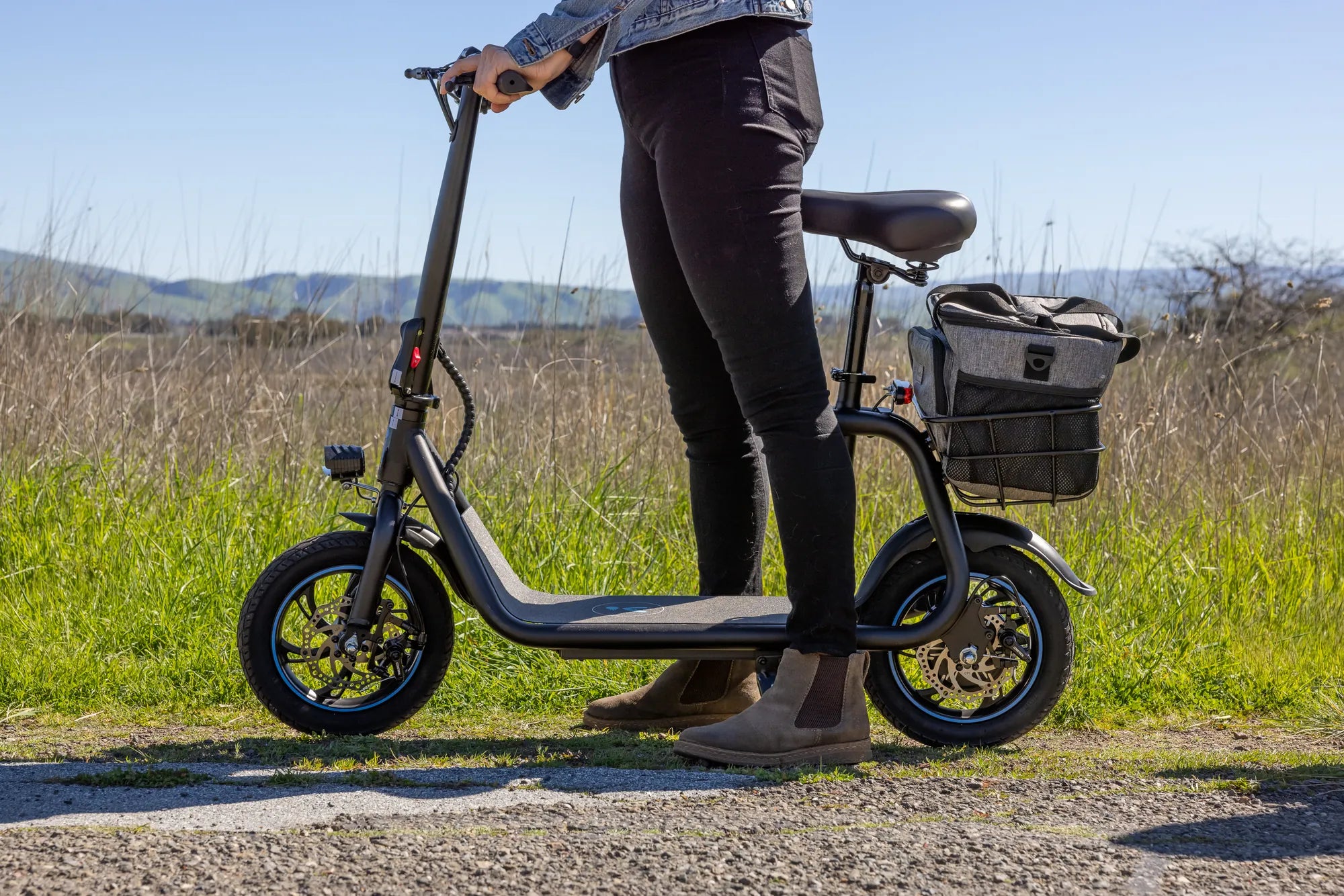
There's nothing more frustrating than hopping on your electric scooter, pressing the throttle, and realizing it won't move. Whether you rely on it for daily commutes or weekend fun, a non-responsive scooter can ruin your plans. But before you give up and call for repairs, there are several troubleshooting steps you can take to diagnose and potentially fix the issue yourself.
Common Reasons Why Your Electric Scooter Won't Move
When an electric scooter refuses to budge, the problem usually falls into one of these categories:
- Power issues - The scooter isn't receiving proper electrical current
- Mechanical problems - Physical components are preventing movement
- Controller failures - The brain of your scooter isn't functioning correctly
- Safety lockouts - Built-in protections are preventing operation
Step-by-Step Troubleshooting Guide
1. Check the Basic Power Supply
Begin with the simplest possibilities first:
- Ensure the scooter is properly turned on (some models have multiple power steps)
- Check that the battery has sufficient charge (verify with the display if available)
- Inspect the charging port and cable for damage
- Try charging the scooter for at least 30 minutes before testing again
2. Examine the Throttle Mechanism
A faulty throttle is a common culprit when electric scooters won't move:
- Look for physical damage to the throttle grip or buttons
- Check for loose wiring connections near the handlebars
- Test if the throttle responds (listen for motor engagement sounds)
- Some scooters have a safety switch that must be engaged before throttle works
3. Inspect the Braking System
Modern electric scooters have safety features that prevent movement when brakes are engaged:
- Check if brake levers are fully returning to their positions
- Look for damaged brake sensors or cut wires
- Test brake functionality separately from throttle operation
- Clean brake mechanisms if they appear stuck or dirty
4. Motor and Drive System Checks
If power reaches the motor but the scooter won't move:
- Listen for unusual sounds when attempting to accelerate
- Check for obstructions in the wheel or drive mechanism
- Inspect motor wiring for damage or loose connections
- Test wheel spin manually (should move freely when powered off)
5. Controller and Electronic Diagnostics
The electronic control unit manages all scooter functions:
- Look for error codes on the display (if equipped)
- Check for water damage or corrosion on electronic components
- Reset the scooter by powering off completely and restarting
- Consult your manual for specific diagnostic procedures
When to Seek Professional Help
While many electric scooter issues can be resolved with basic troubleshooting, some problems require expert attention:
- Battery won't hold a charge or shows signs of swelling
- Burning smell or smoke from any component
- Visible damage to wiring harness or connectors
- Persistent error codes that won't clear
- Major mechanical damage to frame or drive components
Preventative Maintenance Tips
Keep your electric scooter running smoothly with these practices:
- Store in dry, temperature-controlled environments
- Charge battery regularly, even during periods of non-use
- Keep tires properly inflated and check for wear
- Clean and lubricate moving parts periodically
- Check all fasteners and connections during routine inspections
Don't let a stationary electric scooter derail your plans. With methodical troubleshooting, you can often identify and resolve the issue without expensive repairs. Remember that safety should always come first - if you're unsure about any repair, consult a professional. Your next smooth, silent ride might be just a few simple fixes away.
Balance Scooter Parts: Essential Components for Optimal Performance
Best Street Legal Electric Scooter for Seniors: A Complete Guide