



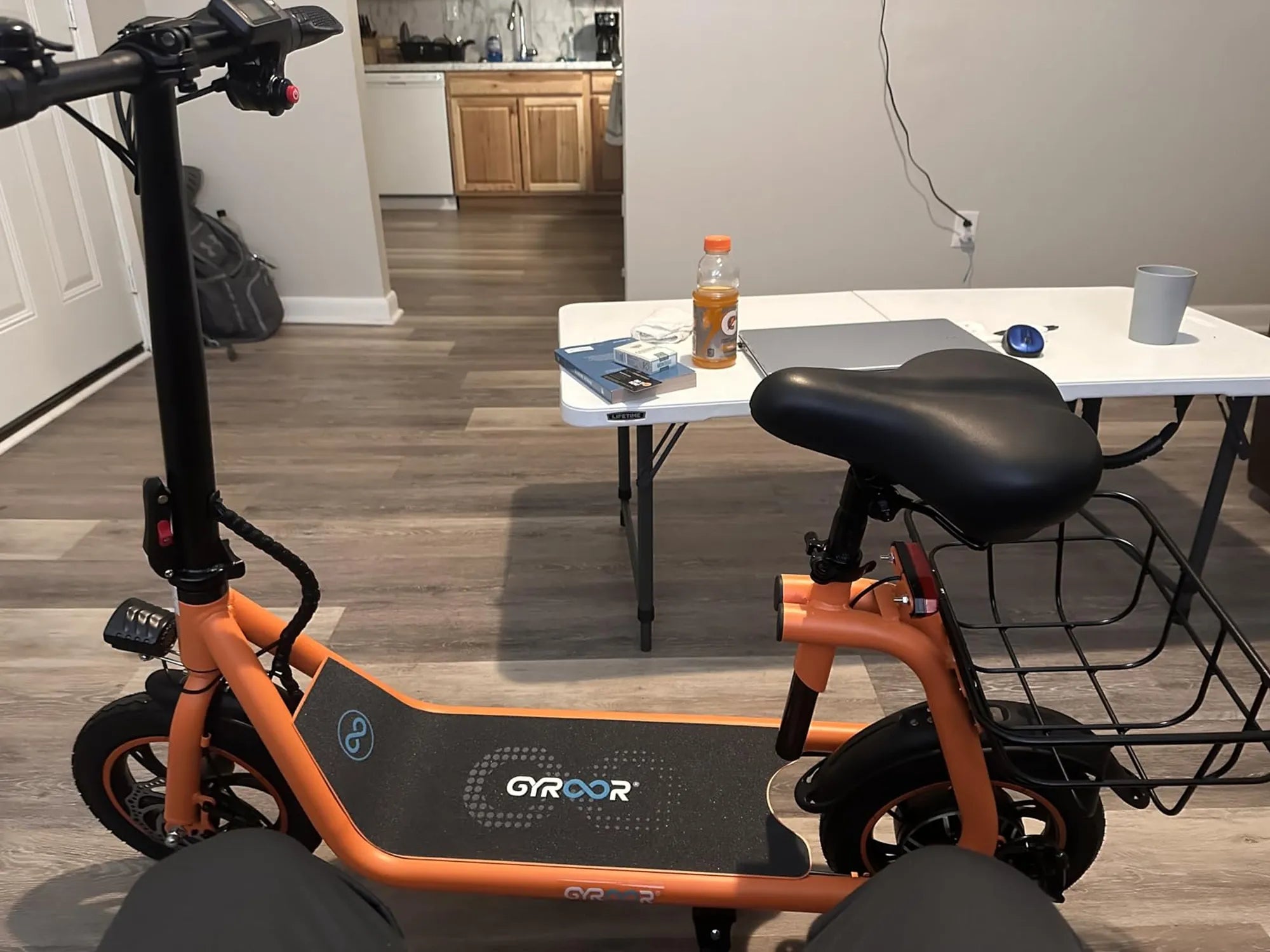
Electric scooters capable of 28 MPH represent a significant leap in urban personal mobility, offering commuters a potent tool to slash travel times. This guide cuts through the hype to deliver a factual, data-driven analysis of what it means to own and operate a scooter at this speed threshold. You will learn about the critical engineering components, non-negotiable safety protocols, and complex legal classifications that define this performance category. We'll also examine real-world range expectations, compare total cost of ownership, and highlight what separates reliable, safe models from the rest. For riders seeking to bridge the gap between standard commuter scooters and high-performance vehicles, understanding Electric Scooters 28 MPH: The Ultimate Guide to Speed, Safety, and Performance is the essential first step.
Understanding the 28 MPH Electric Scooter: A New Class of Commuter Power
A 28 MPH electric scooter occupies a strategic middle ground in the personal electric vehicle (PEV) market. It sits distinctly above the 15-20 MPH commuter scooters designed for casual or last-mile use and just below the 30+ MPH high-performance models that often face stricter regulations. This specific speed is not arbitrary; it frequently represents a regulatory boundary in many municipalities, marking the transition from a "low-speed" to a potentially regulated vehicle class.
The primary appeal is practical: a 28 MPH top speed can reduce a typical 5-mile urban commute from 20 minutes (at 15 MPH) to just under 11 minutes. This time savings is transformative for daily riders, making the scooter a viable replacement for a car or sluggish public transit on many routes. It delivers the thrill and efficiency of higher speed while remaining (in many cases) within a practical envelope for shared bike lanes and urban infrastructure.
This performance tier attracts a specific user: the experienced commuter who has outgrown entry-level speeds, the rider with longer daily distances, or someone navigating cities with generous bike lane networks. The demand is for a vehicle that is fast enough to be a primary commute tool but not so extreme as to be impractical or illegal for daily road use. The engineering, safety, and legal considerations all intensify at this speed, separating serious commuting tools from recreational gadgets.
Brands like Gyroor have developed models targeting this sweet spot, recognizing the need for robust construction, certified safety components, and reliable support. With over 100,000 riders trusting their PEVs, the focus shifts from mere speed to sustained, safe performance. The 28 MPH scooter is, therefore, defined not just by its top speed but by the comprehensive package required to deliver that speed responsibly day after day.
The Engineering Behind the Speed: Key Components That Deliver 28 MPH
Achieving and, more importantly, sustaining a true 28 MPH requires a harmonious integration of several high-performance components. It's not just about a powerful motor; it's about a system designed for high-speed efficiency and durability. The core triumvirate consists of the motor, the battery, and the electronic speed controller (ESC), each spec'd to handle increased thermal and electrical loads.
The motor must provide sufficient continuous power, not just peak burst power. A scooter that can hit 28 MPH on a flat with a light rider but slows to 15 MPH on a mild incline or with an adult rider is not a true 28 MPH scooter. Reliable models in this class typically feature motors with a continuous power rating of 500W to 800W, with peak power outputs often reaching 1000W or more to handle acceleration and hills.
The battery pack must supply high voltage and current consistently. Most performance scooters use 48V or 52V battery systems, as higher voltage allows the motor to draw fewer amps to achieve the same power, improving efficiency and reducing heat. Capacity, measured in Watt-hours (Wh), directly influences range. A scooter aiming for 28 MPH needs a robust battery, typically 500Wh or larger, to provide a useful range despite the higher energy consumption at top speed.
Finally, the ESC is the brain that manages power flow from the battery to the motor. A high-quality controller ensures smooth acceleration, implements safety cut-offs for over-current and over-temperature, and can often enable features like regenerative braking. The synergy of these components, built with quality materials and sound thermal management, defines a scooter's true high-speed capability.
Motor and Powertrain: Sustaining Speed Under Load
The powertrain's real test comes under load—climbing a hill, carrying a rider at the weight limit, or accelerating from a stop. A single-motor setup can achieve 28 MPH, but a dual-motor configuration (either both hub motors or a hub+mid-drive) provides superior torque and hill-climbing ability. This means the scooter maintains speed more effectively in real-world conditions, rather than just on paper.
Torque, the rotational force, is critical for acceleration and incline performance. High-torque motors prevent the "power fade" phenomenon where speed drops precipitously when demand increases. This is where engineering quality shines; motors with better internal components, efficient gearing (if geared), and effective cooling will sustain performance longer without overheating, which can trigger thermal throttling.
For brands focused on reliability, like Gyroor, motor design prioritizes durability. This includes using higher-grade copper windings, precision bearings, and effective sealing against dust and moisture. The goal is a powertrain that delivers consistent 28 MPH performance not just when new, but throughout the scooter's lifespan, backed by a comprehensive warranty that covers such high-stress components.
Battery and Range: The Trade-Off at Top Speed
There is a direct, non-linear relationship between speed and energy consumption due to increased aerodynamic drag. Riding at 28 MPH consumes significantly more battery power per mile than cruising at 15 MPH. While manufacturer range estimates are often based on ideal conditions at moderate speeds, riders must understand the real-world trade-off.
As a rule of thumb, range can drop by 35-50% when consistently riding at top speed compared to eco-mode speeds. A scooter advertised with a 25-mile range at 15 MPH might only achieve 12-15 miles if ridden constantly at 28 MPH. This makes battery capacity and quality paramount. High-capacity, UL-certified lithium-ion packs, like those used by Gyroor, are engineered for stable discharge rates even under high load, preventing voltage sag that can cause sudden power loss.
Battery management systems (BMS) are crucial at this performance level. A sophisticated BMS monitors individual cell health, balances charge, and enforces safe operating temperatures. This not only protects the battery from damage but also ensures consistent voltage output, which translates to consistent speed and acceleration throughout the ride, until the battery is truly depleted.
Safety First: Essential Gear and Riding Practices for 28 MPH
At 28 MPH, a rider is traveling at a speed where the consequences of a fall or collision are severe. The safety protocol must be upgraded accordingly from what might be acceptable for a 15 MPH scooter. The first and most critical line of defense is personal protective equipment (PPE) designed for higher-impact scenarios.
A bicycle helmet is insufficient. A full-face mountain biking or motorcycle helmet is strongly recommended to protect the jaw and teeth. Gloves with palm sliders are essential to prevent "road rash" during a fall. Durable, closed-toe shoes, long pants, and a sturdy jacket or armored riding jersey should be considered mandatory. This gear dramatically reduces the risk of serious injury.
The scooter itself must be equipped with a high-performance braking system. A combination of hydraulic or cable-actuated disc brakes (front and rear) is ideal. Electronic or regenerative braking can supplement but should not be the sole primary brake at this speed. Brakes must be regularly inspected and adjusted, as stopping distance increases dramatically with speed. Lighting is non-negotiable: bright, always-on front and rear LEDs, plus side or wheel reflectors, are vital for being seen by other road users.
Proactive riding is the final safety component. This means constantly scanning the road surface for hazards (potholes, gravel, wet metal), anticipating the actions of cars and pedestrians, and never assuming you have the right of way. Defensive riding at 28 MPH requires heightened awareness and quicker reaction times than at lower speeds.
Mastering Control: Handling and Stability at Speed
A scooter's physical design dictates its stability at high speeds. Key factors include a longer wheelbase (distance between axles), a wide and textured deck for secure footing, and larger wheel diameter (8.5 to 10 inches is common). Larger wheels roll over bumps and cracks more smoothly, maintaining stability where smaller wheels might deflect or catch.
Suspension becomes highly valuable at 28 MPH. A dual suspension system (front and rear) absorbs impacts from road imperfections, keeping the tires in contact with the pavement for better control and braking. Proper tire pressure is critical; under-inflated tires can feel sluggish and unstable, while over-inflated tires reduce traction. Pneumatic (air-filled) tires generally offer the best combination of comfort and grip compared to solid tires.
Riders must practice controlled braking. Sudden, hard application of the front brake at high speed can lead to a dangerous forward pitch. The technique involves applying both brakes smoothly, with slightly more pressure on the rear initially. Understanding and practicing the increased stopping distance is crucial. At 28 MPH, total stopping distance (including reaction time) can easily exceed 30 feet on dry pavement.
Legal and Regulatory Landscape: Where Can You Legally Ride 28 MPH?
The legality of operating a 28 MPH electric scooter is a complex patchwork of local, state, and municipal laws. In many jurisdictions, the top speed is the primary factor in classification. Scooters with a maximum speed of 20 MPH or less are often treated similarly to bicycles. However, at 28 MPH, the scooter may be classified as a "motorized scooter," "low-speed vehicle," or even a "moped," each carrying different requirements.
Common potential requirements for scooters capable of 28 MPH include: a driver's license, vehicle registration, license plates, and insurance. Some cities may restrict them from bike paths or sidewalks, limiting them to roads with speed limits at or below a certain threshold (e.g., 35 MPH). Age restrictions are also more common; operators may need to be 16 or 18 years old.
It is the rider's absolute responsibility to research and comply with local laws. This information can typically be found on city transportation or police department websites. Ignorance of the law is not a defense and can result in fines, impoundment of the scooter, or liability in the event of an accident. Responsible brands provide guidance, but the final onus is on the owner. Before purchasing a 28 MPH scooter, verify its legal status on your intended routes.
Gyroor's Commitment: Performance Built with Trust and Reliability
For a brand serving over 100,000 riders, delivering high speed is meaningless without a foundation of safety and reliability. Gyroor's approach to the 28 MPH category exemplifies this philosophy. Performance is engineered in tandem with certified safety features and durable construction, ensuring the scooter is a trustworthy daily tool, not a fragile speed machine.
The cornerstone is the battery. Every Gyroor scooter uses a UL-certified battery pack, subjected to rigorous testing for over 500 charge cycles, puncture resistance, and thermal stability. This certification is a tangible commitment to safety, drastically reducing the risk of battery-related incidents. The scooters are built with an IPX5 water-resistant rating, meaning they can withstand water jets from any direction, making them viable for commuting in rain or wet conditions.
This reliability is backed by a clear, 1-year comprehensive warranty covering the motor, battery, controller, and frame. This warranty support, provided by a US-based team, offers peace of mind that the components stressed by high-speed operation are protected. It reflects confidence in the product's durability. For riders investing in a 28 MPH scooter, these assurances—certified batteries, water resistance, and strong warranty support—are critical factors that separate a reputable brand from generic alternatives.
Performance Comparison: 28 MPH Scooters vs. Other Transport Options
To contextualize the value of a 28 MPH electric scooter, a practical comparison against common urban transport modes is revealing. The following table analyzes a typical 5-mile one-way urban commute across key metrics: time, cost, convenience, and environmental impact.
| Transport Mode | Avg. Trip Time (5 mi) | Est. Cost per Mile | Parking/Storage | Carbon Footprint | Notes |
|---|---|---|---|---|---|
| 28 MPH E-Scooter | ~11-13 min | $0.03 - $0.05 | Easy (Portable) | Very Low* | Subject to local laws; requires safety gear. |
| Standard 20 MPH E-Scooter | ~15-18 min | $0.02 - $0.04 | Easy (Portable) | Very Low* | More widely legal; less safety gear needed. |
| City Bicycle | ~20-25 min | $0.01 (maintenance) | Moderate (Requires lock/rack) | Zero | Requires physical effort; weather-dependent. |
| Personal Car | ~15-30 min (with traffic) | $0.50 - $0.70 (fuel, deprec.) | Difficult/Expensive | High | High fixed costs; traffic and parking stress. |
| Public Transit | ~30-45 min | $2.00 - $3.00 (fare) | Not Applicable | Low | Schedule-dependent; possible transfers/walking. |
| Rideshare/Taxi | ~15-25 min | $2.50 - $4.00 | Not Applicable | High | Extremely high variable cost; surge pricing. |
*Based on grid electricity generation. Time and cost are estimates for illustrative purposes. The 28 MPH scooter offers the second-fastest trip time (potentially rivaling a car in heavy traffic) at a fraction of the cost, with unparalleled parking convenience and a minimal environmental footprint. This makes it a highly efficient and cost-effective solution for the medium-distance urban commuter.
Frequently Asked Questions (FAQ) About 28 MPH Electric Scooters
Q: Is 28 MPH too fast for a beginner?
A: Generally, yes. 28 MPH requires experience, quick reflexes, and knowledge of safe riding practices. Beginners should start on a slower scooter (15-20 MPH) to build fundamental skills—balancing, braking, and hazard awareness—before transitioning to higher speeds. Always prioritize safety courses or practice in controlled environments.
Q: How much does range actually drop when riding at 28 MPH versus a slower speed?
A: Expect a 35-50% reduction. If a scooter's advertised range is 30 miles at 15 MPH in ideal conditions, consistent riding at 28 MPH will likely yield 15-20 miles. Factors like rider weight, hills, wind, and temperature will also impact this. Plan your commute and charging routine accordingly.
Q: What maintenance is most critical for a high-speed scooter?
A> Regular checks are vital: 1) Brake inspection: Pad wear, cable tension, and disc alignment weekly. 2) Tire pressure: Check before every ride for optimal grip and range. 3) Bolt tightness: Periodically check stem, handlebar, and wheel bolts for loosening due to vibration. 4) Battery care: Avoid full discharges; store in a cool, dry place.
Q: Does the 1-year warranty cover components under the stress of high-speed use?
A> Reputable brands like Gyroor design their warranties to cover normal use, which includes operating the scooter at its advertised top speed. Their comprehensive 1-year warranty specifically covers the motor, battery, controller, and frame—the components most affected by high-performance riding—as long as the scooter is not misused or modified.
Q: Can I modify a slower scooter to go 28 MPH?
A> This is strongly discouraged. "Unlocking" or modifying a scooter voids the warranty and is extremely dangerous. The frame, brakes, tires, and electrical system are engineered for a specific performance envelope. Exceeding this can lead to catastrophic failure (e.g., brake fade, motor burnout, battery fire) at high speed. Always purchase a scooter designed and certified for your desired speed.
Conclusion: Is a 28 MPH Electric Scooter Right for You?
The decision to invest in a 28 MPH electric scooter hinges on a honest assessment of your needs, environment, and commitment to safety. This class is ideal for the experienced urban commuter facing a 5-10 mile daily distance, where time savings are valuable and road/bike lane conditions permit safe travel at higher speeds. It is a tool for efficiency, offering a compelling blend of speed, low operating cost, and convenience that outperforms cars and public transit in many urban scenarios.
However, this performance demands responsibility. It requires a upfront investment in serious protective gear, a diligent approach to maintenance, and thorough research into local laws. Choosing a reputable brand that prioritizes certified components (like UL-certified batteries), robust construction (IPX5 water resistance), and strong warranty support is non-negotiable for ensuring long-term reliability and safety. For those ready to embrace the speed with the requisite caution, a 28 MPH scooter like those engineered by Gyroor can redefine your daily commute.
Ready to experience the blend of performance, safety, and reliability? Browse the full Gyroor collection at gyroorboard.com to find a scooter built for your pace.
Electric Scooters with Removable Battery India 2025: The Future of Urban Mobility
Commercial Electric Scooters: The Future of Urban Mobility and Business Efficiency