

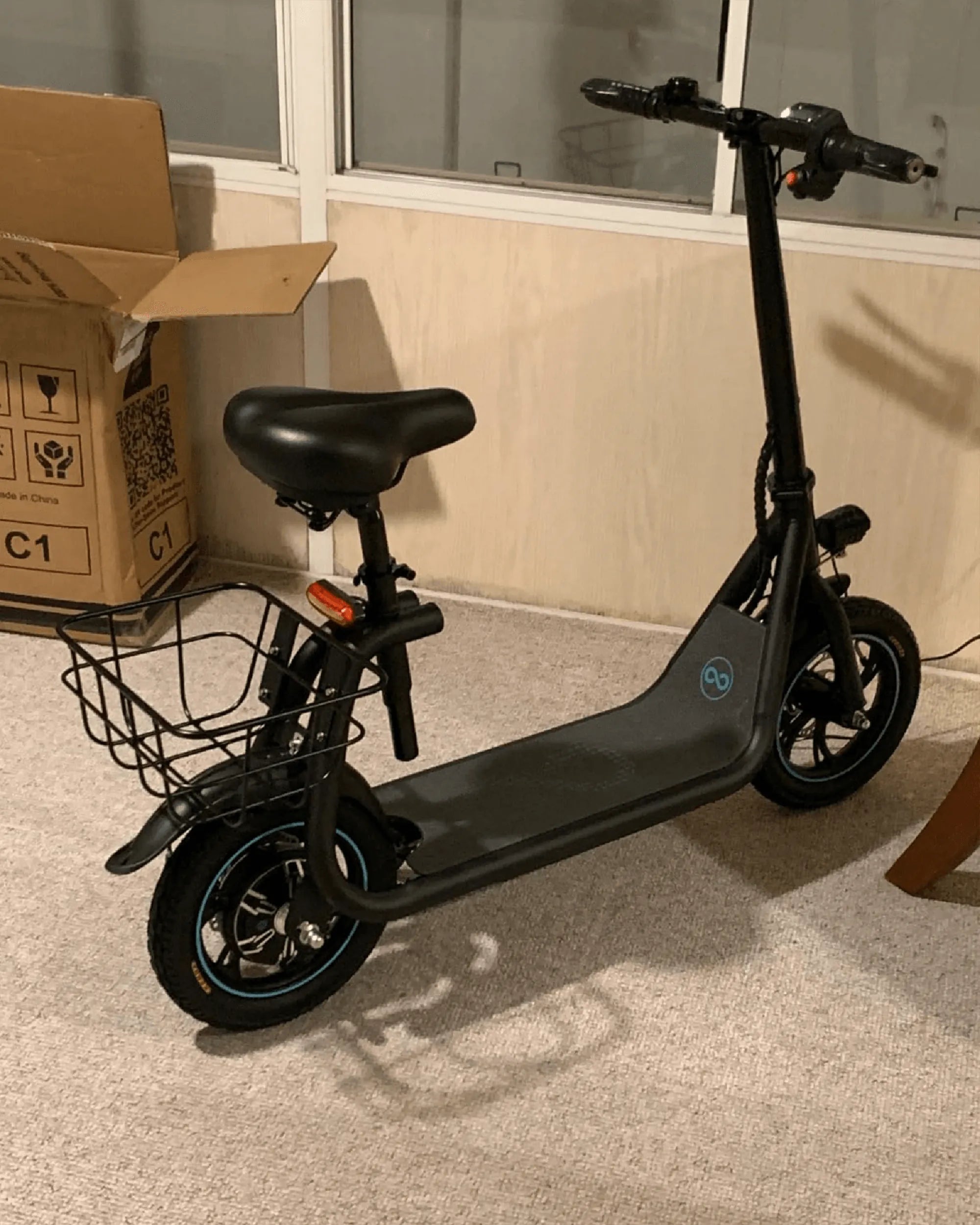
Electric scooters are legal but are they the future of urban transportation? As cities grow denser and traffic congestion worsens, e-scooters have emerged as a convenient alternative. Yet, their rapid adoption has sparked debates about safety, infrastructure, and regulation. Let’s dive into the complexities of this modern mobility trend.
The Rise of Electric Scooters in Urban Mobility
Electric scooters have surged in popularity over the past decade, offering a quick, affordable, and eco-friendly way to navigate crowded streets. Unlike traditional bikes or public transit, e-scooters provide a last-mile solution that fits seamlessly into busy lifestyles. However, their sudden presence has left many cities scrambling to adapt.
Legal Status: A Patchwork of Regulations
While electric scooters are legal in many regions, the rules governing their use vary widely. Some cities enforce strict speed limits, helmet mandates, or designated riding zones, while others have yet to establish clear guidelines. This inconsistency creates confusion for riders and pedestrians alike.
Key Legal Considerations
- Speed Limits: Most jurisdictions cap e-scooter speeds at 15-20 mph.
- Helmet Laws: Requirements differ by location, with some areas mandating helmets for all riders.
- Riding Zones: Many cities prohibit e-scooters on sidewalks, pushing riders onto bike lanes or roads.
Safety Concerns: Are E-Scooters a Risk?
Electric scooters are legal but are they safe? Accident reports highlight the dangers of reckless riding, poor infrastructure, and limited rider education. Collisions with pedestrians, cars, and stationary objects are common, raising questions about whether current regulations go far enough.
Common Safety Issues
- Poor Visibility: E-scooters are small and quiet, making them hard to spot in traffic.
- Unpredictable Riders: Inexperienced users often swerve or brake suddenly.
- Infrastructure Gaps: Lack of dedicated lanes forces riders into unsafe spaces.
Practicality: Balancing Convenience and Chaos
For all their benefits, e-scooters introduce logistical challenges. Cluttered sidewalks, vandalism, and battery disposal issues have led some cities to ban or restrict their use. Yet, when managed properly, they can reduce traffic and emissions significantly.
Urban Impact
- Traffic Reduction: E-scooters can ease congestion by replacing short car trips.
- Environmental Benefits: They produce zero emissions during operation.
- Parking Problems: Improperly parked scooters block pathways and create hazards.
The Future of E-Scooters in Cities
Electric scooters are legal but are they here to stay? The answer depends on how cities address their challenges. Improved infrastructure, clearer regulations, and public education could make e-scooters a staple of urban transport. Without these changes, their future may remain uncertain.
Love them or hate them, e-scooters are reshaping how we move. Will your city embrace them or push back? The debate is far from over—stay tuned as this mobility revolution unfolds.
E Scooter Won't Turn On: Common Causes and How to Fix Them
Electric Two Wheeler in India: The Future of Urban Mobility