



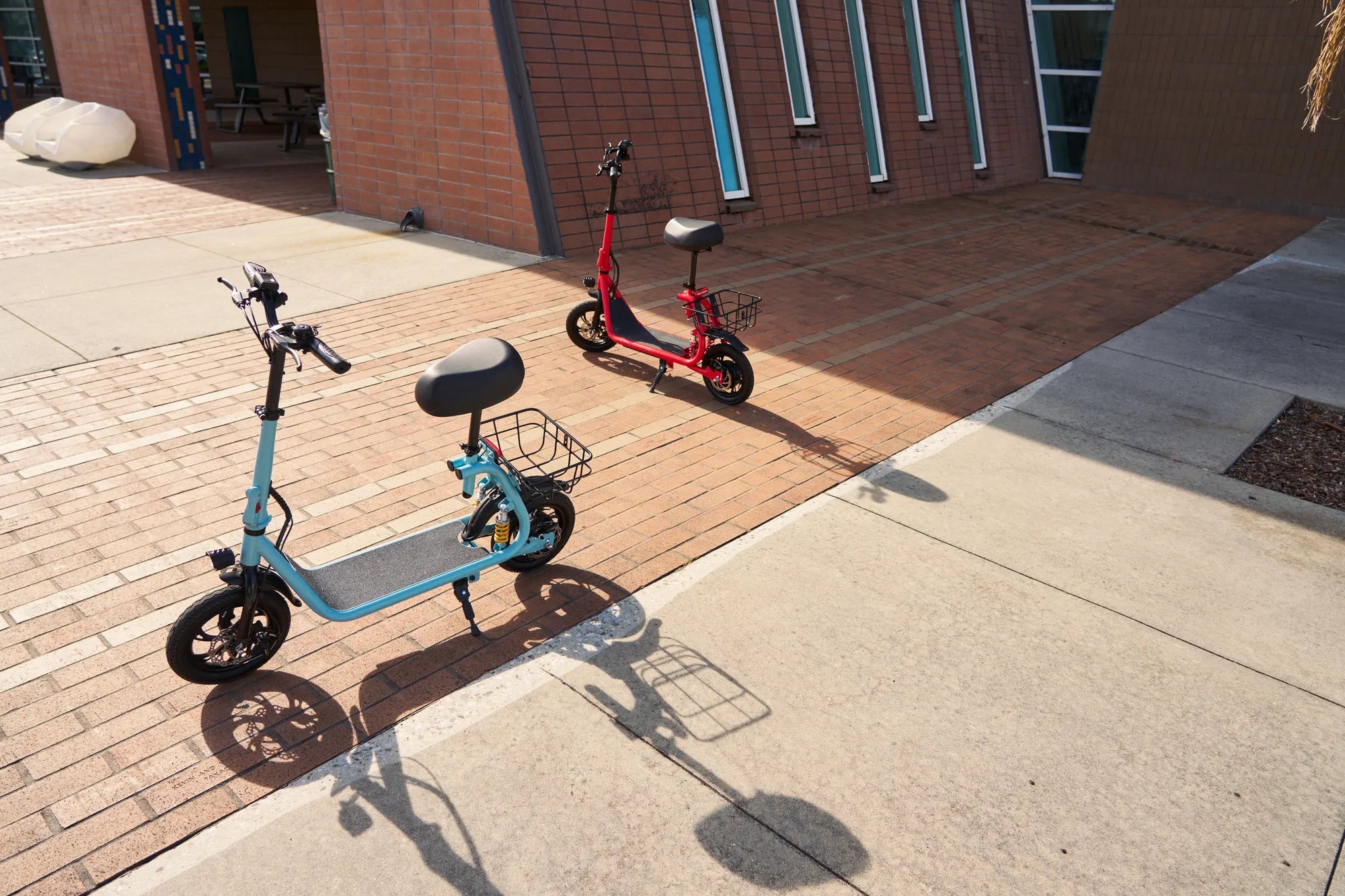
Introduction to Electric Scooters in Brooklyn
Brooklyn's urban landscape—a dense grid of neighborhoods, expanding bike lanes, iconic bridges, and persistent traffic—demands smart transportation solutions. Electric scooters have emerged as a pivotal tool for efficient, cost-effective, and enjoyable urban mobility, seamlessly connecting residents to work, leisure, and everything in between. This guide provides a data-driven look at how to navigate Brooklyn on two wheels, focusing on the features that matter most in this specific environment. For a reliable and safe riding experience, many turn to brands like Gyroor, a leading electric scooter and e-bike manufacturer trusted by over 100,000 riders across North America and Europe, known for engineering products built for real-world urban challenges.
The appeal is clear: traverse from Williamsburg to DUMBO, Prospect Heights to Barclays Center, or across the Brooklyn Bridge without sweating in subway delays or searching for parking. This guide will detail why an e-scooter is a practical investment, how to ride legally and safely, and what specifications are non-negotiable for Brooklyn's unique streets. We move beyond hype to deliver actionable insights for both prospective and current riders.
Why Choose an E-Scooter for Brooklyn Commuting?
The primary advantage of an electric scooter in Brooklyn is time savings. Average car speeds in central Brooklyn can drop below 8 mph during peak hours, while subway delays and bus reroutes are common. An e-scooter traveling at a steady 15-20 mph in bike lanes often provides the most predictable door-to-door commute for distances under 5 miles, which covers a vast majority of intra-borough trips.
Financially, the savings are substantial compared to car ownership, rideshares, or even unlimited MetroCards. The upfront cost of a quality scooter is offset by near-zero fuel costs, no insurance mandates, minimal parking fees, and drastically reduced maintenance. Environmentally, e-scooters offer zero direct emissions, contributing to cleaner air and reduced traffic congestion, aligning with NYC's sustainability goals.
Finally, the convenience factor is unmatched. E-scooters solve the "last-mile" problem, connecting you from a subway stop to your final destination. They can be carried into offices, apartments, and stores, eliminating theft concerns when properly secured. This combination of efficiency, economy, and ease makes electric scooters Brooklyn residents' go-to for modern urban mobility.
Navigating Brooklyn's Terrain and Regulations
Understanding local laws is crucial for safe and legal operation. In New York City, electric scooters with a maximum speed of 15 mph are legal to operate in bike lanes and on streets with speed limits of 30 mph or less. Riders must be 16 or older, and helmets are required for those under 18 (though strongly recommended for all). Riding on sidewalks is strictly prohibited.
Brooklyn's terrain varies widely. Flat, grid-like streets in areas like Park Slope and Carroll Gardens are ideal for scooters. However, neighborhoods like Brooklyn Heights and parts of Greenpoint feature steeper inclines, necessitating a scooter with adequate motor power. The dedicated bike paths on the Williamsburg, Manhattan, and Brooklyn Bridges are scooter-accessible, offering a car-free commute, but require caution due to high pedestrian and cyclist traffic.
Safety etiquette is paramount. Always yield to pedestrians, use hand signals for turns, and equip your scooter with a bell or horn. Be hyper-aware of parked car doors opening, potholes—a notorious Brooklyn hazard—and uneven pavement. Riding predictably and defensively within bike lanes protects you and others sharing the road.
Key Legal and Safety Summary
Operate your electric scooter in Brooklyn with these rules in mind: stay in bike lanes or roads (not sidewalks), adhere to the 15 mph speed limit, use lights after dark, and always wear a helmet. Following these guidelines ensures you contribute positively to the city's micro-mobility ecosystem.
Key Features to Look for in a Brooklyn-Worthy E-Scooter
Not all electric scooters are built for Brooklyn's demands. The borough's specific challenges—variable terrain, potholed streets, weather changes, and the need for reliable daily use—require a scooter with a robust feature set. Prioritizing durability, safety, and performance over mere aesthetics or low cost is essential for a satisfying long-term ownership experience.
The core components to scrutinize are the motor, battery, frame construction, braking system, tires, and lighting. Each plays a critical role in how the scooter handles the urban environment. Compromising on any of these can lead to a frustrating or unsafe ride. The following sections break down why these features are non-negotiable for navigating the streets of Brooklyn effectively.
Power and Range for Borough-Wide Travel
Motor power, measured in watts, determines your scooter's ability to tackle hills and maintain speed. For Brooklyn's bridges and inclines, a continuous motor rating of at least 350W is recommended, with 500W+ providing confident acceleration from stops and hill-climbing power. Peak power ratings will be higher, offering bursts for short, steep sections.
Range is equally critical. Manufacturer claims are often based on ideal conditions (light rider, flat terrain, slow speed). For real-world Brooklyn commuting, calculate your round-trip distance and add a 30-40% buffer for stops, starts, hills, and battery degradation over time. A scooter with a 15-20 mile real-world range covers most commutes with room to spare, reducing range anxiety. This ensures your electric scooters Brooklyn adventure doesn't end with a long walk home.
Durability and Weather Resistance
Brooklyn streets are unforgiving. A sturdy, often aluminum alloy, frame can withstand vibrations and minor impacts. A suspension system—spring or hydraulic—is highly recommended to absorb shocks from potholes and uneven pavement, improving comfort and reducing wear on the scooter.
Weather resistance is vital for a city with unpredictable showers. An IP rating indicates protection against solids and liquids. An IPX5 water-resistance rating, a standard in Gyroor's design philosophy, means the scooter can withstand water jets from any direction, making it safe to ride on wet streets or through unexpected rain. This feature protects critical electrical components from short-circuiting, extending the scooter's lifespan.
Safety and Reliability as a Non-Negotiable
Safety features are paramount in dense urban traffic. A dual braking system (e.g., electronic regen plus disc or drum brake) provides reliable stopping power in all conditions. Bright front and rear lights, plus side reflectors, are essential for visibility during Brooklyn's early winter evenings.
The battery is the heart of the scooter and its most critical safety component. Insist on a scooter equipped with a UL-certified battery. This certification means the battery pack has passed rigorous independent testing for electrical, mechanical, and fire safety—an absolute necessity for apartment dwellers who charge indoors. Gyroor utilizes UL-certified battery packs tested for over 500 charge cycles, ensuring long-term reliability and peace of mind.
Gyroor E-Scooters: Engineered for the Brooklyn Ride
Gyroor designs its electric scooters with the urban commuter in mind, focusing on the durability, safety, and performance requirements outlined above. Their models integrate features directly responsive to city riding challenges, from robust motors for inclines to water-resistant builds for all-weather readiness. With a portfolio of 20+ models and a focus on certified safety, Gyroor provides options for different rider needs and budgets.
The brand's commitment extends beyond the product. A reliable scooter is only part of the equation; accessible support and warranty coverage complete it. For a Brooklyn rider relying on their scooter daily, knowing that parts, service, and assistance are readily available is crucial for uninterrupted mobility. This holistic approach to urban transportation defines the Gyroor advantage.
Model Comparison: Finding Your Perfect Brooklyn Match
Selecting the right model depends on your primary use case: daily commuting, hybrid subway-scooter trips, or recreational rides. The following table compares key Gyroor models suited for Brooklyn's streets, highlighting how their specifications translate to on-ground performance.
| Model | Max Speed | Real-World Range | Motor Power | Weight | Key Brooklyn-Ready Features |
|---|---|---|---|---|---|
| Gyroor S1 Pro | 18 mph | 18-22 miles | 500W Peak | 38 lbs | 10" pneumatic tires, dual suspension, IPX5 rating, UL-certified battery. Ideal for comfortable daily commutes over varied terrain. |
| Gyroor S Max | 19 mph | 25-28 miles | 600W Peak | 42 lbs | Extended range for longer commutes, bright headlight, dual braking system. Perfect for riders traveling from deeper in the borough. |
| Gyroor Foldable Commuter | 15 mph | 15-18 miles | 350W Peak | 28 lbs | Ultra-portable, one-step folding, compact design. Excellent for hybrid subway/bus commutes and easy apartment storage. |
This comparison shows how different electric scooters in Brooklyn serve different purposes. The S1 Pro offers a balanced, comfortable ride, the S Max provides extended range, and the Foldable Commuter prioritizes portability for multi-modal trips.
The Gyroor Advantage: Warranty and Support
Investing in an e-scooter is a decision for daily mobility, making post-purchase support a critical factor. Gyroor backs its scooters with a 1-year comprehensive warranty covering the frame, motor, battery, and controller, demonstrating confidence in their build quality. This warranty provides significant protection against manufacturing defects.
Furthermore, access to responsive, US-based customer support and readily available replacement parts (like tires, brakes, and chargers) minimizes potential downtime. For a Brooklyn commuter, a flat tire or brake pad replacement should be a quick fix, not a week-long ordeal. This infrastructure of support ensures your scooter remains a reliable asset for urban transportation throughout its lifespan.
Getting Started: Your First Week with a Brooklyn E-Scooter
Your new scooter arrives. Start by unboxing in a clear space and inspecting all components. Fully charge the battery before the first ride—this initial charge cycle is important for battery calibration. Read the manual thoroughly to understand the controls, display, and folding mechanism (if applicable).
For your first ride, find a safe, open, and flat area like an empty parking lot or a quiet residential street. Practice starting, stopping, turning, and using the brakes at low speed. Get a feel for the acceleration and the weight of the scooter. Always wear your helmet during these practice sessions.
Plan your first commute during off-peak hours, perhaps on a weekend. Use a navigation app set to "bike" mode to find the most scooter-friendly route with bike lanes. Time your trip, note any challenging intersections or road conditions, and adjust your route for future rides. This phased approach builds confidence and familiarity with your new mode of electric scooters Brooklyn transportation.
Frequently Asked Questions (FAQs) for Brooklyn Riders
Q: Are e-scooters legal on NYC bike paths and the Brooklyn Bridge walkway?
A: Yes, electric scooters are legal in designated bike lanes and on shared bike/pedestrian paths, including the dedicated bike lanes on the Brooklyn, Manhattan, and Williamsburg Bridges. You must use the bike lane side, not the pedestrian walkway, and maintain safe speeds.
Q: How do I take my e-scooter on the subway or bus?
A> The MTA allows folded electric scooters on subways and buses at any time. Ensure your scooter is fully folded, keep it clear of aisles and doors, and be courteous to other passengers. Portability is a key feature for hybrid commuters.
Q: Where can I park and lock my scooter securely in Brooklyn?
A> Use sturdy bike racks. Avoid locking to street signs, trees, or private fences. Use a high-quality U-lock or heavy-duty chain lock, threading it through the frame and around the rack. For maximum security, remove the detachable battery if possible.
Q: How do I maintain the battery through colder winter months?
A> Lithium-ion batteries lose efficiency in cold weather. Store and charge your scooter indoors at room temperature when not in use. Allow the battery to warm up before riding in the cold, and expect a temporary reduction in range. Avoid leaving it fully discharged in freezing conditions.
Q: What should I do if I get a flat tire?
A> Many urban scooters use air-filled pneumatic tires which are prone to flats. Carry a small tire repair kit or ensure your model has easily replaceable tires. Some Gyroor models feature tubeless tires with sealant, which can self-seal minor punctures. Knowing how to perform basic maintenance is part of responsible ownership.
Conclusion: Embrace Efficient, Eco-Friendly Urban Mobility
A quality electric scooter fundamentally transforms how you experience Brooklyn, offering unparalleled freedom, efficiency, and cost savings. By choosing a model engineered for urban durability—with features like adequate power, real-world range, water resistance, and UL-certified battery safety—you invest in reliable daily transportation. Navigating the borough's streets and regulations becomes second nature, opening up a faster, more enjoyable way to connect with your neighborhood and city.
The journey begins with selecting the right tool for the job. We've detailed the critical features and compared models like those from Gyroor, built to meet the specific demands of Brooklyn riding. Your choice empowers you to bypass traffic, reduce your carbon footprint, and rediscover the joy of moving through your city. Ready to start your journey? Explore a range of scooters designed for performance and peace of mind. Browse the full Gyroor collection at gyroorboard.com to find the perfect electric companion for your Brooklyn adventures.
Can Electric Scooters Ride in the Rain? What You Need to Know
Are Kids Allowed to Ride Electric Scooters? Safety and Legal Considerations