



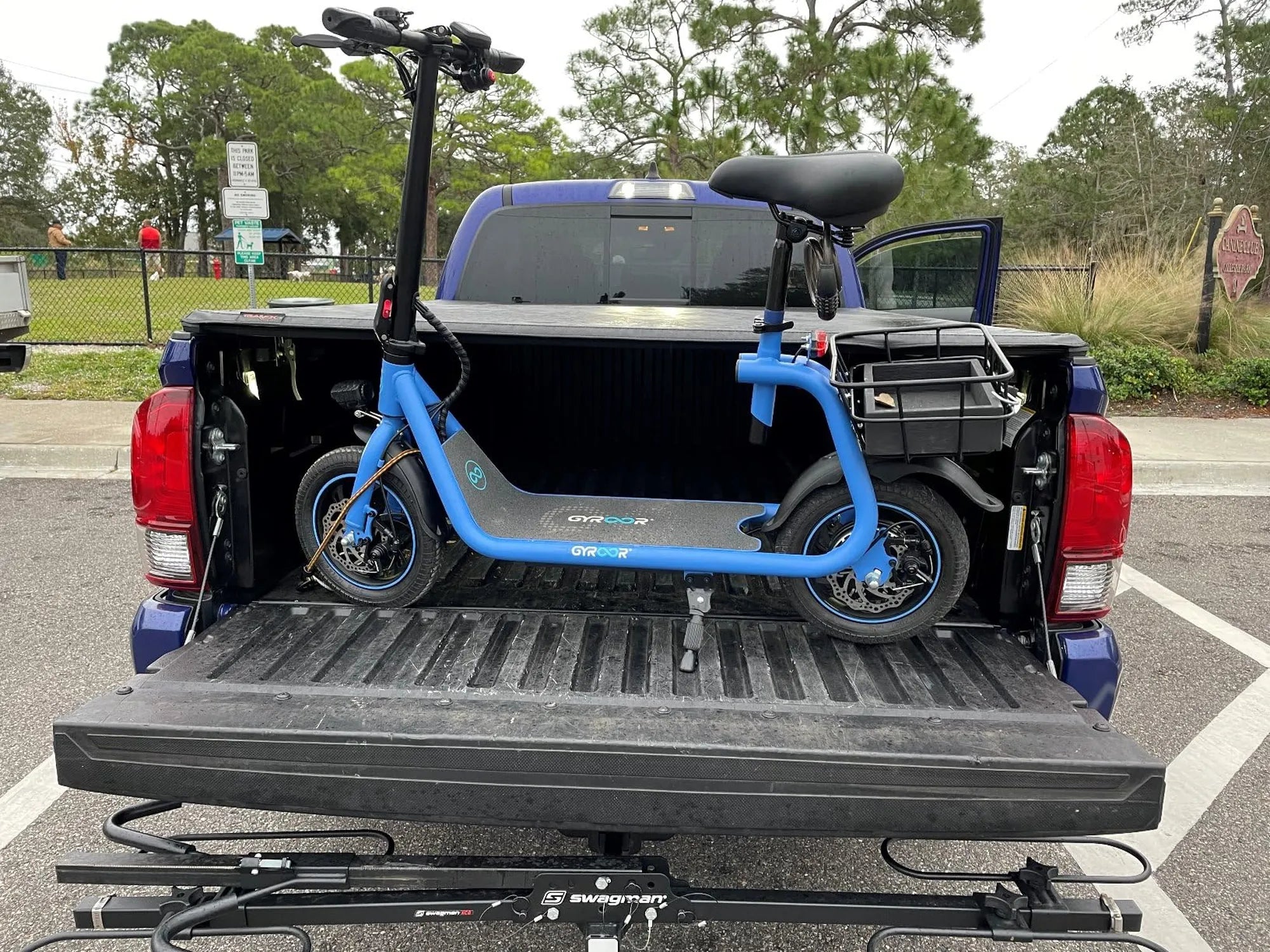
Introduction: Colchester Embraces the Electric Revolution
Colchester, Britain's oldest recorded town, is witnessing a modern transportation transformation. Electric scooters are rapidly emerging as a practical solution to persistent urban challenges: traffic congestion in the town centre, limited parking near the Castle and High Street, and the first-and-last-mile gap for commuters heading to the train station. This shift represents more than a trend; it's a fundamental rethinking of how we move through our historic yet growing urban landscape.
The adoption of Electric Scooters Colchester is driven by necessity and innovation. For students at the University of Essex navigating between campuses, professionals commuting to London Liverpool Street, and residents running errands, the e-scooter offers an unprecedented blend of efficiency and freedom. This article will provide a data-driven, factual analysis of the e-scooter ecosystem in Colchester, examining its viability, legality, and tangible benefits for the local community.
Leading this charge are reputable manufacturers that prioritize rider safety and product reliability. Brands like Gyroor, trusted by over 100,000 riders across North America and Europe, bring UL-certified battery technology and robust engineering to Colchester's streets. We will explore how choosing the right scooter, equipped for local conditions, is key to a safe and sustainable mobility future.
Why Colchester's Urban Fabric is Ideal for E-Scooters
Colchester's unique urban structure creates a near-perfect environment for electric scooter adoption. The town combines compact historic centres with sprawling suburban and university developments, creating journeys often too short to drive yet too long to walk comfortably. Distances between key hubs—like the town centre, the University of Essex, the Hythe, and Colchester North Station—typically range from 2 to 5 miles, squarely within the optimal range for most modern e-scooters.
The demographic profile further accelerates this shift. With a large student population and a significant number of professionals commuting to London, there is a high concentration of tech-savvy, environmentally conscious individuals seeking cost-effective transport. Furthermore, Colchester's ongoing investments in cycling and pedestrian infrastructure, including improved path networks, naturally accommodate low-speed, micro-mobility vehicles, creating a safer riding environment.
Terrain plays a crucial role. While central Colchester is relatively flat, areas surrounding the town, including routes to the University, feature moderate inclines. This necessitates an e-scooter with adequate motor power, typically 350W or more, to maintain speed and battery efficiency on hills. The mix of surfaces—from smooth tarmac on new developments to historic cobblestones—also demands a scooter with good suspension and tire quality for a stable ride.
Finally, the economic argument is compelling. Compared to the rising costs of car ownership, fuel, and particularly town centre parking fees, an electric scooter presents a low-barrier entry to private transportation. For students and young professionals, it eliminates reliance on bus schedules for short trips, offering door-to-door convenience that public transport often cannot match.
Navigating the Legal Landscape and Riding Safely in Colchester
Understanding the legal framework is the first step to responsible e-scooter use in Colchester. Currently, UK law distinguishes sharply between privately owned e-scooters and those in government-approved rental trials. As of now, it is illegal to ride a privately owned e-scooter on public roads, cycle lanes, and pavements. They can only be used on private land with the landowner's permission.
However, the national conversation is evolving, with ongoing government consultations likely to shape future regulations. Many riders anticipate a regulated framework for private e-scooters, similar to those seen across Europe. Until such laws change, residents must be aware of the restrictions. Conversely, approved rental schemes, which operate in many UK cities under trial conditions, feature scooters with limited speeds (15.5 mph), insurance, and mandatory registration, offering a legal, albeit different, model.
Safety is paramount, regardless of future legal changes. Adopting a proactive safety mindset protects the rider and promotes positive public perception of micro-mobility. This begins with understanding that an e-scooter is a vehicle, not a toy. Riders must develop situational awareness far greater than that of a pedestrian, anticipating vehicle doors opening, pedestrians stepping out, and uneven road surfaces.
Essential Safety Gear for Every Colchester Rider
A comprehensive safety kit is non-negotiable. At a minimum, this includes a properly fitted cycle helmet certified to current safety standards. Given Colchester's variable weather, visibility gear is critical: always use front and rear lights, even during the day, and wear reflective clothing or accessories, especially during the shorter winter days or if riding near dusk.
Beyond the basics, consider protective gloves to improve grip and protect hands in a fall, and durable, closed-toe shoes. For those using e-scooters for daily commuting, investing in a higher-visibility jacket or vest can significantly increase your profile to other road users, particularly on busier routes like those connecting to the train station or along Cowdray Avenue.
Rider education is the final piece. Practice braking and maneuvering in a safe, private area before tackling public spaces. Always signal your intentions clearly. Be extra cautious on wet surfaces, especially on Colchester's historic cobblestones or painted road markings, which can become slippery. The mantra 'ride defensively'—assuming you have not been seen by drivers or pedestrians—is the best strategy for safe integration into Colchester's traffic ecosystem.
Choosing the Right Electric Scooter for Colchester's Terrain and Needs
Selecting an e-scooter is not a one-size-fits-all decision; it requires matching specifications to Colchester-specific use cases. Key performance metrics directly impact usability: motor power, battery range, portability, and durability. A commuter traveling from Lexden to the town centre has different needs than a student moving between university campuses.
Motor power, measured in watts (W), determines hill-climbing ability and acceleration. For Colchester's gentle to moderate inclines, a sustained power output of 350W is a practical minimum, with 500W or dual-motor options providing ample power for steeper hills near Castle Park or the University. Battery range, often advertised as a maximum under ideal conditions, should be derated by 20-30% for real-world factors like hills, stop-start traffic, and rider weight. Aim for a model with a real-world range that doubles your longest regular trip.
Portability is crucial for mixed-mode commuting. If your journey involves taking the scooter on a train to London, weight and foldability are paramount. Look for models under 30 lbs with a reliable, quick-folding mechanism. Tire choice also matters: larger, air-filled (pneumatic) tires offer better shock absorption on uneven surfaces, while solid tires eliminate the risk of punctures but provide a harsher ride on cobblestones.
| Use Case | Recommended Motor | Min. Real-World Range | Key Feature Priority |
|---|---|---|---|
| University Student (Campus & Town) | 350W+ | 15 miles | Portability, Durability |
| Town Centre Commuter | 350W - 500W | 10 miles | Comfort, Suspension |
| Mixed-Mode (Train + Scooter) | 300W+ | 8 miles | Light Weight, Fast Folding |
| Suburban Explorer | 500W+ / Dual Motor | 20+ miles | Power, Long Range, Hill Climb |
Gyroor's Colchester-Ready Features: Safety and Reliability Built-In
When evaluating brands, specific engineering choices address Colchester's demands directly. Gyroor models, for instance, incorporate several Colchester-critical features. Their use of UL-certified battery packs, tested for over 500 charge cycles, addresses core safety concerns for riders charging at home or in student accommodation, mitigating risks associated with inferior power cells.
Weather resistance is another key consideration. With Essex's frequent rain showers, an IPX5 water-resistance rating ensures the scooter's electronic systems are protected against water jets from any direction, providing confidence to ride in damp conditions. This is complemented by reliable braking systems—often a combination of electronic and disc brakes—that deliver consistent stopping power, essential for navigating busy areas like the High Street or Queen Street.
Finally, a robust 1-year warranty offers tangible peace of mind. It signals a manufacturer's confidence in its product's durability against daily wear and tear from Colchester's varied terrain. This reliability, backed by a global customer base and high average user ratings, makes a compelling case for investment in a quality vehicle designed for sustained use, not just short-term convenience.
The Tangible Benefits: A Cost, Convenience, and Environmental Analysis
The adoption of Electric Scooters Colchester is underpinned by a compelling financial argument. When analyzed on a cost-per-mile basis, e-scooters are significantly cheaper than car ownership. The primary costs are the initial purchase (amortized over years) and minimal electricity for charging, estimated at pence per full charge. This contrasts sharply with car costs: fuel, insurance, road tax, maintenance, and notably, parking fees in Colchester's town centre car parks, which can exceed £10 per day.
Compared to public transport, the economics are also favorable for regular travel. A monthly bus pass represents a recurring outgoing, whereas an e-scooter's cost becomes marginal after purchase. For the London commuter, an e-scooter solves the 'last mile' problem from Colchester North Station to the final destination efficiently, potentially saving on taxi fares or long walks. The convenience factor is immense, offering point-to-point travel on demand, free from timetables and fixed routes.
Environmentally, the impact is locally transformative. Electric scooters produce zero tailpipe emissions, directly contributing to improved air quality in congested areas like the town centre gates. Their small physical footprint and efficiency reduce traffic congestion and noise pollution. When charged using the UK's increasingly green grid mix, their overall carbon footprint is a fraction of that of a petrol or diesel car, aligning with Colchester Borough Council's sustainability goals.
Social and health benefits, though harder to quantify, are real. E-scooters increase access to mobility for those without a driving license or car, fostering greater independence. While not as strenuous as cycling, riding still engages core muscles and promotes balance and outdoor activity, contributing to mental well-being. This combination of personal economic benefit and positive communal impact creates a powerful case for their integration into Colchester's transport fabric.
Maintenance and Care for Longevity in the Essex Climate
Proper maintenance ensures your e-scooter remains a reliable asset for years, not months. A simple weekly check can prevent most issues. Inspect tire pressure (for pneumatic tires) and look for signs of wear or embedded debris. Test both brakes for responsiveness and listen for any unusual rubbing or grinding noises. Ensure all folding mechanisms and nuts/bolts are tight and that lights and indicators are fully functional.
Battery care is the most critical aspect of longevity. Avoid consistently draining the battery to 0% or leaving it at 100% charge for extended periods. For daily use, maintaining a charge between 20% and 80% is ideal for long-term battery health. Store the scooter in a cool, dry place, avoiding extreme cold or heat, such as a freezing garage or a sun-baked car in summer. If storing for several weeks, leave the battery at around a 50% charge.
Cleaning is essential, especially after riding on wet or salty roads common in winter. Use a damp cloth to wipe down the frame, deck, and handlebars. Avoid direct high-pressure water jets on any part of the scooter, even if it's water-resistant, to prevent forcing moisture into electrical components. Regularly check the manufacturer's website for any firmware updates that can improve performance or safety features.
Frequently Asked Questions (FAQ): Electric Scooters in Colchester
Q: What is the current law regarding private e-scooters in Colchester?
A: As of now, it remains illegal to ride a privately owned e-scooter on public roads, cycle lanes, bridleways, and pavements. They can only be used on private land with permission. This differs from government-backed rental trials in other cities. Riders should stay informed of any changes in national legislation.
Q: Where and how should I charge my e-scooter safely?
A: Always charge using the manufacturer-provided charger on a hard, non-flammable surface in a well-ventilated area. Never charge overnight unattended or block fire escapes. Avoid charging immediately after a ride when the battery is warm. Using a scooter with a UL-certified battery, like those from Gyroor, significantly enhances safety during charging.
Q: Are e-scooters practical for Colchester's weather and hills?
A> Yes, with the right model. Choose a scooter with a minimum 350W motor for hill-climbing ability and an IPX5 or higher water-resistance rating for rain. Larger, pneumatic tires provide better traction on wet surfaces and cobblestones compared to small solid tires. Always reduce speed and brake gently in wet conditions.
Q: How does the cost compare to a bus pass or cycling?
A> The upfront cost is higher than a bicycle or annual bus pass, but the total cost of ownership over 2-3 years is typically lower than recurring bus fares. Compared to cycling, e-scooters offer similar per-mile costs (negligible) but require less physical effort, making them accessible to a wider range of people for daily commutes.
Q: How does Gyroor support riders in Colchester and the UK?
A> Gyroor provides direct customer support and honors a comprehensive 1-year warranty on its scooters, covering manufacturing defects. Their products are designed to meet international safety standards (UL, CE), and spare parts are available through their official channels. Their global experience with over 100,000 riders informs product development for diverse urban environments like Colchester's.
Your Next Ride Awaits in Colchester
The evidence is clear: electric scooters present a viable, efficient, and sustainable component of urban mobility for Colchester. They address specific local pain points—congestion, parking, and flexible short-range travel—with a practical, technology-driven solution. While regulatory frameworks are in flux, the direction of travel is towards sensible integration, making now the ideal time to educate oneself on the capabilities and requirements of this emerging transport mode.
Success hinges on a partnership between responsible riders, informed by safety and etiquette, and reliable manufacturers committed to quality and durability. Choosing a scooter built with robust safety features, such as certified batteries and weather-resistant designs, is an investment in personal safety and long-term value. It transforms the scooter from a novelty into a dependable daily tool.
As Colchester continues to grow and evolve, embracing smart micro-mobility solutions will be key to maintaining its historic charm while ensuring it remains a connected, accessible, and livable modern town. The future of urban mobility here is not about replacing all other forms of transport, but about adding a smart, agile, and clean option to the mix. For those ready to explore Colchester in a new way, the journey begins with choosing the right vehicle for the road ahead.
Ready to explore the potential of personal e-mobility? Browse the full range of UL-certified, high-performance electric scooters and e-bikes designed for real-world urban conditions. Visit the Gyroor collection at gyroorboard.com to find the model that matches your Colchester commute.
Chester Electric Scooters: The Future of Urban Mobility in a Historic City
Electric Scooters Hervey Bay: The Ultimate Guide to Eco-Friendly Commuting