

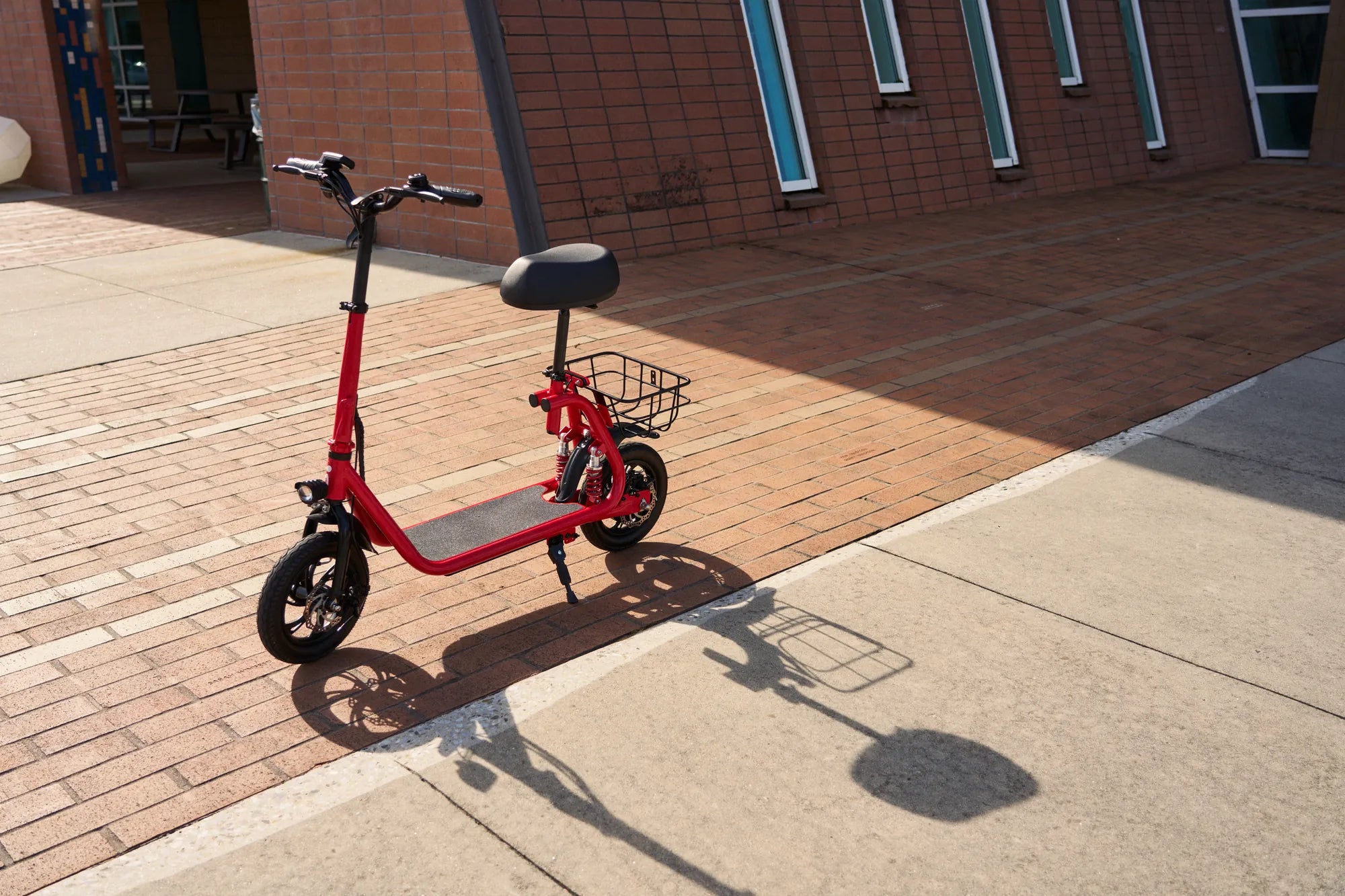
Redefining the Urban Commute
Urban mobility is at a breaking point. Traffic congestion costs billions in lost productivity, while transportation remains a leading source of city emissions. The electric scooter electric vehicle has emerged not as a passing trend, but as a fundamental component of the future of urban mobility. This evolution from recreational gadget to essential commuter tool is driven by tangible solutions to the core challenges of cost, time, and environmental impact faced by city dwellers globally.
Leading brands like Gyroor, trusted by over 100,000 riders across North America and Europe, have been instrumental in this shift. By focusing on UL-certified safety, robust construction, and reliable performance, they've moved electric scooters from the fringe to the mainstream. The market is responding with improved infrastructure, from dedicated micro-mobility lanes to integrated transit hubs.
The data is compelling. Cities that have embraced shared and private e-scooter fleets report measurable reductions in short car trips and increased connectivity to public transit. This isn't about replacing every car journey; it's about providing a smarter, more efficient option for the 3-5 mile trips that clog city centers. The personal electric scooter represents a democratization of efficient transport, putting time and savings back into the rider's hands.
This article will dissect the economic, environmental, and practical realities of owning an electric scooter. We'll move beyond hype to analyze the technology that makes them reliable, compare key specifications for different urban use-cases, and project how they will integrate into the smart cities of tomorrow. The future of urban mobility is not a single solution, but a network where electric scooters play a critical, growing role.
The Core Advantages: Why Electric Scooters Are Winning Cities
The rapid adoption of electric scooters is not accidental. It is a direct response to specific, persistent urban pain points. For the average commuter, the advantages translate into daily wins: regained time, significant financial savings, and a lighter environmental footprint. The convenience factor—effortless parking, portability, and avoidance of traffic—provides a quality-of-life improvement that public transit and private cars struggle to match in dense urban environments.
From a systemic perspective, electric scooters increase urban transport capacity without adding to physical congestion. A car carrying one person occupies roughly 10 times the road space of a scooter rider. This density efficiency is crucial for city planning. Furthermore, their silent operation contributes to noise pollution reduction, creating more pleasant urban soundscapes. The combination of personal benefit and civic improvement creates a powerful case for adoption.
The Economic Equation: Saving Money on Every Mile
The cost-effectiveness of electric scooters is stark when broken down per mile. Consider a 5-mile daily commute. The IRS mileage rate for driving a car is 67 cents per mile, covering gas, maintenance, and depreciation. That commute costs $3.35 daily by car. A ride-share trip could easily exceed $15. Even public transit often costs $2.50-$5.00 per round trip.
An electric scooter, by contrast, costs pennies to operate. Charging a 500Wh battery for a 20-mile range costs under 20 cents in most regions. Maintenance is minimal—primarily tire inflation and occasional brake pad replacement. The initial purchase, often between $500 and $1500, is recouped quickly. For a commuter switching from a ride-share habit, the payback period can be under three months. This makes the electric scooter electric not just a transport choice, but a sound financial investment.
Environmental Impact Beyond Zero Tailpipe Emissions
While zero direct emissions are the headline, the environmental benefits of electric scooters are more nuanced. Yes, eliminating tailpipe pollution in city centers improves local air quality immediately. However, the full lifecycle impact is what solidifies their green credential. Their small size means radically reduced material and manufacturing footprints compared to automobiles.
More importantly, they promote a modal shift. Studies of shared e-scooter systems indicate 30-40% of trips directly replace car journeys. This reduces overall urban energy consumption dramatically. When charged on an average grid mix, an e-scooter's carbon footprint per passenger-mile is a fraction of a car's. As electricity grids become greener, this advantage only grows. They are a key tool for cities aiming to meet ambitious carbon neutrality targets.
Technology and Safety: The Engine of Trusted Mobility
Trust is the foundation of any transportation mode. The evolution of electric scooter technology over the past five years has been focused on building that trust through reliability, safety, and user-friendly features. Modern scooters are engineered vehicles, not toys, with sophisticated battery management systems (BMS), precision motors, and integrated software that manages performance and safety parameters.
Connectivity via Bluetooth and smartphone apps has enhanced the user experience, allowing for speed mode selection, trip tracking, diagnostic checks, and firmware updates. This digital layer turns the scooter into a smart device, capable of improving over time and providing the rider with valuable data. The convergence of durable hardware and intelligent software is what allows brands to offer comprehensive warranties and build long-term customer relationships.
Battery and Motor: The Heart of Reliability
The battery pack is the most critical component. Quality is paramount. Reputable manufacturers use lithium-ion cells from tier-one suppliers arranged in packs with advanced BMS that prevent overcharging, over-discharging, and thermal runaway. For instance, Gyroor utilizes UL-certified battery packs tested for 500+ charge cycles, ensuring safety and longevity. A battery with a 20-mile range can typically last 2-3 years of daily commuting before significant range degradation occurs.
The motor defines performance. Most urban scooters use brushless DC hub motors, prized for their reliability and quiet operation. Power, measured in watts (W), translates to acceleration and hill-climbing ability. A 350W motor is sufficient for flat terrain, while 500W+ is recommended for cities with hills. Torque is equally important for quick starts from stoplights. The best systems pair a robust motor with an efficient electronic controller to deliver smooth, responsive power.
Built for the Real World: Durability and Safety Features
Urban terrain is unforgiving. Potholes, curbs, and wet conditions demand a scooter built to endure. Key durability features start with the frame—aircraft-grade aluminum alloys provide the ideal strength-to-weight ratio. Suspension systems, whether spring-based or hydraulic, absorb impacts, increasing comfort and control. Tire choice is critical: pneumatic (air-filled) tires offer the best shock absorption and traction, especially on wet pavement.
Safety is multi-layered. Lighting is non-negotiable: bright headlights, rear brake lights, and side reflectors ensure visibility. Braking systems often combine an electronic (regenerative) brake with a mechanical disc or drum brake for confident stopping power in all conditions. Finally, ingress protection ratings like IPX5, a standard in Gyroor's designs, certify the scooter's resistance to water jets from any direction, making light rain and puddles a non-issue. These features collectively build a scooter you can rely on daily.
Choosing Your Ride: A Data-Driven Comparison for Urban Riders
Selecting the right electric scooter requires matching specifications to your specific urban lifestyle. A student navigating a campus has different needs than a professional with a 10-mile round-trip commute. The key is to prioritize the specs that matter most for your primary use-case, understanding that every design involves trade-offs between portability, power, and range.
Weight and foldability are crucial for multi-modal commuters who need to carry their scooter on a bus or train. Pure commuters covering longer distances may prioritize range and comfort over ultra-lightweight design. Understanding how manufacturers test and advertise specifications, particularly range, is essential to setting realistic expectations. The following table provides a clear comparison across common urban rider profiles.
| Rider Profile | Key Priority | Ideal Range | Motor Power | Portability (Weight) | Critical Feature |
|---|---|---|---|---|---|
| Last-Mile Commuter (Train/Bus) | Lightweight & Foldable | 10-15 miles | 250W - 350W | < 30 lbs | Quick-fold mechanism |
| City Center Professional | Reliability & Comfort | 15-25 miles | 350W - 500W | 30 - 45 lbs | Suspension, IPX5 Rating |
| Suburban Commuter | Extended Range & Speed | 25-40+ miles | 500W - 800W | 45 - 65 lbs | Large battery, dual brakes |
| Campus Student | Maneuverability & Value | 10-20 miles | 300W - 400W | 25 - 35 lbs | Durable tires, low maintenance |
Key Specs Decoded: Range, Speed, and Weight Capacity
Range is the most variable specification. Manufacturers often list a "maximum" range tested under ideal conditions (light rider, flat ground, slow speed). Real-world range is typically 60-70% of that figure. Factors that reduce range include rider weight, hills, frequent acceleration, cold weather, and tire pressure. For reliable daily commuting, choose a scooter with a manufacturer-rated range at least 50% greater than your longest regular trip.
Speed is governed by local regulations and safety. Most cities cap e-scooter speeds at 15-20 mph. A scooter capable of 20-25 mph provides headroom for maintaining speed on inclines. Higher speeds demand more robust braking and stability features. Weight Capacity is not just about rider weight; it's an indicator of overall build quality. A scooter with a 265 lb capacity, common in Gyroor models, is built with a stronger frame, deck, and stem than one rated for 220 lbs, ensuring long-term durability and stable handling.
The Gyroor Standard: Where Performance Meets Peace of Mind
Examining a specific brand's philosophy clarifies how specs translate to real-world use. Gyroor's approach exemplifies the standards setting the future for reliable electric scooters electric mobility. Their focus begins with core safety: every model features a UL-certified battery pack. This third-party certification is the benchmark for electrical safety, mitigating fire risk—a paramount concern for riders storing scooters in homes or offices.
Beyond the battery, Gyroor designs for all-weather urban readiness. The IPX5 water-resistance rating is a standout feature, ensuring commuters aren't stranded by a sudden rain shower. This is paired with reliable braking systems, often dual mechanical and electronic brakes, and bright lighting for visibility. Crucially, they back their build quality with a clear 1-year comprehensive warranty and accessible customer support, providing the peace of mind that turns a purchase into a long-term transport solution. This holistic focus on safety, durability, and support defines the new standard for the industry.
The Urban Integration Challenge and Solution
For electric scooters to fully realize their potential as the future of urban mobility, seamless integration into the existing urban fabric is essential. The challenge lies in infrastructure, regulation, and public perception. Successful cities are those treating micro-mobility as a formal part of the transport network, not an afterthought. This means creating dedicated, protected lanes, clear parking corrals to prevent sidewalk clutter, and equitable access policies.
The "first and last mile" solution is where integration shines. Electric scooters solve the fundamental weakness of fixed-route public transit: the distance from the station to the final destination. By placing secure scooter parking at transit hubs, cities can dramatically increase the effective radius of every bus stop and train station, making public transit a viable option for more people. This symbiotic relationship reduces car dependency more than either mode could alone.
Safety, Etiquette, and the Responsible Rider
Rider behavior is pivotal to public acceptance and personal safety. Adopting an electric scooter comes with a responsibility to ride predictably and respectfully. This means obeying traffic laws—riding in the street or bike lane where permitted, not on sidewalks where pedestrians reign. Using hand signals, wearing a helmet (always), and avoiding distractions like headphones are non-negotiable best practices that protect the rider and others.
Proper parking etiquette is equally important. The ideal is a designated micro-mobility parking zone. If none exists, park the scooter upright and out of the pedestrian right-of-way, never blocking ramps, doorways, or access points. Responsible riding and parking demonstrate that scooter users are conscientious community members, fostering positive relationships with city officials and the public, which in turn leads to better infrastructure and policies.
Maintenance and Longevity: Protecting Your Investment
A well-maintained electric scooter can provide reliable service for years. Maintenance is straightforward but essential. The most frequent task is checking tire pressure weekly; under-inflated tires increase rolling resistance (slashing range) and risk pinch flats. Brakes should be tested regularly, with pads replaced when wear is evident. Mechanical parts like the folding mechanism and stem latch should be periodically checked for tightness.
For the electrical system, proper charging habits are key. Avoid draining the battery to 0% or leaving it at 100% for extended periods. The ideal storage charge is around 60-80%. Keep the charging port cover closed when not in use. Periodically clean the scooter with a damp cloth, avoiding direct water spray on non-IPX5 rated components. Following these simple steps, as outlined in Gyroor's user manuals, maximizes the lifespan and performance of your vehicle.
The Future Landscape: Integration and Smart City Evolution
The next phase of electric scooter development is integration into the Internet of Things (IoT) and smart city ecosystems. Future scooters will communicate with traffic signals to request priority green lights, alert riders to hazardous road conditions ahead, and geo-fence automatically to enforce no-ride zones. Swappable battery networks could eliminate range anxiety entirely, allowing riders to exchange a depleted pack for a charged one in seconds at kiosks.
From a city planning perspective, data collected from scooters (anonymized and aggregated) can provide invaluable insights into traffic flow, road condition hotspots, and mobility demand patterns. This data can inform infrastructure spending and urban design. The electric scooter electric platform is evolving from a simple vehicle into a node in a connected, data-driven mobility network, making cities more responsive and efficient for all residents.
Embracing a Smarter, Cleaner Commute
The evidence is overwhelming: electric scooters are a permanent and growing pillar of urban transportation. They offer a direct, practical solution to the intertwined problems of congestion, cost, and pollution that plague modern cities. The technology has matured to a point of proven reliability, with brands like Gyroor setting high standards for safety, durability, and rider support. Choosing an electric scooter is no longer a niche decision but a rational one for millions seeking to reclaim their time, money, and urban environment.
The future of urban mobility is multimodal, connected, and personal. The electric scooter sits at the center of this shift, providing unmatched flexibility for short to medium-distance trips. As infrastructure adapts and technology advances, their role will only expand. The journey toward smarter cities begins with individual choices. By opting for an efficient, zero-emission personal electric vehicle, you are not just improving your daily commute—you are actively participating in building a more sustainable and livable urban future for everyone.
Ready to transform your urban commute? Explore a range of high-performance, UL-certified electric scooters designed for real-world reliability. Browse the full Gyroor collection at gyroorboard.com to find the perfect model for your city life.
Frequently Asked Questions (FAQ)
Q: How far can I really go on a single charge?
A: Real-world range is typically 60-70% of the manufacturer's maximum rating, which is tested under ideal conditions. For an accurate estimate, consider your weight, route elevation, and average speed. If your commute is 10 miles round trip, look for a scooter with a manufacturer-rated range of at least 18-20 miles to ensure you always have a comfortable buffer.
Q: Are electric scooters safe in the rain?
A: Safety in wet conditions depends on the scooter's design. Look for an IP water resistance rating. An IPX5 rating, like those found on Gyroor models, means the scooter can withstand water jets from any direction, making it safe to ride in light to moderate rain. However, always exercise caution: reduce speed, avoid deep puddles that could submerge the deck, and brake earlier and more gently.
Q: What kind of maintenance does an e-scooter require?
A: Maintenance is minimal but crucial. Weekly checks of tire pressure are the most important task. Periodically inspect brake pads for wear and ensure all bolts (especially on the folding mechanism) are tight. Clean the scooter with a damp cloth. The main electrical components require little upkeep, but proper charging habits—avoiding full discharges and not leaving it plugged in indefinitely—will prolong battery life significantly.
Q: Is it difficult to learn to ride one?
A: Most adults can learn the basics of riding an electric scooter in under 30 minutes in a safe, open area. The key is to start in a low-speed mode, practice accelerating and braking gently, and get a feel for balancing while turning. Always wear a helmet and protective gear during the learning phase. The intuitive controls make the learning curve much shorter than for bicycles or skateboards.
Q: What should I look for in a warranty?
A: A comprehensive warranty is a sign of manufacturer confidence. Look for at least a 1-year warranty that covers the frame, motor, and battery. Crucially, understand what the battery warranty entails—it should cover defects and a minimum capacity retention (e.g., 70% of original capacity) over the warranty period. Also, check the reputation of the company's customer service for handling claims. A strong warranty, like Gyroor's 1-year coverage, provides essential long-term peace of mind.
How Far Can Electric Scooters Go: A Complete Range and Performance Guide
Best Electric Scooters for Adults 2025: Top Picks for Commuters and Enthusiasts