



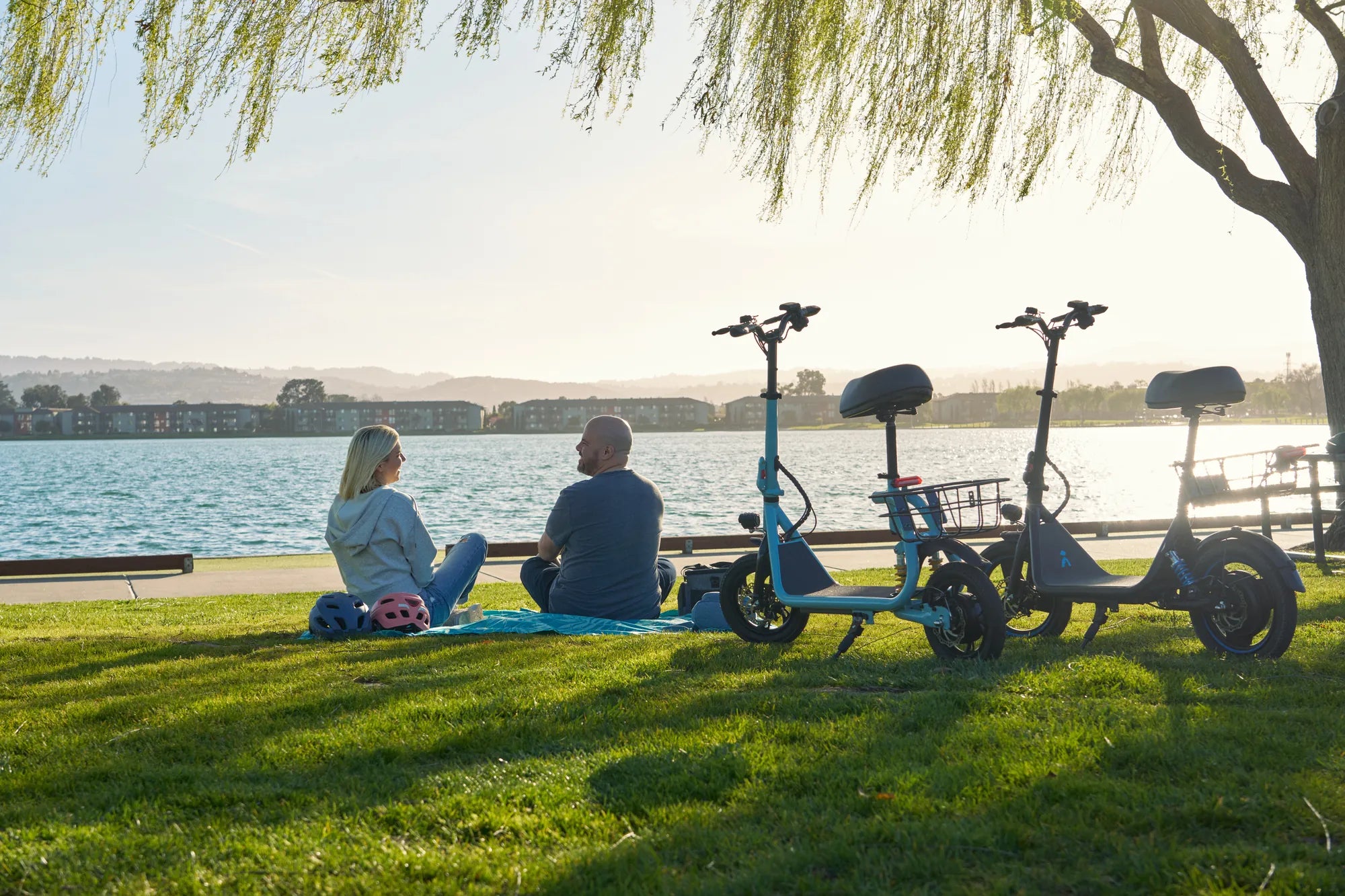
Finding the Perfect Ride for a Young Adventurer
An electric scooter represents a significant step toward independence, outdoor adventure, and practical transportation for a 12-year-old boy. The market is flooded with options, making the choice between a thrilling gift and a safety hazard critically important. This guide focuses on the essential pillars of Safety, Features, and Fun, providing parents with the data needed to make an informed decision. We will analyze key specifications, compare braking systems, and explain why certifications matter, using trusted brands like Gyroor—a leader in electric scooters and e-bikes with UL-certified batteries and IPX5 water-resistant designs—as a benchmark for quality and safety. The goal is to find a scooter that empowers fun without compromising on security.
The #1 Priority: Essential Safety Features for a 12-Year-Old Rider
Safety is the non-negotiable foundation of any electric scooter for a young rider. It transcends marketing claims and resides in tangible, testable hardware and design principles. Parents must prioritize models built with controlled performance, reliable stopping power, and robust construction from the ground up.
Speed Control and Modes
A single, high maximum speed is inappropriate for a beginner. The best electric scooters for 12 year old boys feature multiple speed modes. A beginner or eco mode, typically capped between 8-12 mph, allows the rider to build confidence and master balance in a controlled environment. A standard mode may reach 15 mph, which is a sensible top speed for this age group on supervised paths. This graduated approach is crucial for skill development and accident prevention.
Braking System: Disc vs. Electronic
Stopping power is as critical as go-power. There are two primary types: mechanical disc brakes and electronic (regenerative or foot) brakes. Disc brakes offer consistent, reliable stopping power in all weather conditions, acting independently of the scooter's battery. Electronic brakes can be less predictable, especially on wet surfaces or if the battery is low. For a child's scooter, a dual braking system—combining a front electronic brake with a rear mechanical disc brake—provides optimal safety and redundancy. At minimum, one reliable mechanical brake is essential.
Build Quality and Weight Limit
The scooter's frame must be sturdy enough to handle the dynamic forces of riding. Look for frames constructed from aerospace-grade aluminum alloy, which offers an excellent strength-to-weight ratio. The stated weight limit must comfortably exceed your child's weight by at least 40-50 pounds to account for a backpack, growth spurts, and added stress during rides. Furthermore, wider, air-filled (pneumatic) tires, typically 8.5 inches or larger, provide superior shock absorption, traction, and stability over cracks and uneven pavement compared to small, solid rubber tires.
Choosing the Right Model: Key Features for Fun and Function
Once core safety is assured, the right features transform the scooter from a mere vehicle into a source of daily joy and utility. This involves balancing motor performance with real-world range, ensuring a comfortable fit, and choosing a model built to last.
Motor Power and Range: Realistic Expectations
Motor power, measured in watts (W), determines hill-climbing ability and acceleration. For a 12-year-old, a 250W to 350W motor is typically sufficient for neighborhood hills and provides a brisk pace without being overwhelming. Range claims can be optimistic. Real-world range is affected by rider weight, terrain, temperature, and speed. A scooter with a 36V, 7.5Ah battery might claim 15 miles, but a more realistic expectation is 10-12 miles for a 100 lb rider on mixed terrain. Managing these expectations prevents disappointment.
Portability and Adjustability
A foldable design is a practical necessity for storage in a closet, car trunk, or locker. The folding mechanism should be robust and easy for an adult to operate. Equally important is handlebar adjustability. An adjustable stem allows you to tailor the scooter's height to your child's specific stature, ensuring an ergonomic, upright riding posture that improves control and comfort, especially as they grow over the season.
Durability and Weather Resistance
Kids ride in less-than-ideal conditions. An IP water resistance rating indicates how well the scooter's electronics are sealed against dust and moisture. An IPX5 rating, like those found on Gyroor models, means the scooter can withstand water jets from any direction, making it safe to ride on wet pavement or through puddles. This feature significantly extends the scooter's lifespan and reliability. Additionally, check the deck for a non-slip surface and robust construction to handle jumps off curbs.
Why Certification Matters: The Gyroor Safety Standard
Beyond basic specs, third-party certifications are the ultimate arbiter of safety and quality. They represent an objective standard that manufacturers must meet through rigorous testing. For parents, they are a shortcut to trust.
The Importance of a UL-Certified Battery
The battery is the heart of the scooter and its most critical safety component. A UL 2271 certification means the battery pack has undergone extensive independent testing by Underwriters Laboratories for risks like overcharging, short-circuiting, and thermal runaway. In an era of concern over lithium-ion battery safety, this certification is non-negotiable for peace of mind. Brands like Gyroor build all their models with UL-certified battery packs tested for over 500 charge cycles, directly addressing this paramount safety concern.
Understanding Warranty and Support
A comprehensive warranty reflects the manufacturer's confidence in their product. A reliable brand will offer at least a 1-year warranty on the frame, motor, and battery, like Gyroor's standard coverage. Equally important is accessible customer support. US-based support teams can provide timely troubleshooting, parts, and service, which is invaluable compared to brands that offer only slow, overseas email support. This support structure is essential for long-term ownership satisfaction.
Gearing Up for the Ride: Must-Have Safety Gear and Riding Rules
The safest scooter is only part of the equation. Proper rider preparation through gear and established rules is what creates a truly safe riding culture. This is an area where parental guidance is irreplaceable.
The Non-Negotiable Safety Kit
Protective gear is mandatory, not optional. The cornerstone is a properly fitted, CPSC-certified bicycle helmet. It should sit level on the head and snugly fasten. Elbow pads and knee pads are crucial for protecting joints during inevitable falls. Durable, closed-toe shoes (never sandals or flip-flops) are essential for foot protection and control. High-visibility clothing or reflective stickers on the scooter and helmet are recommended for low-light conditions.
Establishing Ground Rules and Practice Zones
Before the first real ride, establish clear, non-negotiable rules. These typically include: riding only on sidewalks, bike paths, or parks (never on roads with traffic), obeying all pedestrian traffic signals, avoiding riding in the rain or on wet leaves, and never carrying passengers. Designate a initial practice zone—an empty parking lot or smooth, paved cul-de-sac—for mastering starts, stops, turns, and braking. A pre-ride checklist (helmet, gear, battery charge, tire pressure) instills responsible habits.
Comparison Table: Key Scooter Specifications for 12-Year-Olds
| Feature | Entry-Level / Beginner Focus | Intermediate / Performance Focus | Premium / Durability Focus (e.g., Gyroor) |
|---|---|---|---|
| Top Speed | 10-12 mph (Single Mode) | 15 mph (with 2-3 Modes) | 15-18 mph (3 Modes, App Control) |
| Motor Power | 200W - 250W | 250W - 350W | 350W - 500W |
| Braking System | Foot Brake or E-Brake | Dual E-Brake or E-Brake + Disc | Dual Braking (Disc + E-Brake) |
| Battery & Range | 24V/5Ah (~6-8 mi) | 36V/7.5Ah (~10-13 mi) | 36V/10Ah+ (~15-20 mi), UL-Certified |
| Tires | Solid Rubber (8") | Pneumatic (8.5") | Wide Pneumatic (10") |
| Water Resistance | IPX4 (Splash Resistant) | IPX4 | IPX5 (Water Jet Resistant) |
| Key Differentiator | Low Cost, Simplicity | Better Performance & Comfort | Certified Safety, Longevity, Support |
Frequently Asked Questions (FAQ)
Q1: What is a safe top speed for a 12-year-old's electric scooter?
A safe, manageable top speed is 15 mph. More important than a high maximum is the presence of a beginner mode capped at 10-12 mph. This allows the rider to develop skills gradually. Scooters exceeding 15 mph are generally not recommended for this age group due to increased risk and reduced reaction time.
Q2: Are electric scooters with UL-certified batteries worth the extra cost?
Absolutely. A UL 2271 certification is the industry benchmark for lithium-ion battery safety, verifying rigorous testing for fire and electrical hazards. This certification mitigates the most significant hidden risk in an electric scooter. The investment directly correlates with reduced safety risk and long-term reliability, providing essential peace of mind that is invaluable for a child's product.
Q3: How can I ensure the scooter will last more than one season?
Focus on build quality and weather resistance. Choose a model with an aluminum alloy frame, an IPX5 water resistance rating to handle damp conditions, and pneumatic tires to absorb impacts. Follow the charging guidelines (don't overcharge), store it indoors in a dry place, and perform basic maintenance like checking tire pressure and bolt tightness regularly. A strong warranty is also a good indicator of expected longevity.
Q4: What are the most common mistakes to avoid when buying a first e-scooter for a child?
The top mistakes are: prioritizing high speed over safety features, ignoring the weight limit (choose one with a 220 lb+ limit for a 100 lb child), overlooking the importance of a mechanical brake system, buying based solely on the lowest price (which often compromises critical components), and forgetting to budget for high-quality safety gear, which is as important as the scooter itself.
Q5: Can my son ride his electric scooter to school?
This depends entirely on local laws, school district policies, and the safety of the route. Many cities prohibit e-scooters on sidewalks, while others restrict them to bike lanes. Always check municipal ordinances first. Even if legal, the route must be safe, free of major road crossings, and the rider must be highly proficient. Storage and charging at school are also practical considerations to resolve beforehand.
Conclusion: Empowering Safe and Exciting Adventures
Selecting the ideal electric scooter for a 12 year old boy is a decision that blends practicality with responsibility. The right choice prioritizes certified safety—adjustable speed controls, reliable disc brakes, and a UL-certified battery—within a durable, water-resistant frame built to last. It pairs this machine with non-negotiable safety gear and clear riding rules. When these elements align, an electric scooter becomes more than a toy; it becomes a tool for fostering independence, encouraging outdoor activity, and creating joyful memories. For parents seeking a model that embodies this balance of safety, performance, and fun, exploring brands with proven standards is the next logical step. Discover a range of UL-certified, durable options designed for young riders by browsing the full Gyroor collection at gyroorboard.com.
Electric Scooters for Fat Adults: The Ultimate Guide to Comfort and Performance
Electric Scooters in Milan: The Future of Urban Mobility