



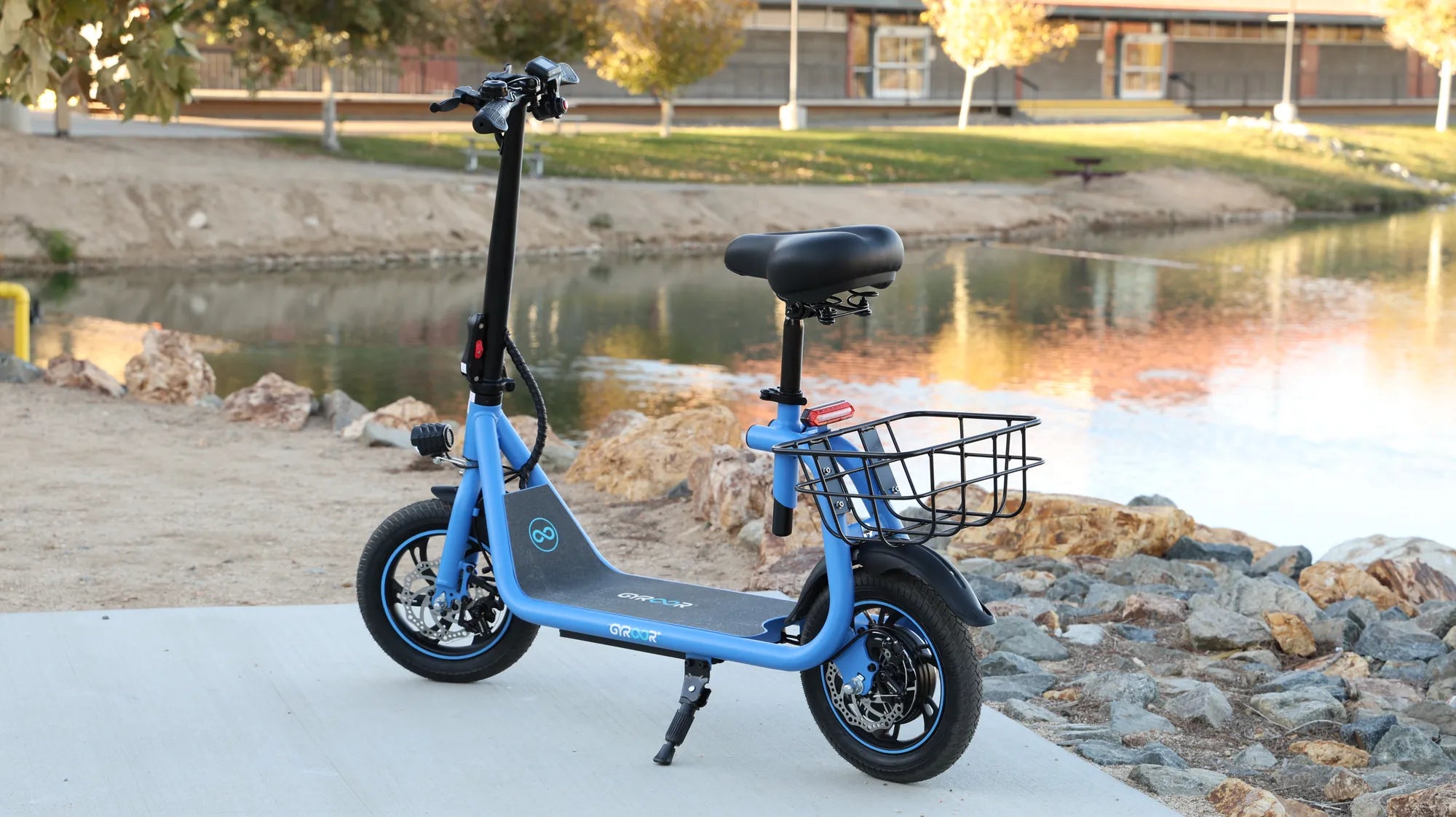
Introduction: Redefining Personal Mobility for Heavier Riders
The personal electric vehicle market has long catered to an average rider weight, leaving a significant gap for individuals requiring more robust solutions. For riders up to 400 lbs, standard electric scooters are not just uncomfortable—they are unsafe and prone to premature failure. This guide addresses that gap head-on.
We are discussing a specialized class of vehicles: true heavy-duty electric scooters. These are engineered not as afterthoughts but as purpose-built machines where every component, from the motor to the brakes to the frame, is designed to handle higher stresses. The right electric scooter for 400 lbs transforms from a novelty into a reliable tool for commuting, errands, and recreation.
This article serves as your definitive, data-driven resource. We will dissect the engineering behind heavy-duty models, translate technical specifications into real-world performance, and provide a clear framework for making an informed purchase. Your safety, comfort, and long-term satisfaction depend on choosing equipment that matches your needs.
Navigating this market requires moving beyond marketing claims to understand foundational mechanics. Let's begin by decoding what truly makes an electric scooter "heavy-duty."
What Makes an Electric Scooter "Heavy-Duty"? Key Specifications Decoded
A scooter advertised for 400 lbs must be more than a standard model with a higher number on the box. It represents a holistic engineering approach where multiple systems are reinforced. The synergy between power, structure, energy, and braking defines its capability and safety envelope.
Ignoring any one of these pillars can lead to performance issues or hazardous failures. We will analyze each critical component, providing you with the knowledge to evaluate models and ask the right questions. This is the foundation for distinguishing a truly capable machine from a merely advertised one.
Motor Power and Torque: The Heart of Performance
Motor wattage is the most cited but often misunderstood spec. For a 400 lb rider, a 350W motor is utterly insufficient. You need substantial power, typically starting at 1000W for single-motor configurations, with 2000W or dual-motor setups being ideal for challenging terrain.
Torque, the rotational force, is even more critical than top speed. High torque ensures strong acceleration from a stop and, crucially, the ability to maintain speed on inclines. A low-torque motor will struggle on a mild hill, forcing the rider to dismount.
Consider a 500W scooter: it may reach 15 mph on flat ground with a light rider. With 400 lbs, acceleration is sluggish, hills become impossible, and the motor overheats, shortening its lifespan. A 1000W+ motor provides the necessary overhead for safe, consistent performance under load.
Brands like Gyroor engineer their heavy-duty models with high-torque motors specifically to handle dynamic loads, ensuring responsive power delivery whether you're starting from an intersection or navigating a graded driveway.
Frame and Deck Construction: Built for Strength and Stability
The frame is the scooter's skeleton. For heavy-duty use, materials like aircraft-grade aluminum alloys or reinforced steel are mandatory. Look for descriptions like "reinforced," "thickened," or "double-welded" in product specifications.
The deck—the standing platform—must be both longer and wider than average. A minimum of 20 inches in length and 9 inches in width provides stable foot placement. The deck material should be textured, slip-resistant rubber or composite to ensure grip in all conditions.
Structural integrity is paramount. Examine product images for robust weld points, especially where the stem connects to the deck and where the folding mechanism is housed. A wobbly stem under load is a major safety red flag indicating poor design or materials.
A sturdy frame does more than support weight; it provides predictable handling. A flexing frame absorbs energy that should go into steering and braking, creating a vague and potentially dangerous riding experience.
Battery Capacity and Range Realities
Battery capacity, measured in Watt-hours (Wh), is the fuel tank. Advertised range figures are almost always calculated for a 165 lb rider on flat, smooth pavement at low speed. Rider weight is the single biggest factor in reducing real-world range.
A heavy rider demands more energy for acceleration and hill climbing. As a rule of thumb, a rider at 400 lbs can expect 50-70% of the advertised maximum range. A scooter claiming 40 miles for a standard rider may deliver 20-28 miles for a heavier rider, depending on terrain and riding style.
Therefore, prioritize models with large-capacity batteries, typically 15Ah (approx. 720Wh) or higher. This ensures you have a usable range for daily trips without range anxiety. For example, a commuter needing a 10-mile round trip should seek a scooter with an advertised range of at least 25-30 miles.
All Gyroor models utilize UL-certified battery packs, a critical safety standard we will discuss later. This certification ensures the battery management system is designed to handle charge cycles reliably, which is even more important under the high-drain conditions of heavy payloads.
Braking Systems: Stopping Power is Non-Negotiable
More mass means more kinetic energy. Stopping a 400 lb combined weight (rider + scooter) requires a braking system with exceptional power and fade resistance. A single, cheap mechanical brake is a recipe for failure.
The gold standard for heavy-duty scooters is a dual-braking system, combining a front and rear brake operated independently or via a combined lever. A common and effective setup is a front hydraulic or mechanical disc brake paired with a rear drum or regenerative brake.
Disc brakes offer superior stopping power and modulation but require occasional maintenance. Drum brakes are more enclosed and weather-resistant. Electronic (regenerative) brakes help recharge the battery slightly but should never be the sole braking system; they must be backed by physical, mechanical brakes.
Testimonials from Gyroor's community of over 100,000 riders frequently highlight the confidence provided by responsive dual-brake systems, especially in urban environments where sudden stops are a reality.
Beyond Weight Limit: Essential Safety and Comfort Features
While weight capacity is the entry ticket, the daily experience of riding a heavy-duty scooter is defined by features that manage comfort, durability, and real-world conditions. These elements separate a bare-bones transporter from a refined mobility solution.
Overlooking these aspects can lead to a jarring, unreliable, and short-lived product. A comfortable rider is a more alert and safer rider, making these features integral to the overall safety proposition of the scooter.
Tire Type and Size: Your Connection to the Road
Tires are your primary suspension and contact patch. For a 400 lb load, small solid (airless) tires transmit every bump and crack directly to the deck and rider, leading to discomfort and reduced control on uneven surfaces.
Larger, air-filled (pneumatic) tires, ideally 10 inches in diameter or more, are highly recommended. They provide crucial cushioning, improve traction, and help absorb road imperfections. The larger contact patch also improves stability, a key factor for heavier riders.
The trade-off is maintenance: pneumatic tires require periodic pressure checks. Keeping them properly inflated is non-negotiable for performance and preventing pinch flats. For those who prioritize zero maintenance, some premium airless tires with advanced honeycomb structures offer a better ride than basic solid rubber but still can't match pneumatic comfort.
For mixed-terrain or imperfect pavement, which describes most real-world riding, the shock absorption of pneumatic tires significantly reduces fatigue and improves overall scooter longevity by lessening impact on the frame.
Suspension Systems: Smoothing Out the Bumps
Suspension works in tandem with tires to manage ride quality. A scooter carrying 400 lbs will compress any suspension system significantly, so it must be robust. Front spring or hydraulic suspension is common; full (front and rear) suspension is ideal.
Good suspension does more than comfort. It keeps the tires in better contact with the road over bumps, improving braking and cornering stability. It also protects the scooter's internal components from the repeated shocks of potholes and curbs.
When evaluating suspension, look for adjustable preload or damping on higher-end models. This allows you to stiffen the suspension to accommodate your weight, preventing it from bottoming out and ensuring it functions as intended.
A well-suspended heavy-duty electric scooter for 400 lbs feels planted and controlled, transforming a commute from a bone-jarring ordeal into a smooth, enjoyable journey. This engineering consideration is a hallmark of brands that design for adult riders and real-world use.
IP Water Resistance Rating: Reliability in All Conditions
An IP (Ingress Protection) rating defines a scooter's defense against dust and water. For a daily rider, this is critical. A low or unspecified rating means a light rain could short-circuit the electronics or motor, leading to an expensive repair or a stranded rider.
A minimum rating of **IPX5** is essential for reliable all-weather use. This means the scooter can withstand water jets from any direction, making it safe for riding in rain or through wet streets. Gyroor designs its scooters to this standard, ensuring core components are protected.
The first digit (dust protection) is often omitted for scooters (marked as 'X'). A full rating like IP55 offers both dust and water protection. Avoid scooters with only an "IP54" rating, as the "4" signifies only protection from splashing water, not sustained spray.
This feature is about long-term durability and freedom. It means you don't have to check the weather forecast anxiously every morning. Your scooter is a tool, and a reliable tool works when you need it.
Top Considerations When Choosing Your Heavy-Duty Scooter
With an understanding of the core specs and features, the next step is applying this knowledge to the selection process. This involves practical evaluation of brand trust, portability, and aligning the scooter's strengths with your specific lifestyle needs.
Making the wrong choice here can mean investing in a scooter that is overbuilt for simple tasks or, worse, underbuilt for your daily demands. This framework helps you navigate from theory to a confident purchase decision.
Verifying Claims: UL-Certification and Warranty
In an industry where battery safety is paramount, **UL certification** for the battery pack is the most important credential you can look for. It means the battery has been independently tested to rigorous U.S. safety standards for electrical and fire hazards.
Never compromise on this. A heavy-duty scooter draws more current, and a faulty, uncertified battery pack is a significant risk. This certification is a direct reflection of a brand's commitment to safety over cost-cutting.
Equally telling is the warranty. A robust, **1-year comprehensive warranty** on the frame, motor, and battery indicates the manufacturer stands behind its durability claims. Scrutinize the warranty terms—a reputable brand offers clear support and accessible customer service.
Gyroor's commitment to both UL-certified batteries and a reliable 1-year warranty, backed by its established track record with over 100,000 riders, provides the peace of mind that justifies the investment in a heavy-duty mobility solution.
Portability vs. Power: The Folding Mechanism
Heavy-duty scooters are inherently heavier, often weighing 55-80 lbs. While they all fold, the ease and security of the folding mechanism vary greatly. A flimsy latch on an 80 lb scooter is a hazard.
Test the mechanism's sturdiness through reviews or product videos. It should lock positively without play. Consider the folded dimensions and weight: can you lift it into a car trunk or carry it up a few stairs if needed?
If your use case involves multi-modal commuting (e.g., scooter to train), portability is a higher priority. If the scooter will primarily travel from your garage to the road, absolute portability can be sacrificed for more robust construction and a larger battery.
This is a key trade-off. The most powerful, long-range scooters are often the least portable. Define your non-negotiables early in the selection process.
Intended Use Case: Commuting vs. Recreational Riding
Align the scooter's capabilities with its primary mission. A commuter's scooter prioritizes weather resistance (high IP rating), reliable range with a margin for error, integrated lighting for visibility, and a balance of comfort for daily use.
A recreational or off-road oriented scooter prioritizes maximum power (dual motors), advanced suspension, knobbier pneumatic tires for traction, and top speed. Range is still important, but the discharge characteristics may be more aggressive.
For urban dwellers, deck size and maneuverability might be critical. For suburban riders, hill-climbing ability and comfort on longer stretches of road take precedence. Make a list of your most common routes and challenges.
This focused approach prevents you from paying for unneeded performance (like extreme off-road capability for pure pavement use) or, conversely, from lacking a critical feature like sufficient range for your daily round trip.
Comparison of Heavy-Duty Electric Scooter Considerations
The table below summarizes the key decision points and their implications for a rider up to 400 lbs, providing an at-a-glance guide during your research phase.
| Feature Category | Priority for 400 lb Rider | Minimum Recommended Spec | Ideal / Premium Spec | Reasoning & Impact |
|---|---|---|---|---|
| Motor Power | Critical | 1000W (single) | 2000W+ or Dual Motor | Ensures adequate acceleration, hill climb, and prevents motor strain/overheat. |
| Frame/Deck | Critical | Reinforced Aluminum | Aircraft-Grade Alloy, Wide Deck (9"x20"+) | Provides structural integrity, stability, and safe foot placement. Preents flexing. |
| Battery & Range | Critical | 15Ah (720Wh), UL-Certified | 20Ah+ (960Wh+), UL-Certified | Delivers usable real-world range (expect 50-70% of advertised). Safety imperative. |
| Braking System | Critical | Dual Mechanical (e.g., Disc + Drum) | Hydraulic Disc Front + Drum/Regen Rear | Stopping power must match kinetic energy of heavy load. Redundancy is safety. |
| Tires | High | 10" Pneumatic (Air-Filled) | 10"+ Pneumatic with Puncture-Resistant Layer | Essential for shock absorption, comfort, traction, and stability under load. |
| Suspension | High | Front Spring Suspension | Full (Front & Rear) Hydraulic Suspension | Manages ride quality, protects scooter components, and improves control. |
| IP Rating | Medium-High | IPX5 | IP55 or higher | Ensures reliability in rain and wet conditions, protecting electrical systems. |
| Weight & Portability | Variable | Sturdy Folding Mechanism | Weight < 70 lbs if portability needed | Heavy-duty builds are heavy. Assess if you need to lift/carry it regularly. |
Frequently Asked Questions (FAQ) for Heavy Riders
This section addresses the most common and pressing concerns from riders evaluating electric scooters for 400 lbs. The answers are based on engineering principles and practical experience.
Q: Is it safe for a 400 lb person to ride an electric scooter?
A: Yes, absolutely—but only on a scooter explicitly engineered and rated for that capacity. Safety is contingent on not exceeding the manufacturer's stated maximum weight limit. Riding an under-spec scooter risks catastrophic failure of the frame, forks, or brakes. A true heavy-duty model is designed with a safety factor beyond its stated limit, using appropriate materials and components to ensure safe operation.
Q: How much does rider weight affect speed and range?
A: The effect is substantial and non-linear. Weight is the dominant factor in energy consumption after aerodynamic drag. A 400 lb rider can expect a 30-50% reduction in top speed, especially on inclines, compared to the advertised speed for a light rider. For range, plan for 50-70% of the advertised maximum. A scooter claiming a 40-mile range will likely deliver 20-28 miles under typical riding conditions for a heavier rider.
Q: Can I modify a standard scooter to handle more weight?
A: This is strongly discouraged and potentially dangerous. Upgrading a motor or battery does not address the fundamental limitations of the frame, stem, forks, brakes, or tires. These components are not designed for the higher stresses. Such modifications void the warranty and can lead to sudden mechanical failure, causing a crash. Always choose a scooter designed for your weight from the outset.
Q: What regular maintenance is crucial for a heavy-duty scooter?
A: Increased vigilance is prudent due to higher operational stresses. Key checks include: weekly tire pressure inspection for pneumatics; monthly examination of brake pad wear and brake cable tension; periodic tightening of all visible bolts (stem, handlebar, folding mechanism); and listening for new creaks or rattles. Cleaning the scooter, especially the braking surfaces, and storing it in a dry place also prolong its life.
Q: Are there specific laws for heavier electric scooters?
A: Laws typically regulate scooter power, top speed, and where you can ride, not rider weight. However, operating an overloaded scooter could be considered reckless operation. More importantly, exceeding the weight limit would likely invalidate any insurance and absolve the manufacturer of liability in an accident. Always comply with local regulations regarding helmet use, road/bike lane usage, and speed limits.
Conclusion: Investing in Confidence and Freedom
Choosing the right electric scooter for 400 lbs is an exercise in informed prioritization. The journey begins with respecting the stated weight limit and builds upon four non-negotiable pillars: substantial motor power, a rigid frame and wide deck, a high-capacity UL-certified battery, and a dual mechanical braking system. These are the foundations of safety.
From there, features like pneumatic tires, robust suspension, and weather resistance transform a capable machine into a comfortable and reliable daily partner. This purchase is not about finding the least expensive option; it is an investment in a product that must perform under significant stress, day after day.
The confidence that comes from knowing your scooter was engineered for your needs is invaluable. It opens up new possibilities for commuting, exploring your community, and enjoying a sense of independent mobility. Trust in a scooter is built on verifiable credentials—UL certification, a solid warranty, and a brand's proven track record.
Ready to explore models built to these rigorous standards? Discover engineering designed for real riders and real weight. Browse the full Gyroor collection at gyroorboard.com to find a heavy-duty electric scooter that delivers not just transportation, but true freedom and peace of mind.
Top 3 Electric Scooters in India: Best Picks for Eco-Friendly Commuting
Benefits of Electric Scooters for Kids Manufacturers: A Lucrative Niche