



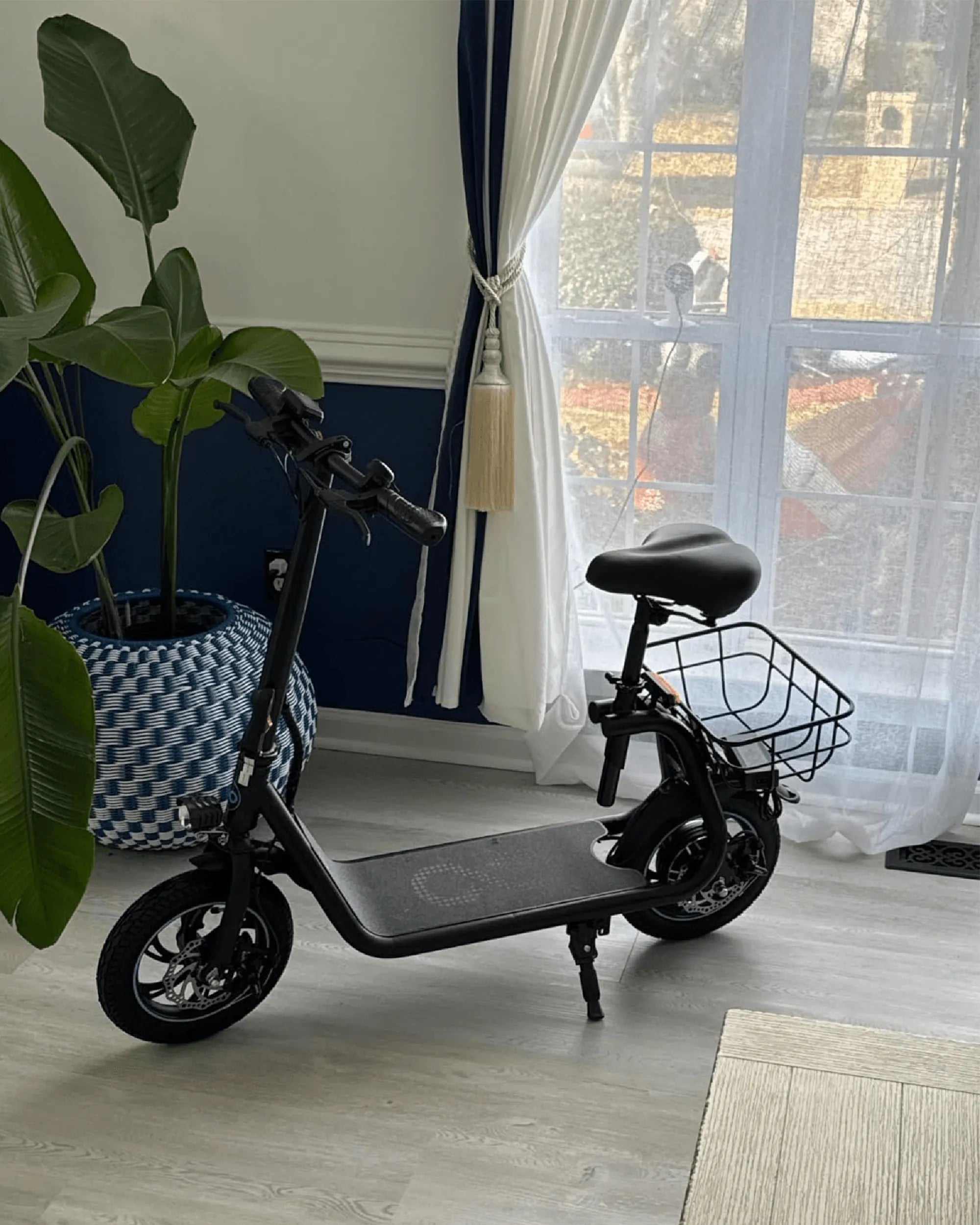
Introduction to Electric Scooters for Adults in Australia
Electric scooters for adults have transformed urban transport across Australia. They offer a practical solution for navigating bustling city centres, bridging the 'last mile' from transit hubs, and enjoying recreational rides along coastal paths. This mode of transport directly addresses common Australian challenges: congested roads, expensive parking, and the need for flexible, efficient travel.
From Sydney's undulating streets to Melbourne's extensive network of bike lanes and Perth's sprawling suburbs, the right e-scooter can redefine your daily commute. This ultimate guide is designed to help Australian riders make an informed choice. We will navigate the legal landscape, break down essential features for local conditions, and provide practical advice for safe, responsible riding.
Understanding the specifics of Electric Scooters for Adults Australia: The Ultimate Guide to Urban Mobility is crucial. A model perfect for flat, smooth paths in Adelaide may struggle on Brisbane's hills. This guide focuses on real-world performance, compliance, and longevity in the unique Australian environment.
Navigating Australian E-Scooter Laws & Regulations
Before purchasing or riding, understanding the law is your first responsibility. Regulations for privately-owned electric scooters vary significantly between states and territories, and they are frequently updated. Riding a non-compliant scooter or in a prohibited area can result in substantial fines.
The core legal definition typically hinges on motor power and maximum speed. In most jurisdictions, to be considered a 'personal mobility device' (PMD) eligible for use on footpaths or bike paths, the scooter must have a maximum power output of 250 watts and a speed limited to 25 km/h or less. Scooters exceeding these specifications may be classified as motor vehicles, requiring registration, licensing, and insurance—which is generally not available.
Helmet laws are almost universally strict. In nearly all states and territories, a correctly fitted approved bicycle helmet is mandatory for all riders, regardless of age. This is a non-negotiable safety requirement enforced by police.
It is imperative to check the latest rules with your local state transport authority before riding. The information below provides a general overview, but laws are subject to change as governments adapt to this new technology.
Key State-by-State Compliance Checklist
This table provides a snapshot of key regulations for private e-scooter use. Always verify with official sources.
| State/Territory | Max. Speed Limit | Where to Ride (Private Scooters) | Helmet Required? | Minimum Age |
|---|---|---|---|---|
| New South Wales | 25 km/h (on paths) | Bicycle paths & shared paths only. NOT on footpaths or roads. | Yes | 16+ |
| Victoria | 25 km/h (on paths) | Footpaths, shared paths, & bike lanes (unless signed otherwise). | Yes | 18+ |
| Queensland | 25 km/h (on paths) / 12 km/h (on footpaths) | Footpaths, shared paths, bike lanes, & local streets (≤50 km/h zones). | Yes | 12+ |
| Western Australia | 25 km/h | Bike paths & shared paths only. NOT on footpaths or roads. | Yes | 16+ |
| South Australia | 15 km/h | Footpaths & shared paths only. | Yes | No minimum (helmet required for all) |
What to Look For: Choosing the Right E-Scooter for Australian Conditions
Selecting an electric scooter isn't just about top speed or flashy looks. For Australian adults, the choice must balance performance with durability, range, and portability to handle diverse urban landscapes. Your daily route—whether it involves hills, rough pavement, or public transport integration—should dictate your priorities.
A high-quality scooter is an investment in reliable daily mobility. Key considerations include motor power for hills, real-world battery range for your commute, and a robust build to withstand local road conditions. Ignoring these factors can lead to frustration, premature wear, and safety issues.
This section will dissect the essential features, helping you match a scooter's capabilities to your specific needs in the Australian context. The goal is to find a model that offers the best blend of power, comfort, and practicality for your lifestyle.
Motor Power & Hill Climbing Ability
Motor wattage is a primary indicator of performance. In Australia, where many cities are built on hills (think Sydney, Brisbane, or Perth's suburbs), adequate power is non-negotiable. A 250W motor may suffice for flat terrain in Melbourne's CBD, but it will strain and slow dramatically on inclines.
For general urban use with moderate hills, a 350W motor is a good starting point. For riders in hilly areas or those carrying heavier loads, a 500W or dual-motor system provides confident acceleration and maintained speed on gradients. This ensures you aren't forced to dismount and push, which defeats the purpose of an electric vehicle.
The torque of the motor is equally important. High torque delivers better low-speed power for getting started from intersections and climbing steep sections. When reviewing models, look for real-world hill-climb grades (e.g., 'can climb a 15% incline').
Battery Range & Real-World Distance
Manufacturer range claims are often based on ideal laboratory conditions: a light rider on flat, smooth terrain at a constant low speed. Australian reality is different. Your actual range, or 'real-world range,' will be affected by rider weight, hills, frequent stops and starts, wind, and even tyre pressure.
A good rule is to discount the advertised range by 25-40%. If your one-way commute is 10km, look for a scooter with an advertised range of at least 20-25km to ensure a comfortable buffer. Battery capacity is measured in Watt-hours (Wh); a higher Wh generally indicates a longer potential range.
Consider your charging options. If you can charge at your destination, range anxiety diminishes. For longer commutes or full-day use, prioritising a high-capacity battery is essential. Remember, battery performance can degrade over time, so starting with ample capacity extends the useful life of your scooter.
Build Quality, Tyres & Suspension for Aussie Roads
Australian roads and paths can be unforgiving, with cracks, potholes, and rough surfaces. Build quality directly impacts safety, comfort, and longevity. Look for a frame made from robust materials like aerospace-grade aluminium, with strong welding and solid folding mechanisms.
Tyres and suspension are your first line of defence against vibrations and impacts. Air-filled (pneumatic) tyres offer superior shock absorption and grip on varied surfaces compared to solid tyres, but they require maintenance and can puncture. Solid or foam-filled tyres are maintenance-free but provide a harsher ride.
Suspension systems—whether in the stem, deck, or both—dramatically improve comfort and control on rougher terrain. A scooter with both pneumatic tyres and a suspension system offers the most comfortable ride for navigating less-than-perfect Australian infrastructure, reducing fatigue on longer journeys.
Portability & Storage for Apartments and Public Transport
For many urban Australians, the scooter must be part of a multi-modal commute involving trains, buses, or trams. It also needs to be stored in an apartment, office, or under a desk. Therefore, weight and foldability are critical practical factors.
A lightweight scooter (under 15kg) is much easier to carry up stairs or onto crowded public transport. However, lightweight often comes with compromises in battery size and motor power. Heavier models (18-25kg) offer more power and range but can be cumbersome to carry for extended periods.
Examine the folding mechanism. It should be intuitive, secure, and allow the scooter to fold into a compact shape that doesn't wobble. Some models feature a self-locking latch or a hook to secure the folded stem. A good folding design is the difference between a convenient companion and a bulky burden.
Why Gyroor is a Trusted Choice for Australian Riders
In a market flooded with options, choosing a brand with a proven commitment to safety, quality, and reliability is paramount. Gyroor has established itself as a leading electric scooter and e-bike brand, trusted by over 100,000 riders across North America and Europe. This global reputation is built on engineering that prioritises rider safety and product durability—key concerns for Australian consumers.
Gyroor's approach aligns perfectly with the demands of the Australian environment and the cautious regulatory landscape. By focusing on certified components, robust construction, and clear support, they provide peace of mind that cheaper, uncertified alternatives cannot match. For adults seeking a reliable solution for urban mobility, Gyroor's specifications are designed to meet real-world challenges.
When evaluating Electric Scooters for Adults Australia: The Ultimate Guide to Urban Mobility, the brand's underlying engineering principles matter. Gyroor models are developed with the understanding that a scooter is a daily transport tool, not a disposable gadget.
Safety First: UL-Certified Batteries & IPX5 Water Resistance
The battery is the heart of an e-scooter and its most critical safety component. Gyroor uses UL-certified battery packs in its models. This certification means the battery cells and management system have undergone rigorous independent testing for electrical, mechanical, and environmental safety, significantly reducing the risk of fire or failure—a primary concern for riders storing scooters in homes or offices.
Australian weather is notoriously changeable. A sudden summer downpour or damp morning roads shouldn't end your ride or damage your scooter. Gyroor scooters feature IPX5 water-resistant designs. This rating means the scooter can withstand water jets from any direction, offering strong protection against rain and road spray. This durability is essential for maintaining reliability in variable conditions.
Peace of Mind with Local Support: The 1-Year Comprehensive Warranty
Investing in a personal mobility device requires confidence in after-sales support. Gyroor backs its products with a reliable 1-year comprehensive warranty covering the frame, motor, battery, and controller. This warranty is a testament to their confidence in build quality and component longevity.
For Australian customers, accessible support is crucial. Gyroor provides dedicated customer service channels and support, ensuring that assistance for technical queries or warranty claims is readily available. This level of support is often absent from budget or direct-from-factory brands, where a malfunction can leave you with an expensive paperweight.
Riding Safely and Responsibly in Australia
Safe riding protects you and everyone around you. Always wear your helmet—it's the law and your most important piece of safety gear. Use front and rear lights, even during the day, to increase visibility. Consider adding reflective elements to your clothing or scooter.
Practice defensive riding. Assume that car drivers and pedestrians may not see you. Be predictable, signal your intentions, and make eye contact where possible. Keep a safe distance from vehicles, and always be prepared to brake. On shared paths, slow down and give audible warning (a bell is ideal) when passing pedestrians.
Perform regular pre-ride checks. Ensure tyres are properly inflated, brakes are responsive, and all lights are working. Tighten any loose fasteners. This simple routine, taking less than a minute, can prevent accidents and mechanical failures.
Never ride under the influence of alcohol or drugs. Your reaction times and judgement are impaired, making you a danger to yourself and others. Respect the speed limits, especially on footpaths where pedestrians, including children and the elderly, are present.
Frequently Asked Questions (FAQs) for Australian E-Scooter Buyers
Q: Can I ride my private e-scooter on footpaths in Melbourne?
A: Yes, in Victoria, you can ride a compliant e-scooter (≤250W, ≤25 km/h) on footpaths, unless specifically signed otherwise. You must give way to pedestrians.
Q: Do I need a license to ride an e-scooter in Queensland?
A: No, you do not need a driver's license to ride a compliant personal mobility device (like an e-scooter) in Queensland. However, you must be at least 12 years old.
Q: How do I handle e-scooters in the rain?
A> If your scooter has a good water resistance rating (like IPX5), light rain is generally manageable. Reduce speed, avoid large puddles (which can hide hazards), and brake earlier and more gently. After riding in wet conditions, dry the scooter with a towel, especially around the brakes and deck.
Q: Where can I legally park my e-scooter in Sydney?
A> Park your scooter where it does not obstruct footpaths, access ramps, building entrances, or pedestrian flow. Use bicycle parking racks where available. Never leave it blocking a footpath, as this is a fineable offence and a hazard for people with disabilities.
Q: Are electric scooters allowed on public transport in Australia?
A> Policies vary by transit authority. Generally, folded e-scooters are permitted on trains and often on buses and trams at the driver's discretion, provided they do not obstruct aisles or doorways. Always check with your local transport provider (e.g., Sydney Trains, Transperth) for specific rules, especially during peak hours.
Conclusion: Embracing Smarter Urban Mobility
Electric scooters for adults offer a legitimate, efficient, and enjoyable answer to the complexities of Australian urban transport. By choosing a compliant, well-built model suited to your local conditions, you gain unparalleled flexibility for your commute and leisure. The key is informed selection: understanding the laws, prioritising safety-certified components like UL-approved batteries, and matching the scooter's capabilities to your daily reality.
Brands that invest in certified safety and robust warranties, such as Gyroor, provide the reliability needed for daily dependence. This Electric Scooters for Adults Australia: The Ultimate Guide to Urban Mobility empowers you to navigate the market with confidence. Ride safely, respect the rules of the path, and enjoy the freedom of a cleaner, quicker way to move through your city.
Ready to explore models built for safety and performance? Browse the full Gyroor collection at gyroorboard.com to find the electric scooter that matches your Australian lifestyle.
Growth Statistics of Electric Scooters Market 2025: Trends and Future Projections
Electric Scooters in Gujarat: The Future of Urban Mobility