



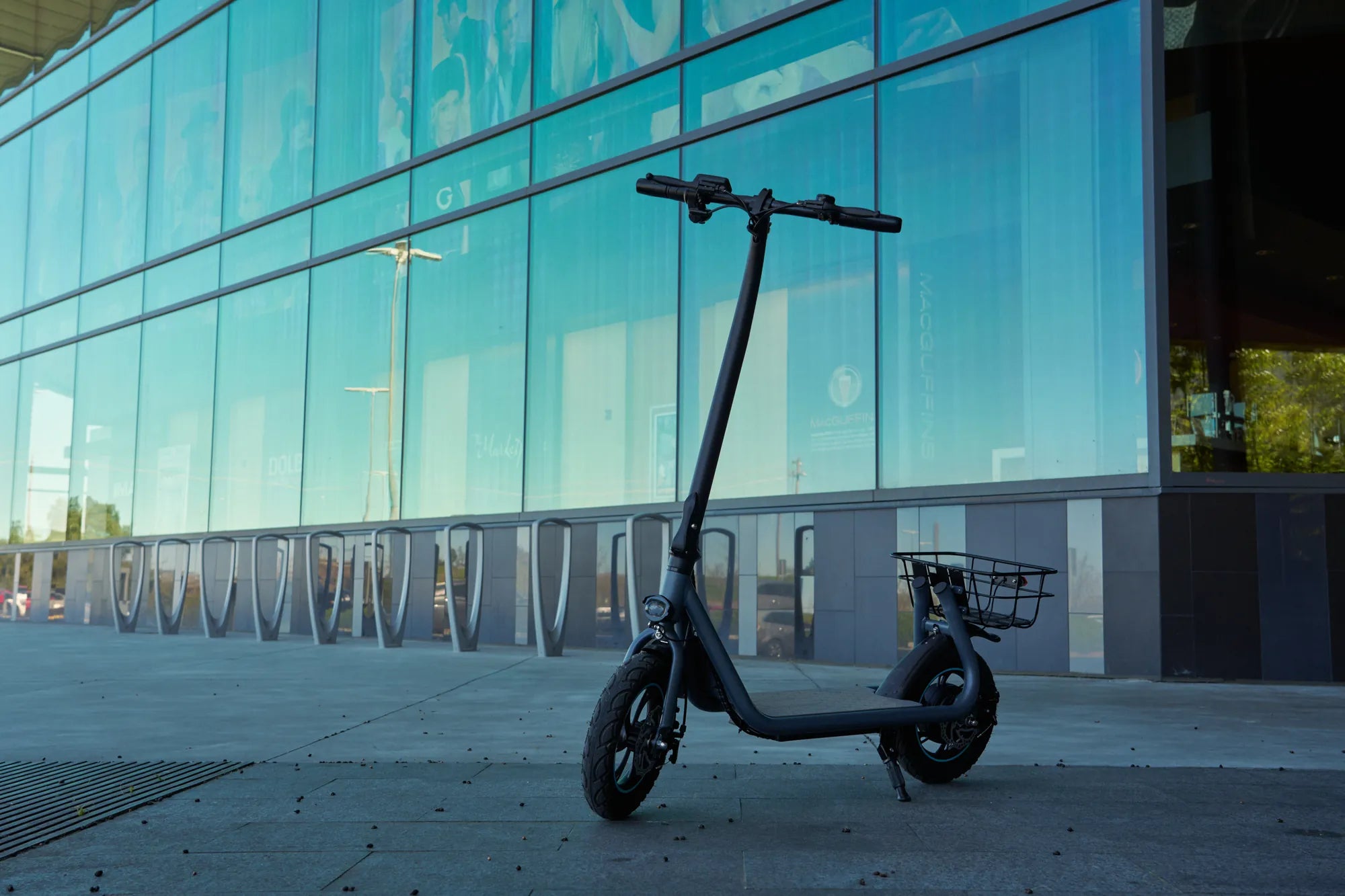
Choosing an electric scooter for your child is about more than just picking a toy; it's selecting a gateway to outdoor adventure, physical activity, and responsible independence. The modern kids' electric scooter market has evolved dramatically, prioritizing verified safety engineering alongside the pure fun of the ride. This guide delves into the essential intersection of safety, fun, and innovation in electric scooters for kids, providing parents with the data and knowledge to make an informed choice. You'll learn how to evaluate critical safety specifications, match a scooter to your child's age and skill, and implement the habits that ensure every ride is a secure and exhilarating experience.
The New Era of Kid-Friendly Mobility
Electric scooters have transformed from niche gadgets into a mainstream activity for children, offering a unique blend of outdoor exploration and tech-savvy engagement. This shift represents a new era in kid-friendly mobility, where the thrill of speed is carefully balanced with robust safety frameworks. For parents, this means navigating a market filled with options, where understanding the engineering behind the product is as important as the smile it brings.
The core appeal lies in the scooter's ability to get kids outside and moving. In an age of screens, an electric scooter provides a compelling reason for unplugged, active play. It's a tool that promotes physical health while delivering the kind of excitement that keeps children engaged for hours. The key for manufacturers and parents alike is to ensure this excitement is built on a foundation of reliability.
Leading brands like Gyroor have committed to this segment by designing scooters where safety and innovation are integrated, not traded off. This involves using certified components, implementing intelligent speed controls, and building durability that withstands the realities of how kids play. The result is a product category that parents can trust for long-term value and fun.
This guide will help you decode specifications, compare models, and establish safety protocols. Our goal is to empower you to choose a scooter that delivers not just momentary joy, but years of safe, developmental, and innovative outdoor enjoyment for your child.
Why Kids Love Electric Scooters: Benefits Beyond the Ride
Children are drawn to electric scooters for the immediate sensation of gliding effortlessly, but the benefits extend far beyond simple entertainment. These devices serve as powerful tools for physical and cognitive development, wrapped in a package of pure fun. Understanding these benefits helps frame the scooter as a valuable addition to a child's active lifestyle.
From a physical standpoint, riding an e-scooter is a dynamic activity that enhances gross motor skills, balance, and coordination. While the motor provides assistance, riders constantly engage their core for stability, use their legs for balance during turns, and develop reflexes for braking and steering. It's a form of exercise that feels like play, encouraging prolonged outdoor activity.
Psychologically, operating an electric scooter fosters a significant sense of independence and responsibility. Managing speed, navigating paths, and following safety rules teach decision-making and situational awareness. The pride that comes from mastering a new skill and the freedom to explore their neighborhood or park within set boundaries boosts confidence and self-reliance.
Furthermore, electric scooters for kids encourage exploration and connection with the environment. They turn a simple trip to the park or a ride around the block into a mini-adventure. This outdoor time is crucial for mental well-being, providing a break from digital stimuli and fostering a love for active, outdoor play that can last a lifetime.
The Non-Negotiables: Essential Safety Features for Kids' E-Scooters
When evaluating electric scooters for kids, certain safety features must be considered non-negotiable. These are the engineering benchmarks that separate a well-designed product from a potentially hazardous one. Prioritizing these elements is the most critical step in ensuring a safe riding experience.
Speed Control and Adjustable Modes
A speed governor is the foremost safety feature for any child's electric scooter. Beginner modes that cap speed between 5-7 mph allow young riders to build confidence and muscle memory in a controlled environment. As skills improve, parents can unlock higher speed tiers, often via a secure PIN or companion app. This graduated approach prevents overwhelming new riders and gives parents direct control over the scooter's performance.
UL-Certified Battery Safety: A Parent’s Peace of Mind
The battery is the heart of the scooter and its most critical safety component. UL certification (like UL 2271) is not just a marketing term; it is a rigorous independent verification that the battery pack has passed extensive tests for electrical, mechanical, and fire safety. Gyroor, for instance, uses UL-certified lithium-ion battery packs tested for over 500 charge cycles, ensuring stability, preventing overheating risks, and providing unparalleled peace of mind. This certification is the highest standard for consumer product battery safety.
Durability and Stability: Built to Withstand Learning
Kids' scooters must endure bumps, curb drops, and the general rigors of learning. A sturdy, welded aluminum alloy frame is essential for longevity and rider security. Wide, air-filled or honeycomb puncture-proof tires provide crucial shock absorption and grip on varied surfaces. A low, wide deck enhances stability, making it easier for children to mount, dismount, and maintain balance, especially during their initial rides.
Reliable Braking Systems and Enhanced Visibility
Responsive braking is as important as controlled acceleration. For kids, a combination of systems often works best: an electronic brake for smooth speed reduction and a physical disc or foot brake for definitive stopping power. Simultaneously, visibility features are mandatory. Bright LED headlights, integrated brake lights that activate upon slowing, and side reflectors ensure the child is seen by others during daytime, dusk, or in shaded areas, significantly reducing the risk of collisions.
Choosing the Right Model: A Parent’s Guide by Age and Skill
Selecting the perfect electric scooter requires matching technical specifications to your child's physical development and riding experience. A scooter that is too powerful or large can be intimidating and unsafe, while one that is underpowered for an older child will quickly lose its appeal. This guide breaks down selection by typical age and skill brackets.
For younger beginners (ages 6-9), focus on scooters with lower maximum speeds (7-10 mph), a lower deck height for easy foot placement, and a lightweight frame. Wheel size is typically between 6 to 8 inches. These models emphasize stability and ease of control to build foundational skills safely.
Pre-teens and teenagers (ages 10-14) with some riding experience can handle more advanced models. Look for scooters with adjustable speed modes up to 15 mph, larger wheels (8.5-10 inches) for handling rougher terrain, and higher weight capacities. Features like suspension and longer battery range become more relevant for extended adventures.
Always cross-reference the manufacturer's recommended age range with your child's specific height, weight, and maturity level. A mature 8-year-old might be ready for a model marketed for 10+, while a cautious 12-year-old might benefit from starting with a beginner-friendly option. The key is gradual progression.
Key Specifications Comparison Table
| Model Type | Age Range | Max Speed | Weight Limit | Battery Range | Key Safety Features |
|---|---|---|---|---|---|
| Beginner Model (e.g., Gyroor Swift Jr.) | 6-9 years | 7.5 mph (3 modes) | 120 lbs | 6 miles | UL-certified battery, speed key lock, LED lights, kick-to-start, IPX5 rating |
| Advanced Youth Model (e.g., Gyroor Trailblazer) | 10-14 years | 15 mph (3 modes) | 160 lbs | 12 miles | UL-certified battery, app speed control, front suspension, dual braking, IPX5 rating |
This table illustrates how core specs scale with the intended rider. Notice the consistent presence of foundational safety features like UL certification and water resistance across categories, with advanced models adding performance-oriented innovations.
The Innovation Edge: Smart Features for Modern Young Riders
Today's electric scooters for kids incorporate smart technology that enhances safety, customization, and the overall user experience. These features represent the innovation edge, turning a simple ride into a connected, adaptable activity that grows with your child.
App Connectivity and Parental Oversight
Companion smartphone apps have revolutionized parental control. Through a secure Bluetooth connection, parents can remotely lock or unlock the scooter, set maximum speed limits for different modes, and monitor real-time battery life. Advanced features include geo-fencing, which sends an alert if the scooter leaves a predefined safe area, and ride history tracking, allowing parents to review distance and speed data. This digital layer provides oversight without needing to be physically present every moment.
IPX5 Water Resistance: Ready for Puddles and Play
A high water resistance rating is a practical innovation for real-world use. Gyroor's IPX5 rating means the scooter's electrical components are protected against water jets from any direction. This engineering allows the scooter to safely handle wet pavement, accidental splashes through puddles, and even light rain. It prevents internal corrosion and electrical shorts, ensuring greater durability and reliability, so play doesn't have to stop at the first sign of a damp sidewalk.
Other innovative features include customizable LED light systems for personality and visibility, regenerative braking that feeds energy back into the battery to extend range, and ergonomic designs with improved weight distribution for easier carrying. These thoughtful additions demonstrate how brands are focusing on the complete user experience for both the young rider and the parent.
Gearing Up: The Complete Safety Kit for Every Ride
The safest electric scooter is only one part of the equation. Proper protective gear is an absolute necessity for every single ride, regardless of skill level or distance. Establishing a "no gear, no ride" rule from day one instills lifelong safety habits.
Helmet, Pads, and Proper Attire
A CPSC-certified bicycle helmet is non-negotiable. It must fit snugly, sitting level on the head and covering the forehead. Knee and elbow pads are highly recommended, especially for beginners, as they protect the joints most vulnerable in a fall. Wrist guards can also prevent common injuries. Proper attire means closed-toe, sturdy shoes (never sandals or flip-flops) and bright or reflective clothing to enhance visibility to drivers and pedestrians.
Pre-Ride Safety Checklist and Riding Rules
Before each ride, perform a quick but thorough check. Ensure tires are properly inflated, test the brakes for responsiveness, confirm that front and rear lights are functioning, and check that the folding mechanism (if present) is securely locked. Establish and consistently enforce clear riding rules: ride on sidewalks or designated bike paths where legal and safe, always yield to pedestrians, avoid roads with traffic, never ride after dark without direct adult supervision and full lights, and maintain a safe speed appropriate for the environment.
Supervision is key, especially in the early stages. Ride alongside your child in safe, open areas like empty parking lots or smooth park paths to model good behavior and provide immediate guidance. This practice builds competence and confidence simultaneously.
Maintenance and Care for Longevity and Safety
Regular maintenance is crucial for keeping an electric scooter for kids safe and functional over its entire lifespan. A well-maintained scooter performs more reliably and retains its safety features. Simple, routine checks can prevent most common issues.
Begin with battery care. Follow the manufacturer's charging instructions precisely. Typically, this means using only the provided charger, not leaving the scooter plugged in for extended periods after it's fully charged, and storing the scooter in a cool, dry place. Avoid exposing the battery to extreme temperatures. Regularly inspect the battery compartment for any signs of damage.
Mechanical maintenance involves checking tire pressure monthly (for air-filled tires) and looking for wear or embedded debris. Listen for unusual noises from the motor or wheels. Every few months, check that all bolts and screws, especially on the stem, handlebars, and brake assemblies, are tight. A periodic inspection of the brake pads for wear ensures stopping power remains effective.
Cleaning the scooter properly is also part of care. Use a damp cloth to wipe down the frame and deck. Avoid high-pressure water jets, which can force water into electrical components despite water-resistant ratings. Keeping the scooter clean not only makes it look good but also allows you to spot any cracks or damage more easily during the cleaning process.
FAQ: Answering Common Parental Concerns
What is the appropriate age for a child’s first electric scooter?
While many models are designed for ages 6+, the appropriate age depends more on the individual child's maturity, coordination, and ability to understand and follow safety rules. A general guideline is 6-8 years old for a first, beginner-focused model. The child should be able to comfortably stand on the deck, reach the handlebars, and operate the throttle and brake without straining.
How long does the battery last, and how far can it go on a charge?
Battery life, measured in charge cycles, and range per charge vary by model. A quality UL-certified battery, like those used by Gyroor, is typically rated for 500+ full charge cycles before significant capacity loss. Range per charge for kids' models usually falls between 6-12 miles, depending on rider weight, terrain, speed, and temperature. Always refer to the specific product's specifications for the most accurate estimate.
How does the 1-year warranty protect my purchase?
A comprehensive 1-year warranty, like Gyroor's, covers defects in materials and workmanship under normal use. This includes the motor, battery, controller, and frame. It assures that if a component fails due to a manufacturing issue, the company will provide repair parts or a replacement. This warranty underscores the brand's confidence in its product's reliability and provides long-term value and protection for your investment.
Where is it safe for my child to practice and ride?
Ideal practice locations are smooth, flat, paved areas free of vehicle traffic and major obstacles. Empty parking lots (with owner permission), wide sidewalks in quiet neighborhoods, and designated bike paths in parks are excellent choices. Always start under direct adult supervision. Familiarize yourself with local regulations, as some municipalities prohibit electric scooters on sidewalks or have age restrictions for riders.
Are electric scooters for kids difficult to assemble?
Most quality kids' electric scooters require minimal assembly, often just attaching the handlebar to the stem and securing it with provided bolts. The process usually takes 10-15 minutes with common tools like an Allen wrench. Detailed instructions are always included. It's a good opportunity to familiarize yourself with the scooter's key components before your child's first ride.
Fostering Fun with Confidence and Care
The journey into the world of electric scooters for kids can be one of immense joy and valuable learning when approached with the right information. By prioritizing verified safety engineering—from UL-certified batteries to responsive braking systems—parents can provide a foundation of security. Matching the scooter's capabilities to the child's age and skill ensures a positive, confidence-building experience. Coupling a well-chosen scooter with consistent safety gear and clear riding rules creates an environment where fun and responsibility go hand-in-hand.
Brands like Gyroor have demonstrated that innovation in this space should first serve safety and durability, offering features like app-based parental controls and IPX5 water resistance that meet the demands of real-world use. The result is a product that delivers not just a thrilling ride, but years of reliable outdoor adventure. With careful selection and proactive habits, an electric scooter becomes more than a gift; it becomes a catalyst for active, healthy, and joyful childhood memories.
Ready to explore a range of electric scooters engineered for safety and built for fun? Browse the full, trusted Gyroor collection for kids and teens, featuring UL-certified batteries, robust warranties, and innovative designs, at gyroorboard.com.
Are Electric Scooters Good? The Ultimate Guide to Eco-Friendly Commuting
Are Electric Scooters Getting Banned? The Future of Urban Mobility Explained