



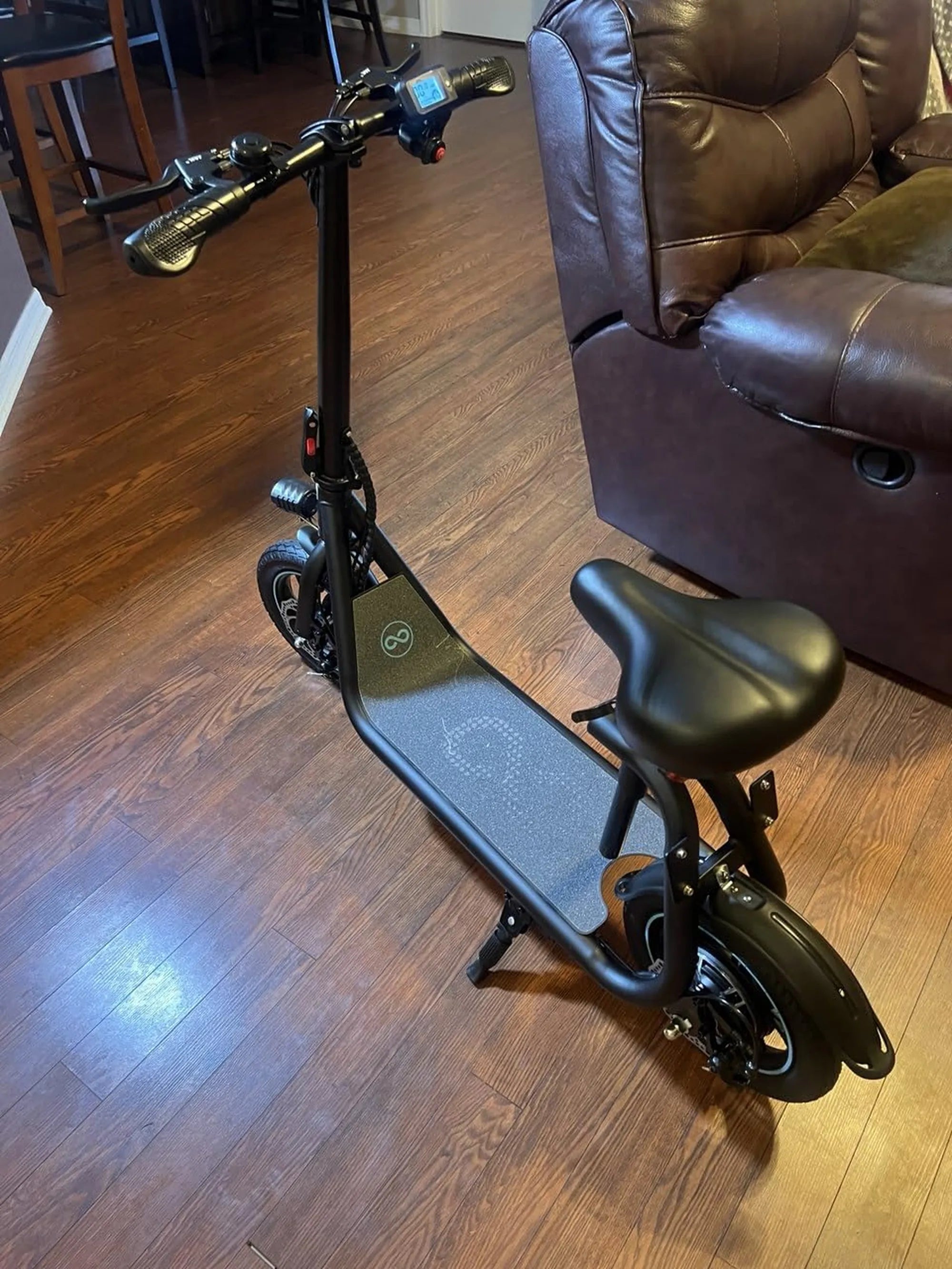
Redefining Mobility for Senior Adults with Electric Scooters
For many senior adults, maintaining independence and mobility is a primary concern for quality of life. Electric scooters have emerged as a transformative solution, offering a practical and accessible mode of personal transportation. Far from being just recreational toys, today's models are engineered for stability, safety, and ease of use. This article will demonstrate how electric scooters for senior adults: a safe and convenient mobility solution can enhance daily life by promoting independence, supporting mental well-being, and providing a reliable way to run errands or enjoy the outdoors. We'll examine the critical safety features seniors must prioritize, compare scooter types, and highlight why choosing a brand with certified safety standards is non-negotiable.
The adoption of personal electric vehicles among older demographics is rising steadily. This trend is driven by advancements in scooter technology that directly address stability and user-friendliness. Seniors are discovering that a well-chosen e-scooter can bridge the gap between walking, which may become fatiguing, and using a car for very short trips, which can be inconvenient and costly.
Leading brands like Gyroor design with a broad user base in mind, focusing on reliability. With over 100,000 riders trusting their UL-certified batteries and robust warranties, such brands provide the peace of mind essential for senior riders and their families. The goal is not just mobility, but confident and secure mobility.
Understanding the specific needs of senior riders is the first step. The right electric scooter for senior adults acts as a tool for liberation, not a complex gadget. It must offer intuitive operation, predictable handling, and built-in safeguards to prevent accidents. This guide provides the comprehensive information needed to make an informed, safe choice.
Why Electric Scooters are a Game-Changer for Senior Mobility
Electric scooters address several core challenges faced by active seniors. They restore a sense of autonomy that may diminish with age, directly impacting overall happiness and social engagement. The benefits extend far beyond simple transportation, touching on physical activity, mental health, and practical economics.
Independence is the most significant advantage. An e-scooter enables spontaneous trips to the local café, library, or park without relying on family, friends, or ride services. This autonomy reduces feelings of isolation and fosters a continued connection to community life. The ability to complete small errands independently is a powerful confidence booster.
From a cost perspective, an electric scooter is remarkably efficient. Compared to the ongoing costs of fuel, insurance, maintenance, and parking for a car, an e-scooter's "fuel" is inexpensive electricity. For short-distance travel under 10-15 miles, it presents a highly economical alternative, freeing up household budgets.
Furthermore, using an e-scooter promotes gentle outdoor activity and engagement. While the motor does the work, maintaining balance and enjoying fresh air contribute to both physical and mental well-being. It's a low-impact way to stay active, see the neighborhood, and enjoy a sense of adventure.
Key Benefits Over Traditional Mobility Aids
When compared to traditional mobility aids like walkers, manual wheelchairs, or bulky mobility scooters, electric scooters offer distinct advantages for ambulatory seniors who are still steady on their feet.
Electric scooters provide greater speed and range than walking with a rollator. They cover distances of several miles quickly and without physical exertion, making longer outings feasible. Unlike many large mobility scooters, most e-scooters are compact and foldable for easy storage in a car trunk or apartment closet.
The fun factor should not be underestimated. Riding an e-scooter feels empowering and modern, which can have a positive psychological effect. It's an activity that grandchildren can relate to, potentially creating shared experiences. In contrast to medical-looking devices, a stylish e-scooter feels like a choice for an active lifestyle, not a concession.
For seniors who are capable of standing but find prolonged walking taxing, an electric scooter strikes the perfect balance. It offers support without the seated posture of a mobility scooter, encouraging better posture and core engagement where possible. It's a tool for extension, not replacement, of one's natural mobility.
Safety First: Essential Features for Senior Riders
Safety is the paramount concern when selecting an electric scooter for senior adults. Not all models on the market are suitable for older riders. Prioritizing specific engineering features can dramatically reduce risk and increase rider confidence, making the experience both safe and enjoyable.
The ideal senior-friendly scooter is designed for predictability and stability above high speed. It should forgive minor imbalances and provide clear, consistent feedback to the rider. Families should look beyond marketing claims and examine the technical specifications that directly impact safety.
Investing in a scooter from a reputable brand that adheres to strict manufacturing and battery safety standards is the first and most critical safety decision. Brands like Gyroor build safety into their products from the ground up, using components like UL-certified battery packs, which have undergone rigorous testing for hazards like overheating or short-circuiting.
A safe scooter for seniors integrates multiple layers of protection: physical stability, reliable stopping power, intuitive controls, and high visibility. The following subsections break down these non-negotiable features.
Stability and Ride Quality
Stability is derived from a scooter's geometry and components. Seniors should prioritize models with a wider deck and longer wheelbase, as this provides a more secure and balanced standing platform. A deck with a pronounced, textured anti-slip surface is crucial to prevent feet from sliding during rides.
Wheel size and type are critical for ride comfort and handling. Larger wheels (8.5 inches or, preferably, 10 inches and above) roll over cracks, seams, and small obstacles more smoothly than tiny wheels. Pneumatic (air-filled) tires offer superior shock absorption compared to solid rubber tires, reducing vibration and improving traction on varied surfaces.
A low-speed mode or beginner setting is an essential feature. This allows new riders to start at a walking pace (often 6-8 mph) to build confidence before accessing higher speeds. A smooth acceleration curve, free from sudden "jerkiness," is equally important for maintaining control during starts.
Reliable Braking Systems
Being able to stop safely and predictably is as important as being able to go. Dual braking systems are highly recommended for senior riders. This typically involves a combination of an electronic (e-brake) system and a mechanical brake (disc or drum).
The electronic brake often uses regenerative technology, which helps slow the scooter by converting kinetic energy back into battery charge. It provides a smooth, initial braking force. The mechanical brake offers definitive, fail-safe stopping power and is essential for steep hills or emergency stops.
Brake levers should be easy to reach and require a comfortable amount of pressure to engage. Seniors with arthritis or reduced hand strength should test the lever pull to ensure it's manageable. Responsive brakes instill confidence, allowing the rider to navigate traffic and pedestrians with assurance.
Intuitive Controls and Visibility
The control interface must be simple and clear. A central display should show speed, battery level, and riding mode with large, easy-to-read digits or icons. The throttle should be a thumb-operated paddle or lever that allows for precise, graduated control over acceleration.
Visibility is a two-way street: the rider must see the path ahead, and others must see the scooter. A bright front headlight (preferably LED) is mandatory for dawn, dusk, or evening rides. A rear brake light that illuminates during braking is critical for alerting traffic behind.
Additional safety lighting, such as sidelights or deck-underlighting, and reflective stickers on the sides and stem significantly increase visibility from all angles. These features make a senior rider much more conspicuous to drivers, cyclists, and pedestrians, preventing accidents.
Choosing the Right Electric Scooter: A Senior-Friendly Checklist
Armed with knowledge of essential safety features, seniors and their families can use this practical checklist to evaluate specific models. This step-by-step guide ties each specification directly to the needs, comfort, and safety of an older adult rider.
The process should begin with a honest assessment of the primary use case: short neighborhood errands, paved trail recreation, or mixed-use commuting. This will determine the necessary range, portability, and performance. Always prioritize stability and safety features over top speed or flashy extras.
It is advisable to read detailed reviews and, if possible, test-ride a model before purchasing. The feel of the scooter—its balance, control responsiveness, and comfort—is subjective and best judged firsthand. The following criteria form the core of a responsible buying decision.
Weight Capacity and Deck Size
Never choose a scooter that operates at or near its maximum weight limit. This stresses the motor, battery, and frame, leading to reduced performance, shorter range, and potential safety issues. Select a model with a rated capacity at least 30-50 pounds greater than the rider's weight.
The deck should be long and wide enough for the rider to place their feet comfortably in a natural, stable stance (often side-by-side, not just one in front of the other). A cluttered or narrow deck can lead to awkward footing and loss of balance. Look for a minimum deck width of 7 inches and length of 16 inches.
Ease of Use and Portability
While stability often requires a robust frame, the overall weight of the scooter matters for portability. A weight between 30-45 pounds is a common sweet spot: sturdy enough for a stable ride but manageable to lift into a car trunk when folded. The folding mechanism itself must be simple, requiring minimal force and dexterity to engage and lock securely.
Consider the scooter's unfolded dimensions for home storage. A model that folds compactly can be stored in a closet, behind a door, or in a corner, making it a practical choice for those living in apartments or homes with limited garage space.
Battery Safety and Range
This is the most critical component for safety and satisfaction. Insist on a scooter with a UL-certified battery pack. This certification, held by brands like Gyroor, means the battery has passed independent safety tests for electrical, mechanical, and fire hazards. It is the single best indicator of battery safety.
Range is determined by battery capacity (measured in Watt-hours, Wh). Match the advertised range to realistic needs, understanding that real-world range is affected by rider weight, hills, temperature, and speed. For most seniors, a reliable range of 15-20 miles is ample for daily local use and reduces the frequency of charging.
Gyroor's Commitment to Senior Rider Safety and Support
Gyroor's product philosophy aligns directly with the needs of senior adults seeking a safe and convenient mobility solution. By engineering core safety features into their scooters and backing them with reliable customer support, they provide a trustworthy option for this demographic.
The brand's focus on certified safety, stable ride dynamics, and user-friendly design offers peace of mind. For seniors, the purchasing decision is not just about the scooter's specs on day one, but about dependable performance and accessible help over its entire lifespan. Gyroor's infrastructure is built to support that long-term relationship.
With a community of over 100,000 riders and a 4.5/5 average customer rating, the brand has demonstrated consistent reliability. This track record is vital for seniors and families who may be apprehensive about adopting new technology for essential mobility needs.
Built-In Safety with UL-Certified Batteries and IPX5 Rating
Every Gyroor scooter uses a UL-certified battery pack, tested for over 500 charge cycles and built with protection against overcharging, short-circuiting, and overheating. This addresses the foremost concern regarding electric vehicle safety and is a foundational requirement for any senior rider.
Furthermore, an IPX5 water-resistance rating means the scooter's electrical components are protected against water jets from any direction. This allows riders to confidently navigate damp roads, ride through puddles, or handle a sudden light rain shower without immediate worry of damage, adding a layer of practical durability.
Stable and Comfortable Models for Seniors
Models like the Gyroor Warrior and C1S exemplify senior-friendly design. They feature larger 10-inch pneumatic tires that absorb road vibrations and enhance stability. Their wider decks provide secure footing, and their dual braking systems (electronic + disc) ensure confident stopping power.
These models offer multiple speed modes, including a beginner-friendly setting perfect for learning. The combination of a robust yet flexible suspension system and ergonomic controls creates a comfortable, controlled riding experience that reduces fatigue and increases enjoyment on longer outings.
The Value of a 1-Year Warranty and US-Based Support
A comprehensive 1-year warranty on the scooter, battery, and motor protects the investment. For seniors, this warranty is more than a guarantee; it's a promise of support. It means that if an issue arises, there is a clear, no-cost path to resolution.
Accessible, US-based customer service is crucial. Seniors may not be comfortable with complex troubleshooting. Knowing they can speak directly to a support team for assistance with assembly, operation, or warranty claims removes a significant barrier to adoption and ensures a positive long-term experience with their electric scooter for senior adults.
Getting Started: Tips for a Safe and Confident First Ride
After selecting the right scooter, proper preparation is key to a successful first experience. Rushing onto public pathways can be dangerous. A deliberate, patient approach to learning builds muscle memory and confidence, setting the stage for years of safe riding.
Seniors should view the first few outings as practice sessions, not functional trips. The goal is to become intimately familiar with the scooter's behavior in a controlled, low-risk setting. Encourage a mindset of curiosity and gradual progression.
Having a family member or friend present during initial rides can provide moral support and an extra set of eyes for safety. They can help observe traffic, remind the rider of techniques, and assist if needed. This social support makes the learning process less daunting.
Practice in a Safe Environment
Begin in a completely empty, smooth, and paved area. A vacant school parking lot on a weekend, a quiet cul-de-sac, or an empty tennis/basketball court are ideal locations. The space should be free of traffic, pedestrians, and significant slopes or obstacles.
Use this space to practice the most fundamental skills: mounting and dismounting smoothly, starting from a standstill with gentle acceleration, cruising in a straight line, and coming to a complete, controlled stop. Spend at least 30-60 minutes in this environment before attempting more complex maneuvers.
Essential Safety Gear
A helmet is non-negotiable. Choose a properly fitted bicycle or multi-sport helmet that sits level on the head. For beginners, additional protective gear is highly recommended to prevent scrapes and bruises from potential falls during the learning phase.
Elbow pads and knee pads can provide valuable protection and peace of mind. Wearing high-visibility clothing, such as a bright yellow or orange vest, especially during daytime rides, makes the rider significantly more noticeable to drivers, enhancing safety from the very first ride.
Start Slow and Master the Basics
Always start in the slowest speed mode available on the scooter. Focus on achieving perfect control at walking/jogging speeds before even considering higher settings. Practice gentle, wide turns, first in one direction and then the other, getting a feel for the scooter's lean and handlebar response.
Deliberately practice using the brakes at low speed to understand their sensitivity and stopping distance. Once starting, stopping, and turning feel instinctive in the safe area, gradually introduce slightly more complex environments, like a smooth, empty bike path, before considering busier shared pathways.
Frequently Asked Questions (FAQ) for Seniors and Families
Q1: Are electric scooters difficult to balance on for seniors?
A: Modern scooters designed for stability make balancing easier than many expect. Key features like a wide deck, long wheelbase, and large pneumatic tires provide a stable platform. Starting in a low-speed mode allows riders to build balance confidence gradually, much like learning to ride a bicycle. The standing posture itself can help with core engagement and stability.
Q2: What is the recommended age or physical ability for a senior to use an e-scooter?
A: There is no specific age limit; suitability depends on physical capability. A senior should have sufficient lower-body strength to stand comfortably for 15-30 minutes, good balance when standing still, and the hand strength and coordination to operate the throttle and brake levers. Those with severe balance disorders, vertigo, or significant joint issues in the legs should consult a physician first. The scooter is best for ambulatory seniors who find walking tiring or limiting.
Q3: How do I ensure the scooter's battery is charged and maintained safely?
A: Always use the manufacturer-provided charger. Charge the battery in a dry, indoor area away from flammable materials and direct sunlight. Do not leave the battery charging unattended for excessively long periods (e.g., overnight is generally fine with a smart charger, but multiple days is not). Avoid fully draining the battery; recharge when it reaches 20-30%. Store the scooter in a cool, dry place, and if not using for an extended period, store the battery at about a 50% charge.
Q4: Where are seniors allowed to ride electric scooters?
A: Local laws vary significantly. Generally, e-scooters are permitted on bicycle lanes and multi-use paths. Riding on sidewalks is often prohibited or restricted in business districts, as it can endanger pedestrians. Riding on roads is typically allowed, but riders should stay to the right and follow all traffic laws. It is crucial to check the specific regulations in your city, county, and state before riding. Always yield to pedestrians.
Q5: Can an electric scooter handle hills in my neighborhood?
A: Scooter hill-climbing ability depends on motor power (measured in watts) and torque. Models with a 350W-500W motor, like several in Gyroor's lineup, can typically handle moderate hills (grades of 10-15%) with a senior rider. Steeper hills may reduce speed considerably. When evaluating, check the manufacturer's stated hill-climb grade or look for reviews that test hill performance. If your area is very hilly, prioritize a model known for strong torque.
Comparison of Mobility Options for Seniors
| Feature | Electric Scooter | Mobility Scooter | Traditional Bicycle/E-Bike | Walking/Walker |
|---|---|---|---|---|
| Primary Posture | Standing | Seated | Seated (Bike) / Standing (Scooter) | Standing |
| Speed & Range | 10-20 mph, 10-20 mi | 4-8 mph, 10-15 mi | Varies, often higher range | 2-3 mph, Limited by stamina |
| Storage Portability | Excellent (Folds compactly) | Poor (Large, heavy, often requires vehicle lift) | Moderate to Poor (Bulky) | Excellent |
| Physical Exertion | Very Low (Balance only) | None | Low to Moderate | High |
| Best For | Ambulatory seniors seeking speed, range, & portability | Seniors who need to sit or have limited standing stamina | Seniors comfortable with bicycle riding posture | Short distances, maximum exercise |
| Approx. Cost | $$ ($500 - $1500) | $$$ ($1000 - $3000+) | $$ - $$$$ | $ - $$ |
Embracing Freedom and Independence on Two Wheels
Choosing an electric scooter can be a transformative decision for a senior adult, directly enhancing independence, social connection, and overall quality of life. The key to a positive experience lies in intentional selection—prioritizing safety certifications like UL listing, stable engineering features, and supportive customer service from the brand.
Electric scooters for senior adults: a safe and convenient mobility solution are a reality when built on a foundation of verified safety and thoughtful design. By following the guidelines in this article—focusing on stability, reliable braking, intuitive controls, and certified battery safety—seniors and their families can navigate the market with confidence.
Brands that stand behind their products with comprehensive warranties and accessible support, such as Gyroor, provide the necessary assurance for this important investment. The goal is to unlock the joy of easy, spontaneous mobility without compromising on security or peace of mind.
Ready to explore a new level of freedom? Discover scooters engineered for stability and safety with UL-certified batteries and senior-friendly features. Browse the full Gyroor collection at gyroorboard.com to find the model that empowers your next adventure.
Durable Electric Scooters: The Ultimate Guide to Long-Lasting Rides
Are Kids Electric Scooters Illegal? A Parent's Complete Legal & Safety Guide