



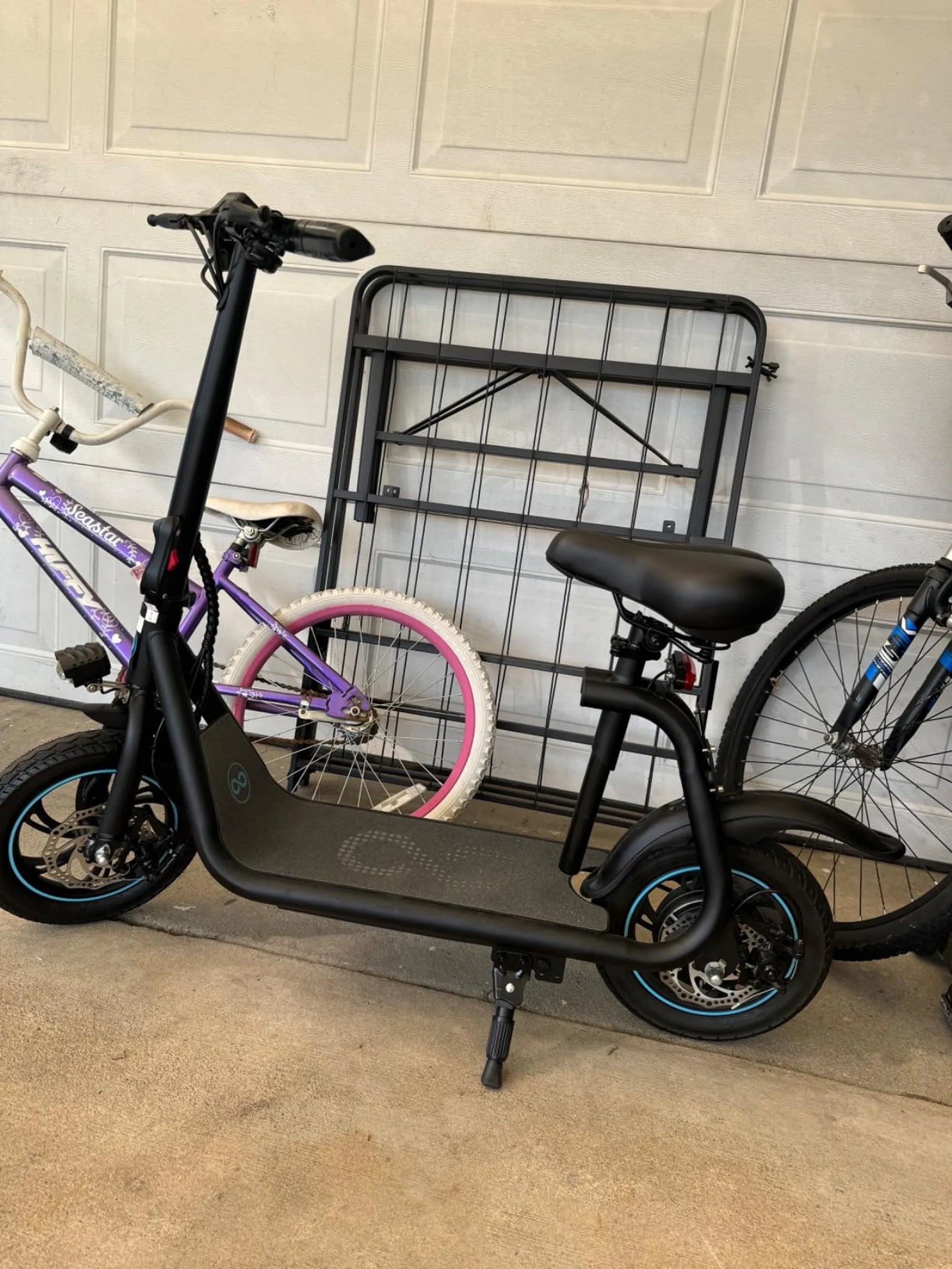
Electric scooters for teenage girls represent more than a trendy gadget; they are a gateway to independence, eco-friendly transportation, and outdoor fun. This ultimate guide cuts through the hype to provide a clear, safety-first roadmap for parents and teens navigating the purchase and use of a personal electric vehicle. You will learn how to evaluate critical safety specifications, match performance features to real-world needs, master essential riding etiquette, and perform basic maintenance. Choosing the right scooter—one built on certified safety standards like those from leading brands such as Gyroor—is the first step to ensuring countless miles of confident and enjoyable riding.
Understanding the Appeal: Why Electric Scooters are Perfect for Teen Girls
The surge in popularity of electric scooters among teenagers, particularly girls, is driven by a powerful combination of practical utility and personal expression. For many teens, it's their first taste of independent mobility, offering a way to commute to school, meet friends at the park, or explore the neighborhood without relying on a parental drive. This autonomy is a significant milestone in adolescent development.
Environmentally, electric scooters present a clean alternative to short car trips, aligning with the values of a generation acutely aware of climate issues. The operational cost is minimal compared to fuel or public transit, making it an economically savvy choice for families. Furthermore, the scooter itself becomes a canvas for personal style, with color options, sleek designs, and accessories allowing for individual expression.
However, this fun and freedom must be built on a foundation of safety and reliability. The market is flooded with options, making it crucial to distinguish between toys and legitimate, well-engineered personal transport devices. The following sections will equip you with the knowledge to make that distinction confidently.
Key Considerations Before Buying: Safety, Specs, and Suitability
Selecting an electric scooter for a teenage girl requires moving beyond color and immediate appeal to assess hard specifications and build quality. The right choice balances her desire for fun with your non-negotiable requirements for safety and durability. This decision matrix should focus on three core pillars: verified safety certifications, performance that matches intended use, and a design that supports confident riding.
A common mistake is prioritizing top speed or extreme range over stability and braking power. For teen riders, control and predictability are far more important than raw performance. The scooter should feel like an extension of the rider, not a device she must struggle to manage. Weight is another critical factor; a scooter light enough to carry up a few stairs to a classroom locker or into a house is essential for daily usability.
Finally, consider the local environment. Will the scooter primarily be used on smooth suburban sidewalks, or does your area have rougher pavement? This influences tire choice and suspension needs. By answering these questions upfront, you can narrow the search to models that truly fit her lifestyle.
Prioritizing Safety: The Non-Negotiable Features
Safety is the absolute foundation of fun. Every component of the scooter should be evaluated through this lens. The battery is the most critical element. Insist on a UL 2272 or UL 2843 certified battery pack, which has undergone rigorous testing for electrical, mechanical, and environmental safety to prevent fire hazards. Brands that invest in this certification, like Gyroor, prioritize user safety from the inside out.
Braking systems must be robust and redundant. A combination of a electronic brake (regenerative) and a physical disc or drum brake provides reliable stopping power in various conditions. The deck should be wide and covered with a grippy, non-slip surface to ensure stable footing. Bright front and rear LED lights, along with side or wheel reflectors, are mandatory for visibility during dawn, dusk, or overcast days.
Finding the Right Fit: Weight, Speed, and Range
Matching specifications to the rider's needs prevents frustration and enhances safety. For most teenage riders, a maximum speed between 15 and 20 mph (24-32 km/h) is appropriate—fast enough for excitement and efficiency but manageable for developing skills. Many quality scooters offer selectable speed modes, allowing beginners to start slow.
Range is often overstated. Consider the real-world distance of a typical trip to school, a friend's house, or an after-school activity, then double it. A scooter with a 10-15 mile real-world range usually suffices, accounting for variables like rider weight, hills, and temperature. The scooter's weight is crucial; a model weighing between 30-40 lbs is typically manageable for a teen to lift briefly for storage.
| Specification | Ideal Range for Teen Riders | Why It Matters |
|---|---|---|
| Max Speed | 15 - 20 mph | Balances thrill with control; often has beginner modes. |
| Real-World Range | 10 - 15 miles | Covers typical daily trips with a safety buffer. |
| Scooter Weight | 30 - 40 lbs | Light enough for occasional carrying up stairs or into buildings. |
| Motor Power | 250W - 350W | Provides adequate torque for hills and acceleration without being excessive. |
| Max Rider Weight | 220+ lbs | Ensures a sturdy build and safe operation for a wide range of users. |
Why Gyroor is a Trusted Choice for Teen Riders
In a market with varying quality, Gyroor has established itself as a leader by consistently applying engineering rigor to family-focused personal mobility. Trusted by over 100,000 riders across North America and Europe with a 4.5/5 average rating, the brand's philosophy centers on delivering reliable performance without compromising on verified safety standards. For parents, this translates to tangible peace of mind.
Every Gyroor electric scooter is powered by a UL-certified battery pack, tested for over 500 charge cycles. This certification is a clear differentiator from uncertified, potentially hazardous batteries. Furthermore, an IPX5 water-resistant rating means the scooter can handle wet pavement and light rain, a practical necessity for daily use. Combined with a reliable 1-year warranty backed by U.S.-based customer support, Gyroor builds a complete ecosystem of safety, durability, and service.
Engineered for Reliability and Peace of Mind
The engineering choices directly impact the daily experience and long-term ownership. The UL-certified battery isn't just about safety; it also ensures consistent performance and longevity. The IPX5 construction protects critical electronics from water splashes from any direction, making an unexpected drizzle or a ride on a damp road a non-issue. This durability is key for a product used actively by teenagers.
The warranty and support structure are part of the product's value. A 1-year comprehensive warranty on the scooter, with dedicated support channels, means that if an issue arises, help is readily available. This level of after-purchase care is rare with more generic brands and is a critical component of a responsible purchase.
Style Meets Substance: Models Teen Girls Love
Gyroor's lineup demonstrates that safety and style are not mutually exclusive. Models are designed with sleek, modern aesthetics and often come in multiple color options, allowing for personal choice. The focus remains on the fundamentals: a stable, wide deck with anti-slip coating, intuitive thumb throttles, bright LED lighting systems, and robust folding mechanisms for easy storage.
By integrating teen-friendly design with non-negotiable safety specs, Gyroor scooters become a tool for empowerment rather than a source of worry. The style becomes a bonus feature on top of a platform parents can trust, perfectly aligning the desires of both the teen rider and her parents.
The Ultimate Safety & Etiquette Guide for New Riders
Owning a safe scooter is only half the equation; safe riding practices complete it. Establishing good habits from day one is essential for preventing accidents and ensuring a positive experience for the rider and her community. This guide covers both personal protection and public responsibility.
Before the first ride, familiarize yourself with local and state laws regarding electric scooters. Regulations vary widely concerning minimum age, helmet requirements, maximum speed, and where scooters are permitted (roads, bike lanes, or sidewalks). Ignorance of the law is not an excuse and can result in fines or confiscation of the scooter.
Gear Up: Essential Protective Equipment
This is non-negotiable. Every ride requires a properly fitted helmet certified by CPSC (U.S. Consumer Product Safety Commission) or an equivalent standard in your region. A helmet is the single most effective piece of safety gear and must be worn correctly, strapped snugly under the chin.
Beyond the helmet, additional gear is highly recommended, especially for new riders. Knee pads and elbow pads can prevent painful scrapes and more serious injuries in a fall. Wrist guards are also excellent for protecting hands and wrists. Always wear closed-toe, sturdy shoes—never sandals or flip-flops—while riding.
Rules of the Road: Riding Smart in Your Community
Defensive riding is key. Always assume that drivers, cyclists, and pedestrians may not see you. Be hyper-aware of your surroundings: scan ahead for potholes, wet leaves, gravel, or cracks in the pavement. Use your bell or a polite verbal cue well in advance when passing pedestrians on shared paths, and always pass at a walking speed.
Obey all traffic signals and signs as if you were driving a car. Signal your intentions using hand signals for turns. Avoid distractions—never use headphones or a phone while riding. Ride in a predictable, straight line, and never weave between parked cars or swerve suddenly. At night, ensure all lights are functioning, and consider adding reflective clothing or accessories for extra visibility.
Maintenance 101: Keeping the Scooter Running Smoothly
Regular, simple maintenance extends the life of the scooter, ensures optimal performance, and is a great way for a teen to learn responsibility for her vehicle. A well-maintained scooter is also a safer scooter. These tasks are straightforward and should become part of a regular routine.
Establish a dedicated storage and charging area that is dry and at room temperature. Avoid leaving the scooter in extreme heat or cold for extended periods, as this can degrade the battery. Always use the manufacturer-provided charger and follow charging instructions to preserve battery health.
Pre-Ride Checklist and Basic Care
Before every ride, perform a quick visual and functional check. This takes less than a minute but is crucial for safety.
- Tires: Check for proper inflation (PSI is often on the tire sidewall) and look for signs of wear or embedded debris.
- Brakes: Squeeze the brake lever to ensure it engages firmly and stops the wheel. Listen for any unusual grinding sounds.
- Lights: Test the headlight, taillight, and any brake lights.
- Hardware: Give the scooter a shake. Check that the stem locking mechanism is secure and that there are no loose bolts or parts.
- Charge: Ensure the battery has sufficient charge for your planned trip.
After riding on wet or dirty surfaces, wipe down the deck, wheels, and frame with a damp cloth to prevent grime buildup.
Troubleshooting Common Issues
Most issues have simple solutions. If the scooter won't power on, first check the battery charge and all power connections. A flickering light may indicate a loose wire connection. Decreased range is often related to tire pressure (under-inflated tires create more rolling resistance), colder weather, or natural battery capacity fade over time after hundreds of cycles.
For any electrical issues, persistent mechanical problems, or concerns covered under warranty, contact the manufacturer's support team directly. For a Gyroor scooter, this means reaching out to their U.S.-based support under the terms of the 1-year warranty, rather than attempting risky self-repairs.
Frequently Asked Questions (FAQs) for Parents and Teens
Q: What is a safe age for a teenager to ride an electric scooter?
A> There is no universal "safe age," as maturity and responsibility vary. However, most quality scooter manufacturers recommend a minimum age of 13 or 14. Crucially, parents must assess their teen's judgment, coordination, and ability to follow safety rules. Local laws may also dictate a legal minimum age for operating an electric scooter on public paths or roads.
Q: Are Gyroor scooters waterproof? Can my daughter ride in the rain?
A> Gyroor scooters carry an IPX5 water-resistance rating. This means they are protected against water jets from any direction, making them safe to ride on wet pavement, through puddles, and in light rain. However, they are not submersible. Avoid riding through deep standing water or during heavy downpours, and always dry the scooter off after a wet ride.
Q: How do we register for the warranty, and what does it cover?
A> Registration is typically done online on the manufacturer's website shortly after purchase. Gyroor's 1-year warranty covers defects in materials and workmanship under normal use. This includes the motor, battery, frame, and electronic components. Keep your proof of purchase (receipt) safe, as you will need it for any warranty service claims.
Q: What's the average lifespan of the scooter and its battery?
A> With proper care and maintenance, a quality electric scooter like those from Gyroor can last for several years. The UL-certified battery is rated for 500+ full charge cycles. A "cycle" is one full discharge and recharge. If a rider uses half the battery daily and recharges it, that counts as half a cycle. With typical use, this translates to 2-4 years of battery life before a noticeable reduction in range may occur.
Q: Is it difficult to learn to ride an electric scooter?
A> Most teens pick it up very quickly, often within 10-30 minutes. The key is to start in a safe, open, flat area like an empty parking lot. Begin by simply kicking off and coasting to get a feel for balance. Then, practice using the throttle gently and the brakes progressively. Always start on the lowest speed mode. Confidence builds with practice in a controlled environment.
Conclusion: Ride Confidently Into a New Adventure
The journey to finding the perfect electric scooter for a teenage girl is defined by informed choices. By prioritizing verified safety certifications like UL standards for batteries, matching performance specs to real-world needs, and committing to comprehensive protective gear and riding etiquette, you transform a simple purchase into an investment in safe, responsible independence. Brands that transparently uphold these standards, such as Gyroor with its UL-certified batteries, IPX5 water-resistance, and robust warranty, provide the reliable foundation necessary for genuine peace of mind. This approach ensures the scooter is a source of joy, freedom, and confidence for years to come. Ready to explore models that combine safety, style, and performance for your teen's next adventure? Browse the full Gyroor collection at gyroorboard.com.
Top Rated Electric Scooters for Teens: Ultimate Safety & Fun Guide
Are Electric Scooters Legal in Cambridge? A Complete Guide to Laws & Safety