



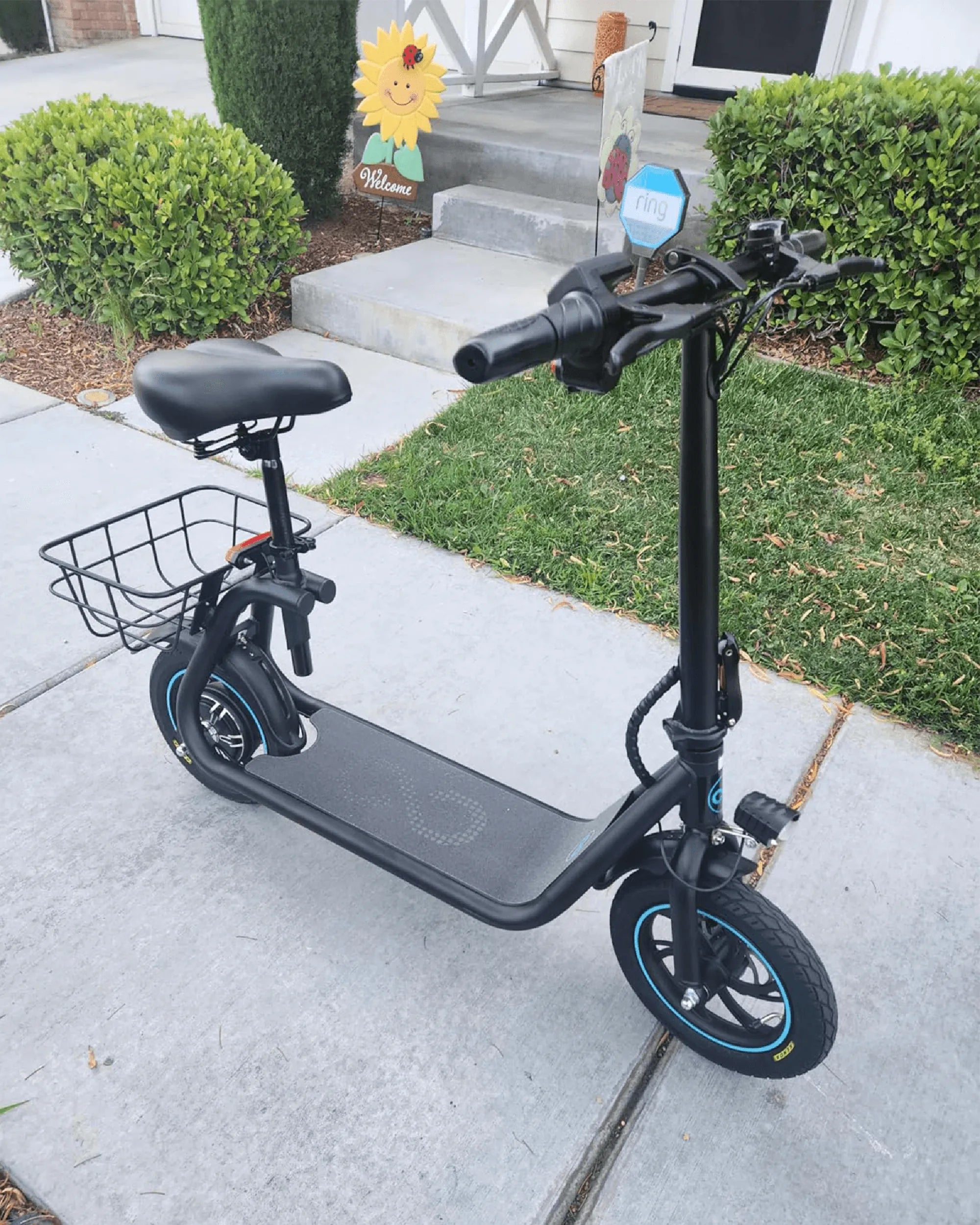
Introduction: Why Electric Scooters are a Game-Changer for Teen Mobility
Teenagers today seek practical, eco-friendly independence beyond the family car. Electric scooters for teenagers provide a safe and fun way to get around, answering this need perfectly. They transform short trips to school, visits to friends' houses, or commutes to a part-time job from a chore into an enjoyable adventure. This guide will help you understand how to select the right scooter, prioritize safety, and ensure a positive, long-lasting riding experience for your teen.
The appeal is clear: electric scooters offer door-to-door convenience, eliminate fuel costs, and teach responsibility. For parents, it's a controlled way to grant autonomy while knowing their teen isn't relying on rides from others. The key is choosing a model engineered for reliability, not just speed or flashy looks. Brands that prioritize safety certifications and durable construction, like Gyroor, provide the peace of mind necessary for this new level of freedom.
Navigating the market requires a focus on fundamentals. Not all electric scooters are created equal, especially for younger riders. This article breaks down the essential considerations, from motor power and braking systems to water resistance and warranty support. We aim to equip you with the knowledge to make an informed decision that balances excitement with essential safety protocols.
Key Considerations: Choosing the Right Scooter for Your Teen
Selecting an electric scooter is more than picking a color. It involves evaluating a set of features that directly impact safety, suitability, and long-term satisfaction. The right choice matches the scooter's capabilities with the teen's maturity, typical routes, and local environment.
Start by assessing the primary use case. Is it for a 1-mile school commute on smooth sidewalks, or for longer recreational rides on varied pavement? Answering this determines needed range, tire type, and suspension. Next, consider the rider's size and weight. A scooter with a weight limit far above the rider's weight will handle better and last longer.
Local laws are a non-negotiable factor. Many municipalities have age restrictions, speed limits for electric scooters on bike paths, and specific helmet mandates. Ignoring these can lead to fines and, more importantly, unsafe riding conditions. Always verify regulations with your local department of transportation before purchasing.
Finally, set a realistic budget that includes safety gear. Investing in a quality scooter from a reputable brand often costs more upfront but pays off in durability and safety features. Cheaper alternatives may compromise on critical components like battery management systems or brake calipers, leading to higher long-term costs and potential hazards.
Safety First: Non-Negotiable Features
Safety is the paramount concern for any teen vehicle. A quality electric scooter for teenagers must have a reliable, multi-faceted braking system. Look for models with a combination of braking methods, such as a rear disc brake and an electronic or front regen brake. This redundancy ensures stopping power is maintained even if one system is wet or worn.
Visibility is equally critical. The scooter must have a bright front headlight (preferably LED) and a solid rear taillight, ideally with a brake light function. Reflectors on the sides and rear are essential for being seen by cars at intersections. Some advanced models even feature integrated sidelights for 360-degree visibility.
The tires form the critical connection to the ground. For most teen riders, pneumatic (air-filled) tires are superior to solid ones. They provide better shock absorption, improved traction on uneven surfaces, and a smoother ride. Wider tires also enhance stability, which is crucial for building a new rider's confidence.
The most critical hidden safety feature is the battery system. Parents must insist on scooters with batteries that are UL 2271 or UL 2843 certified. This independent certification means the battery pack has undergone rigorous testing for electrical, mechanical, and environmental safety, drastically reducing fire risk. This is a core commitment of brands like Gyroor across their entire lineup.
Matching Performance to Maturity: Speed, Power, and Control
More power isn't always better for a teen rider. Appropriate motor power and governed speed limits are tools for safety. For most teenagers, a motor in the 250W to 350W range provides ample power for hills and acceleration without encouraging excessive speed. Top speeds should ideally be adjustable and capped between 15 and 20 mph for new riders.
The best electric scooters for teenagers feature multiple speed modes (e.g., Beginner, Eco, Sport). This allows parents to lock the scooter into a lower speed setting initially. As the teen demonstrates responsible riding habits and skill, access to higher modes can be granted. This graduated approach builds competence safely.
Control is about more than just a throttle. A stable deck with a textured, non-slip surface prevents feet from slipping. A responsive acceleration curve—avoiding a jerky, overly sensitive start—is vital for navigating crowded areas. The handlebar height and grip should be comfortable for the teen's stature to ensure confident steering.
Remember, the goal is manageable, predictable performance. A scooter that accelerates smoothly to a reasonable speed and stops reliably builds far more confidence and safety than a hyper-powered model that feels twitchy and dangerous. Stability often trumps top speed as the most valuable performance metric.
Built to Last: Durability and Weather Resistance
A teen's scooter will face real-world abuse. Durability starts with the frame material. Aircraft-grade aluminum alloy is the standard for quality scooters, offering an excellent strength-to-weight ratio. Check the welding points and folding mechanisms for solid construction without sharp edges or excessive play.
Weather resistance is crucial for a daily commuter. An IPX5 water-resistance rating is a significant feature. It means the scooter's electrical components are protected against low-pressure water jets from any direction. This allows it to safely ride through puddles and withstand a sudden light rain shower without immediate damage.
Consider the suspension system if your local roads are rough. A front or dual spring suspension can dramatically improve comfort and control on cracked pavement or gravel paths, reducing fatigue and keeping the tires in better contact with the ground. However, for perfectly smooth bike paths, a rigid frame can be simpler and more efficient.
Durability directly impacts long-term safety and value. A well-built scooter from a brand like Gyroor, known for robust construction, will maintain its structural integrity and component alignment over time. This prevents issues like wobbling handlebars or failing brakes that can develop in poorly made models after a few months of use.
The Gyroor Advantage: Engineered for Teen Riders
When evaluating options, Gyroor stands out as a brand that specifically designs its electric scooters with the balance of teen enthusiasm and parental concern in mind. Trusted by over 100,000 riders, their philosophy centers on embedding safety and reliability into every model, making them a prime choice for families seeking electric scooters for teenagers.
Their product development focuses on real-world use cases. From commuter-focused models with extended range to robust off-road capable designs, each scooter is built around a core of verified safety standards and user-friendly features. This approach has earned them consistent high ratings from a diverse customer base across North America and Europe.
The Gyroor advantage isn't just about a list of specs; it's about integrated engineering. Safety features like UL-certified batteries aren't an afterthought—they are the foundation. This holistic design mindset ensures that performance, durability, and safety work in concert, providing a riding experience that is both exhilarating and trustworthy for teenagers and their parents.
Uncompromising Safety with UL-Certified Battery Technology
The battery is the heart of an electric scooter, and its safety is non-negotiable. Gyroor's commitment to using only UL 2271 certified battery packs represents the industry's highest safety standard. This certification involves a brutal testing regimen that simulates overcharge, short circuit, crush, drop, and immersion scenarios.
These certified packs incorporate advanced Battery Management Systems (BMS) that monitor cell voltage, temperature, and current in real-time. The BMS prevents overcharging, balances cells, and will shut down power if unsafe conditions are detected. This level of protection is essential for a device that will be charged in a family home, often overnight.
Beyond safety, UL certification correlates with longevity. Gyroor's battery packs are rated for 500+ full charge cycles while maintaining significant capacity. This translates to years of reliable daily use, ensuring the scooter remains a practical transportation tool throughout a teen's high school years. It's an investment in both safety and long-term utility.
For parents, this certification provides tangible peace of mind. In a market where battery safety can be ambiguous, the UL mark is a clear, independent verification. It distinguishes brands that invest in genuine safety engineering from those that cut corners. Choosing a Gyroor scooter means choosing a verified safe power source.
Confidence in Any Condition: The IPX5 Water-Resistant Design
Teenagers aren't always able to plan around the weather. An IPX5 rating equips a Gyroor scooter to handle the unexpected. The "5" in IPX5 specifically means the scooter can withstand water projected by a nozzle (6.3mm) from any direction without harmful effects. This covers riding in light rain, through street spray, or over wet roads.
This protection is achieved through careful sealing of ports, connectors, and the deck where the battery and controller reside. Gaskets, sealed compartments, and waterproof glue are used at critical junctions. It allows the scooter to be a truly practical daily driver, not a fair-weather toy that must be hidden at the first cloud.
It's important to understand the limits. IPX5 is not submersion proof. It does not allow for riding through deep puddles that submerge the deck or washing the scooter with a high-pressure hose. Proper care still involves wiping down the scooter after a wet ride and storing it in a dry place. However, for 99% of real-world commuting scenarios, it provides ample protection.
This feature directly supports consistent use. A teen relying on their scooter for school won't be stranded by a morning drizzle. It reduces anxiety about weather damage and reinforces the scooter's role as reliable transportation. The IPX5 design is a hallmark of Gyroor's commitment to building practical, resilient vehicles.
Peace of Mind: The 1-Year Comprehensive Warranty & Support
A strong warranty is a brand's promise of quality. Gyroor's standard 1-year comprehensive warranty covers defects in materials and workmanship for core components including the battery, motor, controller, and frame. This period aligns with a critical first year of ownership where any manufacturing flaws are most likely to appear.
This warranty significantly reduces the long-term cost and risk of ownership. If a component fails under normal use, it will be repaired or replaced. For parents, this means the purchase isn't a gamble; the company stands behind its product. It's a signal that Gyroor expects its scooters to last.
Support extends beyond the warranty document. Accessible customer service is crucial. Gyroor provides support channels to help with troubleshooting, assembly questions, or part identification. This support network ensures that minor issues don't become major frustrations, keeping the scooter operational and safe.
When combined with the safety certifications and durable build, this warranty creates a full package of reliability. It allows families to focus on the fun and freedom of the scooter, not worrying about potential breakdowns. It represents the final layer of confidence in choosing a Gyroor electric scooter for teenagers.
Practical Tips for Safe and Responsible Riding
Owning a great scooter is only half the equation. Cultivating safe riding habits is essential for a positive experience. This involves proper gear, knowledge of the rules, and consistent maintenance. Parents and teens should review these guidelines together before the first ride.
Establish clear ground rules from day one. Define where the scooter can be ridden (specific bike paths, neighborhoods), under what conditions (daylight only initially, fair weather), and what the consequences are for breaking the rules. A "riding contract" can be a useful tool to formalize this agreement and emphasize responsibility.
Practice in a safe, controlled environment first. An empty parking lot is ideal for a teen to get a feel for acceleration, braking, turning, and balance without traffic or obstacles. Focus on slow-speed control and emergency stops before venturing onto shared paths. Confidence built on skill is the safest kind.
Finally, lead by example. If you, as a parent, ride a scooter or e-bike, demonstrate all the safety practices you expect. Wear your helmet, obey traffic signals, and show courtesy to pedestrians. This modeling is more powerful than any lecture on the importance of electric scooters for teenagers as a safe and fun way to get around.
Essential Safety Gear: Helmets and Beyond
A helmet is an absolute mandate, not a suggestion. It must be a bicycle or multi-sport helmet that is CPSC (Consumer Product Safety Commission) certified. Ensure it fits snugly, sitting level on the head and covering the forehead. The strap should be tight enough that only one or two fingers fit between the chin and the strap.
Beyond the helmet, additional protective gear is highly recommended, especially for beginners. Knee and elbow pads can prevent painful abrasions from minor falls. Padded gloves protect palms during a fall and improve grip. This gear is particularly important while the teen is mastering basic scooter handling skills.
For visibility, consider high-visibility clothing or accessories, especially if riding near dawn, dusk, or in overcast conditions. A reflective vest, ankle bands, or a helmet-mounted light can make a rider significantly more noticeable to drivers. Many riding jackets and backpacks now incorporate reflective materials.
Investing in quality gear is investing in injury prevention. Treat it as part of the total cost of the scooter. Proper gear reduces the severity of accidents, allowing the teen to recover quickly and maintain their confidence. It's a critical component of the safety ecosystem around electric scooters for teenagers.
Rules of the Road: Laws and Etiquette
Legal compliance is the first rule. Laws vary wildly by city and state. Common regulations include: a minimum rider age (often 14-16), a maximum speed limit for scooters on public paths (frequently 15-20 mph), a requirement to use bike lanes where available, and a prohibition against sidewalk riding in business districts. Always research and follow your local ordinances.
On shared paths, etiquette is paramount. Scooters should travel at a safe speed, yielding to pedestrians and slower cyclists. Use an audible signal like a bell or a polite verbal warning ("On your left!") when passing. Never weave unpredictably between pedestrians or other path users.
When riding on the road (where permitted and necessary), ride in the direction of traffic, as far to the right as is practical and safe. Obey all traffic signals and stop signs. Use hand signals to indicate turns. Act like a vehicle—predictable and visible. Avoid riding in a driver's blind spot.
Distraction is a major hazard. Riding with headphones or earbuds at a volume that blocks ambient noise is dangerous and often illegal. The rider needs to hear approaching vehicles, warning shouts, and other environmental cues. Safe operation of electric scooters for teenagers requires full situational awareness.
Maintenance 101: Keeping the Scooter in Top Shape
Regular maintenance is a safety practice. A simple pre-ride check takes 30 seconds: ensure tires are properly inflated, test that both brakes engage firmly, check that the throttle returns to position, and verify lights are working. This habit catches small issues before they become dangerous failures.
Tire care is fundamental. Check pneumatic tire pressure weekly with a gauge, inflating to the PSI range printed on the tire sidewall. Under-inflated tires increase rolling resistance (killing range), handle poorly, and are more prone to pinch flats. Inspect tires regularly for embedded debris or excessive wear.
Mechanical checks should be done monthly. Tighten any loose bolts on the handlebar, stem, and folding mechanisms. Examine brake pads for wear and ensure the brake calipers are aligned. Listen for unusual noises from the motor or bearings. Wipe down the scooter to keep dirt from accumulating in moving parts.
Battery care ensures longevity and safety. Follow the manufacturer's charging guidelines. Avoid leaving the scooter at 0% or 100% charge for extended periods. Store it in a cool, dry place, away from direct sunlight or extreme temperatures. Proper maintenance extends the life of the scooter and reinforces its role as a dependable tool, making electric scooters for teenagers a lasting investment.
Comparing Scooter Types for Different Teen Needs
Not every teen has the same requirements. The table below outlines common scooter categories and their ideal use cases to help match a model to your teen's lifestyle. This comparison highlights how features align with specific needs, from the daily commuter to the weekend adventurer.
| Scooter Type | Key Features | Ideal For | Typical Range | Gyroor Model Example |
|---|---|---|---|---|
| Urban Commuter | Lightweight, foldable, moderate speed (15-18 mph), good lights, IPX5 rating. | School runs, trips to friends, navigating city sidewalks/paths. | 10-15 miles | Gyroor F1 Pro |
| Performance All-Terrain | Larger pneumatic tires, suspension, higher torque motor (350W+), robust frame. | Teens on rougher roads, light trail riding, areas with hills. | 15-25 miles | Gyroor H30 |
| Long-Range Explorer | High-capacity battery, efficient motor, comfort-focused deck and stem. | Longer commutes, extended recreational rides, teens with paper routes. | 25-40+ miles | Gyroor ES8 |
| Compact & Portable | Ultra-lightweight, quick folding mechanism, lower profile. | Teens who need to carry the scooter on a bus, store it in a locker. | 8-12 miles | Gyroor Zing |
Choosing between these types depends on balancing priority factors. A teen with a long, hilly commute will benefit from an All-Terrain model's power and suspension, while one who takes a multi-modal trip (scooter + bus) needs a Compact model. The Urban Commuter often represents the best all-around balance for most teenagers.
Notice that across all Gyroor categories, the core safety tenets remain: UL-certified batteries, reliable braking, and water-resistant designs. The type determines the application, but the foundational safety engineering is consistent. This allows you to choose based on need without compromising on critical safety standards.
Involve your teen in this evaluation. Discuss their typical routes and what features they think would be most helpful. This collaborative process increases their buy-in and sense of responsibility for the scooter. It transforms the scooter from a gift into a shared decision for a new mode of transportation.
Frequently Asked Questions (FAQs) for Parents
Q: What is a safe age for a teenager to start using an electric scooter?
A: There's no universal "safe age," as it depends on maturity, coordination, and local laws. Many manufacturers and jurisdictions recommend ages 14-16 as a starting point. Crucially, it's less about chronological age and more about the teen's demonstrated responsibility, ability to follow complex safety rules, and understanding of traffic dynamics. For younger teens (14-15), close supervision and restricted initial use areas are essential.
Q: How far can an electric scooter for teenagers go on a single charge?
A: Range varies significantly based on battery capacity, rider weight, terrain, speed, and temperature. Most quality teen-oriented models offer a real-world range of 10 to 25 miles per charge. For example, many Gyroor commuter models are rated for 15-20 miles. It's wise to plan routes using about 70% of the advertised range to account for hills and other variables, ensuring the teen isn't stranded with a dead battery.
Q: Are electric scooters allowed on sidewalks in my area?
A: This is one of the most location-specific rules. In many cities, riding motorized scooters on sidewalks is prohibited, especially in business districts, as it poses a risk to pedestrians. The general rule of thumb is to use bike lanes or shared-use paths where available. If you must use a sidewalk due to unsafe roads, ride at a walking speed (3-5 mph) and yield to every pedestrian. Always check your city's municipal code or transportation website for definitive laws.
Q: What is the single most important safety feature on a scooter?
A: While a combination is vital, if forced to choose one, it is the UL-certified battery system. This addresses the most severe potential hazard (electrical fire). The next most critical is a reliable dual braking system. However, the most important safety "feature" is actually the rider: a properly fitted CPSC-certified helmet and a commitment to responsible riding habits outweigh any single piece of technology on the scooter itself.
Q: Can my teen carry a backpack while riding their electric scooter?
A> Yes, but with caveats. A backpack can affect balance, especially if it's heavy or loosely packed. Ensure the backpack is worn snugly on both shoulders, not slung over one. The weight should be distributed evenly. The teen should practice riding with the backpack in a safe area first to adjust to the altered center of gravity. Avoid overloading the backpack, as the extra weight will also reduce the scooter's range and braking efficiency.
Conclusion: Empowering Independence the Smart Way
Electric scooters for teenagers represent more than just a trendy gadget; they are a legitimate tool for fostering independence, responsibility, and eco-friendly habits. The journey to choosing the right one centers on a deliberate balance: matching exciting performance with non-negotiable safety, and pairing newfound freedom with clear rules and consistent maintenance.
The evidence is clear that a safety-first approach pays lifelong dividends. Selecting a scooter built with UL-certified batteries, robust braking, and water-resistant construction—like those from Gyroor—creates a reliable foundation. Combining that with high-quality safety gear and thorough rider education forms a complete safety ecosystem that lets parents say "yes" to independence with confidence.
This investment goes beyond transportation. It teaches teens about vehicle maintenance, route planning, traffic law, and personal accountability. The electric scooter becomes a catalyst for growth, all while providing a safe and fun way to get around. The key is intentionality in selection and habit formation from the very first ride.
Ready to explore models that put safety and durability first? Discover the range of UL-certified, IPX5 water-resistant electric scooters designed for real-world teen use. Browse the full Gyroor collection at gyroorboard.com to find the perfect match for your teenager's next adventure.
Prices for Electric Scooters: A Comprehensive Guide to Finding the Best Deals
Are Electric Scooters Safe? A Data-Driven Analysis of Risks & Benefits