



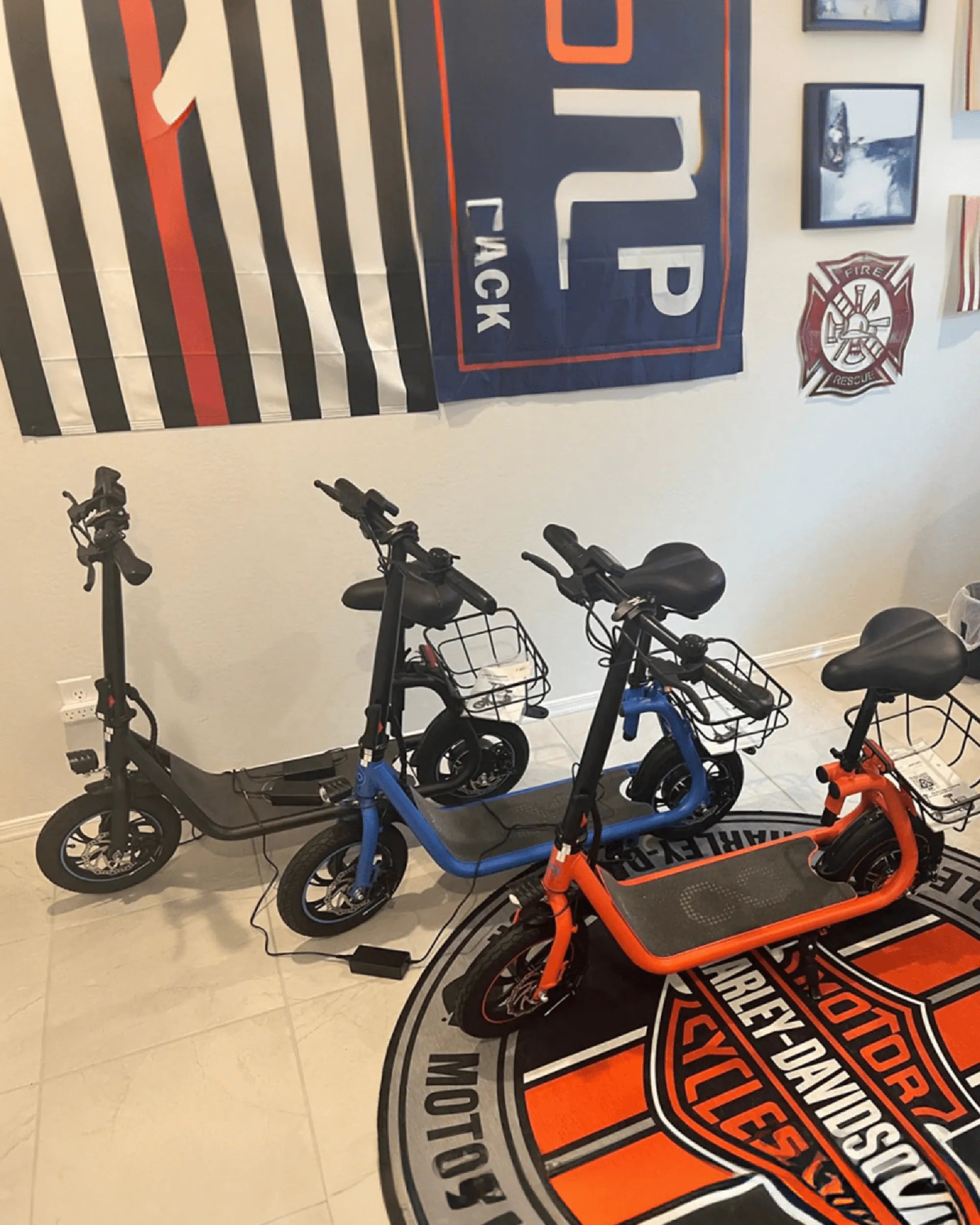
Your Journey to Confident E-Scooter Riding Starts Here
The electric scooter revolution is transforming urban mobility, offering a fun, efficient, and eco-friendly alternative to short car trips. Yet, the excitement of zipping through city streets comes with practical questions about safety, legality, and choosing the right machine. This comprehensive Electric Scooters Guide: Everything You Need to Know Before Riding is your definitive resource. We'll cut through the marketing hype with factual data, clear explanations, and practical steps to help you choose, use, and maintain your e-scooter confidently, positioning you to make an informed decision from a trusted authority in reliable personal transport.
This guide is structured to take you from complete novice to informed rider. We begin by demystifying how electric scooters work and the different types available. Next, we cover the critical pre-ride checklist of laws and safety gear. A detailed buyer's guide helps you match a scooter to your needs, followed by essential operation and maintenance tutorials. Our goal is to ensure your first ride is safe, legal, and exhilarating. As a leader in the industry, Gyroor—a brand trusted by over 100,000 riders across North America and Europe—exemplifies the build quality and safety standards you should look for, with features like UL-certified batteries and IPX5 water resistance.
Understanding Electric Scooters: Types, Key Components, and How They Work
At its core, an electric scooter is a personal transportation device powered by a rechargeable battery that drives an electric motor, typically located in one or both wheels. Understanding the basic categories and components is the first step in making an educated purchase. The three primary types are commuter, off-road, and foldable models, each designed for specific environments and use cases.
Commuter scooters prioritize portability, weight, and a smooth ride on paved surfaces. Off-road models feature larger, often pneumatic tires, more suspension travel, and higher torque motors for tackling trails. Foldable scooters, a subset of commuter designs, emphasize compact storage for multi-modal travel. The key components defining performance are the motor, battery, controller, braking system, and tires. The motor provides propulsion, the battery stores energy, and the controller acts as the brain, regulating power delivery based on your throttle input.
Most modern scooters use hub motors integrated into the wheel, which are efficient and low-maintenance. The battery, measured in watt-hours (Wh), is the heart of the scooter, determining its range and, critically, its safety. A high-quality battery management system (BMS) and certification from organizations like UL are non-negotiable for safety. The brakes—disc, drum, or regenerative—are your primary safety mechanism, while tire type (solid vs. pneumatic) dramatically affects comfort and traction.
Decoding the Specs: What Motor Power, Range, and Battery Life Really Mean for You
Manufacturer specifications can be misleading without context. Motor power, listed in watts (W), indicates potential speed and hill-climbing ability. A 250W motor is suitable for flat terrain, while 500W+ is needed for moderate hills. For steep inclines or heavier riders, 800W to 1000W motors are recommended. Remember, continuous wattage is more important than peak wattage for sustained performance.
Advertised range is the most commonly inflated spec. It's typically calculated under ideal conditions: a lightweight rider on flat ground at low speed. Real-world range can be 40-60% of the advertised figure. Factors like rider weight, hills, frequent acceleration, cold weather, and tire pressure all drain the battery faster. A scooter advertised for 25 miles may reliably deliver 15 miles for an average commuter.
Battery life refers to both per-charge range and long-term longevity. Battery health is measured in charge cycles. A quality UL-certified battery, like those used in Gyroor models, is tested for 500+ full charge cycles while maintaining significant capacity. Proper care, such as avoiding complete discharge and extreme temperatures, is crucial for maximizing this lifespan. Voltage (V) and amp-hour (Ah) ratings multiply to give watt-hours (Wh), the true measure of energy capacity.
The Pre-Ride Checklist: Laws, Safety Gear, and Essential Accessories
Before your first ride, preparation is paramount. This checklist ensures you are legal, safe, and equipped for a smooth experience. First and foremost, research and understand your local e-scooter regulations—these vary wildly and are non-negotiable. Next, invest in proper safety gear; a helmet is the absolute minimum, not an option.
Essential safety gear extends beyond a helmet. For any riding, especially at night, bright, reflective clothing or vests are crucial. Sturdy, closed-toe shoes provide protection and control. Many experienced riders also recommend knee and elbow pads, particularly for beginners or those using higher-speed models. Your scooter must have functional front and rear lights; adding extra, brighter lights increases your visibility to drivers.
Accessories enhance convenience, security, and safety. A high-quality U-lock or heavy-duty chain lock is mandatory for any public parking. A phone mount allows for navigation without compromising control. A portable tire pump and pressure gauge are vital for maintaining pneumatic tires. Finally, consider a storage bag or handlebar basket for carrying personal items, keeping your hands free and your balance secure.
Navigating Local E-Scooter Laws: A Rider's Responsibility
E-scooter legality is a complex patchwork of city, county, and state regulations. Ignorance is not a valid defense, so proactive research is a core rider responsibility. Common legal frameworks govern where you can ride, speed limits, age restrictions, and equipment requirements.
Most municipalities prohibit riding on sidewalks, designating bike lanes or roads with speed limits under 25-35 mph as the legal riding zones. Speed limits for e-scooters themselves are often capped at 15-20 mph. Age restrictions commonly require riders to be 16 or 18 years old. Helmet laws vary; some mandate them for all riders, others only for minors. DUI laws universally apply to e-scooters just as they do to cars.
You must check your specific city's transportation or police department website for the latest rules. Regulations can change rapidly, and what's legal in one city may be prohibited in the next. Responsible riding under the law not only keeps you safe from fines but also fosters positive relations between riders, pedestrians, and city officials, paving the way for better infrastructure.
Choosing Your Perfect Ride: A Data-Driven Buyer's Guide
Selecting an electric scooter is a balance of priorities: use case, budget, performance, and portability. Use this decision matrix to narrow your focus. Define your primary need: daily urban commuting, weekend recreational fun, or off-road adventure. Your answer dictates the necessary features and compromises.
| Primary Use Case | Key Priorities | Recommended Spec Range | Potential Compromises |
|---|---|---|---|
| Urban Commuting | Portability, Range, Reliability | Weight: Under 35 lbs, Range: 15+ mi real-world, Motor: 350W+ | Top Speed, Off-road capability |
| Recreation & Fun | Speed, Comfort, Features | Speed: 20+ mph, Suspension, Motor: 500W+ | Weight, Portability |
| Off-Road/All-Terrain | Torque, Suspension, Tire Size | Motor: 800W+ (Dual-motor ideal), Pneumatic Tires, Full Suspension | Weight, Price, Range |
Your budget is a major factor. Entry-level scooters ($300-$600) suit short, infrequent trips. Mid-range models ($600-$1200) offer the best balance of performance, range, and build quality for most commuters. Premium scooters ($1200+) provide top-tier power, range, and advanced features like dual motors and hydraulic brakes. Always factor in the cost of essential safety gear and a quality lock.
Consider portability if you need to carry your scooter onto public transit or up stairs. Weight is the key metric; models under 30 pounds are manageable, while those over 45 pounds become a significant burden. Folding mechanism ease and lock security are also critical portability factors. A scooter that's a hassle to transport will quickly fall out of your daily routine.
Key Features Comparison: Why Build Quality and Warranty Matter
Beyond headline specs, durability features determine long-term satisfaction and safety. The IP (Ingress Protection) rating indicates resistance to dust and water. An IPX5 rating, common on models like those from Gyroor, means the scooter can withstand water jets from any direction, making it safe to ride in rain and through puddles. This is essential for all-weather readiness.
Frame construction is foundational. Aircraft-grade aluminum alloys offer the best strength-to-weight ratio. Inspect weld points and folding mechanisms for solidity; these are high-stress areas. Brake systems vary: disc brakes offer the strongest stopping power, especially in wet conditions, while drum brakes are lower maintenance. Regenerative braking adds minor range recovery but should not be relied upon as a primary brake.
A comprehensive warranty and accessible customer support are your safety net. A reputable brand will offer at least a 1-year warranty on the frame, motor, and controller, with a clear policy on the battery. Transparent support channels (email, phone, chat) are crucial. This commitment signals the manufacturer's confidence in their product's longevity and their dedication to customer satisfaction post-purchase.
Mastering the Ride: Operation, Maintenance, and Troubleshooting Tips
Safe operation begins with a controlled environment. For your first ride, find an empty parking lot. Practice mounting, dismounting, and kicking off to get a feel for balance before engaging the motor. Start in the lowest speed setting. Master smooth acceleration and braking; jerky inputs are the leading cause of beginner falls. Always look and steer in the direction you want to go, and keep your weight centered.
Riding in traffic requires defensive vigilance. Act like a vehicle, signaling your intentions, obeying traffic signs, and making eye contact with drivers. Assume you are invisible. Avoid blind spots, and be extra cautious at intersections. Use bike lanes where available, and if you must take the lane, do so confidently to prevent unsafe passing. Scan the road surface ahead for potholes, gravel, and debris.
Basic maintenance is simple but essential. Weekly, check tire pressure (for pneumatic tires), test brake lever responsiveness, and ensure all bolts (especially around the stem and folding mechanism) are tight. Keep the scooter clean, especially the brake discs and wheel rims, with a damp cloth. Avoid high-pressure water jets on electrical components. Store your scooter in a dry, temperate place, away from extreme heat or cold.
Maximizing Battery Health and Scooter Longevity
Battery care is the single most important factor for long-term scooter health. Avoid regularly draining the battery to 0%. Try to recharge when it drops to 20-30% capacity. Similarly, for daily use, charging to 80-90% is better for longevity than always charging to 100%. Use only the manufacturer-provided charger.
For storage longer than a week, leave the battery charged to approximately 50-70%. Never store a fully depleted or fully charged battery for extended periods, as both states accelerate degradation. Temperature is critical: avoid charging or storing the battery in environments below freezing or above 95°F (35°C). Never charge a battery immediately after a ride; let it cool to room temperature first.
Physical care protects your investment. Keep the scooter dry and clean. Check for loose parts regularly. If you hear unusual noises from the motor, brakes, or folding mechanism, investigate immediately. Adhering to the manufacturer's weight limit prevents undue stress on the frame, motor, and tires. Following these practices ensures your scooter remains a reliable companion for years.
Frequently Asked Questions (FAQs) for New E-Scooter Riders
Q: Do I need a license or insurance to ride an electric scooter?
A: In most jurisdictions, a driver's license is not required for lower-speed e-scooters (typically under 20 mph), but you must be of a minimum age (often 16+). Insurance is rarely mandatory for privately owned scooters, but it's wise to check if your renters or homeowners policy covers liability. Always verify local laws.
Q: How do I safely ride in traffic and navigate intersections?
A: Position yourself visibly in the lane, follow all traffic signals, and use hand signals for turns. At intersections, make eye contact with drivers before proceeding. Never assume a driver sees you or will yield the right-of-way. Crosswalk buttons are often usable if sidewalk riding is permitted to cross.
Q: Can my electric scooter get wet?
A> It depends on its IP rating. Scooters with an IPX4 rating can handle light rain and splashes. Models with an IPX5 or higher rating, like many from Gyroor, are designed to withstand heavier rain and water jets. Never submerge any part of the scooter, and avoid deep puddles that could reach the deck or controller.
Q: What's the true total cost of ownership?
A> Beyond the purchase price, factor in essential accessories: a quality helmet ($50-$150), a robust lock ($50-$100), and possibly lights or a phone mount. Long-term costs include electricity for charging (negligible), occasional tire replacements (for pneumatic tires), and potential brake pad changes after several hundred miles of use.
Q: How do I transport or store my scooter securely?
A> For transport, most foldable models fit in a car trunk. Use a cover to protect interiors. For public transit, fold it neatly. For storage at home, a dry, indoor space is best. For public parking, always use a high-security lock (U-lock) to secure the scooter's frame to a fixed, immovable object. Remove the battery if possible for very long public parking sessions.
Embrace the Ride with Knowledge and Confidence
This Electric Scooters Guide: Everything You Need to Know Before Riding has equipped you with the foundational knowledge to enter the world of e-scooters not as a novice, but as an informed participant. The journey begins with understanding the machine, respecting the law, and prioritizing safety above all else. Your choice of scooter should be a deliberate match for your lifestyle, backed by the build quality and reliable warranty of a trusted brand.
The true joy of electric scooting comes from the freedom of efficient, enjoyable movement. That freedom is sustained through diligent maintenance, particularly of the battery, and a constant commitment to defensive, lawful riding. By making an educated purchase and adopting safe habits, you transform a simple vehicle into a reliable key to navigating your city with newfound agility and fun. Now, you are ready to ride with confidence.
Ready to find your perfect electric scooter? Explore a range of models built with safety and reliability at their core. Browse the full Gyroor collection, featuring UL-certified batteries, IPX5 water-resistant designs, and a reliable 1-year warranty, at gyroorboard.com.
Electric Scooters Valencia: The Ultimate Guide to Eco-Friendly Commuting
Best Electric Scooters for Winter: Top Picks for Cold Weather Commuting