



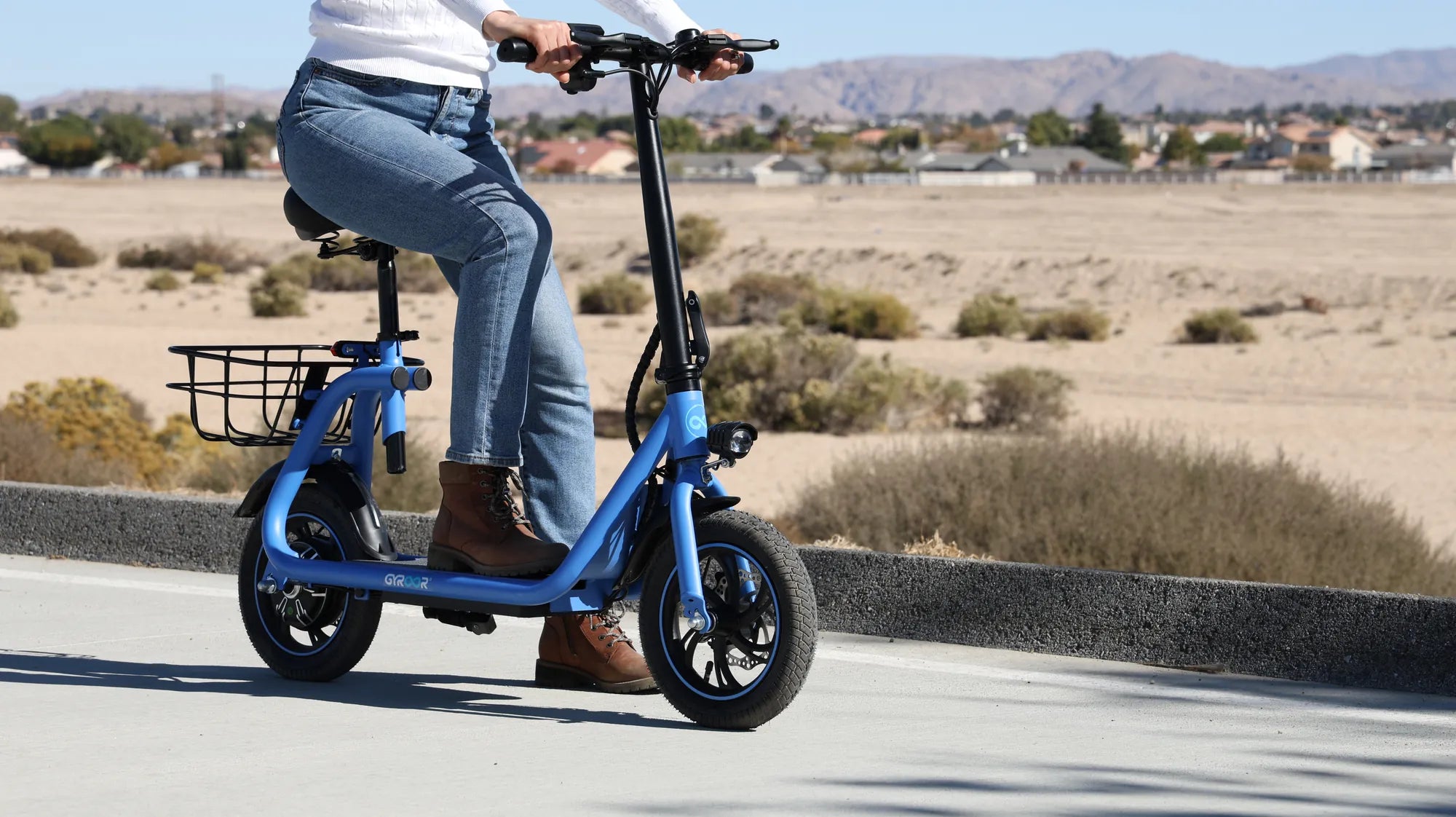
Navigating Nagpur's expanding urban sprawl, from the bustling corridors of Sitabuldi to the growing IT hubs in Hingna, presents a daily challenge of congestion, cost, and time. The city's vision for smarter, sustainable mobility demands solutions that are personal, efficient, and clean. Electric scooters in Nagpur are emerging as that critical solution, offering a practical alternative to petrol vehicles and auto-rickshaws for countless daily journeys. This article will provide a data-driven analysis of the e-scooter revolution in the Orange City, examining the economic, environmental, and practical factors driving adoption. You will learn what features matter most for Nagpur's roads, understand the ownership experience, and discover how to choose a scooter built for reliability and safety in local conditions.
Nagpur's Urban Mobility Challenge: A City at a Crossroads
Nagpur's status as a geographic and economic hub is undisputed, but its growth has intensified familiar urban pressures. Core areas like Sadar, Dharampeth, and Wardha Road experience peak-hour gridlock, while suburbs stretching towards Butibori and Mihan add to lengthy commute times. Traditional two-wheelers, while agile, contribute significantly to both traffic volume and deteriorating air quality, with Nagpur frequently recording particulate matter levels above safe limits.
The city's Smart City initiatives and the expansion of the Nagpur Metro aim to improve connectivity, but they highlight a persistent gap: last-mile mobility. The distance from a metro station or bus stop to one's final destination often remains inconvenient. This is where personal micro-mobility, specifically electric scooters, provides a seamless bridge. They are not meant to replace public transit but to integrate with it, creating a efficient, multi-modal transport network.
Furthermore, with rising fuel prices imposing a heavy financial burden on households, the search for cost-effective alternatives has become urgent. Electric scooters in Nagpur address this pain point directly, converting unpredictable fuel expenses into predictable, low electricity costs. The convergence of traffic woes, environmental concerns, and economic pressure creates the perfect catalyst for the adoption of electric scooters in Nagpur as a mainstream mobility choice.
The future of urban mobility in Nagpur hinges on decongestion and decarbonization. Electric scooters present a viable, immediate path forward, aligning with broader goals for a cleaner, more livable city. Their silent operation and zero tailpipe emissions can directly improve the quality of life in residential neighborhoods and commercial districts alike.
Why Electric Scooters Are Gaining Traction in Nagpur
The adoption of electric scooters in Nagpur is not a fleeting trend but a response to concrete local realities. Beyond the global shift towards electrification, specific factors unique to the city's landscape and citizenry are accelerating this change. The growth is driven by a compelling mix of practicality, economics, and a growing collective environmental consciousness.
Data from vehicle registrations and dealer surveys indicate a steady year-on-year increase in electric two-wheeler sales in the region. This uptick correlates with increased consumer awareness, improved product availability, and the tangible benefits riders experience daily. The narrative is shifting from curiosity to proven utility.
Beating the Traffic and Saving Time
In congested nodes like Variety Square, Jhansi Rani Square, and the streets around Nagpur Railway Station, the agility of an electric scooter is a significant advantage. Their compact size allows for easier navigation through slow-moving or stationary traffic, effectively reducing commute times where cars and auto-rickshaws are stuck.
A practical commute comparison is telling. A 6-kilometer journey from Shankar Nagar to Sitabuldi during peak hours can take 25-35 minutes in a car or auto. On an electric scooter, using less congested pathways and lane-filtering where safe, the same trip can often be completed in 15-20 minutes. This daily time saving translates into substantial gains in productivity and reduced stress for the rider.
Electric scooters also excel at solving the first-and-last-mile problem. For residents living within a 5-7 km radius of a metro station like Airport or Subhash Nagar, the e-scooter becomes the perfect feeder vehicle. It eliminates the wait for a shared ride or the walk in Nagpur's summer heat, making public transit a more attractive and complete option.
The Economic Advantage for Nagpur Riders
The economic case for electric scooters in Nagpur is exceptionally strong. A detailed cost breakdown reveals stark savings compared to petrol-powered alternatives. The primary saving is on fuel. With petrol prices consistently high, the cost per kilometer for a petrol scooter can range from ₹1.50 to ₹2.50.
In contrast, charging an electric scooter with a 1 kWh battery to cover 60-70 km costs approximately ₹6-8 at Nagpur's domestic electricity rates (assuming ₹6-8 per kWh). This brings the cost per kilometer to about ₹0.10-0.13—a fraction of the petrol cost. For a daily commute of 20 km, this can mean monthly savings of over ₹1,000 on fuel alone.
Maintenance costs further tilt the balance. Electric scooters have far fewer moving parts than internal combustion engines—no engine oil, spark plugs, air filters, or complex gearboxes to service. This translates to lower annual maintenance expenses, fewer workshop visits, and greater reliability. When combined with potential state incentives under Maharashtra's EV policy and the central FAME II scheme, the upfront cost difference is quickly offset.
A Greener Choice for the Orange City
Nagpur's commitment to sustainability is visible in projects like its solar city initiative and waste management programs. Adopting electric mobility is a natural extension of this ethos. Every electric scooter on the road directly replaces a petrol vehicle, leading to measurable reductions in carbon dioxide (CO2), nitrogen oxides (NOx), and particulate matter emissions.
Given Nagpur's climate and topography, air quality management is crucial. Electric scooters offer zero tailpipe emissions, meaning they contribute nothing to street-level pollution, benefiting the health of riders and pedestrians alike. Their silent operation also reduces noise pollution, creating more pleasant urban environments in residential areas, university campuses, and office complexes.
For the environmentally conscious citizen, choosing an electric scooter is a personal action with a collective impact. It aligns individual mobility needs with the city's broader goals for cleaner air and a reduced carbon footprint, making the rider an active participant in shaping a more sustainable Nagpur.
Key Features for a Nagpur-Ready E-Scooter
Not all electric scooters are equally suited to Nagpur's unique demands. The local terrain, climate, and usage patterns require specific features for optimal performance, safety, and durability. Selecting a scooter with the right specifications ensures a satisfactory and long-lasting ownership experience.
A Nagpur-ready e-scooter must balance adequate range, robust construction, and reliable safety systems. It should be a tool designed for real-world conditions, not just laboratory specifications. The following criteria are essential for any serious buyer in the region to consider.
Battery Range & Performance for Nagpur's Terrain
The advertised range of an electric scooter is often an idealized figure. Real-world range in Nagpur depends on factors like rider weight, traffic conditions, frequent stops, and inclines. For most intra-city commutes—from Kalamna to Civil Lines, or from Manish Nagar to the Mihan SEZ—a true range of 40-50 km on a single charge is a practical minimum.
This ensures a comfortable buffer for daily errands and unexpected detours without range anxiety. Motor power is equally important. A motor with a continuous power rating of at least 250W is recommended to handle Nagpur's gentle slopes, such as those in Seminary Hills or parts of North Nagpur, without straining the battery or significantly reducing speed.
Battery technology itself is critical. Lithium-ion batteries are the standard due to their energy density and lifespan. However, the quality of the battery pack and its Battery Management System (BMS) dictates safety, longevity, and consistent performance. A scooter that claims a 60 km range but loses 40% of its capacity within a year is a poor investment.
Build Quality and Weather Resistance
Nagpur's climate presents a triple challenge: fine dust in the summer, intense heat, and heavy rain during the monsoon. An e-scooter's build must withstand these elements. A sturdy frame, often made of reinforced steel or high-grade aluminum, is non-negotiable for durability and rider safety.
The Ingress Protection (IP) rating is a crucial specification often overlooked. This two-digit code indicates protection against solids (like dust) and liquids. For Nagpur, a rating of IPX5 or higher is advisable. An IPX5 rating means the scooter can withstand water jets from any direction, making it safe to ride through moderate monsoon rain and occasional puddles.
Dust resistance (the first digit in the IP rating) is vital for protecting internal electrical components from Nagpur's pervasive dust, which can cause overheating and electrical shorts. A well-sealed deck, waterproof connectors, and corrosion-resistant fittings are signs of a scooter built for all-weather reliability.
Safety and Compliance: Non-Negotiables
Safety should be the paramount concern. Effective braking is essential for Nagpur's mixed-traffic conditions. A combination of a front disc brake and a rear drum or disc brake provides confident stopping power, superior to all-drum systems, especially in wet conditions.
Lighting is another critical safety feature. Bright LED headlights, tail lights, and brake lights ensure visibility during early morning commutes, late evenings, and the monsoon season. Integrated reflectors and optional turn signals further enhance safety. Compliance with relevant Indian regulations is mandatory for peace of mind and legality.
For lower-speed models, this typically involves certification under the Central Motor Vehicle Rules. Riders should look for scooters that meet these standards, ensuring aspects like maximum speed, braking distance, and component quality are verified. Never compromise on certified safety for a lower price.
Gyroor Electric Scooters: Engineered for Nagpur's Commute
In a market filled with options, Gyroor has established itself as a brand that prioritizes the core engineering principles necessary for dependable urban mobility. Trusted by over 100,000 riders across North America and Europe, Gyroor's approach combines rigorous safety standards, environmental resilience, and user-centric design—attributes perfectly aligned with the needs of Nagpur's riders.
Gyroor's product philosophy centers on creating vehicles that are not just functional but are built to last, with a focus on mitigating the top concerns of electric scooter owners: battery safety, durability against the elements, and long-term reliability backed by strong support.
Unmatched Safety with UL-Certified Batteries
The battery is the heart of an electric scooter and its most critical safety component. Gyroor distinguishes itself by exclusively using UL-certified battery packs across its lineup. UL (Underwriters Laboratories) certification is a globally recognized standard for safety testing, far exceeding basic requirements.
This certification involves strenuous tests for overcharge, short circuit, impact, and extreme temperature operation, significantly reducing the risk of thermal runaway or fire—a paramount concern for riders. Furthermore, these batteries are engineered for longevity, tested for 500+ charge cycles with minimal capacity degradation, ensuring the scooter's range remains consistent for years of daily use in Nagpur.
Built to Last with IPX5 Water-Resistant Design
Recognizing that urban mobility cannot be seasonal, Gyroor engineers its scooters with robust IPX5 water-resistant designs. This specification is a commitment to all-weather capability. It means the scooter's electrical systems are sealed against the ingress of water from heavy rain or splashes, allowing riders to commute confidently even during Nagpur's unpredictable monsoon showers.
The construction extends beyond the IP rating. High-quality materials, sealed deck compartments, and reinforced stems contribute to a scooter that can handle daily wear and tear, as well as the vibrations from Nagpur's diverse road surfaces, from smooth metro corridors to older inner-city roads.
Ride with Confidence: The 1-Year Comprehensive Warranty
Ownership confidence is solidified by Gyroor's reliable 1-year comprehensive warranty. This warranty covers the core components of the scooter, including the motor, battery, and controller, against manufacturing defects. It reflects the brand's faith in its own build quality and provides the rider with a tangible safety net.
For a Nagpur resident, this means reduced anxiety about repair costs and access to support. A strong warranty is an indicator of a company that stands behind its product and is invested in the customer's long-term satisfaction, making the purchase a more secure investment in personal mobility.
Choosing the Right Model: A Comparison for Nagpur Riders
Selecting an electric scooter involves matching model capabilities with individual needs. A college student commuting from Trimurti Nagar to campus has different requirements than a professional traveling from Dattawadi to the Mihan IT park. The following table compares key attributes relevant to Nagpur's context.
| Use Case & Rider Profile | Recommended Priority Features | Ideal Range (Real-World) | Key Considerations |
|---|---|---|---|
| Student / Short-Distance Commuter (e.g., Campus, local market) | Portability, Affordability, Simple Controls | 20-30 km | Lightweight for carrying up stairs; lower speed for safety; focus on value. |
| Office Professional (e.g., 10-15 km daily commute, metro last-mile) | Comfort, Range, Reliability, Weather Resistance | 40-60 km | Larger deck for comfort; IPX5 rating; good suspension for road bumps; professional aesthetics. |
| Delivery Executive / Heavy User | Durability, High Range, Fast Charging, Load Capacity | 70+ km | Robust frame; high-cycle battery; motor power for constant use; cargo options. |
| Family / Multi-Purpose User (Errands, shopping, school run) | Stability, Safety Features, Ease of Use | 30-50 km | Wide base; dual braking system; bright lights; potential for a second rider. |
The Practicalities: Owning an E-Scooter in Nagpur
Transitioning to an electric scooter involves understanding the day-to-day logistics of charging, parking, and regulations. Successfully integrating this new vehicle into your life requires some practical planning, which, once established, becomes a simple and rewarding routine.
Charging Infrastructure and Home Charging
While Nagpur is developing public EV charging infrastructure, the primary and most convenient charging location will be your home. Most electric scooters, including Gyroor models, come with a standard charger that plugs into a regular 220V household outlet. A full charge typically takes 4 to 8 hours, making overnight charging the most practical approach.
For safe home charging, use a dedicated socket, avoid using extension cords as a permanent solution, and ensure the charging area is dry and well-ventilated. Although public charging stations are increasing, especially near malls and commercial complexes, home charging offers unparalleled convenience and cost control, turning your scooter into a consistently "full-tank" vehicle every morning.
Parking and Daily Use Tips
The compact size of electric scooters is a major advantage for parking in Nagpur's dense residential and commercial areas. They can be parked in motorcycle/scooter zones with ease. For security, especially for longer periods, use a robust chain lock to secure the scooter to a fixed object.
Daily maintenance is minimal but important. Wiping down the scooter, especially after riding in dust or light rain, prevents grime buildup. Regularly check tire pressure, as under-inflated tires reduce range and handling. Familiarize yourself with the controls and braking feel in a safe, open area before navigating heavy traffic.
Navigating Regulations and Incentives
In India, electric scooters with a top speed below 25 km/h and motor power under 250W are generally classified as electric bicycles and may not require registration or a license, though local rules should be verified. Faster models are typically classified as electric motorcycles and require registration, insurance, and a valid driving license.
Maharashtra's Electric Vehicle Policy, along with the Government of India's FAME II scheme, offers incentives that can significantly reduce the purchase price. These often include direct discounts on the ex-showroom price or road tax exemptions. Buyers in Nagpur should inquire with authorized dealers about the current incentives available at the point of sale to understand the final effective cost.
Frequently Asked Questions (FAQs)
1. What is the real-world range I can expect on Nagpur's roads?
Expect 15-25% less than the manufacturer's advertised range under ideal conditions. Factors like stop-start traffic, rider weight, and occasional slopes reduce efficiency. A scooter advertised for 50 km will reliably deliver 40-45 km in typical Nagpur commuting conditions, which is sufficient for most daily needs.
2. Is an electric scooter powerful enough for areas like Seminary Hills?
Yes, most modern e-scooters with 250W+ motors can handle the gentle inclines found in Seminary Hills and similar areas. The key is to maintain momentum. For very steep private driveways, a brief push-off might be helpful, but for public roads, a quality scooter will perform adequately.
3. How do I get my Gyroor scooter serviced in Nagpur?
Gyroor products are supported through a network of service partners and authorized dealers. While purchasing, confirm the service support location in Nagpur. Many issues can be diagnosed remotely, and parts can be shipped. Basic maintenance like tire changes or brake adjustments can be handled by most local two-wheeler mechanics familiar with electric systems.
4. Are electric scooters legal, and do I need a license to ride one in the city?
Yes, they are legal. The requirement for a license and registration depends on the scooter's specifications. Low-speed models (under 25 km/h, 250W) often do not require a license. Higher-performance models do. Always check the product classification with your dealer and ensure you have the necessary documentation for your specific model to ride legally on Nagpur's roads.
5. Can I carry a passenger on an electric scooter in Nagpur?
Most standard electric kick scooters are designed for a single rider. Carrying a passenger affects stability, braking distance, and is often against the manufacturer's guidelines and local traffic rules. For regular passenger needs, consider an electric scooter (like a traditional seat-style scooter) specifically designed and certified for two riders.
Your Next Commute, Reimagined
The evidence is compelling: electric scooters in Nagpur represent more than just a new gadget; they are a pragmatic, sustainable, and economical solution to the city's pressing mobility challenges. They offer a way to reclaim time lost in traffic, convert fuel expenses into significant savings, and contribute to a cleaner urban environment. The future of urban mobility in Nagpur is nimble, quiet, and electric.
This shift requires choosing a vehicle built not just for a smooth showroom floor but for the specific realities of Nagpur's climate and roads. Prioritizing safety certifications like UL for batteries, durability standards like IPX5 for weather resistance, and a reliable warranty are the hallmarks of a wise investment. It's about selecting a partner for your daily commute that you can trust for the long term.
The journey towards smarter mobility starts with a single, informed decision. Explore the engineering and reliability that define the leading edge of this transformation. Browse the full Gyroor collection, featuring UL-certified batteries and IPX5 water-resistant designs built for cities like Nagpur, at gyroorboard.com. Your next commute awaits—quieter, cleaner, and on your own terms.
Electric Riding Scooters for Kids Price: An In-Depth Guide for Parents
Electric Scooters Safer Than Bikes: A Comprehensive Comparison