



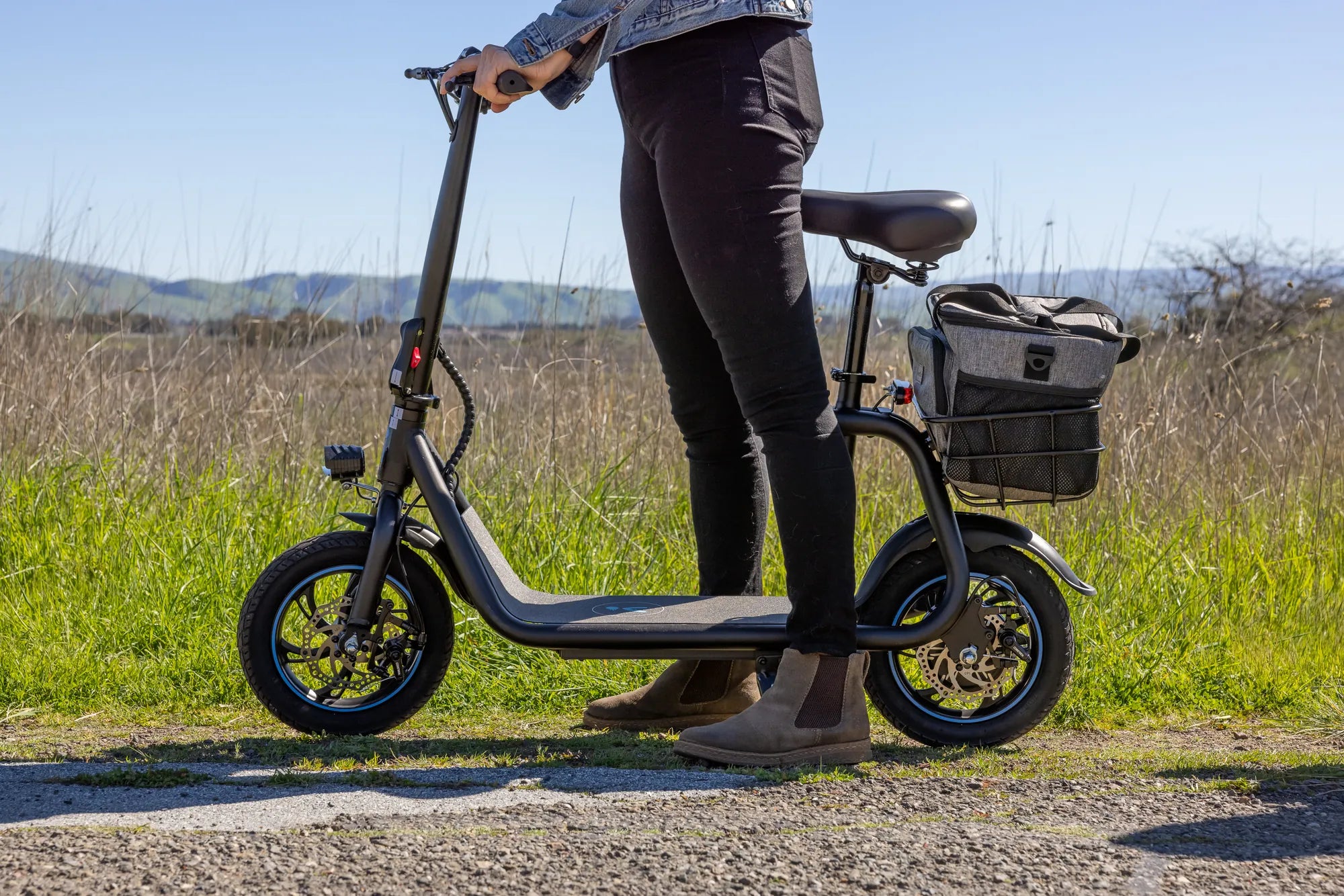
Introduction: The Italian Renaissance of Urban Transport
Italy’s iconic cityscapes, famed for their art and architecture, face a modern challenge: congestion. Electric scooters are providing a sleek, efficient solution, merging Italy’s deep-rooted scooter culture with 21st-century sustainability. The rise of electric scooters Italian is not just a trend; it’s a fundamental shift in how residents and visitors navigate narrow vicoli (alleys) and expansive piazzas.
This movement represents a modern renaissance of urban mobility, directly addressing the practical limitations of cars in historic centers. For over 100,000 riders across Europe and North America, brands like Gyroor have become synonymous with this shift, offering UL-certified, reliable e-scooters that meet the demands of daily Italian life. The adoption of electric scooters Italian style combines a love for two-wheeled freedom with a pressing need for cleaner, quieter cities.
You will learn why Italy is the perfect incubator for e-scooter adoption, how to select the ideal model for Italian terrain, the legal framework for safe riding, and the measurable environmental benefits of this quiet revolution. The integration of electric scooters Italian urban planning is creating a new blueprint for sustainable living in some of the world’s most cherished cities.
Why Italy is Embracing Electric Scooters: A Perfect Cultural & Environmental Fit
Italy’s embrace of electric scooters is driven by a unique confluence of cultural affinity, urban geography, and progressive policy. Dense, medieval city centers, known as centri storici, were never designed for automobiles, creating perpetual bottlenecks and air quality issues. Electric scooters offer a nimble alternative, easily weaving through traffic and requiring minimal parking space.
Nationally, growing environmental consciousness aligns with European Union directives on emission reductions. Many Italian municipalities have implemented Zone a Traffico Limitato (ZTLs), or Limited Traffic Zones, where traditional car access is heavily restricted or priced. An electric scooter Italian commuter can bypass these restrictions entirely, enjoying unfettered access to the heart of the city.
Furthermore, government incentives at national and regional levels, such as the Bonus Mobilità (Mobility Bonus), have historically provided subsidies for the purchase of electric vehicles, including e-bikes and e-scooters. This financial push, combined with the inherent practicality, has accelerated adoption rates. The cultural groundwork was laid decades ago, making the transition to electric almost intuitive.
From Vespa to Volt: A Seamless Cultural Transition
Italy’s romance with the Vespa scooter, a symbol of post-war dolce vita, created a national comfort with two-wheeled, personal transport. The electric scooter is the logical, sustainable evolution of this icon. It offers the same sense of freedom and style but is quieter, cleaner, and often more accessible.
This cultural lineage means Italians do not view e-scooters as a foreign novelty but as a natural progression. The design ethos—prioritizing elegance and functionality—carries over. Riders appreciate the simplicity and the direct connection to the urban environment, much like the original Vespa provided. The shift from petrol to battery power is seen as an upgrade, preserving the joy of the ride while eliminating exhaust fumes and much of the noise.
For brands operating in this space, understanding this cultural context is key. Products must not only perform but also resonate with a design-savvy public. The success of electric scooters Italian markets hinges on this blend of performance, reliability, and aesthetic appeal that honors the country’s storied transportation heritage.
Navigating the *Centro Storico*: The Practical Advantage
The practical benefits of an e-scooter in an Italian centro storico are immense. Streets are often cobbled, narrow, and closed to through traffic. Parking a car can cost upwards of €30-€50 per day, if a space can be found at all. An electric scooter solves these problems elegantly.
With a compact, foldable design, an e-scooter can be carried into an apartment, office, or cafe, eliminating parking fees and theft concerns. Its small footprint allows it to navigate pedestrian-heavy areas with care, making it ideal for the “last mile” of a journey that might combine train and scooter. For daily errands, meeting friends, or touring, it provides unmatched flexibility.
This practicality extends to tourists as well. Renting an electric scooter Italian style allows visitors to cover more ground than on foot, access areas tour buses cannot, and experience the city at a more authentic, human pace. The ability to stop spontaneously at a café or monument is a freedom that defines the Italian travel experience, now enhanced by electric mobility.
Choosing the Right Electric Scooter for Italian Streets: A Buyer's Guide
Selecting an e-scooter for Italy requires careful consideration of specific local conditions. Not all scooters are built for hills, cobblestones, or variable weather. Key decision factors include motor power, battery range, portability, and overall durability. A scooter that excels on flat, smooth paths may struggle on the inclines of Genoa or the historic pavement of Rome.
Performance should be evaluated based on real-world use, not just laboratory specs. A scooter’s advertised range can drop significantly when factoring in rider weight, frequent stops and starts, and hill climbs. Similarly, a motor’s nominal wattage matters less than its sustained torque output when facing a steep gradient. For Italian cities, hill-climbing ability is non-negotiable.
Portability is equally critical for the mixed-mode commuter. A scooter that folds quickly and compactly is essential for carrying it onto a regional train or storing it under a desk. Finally, build quality dictates longevity. Italian streets can be unforgiving; a robust frame, solid tires or quality air-filled tires with suspension, and water resistance are vital features for a reliable daily companion.
Essential Features for the Italian Commuter
Four features are paramount for navigating Italy on an e-scooter. First is hill-climbing power. Look for a continuous motor rating of at least 350W, with 500W+ being ideal for cities like Rome or Turin. Second is real-world range. A minimum of 25-30 km of realistic range is necessary for a full day of commuting and errands, accounting for hills and stops.
Third is a compact, reliable folding mechanism. The scooter should lock securely when folded for carrying and unfold intuitively. Weight is a factor here; models around 15-18 kg offer a good balance of sturdiness and portability. Fourth is durability and weather resistance. An IPX5 water-resistance rating, like those found on Gyroor scooters, protects against rain and puddle splashes, while a sturdy deck and stem can handle occasional bumps on uneven surfaces.
Safety underpins all these features. A UL-certified battery pack, now a standard for reputable brands like Gyroor, is essential for fire safety and long-term reliability through 500+ charge cycles. Dual braking systems (electronic and disc or drum) and bright front and rear lights are mandatory for navigating chaotic urban traffic and poorly lit streets at dusk.
Data Comparison: Key Models for Different Italian Lifestyles
Choosing an e-scooter depends heavily on your primary use case. The following table outlines ideal profiles for common Italian rider personas, highlighting key specifications that matter for performance in this specific environment.
| Rider Profile & Persona | Primary Use Case | Key Needed Features | Example Specs (Gyroor Reference) |
|---|---|---|---|
| The Ultra-Portable City Slicker (Student, Tourist) | Short trips, mixed transport (train/scooter), easy storage in small apartments. | Lightweight (<15 kg), fast folding, decent range for daily tours. | ~250W motor, 20-25 km range, 14 kg weight, IPX4 resistance. |
| The Powerful Hill Conqueror (Daily Commuter in Hilly Cities) | Reliable daily commute with significant elevation changes. | High-torque motor (500W+), good suspension, robust battery for sustained power. | 500W-800W motor, 30-40 km range, front & rear suspension, IPX5 rating. |
| The Long-Range Explorer (Suburban Commuter, Delivery Rider) | Covering longer distances from outskirts to city center without range anxiety. | Large capacity battery (12.8Ah+), comfortable ride for longer periods, dual brakes. | 350W-500W motor, 45-55 km range, pneumatic tires, dual braking system. |
This comparison shows there is no one-size-fits-all solution. A tourist prioritizes portability, while a Florentine resident battling the hills of Fiesole needs power and range. Understanding your own electric scooter Italian journey’s demands is the first step to a satisfying purchase. Leading brands design models to meet these distinct needs, ensuring there is a reliable option for every type of rider.
Riding Safe & Legal: Navigating Italian E-Scooter Regulations
Operating an e-scooter in Italy requires adherence to clear national laws, with additional layers of regulation at the municipal level. As of current regulations, e-scooters are classified as veicoli per la mobilità personale elettrica (electric personal mobility vehicles). National rules mandate a minimum rider age of 14, though some cities set it higher.
Helmets are compulsory for riders under 18 but are strongly recommended for all. The national speed limit for e-scooters is 20 km/h on roads and 6 km/h in pedestrian areas. Crucially, riding on sidewalks (marciapiedi) is prohibited; scooters must use bike lanes (piste ciclabili) or, where absent, the regular roadway. Front and rear lights are required for night riding.
Local regulations can vary significantly. For example, Rome may enforce specific no-ride zones around archaeological sites, while Milan has designated parking areas to prevent sidewalk clutter. It is the rider’s responsibility to check local municipal websites for updates. Compliance is not just about avoiding fines; it’s about ensuring safety and fostering positive relations between scooter riders, pedestrians, and other road users, securing the long-term future of electric scooters Italian cities.
The Green *Piano*: Environmental Impact and Sustainable Cities
The environmental argument for electric scooters in Italy is compelling and data-driven. Transportation is a major source of urban pollution, and e-scooters offer a near-zero operational emission alternative. Replacing short car trips, which are disproportionately polluting due to cold engines, has a measurable impact on air quality.
Studies in European cities have shown that shared e-scooter programs can reduce CO2 emissions when they directly substitute car journeys. In a country like Italy, with many cities frequently exceeding EU air pollution limits, this shift is critical. E-scooters also reduce noise pollution—a significant benefit in densely populated historic centers—contributing to more livable, peaceful urban environments.
On a systemic level, e-scooters promote the efficient use of scarce urban space. They require far less parking area than cars, freeing up public squares and streets for people, not stationary vehicles. This aligns with the broader Italian and European vision of creating città 30 (30 km/h cities) that prioritize safety, sustainability, and quality of life. The adoption of electric scooters Italian policy is a tangible step towards these sustainable urban goals.
Maintenance and Ownership: Ensuring Long-Term Reliability
Owning an e-scooter requires minimal but consistent maintenance to ensure safety and longevity, especially on demanding Italian streets. Regular checks are essential. Before each ride, inspect tire pressure (for pneumatic tires) and look for signs of wear or punctures. Test the brakes for responsiveness and ensure all lights are functioning.
Basic cleaning is important; wipe down the scooter with a damp cloth to remove dirt and grime, avoiding direct high-pressure water jets on electrical components. For scooters with IPX5 ratings like many Gyroor models, light rain is not a concern, but they should not be submerged. Battery care is paramount: avoid leaving the scooter at full or empty charge for extended periods and store it in a cool, dry place.
Professional servicing may be needed for brake adjustments, suspension issues, or electrical diagnostics. This is where a strong manufacturer warranty and accessible customer support become invaluable. Gyroor, for instance, offers a comprehensive 1-year warranty on the vehicle and a 6-month warranty on the battery, backed by US-based support, providing peace of mind for international owners. Proper care ensures your electric scooter Italian investment provides years of reliable service.
FAQ: Your Electric Scooter Italy Questions, Answered
Q: Do I need a license, insurance, or a license plate for an e-scooter in Italy?
A: No driver’s license is required for standard e-scooters (with motors up to 500W and speed limiters set to 20 km/h). Third-party liability insurance is not mandatory by national law but is highly recommended and may be required by some municipalities or rental companies. License plates are not required for privately owned e-scooters.
Q: Can I take my e-scooter on public transport in Italy?
A> Policies vary by city and transport provider. Generally, folded e-scooters are permitted on regional trains (Trenitalia, Italo) and metros, often outside peak hours. It is best to check the specific carrier’s rules. On buses and trams, it is less common and subject to the driver’s discretion and space availability.
Q: How do I prevent my e-scooter from being stolen?
A> Use a high-quality, hardened steel U-lock or chain lock to secure the scooter to a fixed, immovable object. Never rely on the built-in cable lock alone. Whenever possible, take the scooter indoors with you. Some models also have electronic alarm systems or GPS tracking as additional deterrents.
Q: Are there specific road rules I must follow as an e-scooter rider?
A> Yes. You must ride in bike lanes or on the road, not on sidewalks. You must obey all standard traffic signals and signs. Use hand signals for turning. Riding under the influence of alcohol or drugs is illegal. It is also prohibited to carry passengers or use a mobile phone while riding.
Q: What kind of after-sales support can I expect if I buy online?
A> Reputable brands offer clear warranty terms and accessible customer service. Look for a warranty covering the frame, motor, and controller (typically 1 year) and the battery (often 6 months to 1 year). Gyroor, for example, provides a 1-year vehicle warranty with detailed support documentation and a dedicated service team to handle parts and troubleshooting.
Conclusion: The Future of Mobility is Electric, Italian-Style
The integration of electric scooters Italian urban life is a powerful example of pragmatic innovation meeting cultural tradition. They solve acute, modern problems—congestion, pollution, inefficient space use—with a tool that feels inherently Italian: stylish, personal, and liberating. From the hills of Naples to the canals of Venice, e-scooters are enhancing mobility without compromising the character of these historic places.
This shift is driven by riders choosing a smarter way to move, supported by evolving infrastructure and regulation. The future points towards more integrated mobility systems, where e-scooters, e-bikes, and public transport seamlessly connect. Continued investment in safe bike lanes and clear regulations will only accelerate this positive trend, making cities more accessible and enjoyable for everyone.
The journey towards sustainable urban mobility is well underway. By choosing a reliable, well-suited e-scooter, you are not just buying a product; you are participating in the reshaping of the Italian cityscape for the better. Explore the engineering and design that goes into creating vehicles for this new era of transport. Browse the full Gyroor collection, featuring UL-certified, IPX5-rated models built for reliability, at gyroorboard.com.
Electric Scooters Toledo Ohio: The Future of Urban Mobility
Best Electric Scooters for Long Distance Budget: Top Affordable Commuters