

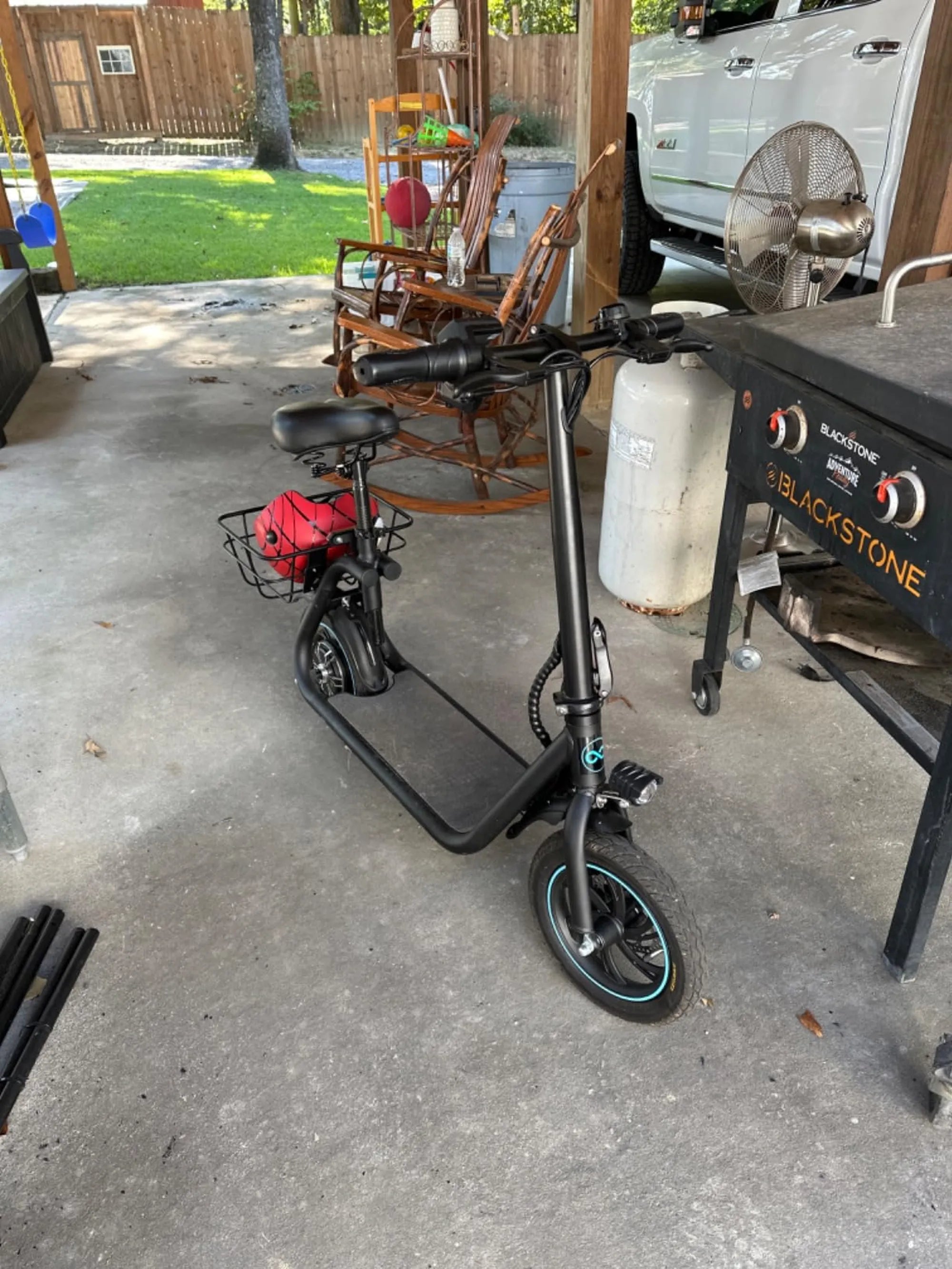
Walk down any major city street, and you'll likely see them: electric scooters tipped over, blocking sidewalks, leaning against storefronts, or abandoned in parks. This visual clutter is more than an eyesore; it's a symptom of a growing urban conflict. The very convenience that made dockless electric scooters a transportation revolution—the ability to pick up and drop off anywhere—has created a significant public space management crisis. This article will dissect the problem of electric scooters left everywhere, examining its causes, quantifying its impacts on safety and accessibility, and analyzing the most promising technological, infrastructural, and behavioral solutions. We'll explore how responsible brands, comprehensive city policies, and educated riders can work together to ensure that micromobility fulfills its promise of cleaner, more efficient cities without degrading the public realm.
The Anatomy of Clutter: Why Are Electric Scooters Left Everywhere?
The core of the issue lies in the dockless operational model. Unlike bike-share systems with fixed stations, scooter companies deploy fleets that can be unlocked and left virtually anywhere within a service zone. This model offers unparalleled last-mile convenience but outsources the parking responsibility entirely to the end-user. The result is often haphazard parking driven by a desire to end the ride as quickly as possible.
Several factors compound this behavior. First, a lack of immediate, obvious, and convenient parking infrastructure means riders often choose the path of least resistance: the nearest clear patch of sidewalk. Second, the lightweight design of many scooters makes them easy to knock over, creating the appearance of abandonment even from a gentle breeze. Third, inconsistent enforcement from both cities and scooter operators has, until recently, meant few consequences for poor parking.
This problem of electric scooters left everywhere isn't merely about aesthetics. It represents a fundamental clash between private convenience and public space management. The scooters themselves are not the issue; it's the absence of a cohesive system to integrate them smoothly into the urban fabric. As a brand committed to sustainable mobility, Gyroor recognizes that the long-term success of personal electric transport depends on solving this integration challenge, not just selling high-performance vehicles.
The Tangible Impacts: Safety, Accessibility, and Economic Costs
The scattered presence of electric scooters left everywhere creates a cascade of negative consequences. The most immediate is a threat to pedestrian safety. Sidewalks littered with scooters force pedestrians, including children and the elderly, to navigate an obstacle course, often stepping into bike lanes or streets to get around. This significantly increases the risk of trips, falls, and collisions with other vehicles.
For individuals with disabilities, the impact is particularly severe. A scooter blocking a curb ramp or narrowing a sidewalk to less than 36 inches can completely cut off access, violating the Americans with Disabilities Act (ADA). The National Disability Rights Network and other advocacy groups have filed numerous complaints, highlighting how scooter clutter turns public rights-of-way into inaccessible spaces. This isn't a minor inconvenience; it's a denial of basic mobility rights.
Beyond safety, clutter breeds public resentment. Business owners complain of scooters blocking store entrances and deterring customers. Residents see them as symbols of corporate encroachment on their neighborhoods. This frustration often manifests as vandalism—scooters thrown into rivers, lakes, or trash cans—which represents a significant financial loss for operators and creates environmental waste.
The economic costs are substantial. Scooter companies spend millions annually on "rebalancing" fleets, which involves collecting poorly parked scooters and redistributing them to high-demand areas. Cities, in turn, expend resources on impounding improperly parked devices and administering fines. These hidden costs undermine the efficiency and environmental benefits that scooters are supposed to provide.
Technological Fixes: Can Apps and AI Solve the Parking Problem?
Micromobility companies are increasingly turning to technology to curb bad parking behavior. The most common tool is GPS-based geofencing. Companies can create virtual "no-park zones" in sensitive areas like sidewalk ramps, building entrances, or crowded plazas. If a rider attempts to end a trip in these zones, the app will prevent them from locking the scooter and charge a continued rental fee until it is moved to a suitable location.
A more proactive approach is the use of "mandatory parking photos." At the end of a trip, the rider's app requires them to take a picture of how they've parked the scooter. This image is then reviewed, either by AI or human staff. Parking that violates community guidelines—such as blocking a walkway or lying on its side—can result in a warning or a financial penalty for the rider. This creates direct accountability.
Some operators are implementing incentive systems. Riders who consistently park in designated corrals or in upright, unobtrusive positions can earn ride credits or lower fares. This "gamifies" good behavior. Furthermore, improved hardware design can help. Models with wider bases, more stable kickstands, or built-in locking mechanisms (like the frame locks on some Gyroor e-bikes) are less likely to fall over or be moved indiscriminately after parking.
However, technology alone is not a silver bullet. Geofencing requires precise mapping and constant updates. AI photo review can be fooled or make errors. The success of these tools depends on consistent enforcement and clear communication to the user about what constitutes proper parking. It's a layer of the solution, not the whole solution.
The Infrastructure Imperative: Building a Home for Scooters
Technology manages behavior, but infrastructure provides the solution. The most effective long-term answer to the problem of electric scooters left everywhere is the widespread deployment of dedicated, standardized parking. Cities and operators must invest in creating abundant, visible, and convenient parking corrals.
These corrals, sometimes called "docklets" or "micromobility parking hubs," are typically painted zones on sidewalks or in the street (often repurposed from car parking). They provide a clear, sanctioned place to end a trip. Successful examples, like those in Denver, Colorado, or Santa Monica, California, show that when parking is easy to find and use, compliance rates soar. They transform parking from a nuisance into a routine part of the trip.
Integration with existing street furniture is key. Cities can designate sections of existing bicycle racks for scooter parking. This is a low-cost, rapid solution that leverages already-built infrastructure. Furthermore, urban planners are beginning to design "mobility hubs" that combine scooter parking, bike racks, EV charging, and transit stops into a single, organized node.
For private scooter owners, the infrastructure need is different but related. The proliferation of personal e-scooters, like those from Gyroor used for daily commutes, underscores the need for secure parking at destinations like office buildings, universities, and transit stations. Employers and property managers can support this by installing secure, covered scooter parking, much like they provide for bicycles. This encourages responsible ownership and reduces the temptation to bring scooters indoors or chain them haphazardly to street signs.
Policy and Regulation: Learning from Global Case Studies
City governments worldwide have experimented with a spectrum of regulatory approaches, from outright bans to structured partnerships. The data from these case studies provides a roadmap for effective management.
| City/Approach | Key Policy | Outcome & Lesson |
|---|---|---|
| Paris, France | Strict permit system with capped fleet sizes, mandatory parking zones, and a ban on sidewalk riding. | Dramatic reduction in clutter and accidents. Shows that strong city control and clear rules can successfully integrate scooters. |
| Portland, OR, USA | Pilot program with required parking corrals, equity provisions for low-income areas, and data-sharing mandates. | High compliance and positive public perception. Highlights the value of pilot programs, data, and equity-focused planning. |
| Singapore | Mandatory geo-fenced parking zones ("Yellow Boxes") and aggressive impounding of violators. | Near-perfect parking compliance. Demonstrates that strict enforcement of technological solutions can work in a dense urban environment. |
| Initial Unregulated Model (Many US Cities, 2018) | No permits, no parking rules, rapid fleet deployment. | Led to the classic "clutter crisis," public backlash, and reactive bans. A lesson in the necessity of proactive regulation. |
The most successful policies share common traits: they limit the number of operators to ensure accountability, mandate the creation and use of parking infrastructure, require operators to respond quickly to misuse complaints, and establish clear data-sharing agreements so cities can plan effectively. Responsible operators, including brands that sell directly to consumers like Gyroor, support these sensible regulations as they create a stable, predictable market and improve public safety.
The Rider's Responsibility: Education and Etiquette
Ultimately, the front line of this issue is the individual rider. Technological enforcement and physical infrastructure only work if riders understand and choose to follow the rules. Comprehensive rider education is therefore non-negotiable.
For shared scooters, this education must happen within the rental app. A simple, unskippable tutorial before the first ride should visually demonstrate proper parking: upright in a bike rack or corral, out of the path of travel, not blocking access points. Apps should also clearly display a map of nearby approved parking spots. For private scooter owners, the onus falls on manufacturers and retailers to provide clear guidelines. Gyroor includes parking and safety etiquette in its user manuals and online resources, emphasizing that being a good ambassador for the technology benefits everyone.
Basic scooter parking etiquette is simple but powerful: Park upright using the kickstand. Leave at least 5 feet of clear sidewalk passage. Never block doorways, ramps, crosswalks, or bus stops. Use a bike rack when available. If no rack is present, park parallel to the curb, close to the street edge. Following these rules shows respect for fellow citizens and helps maintain community support for micromobility.
Riders should also consider their choice of equipment. A scooter with a reliable, sturdy kickstand and a stable base is less likely to cause problems. For commuters who need to park at a fixed location daily, investing in a secondary lock to secure the scooter to a fixed object can prevent it from being knocked over or moved, adding another layer of responsibility.
Gyroor's Perspective: Designing for Responsibility in Personal Mobility
As a leading manufacturer of personal electric vehicles, Gyroor approaches this challenge from the product design and consumer education perspective. We believe that the quality and design of the scooter itself can encourage better outcomes. Our engineering focuses on stability and durability—features that contribute to orderly parking.
For instance, many Gyroor electric scooters are designed with wide, reinforced decks and robust, multi-point kickstands that provide a secure, upright parking stance even on uneven surfaces. This attention to detail means a parked Gyroor scooter is less likely to tip over and block a pathway accidentally. Furthermore, our commitment to safety extends beyond the ride; it includes the scooter's footprint when it's stationary.
We also recognize our role in educating the over 100,000 riders who use our products across North America and Europe. Through our channels, we promote not only the performance and joy of riding but also the responsibilities that come with it. We advocate for the creation of more secure parking infrastructure and design our products, like our commuter-focused e-bikes with integrated locks, to make responsible parking the easiest choice for the rider.
The future of urban mobility is multimodal and electric. For it to be sustainable, it must also be orderly. By manufacturing reliable, UL-certified vehicles with thoughtful design and promoting a culture of rider responsibility, Gyroor aims to be part of the clutter solution, ensuring that personal electric scooters are seen as a legitimate, respectful form of urban transport.
Frequently Asked Questions: Electric Scooter Parking and Etiquette
Where is the absolute best place to park an electric scooter?
The best place is in a designated micromobility parking corral or a public bicycle rack. If neither is available, park your scooter upright on a hard, level surface close to the curb, ensuring at least 5 feet of clear space remains on the sidewalk for pedestrian passage. Never park on landscaping, in ADA access ramps, or in building entrances.
Can I be fined for bad parking?
Yes. Many cities now issue municipal fines to riders (via the scooter company) who park illegally, similar to a parking ticket. Shared scooter operators also impose their own fines (typically $10-$25) for parking violations verified via photo submissions or street teams.
Is it okay to take a shared scooter inside a private building?
Generally, no. Shared scooters are intended for public right-of-way use and taking them inside private property (like an apartment lobby or office) is considered theft or improper relocation by the operator. Personal scooters are different; whether you can bring them inside depends on the building's rules.
What should I do if I see a pile of improperly parked scooters?
Most shared scooter apps have a "report an issue" feature where you can submit a photo and location of clutter. You can also contact the city's non-emergency line or public works department. Do not attempt to move the scooters yourself, as they may be heavy and you could be held liable for damage.
How can I be a more responsible private scooter owner?
Invest in a high-quality U-lock or chain to secure your scooter to a fixed object when parked for extended periods. Always use the kickstand on a level surface. Choose a scooter from a reputable brand known for durable construction, like Gyroor, whose stable design and reliable components make responsible parking easier.
Synthesizing the Solution: A Shared Path to Orderly Mobility
The issue of electric scooters left everywhere is solvable, but it demands a shared-responsibility model. Cities must lead by creating clear, fair regulations and investing in the necessary parking infrastructure. Technology companies and scooter operators must enforce rules consistently through their platforms and innovate with better hardware. Most importantly, every rider must adopt a mindset of civic responsibility, viewing proper parking as an essential last step of every journey.
When these elements align, electric scooters can seamlessly integrate into our urban ecosystems. They reduce traffic congestion, lower carbon emissions, and provide affordable mobility—but only if they are embraced by the communities they serve. Orderly parking is the key to that acceptance. It transforms scooters from scattered obstacles into organized components of a modern transportation network.
The journey toward sustainable cities is paved with smart choices, both large and small. Choosing where to park a scooter is one of those small choices with a large collective impact. By championing design integrity, rider education, and supportive policy, we can ensure that the electric scooter revolution leaves our cities cleaner and more connected, not more cluttered.
Ready to ride responsibly? Explore Gyroor's range of durable, stable electric scooters and e-bikes, designed for performance and built with the realities of urban life in mind. Browse the full Gyroor collection at gyroorboard.com and join a community committed to better mobility.
Can Electric Scooters Be Stored Outside? What You Need to Know
Best Electric Scooters for Adults Consumer Reports: Top Picks and Buying Guide 2024