



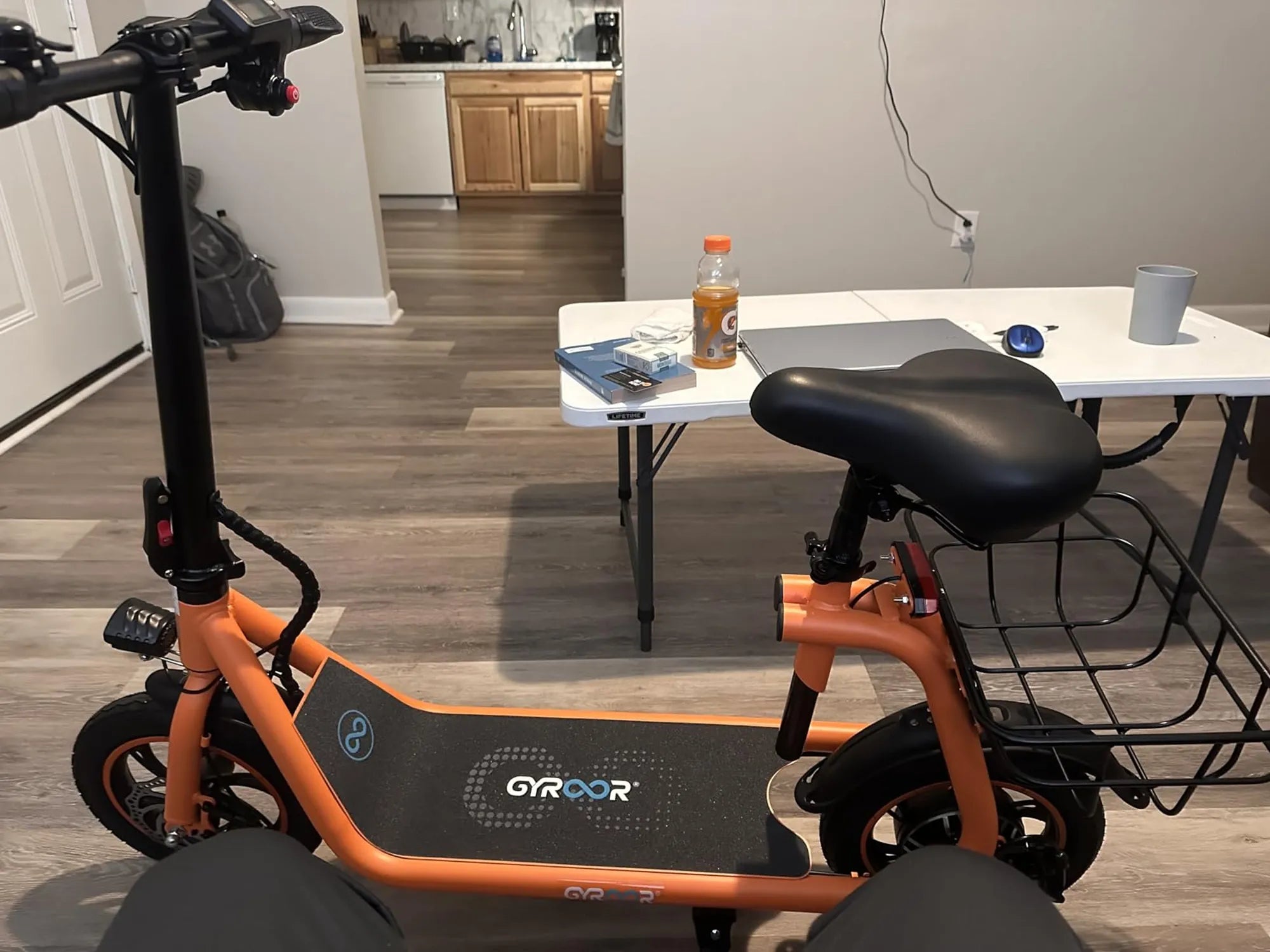
Electric scooters have taken urban areas by storm, offering a convenient and eco-friendly way to navigate crowded streets. But one question remains hotly debated: Are electric scooters legal to ride on sidewalks? The answer isn't straightforward, as laws vary by location, and the rapid rise of e-scooters has left many cities scrambling to update their regulations. Whether you're a daily commuter or a curious bystander, understanding the rules and implications of sidewalk riding is crucial for safety and compliance.
The Legal Landscape of Electric Scooters on Sidewalks
Laws regarding electric scooters on sidewalks differ significantly depending on where you live. Some cities explicitly ban e-scooters from sidewalks, classifying them similarly to bicycles, which must use bike lanes or roads. Others permit sidewalk riding but impose speed limits to ensure pedestrian safety. A few jurisdictions have no clear regulations at all, creating a gray area for riders and law enforcement alike.
For example, many metropolitan areas have designated e-scooters as "personal mobility devices," subject to specific rules. In these cases, sidewalk riding may be allowed if the scooter's speed is capped (often around 10-15 mph). However, densely populated cities often prohibit sidewalk use entirely due to the high risk of collisions with pedestrians.
Why Sidewalk Riding Sparks Controversy
The debate over electric scooters on sidewalks centers on safety and accessibility. Proponents argue that sidewalks provide a safer alternative to busy roads, especially in areas without dedicated bike lanes. They also highlight the benefits for riders who may not feel comfortable navigating traffic.
On the other hand, opponents point to the dangers posed by fast-moving scooters sharing space with pedestrians. Elderly individuals, children, and people with disabilities are particularly vulnerable to accidents. Sidewalks, designed for walking, often lack the width to accommodate both pedestrians and scooters safely.
How Cities Are Adapting to E-Scooter Popularity
As electric scooters become a staple of urban transportation, cities are implementing new policies to address sidewalk riding. Some have introduced geofencing technology to automatically reduce scooter speeds in pedestrian-heavy zones. Others have created "scooter corridors"—designated pathways that keep riders off sidewalks and out of vehicle traffic.
Public awareness campaigns are also playing a role. Many municipalities are educating riders on proper etiquette, such as yielding to pedestrians and dismounting in crowded areas. These efforts aim to strike a balance between embracing micromobility and maintaining safe, walkable streets.
Safety Tips for Riding Electric Scooters on Sidewalks
If your local laws permit sidewalk riding, follow these guidelines to stay safe and respectful:
- Always yield to pedestrians—they have the right of way.
- Keep your speed low, especially in crowded areas.
- Use a bell or verbal warning when passing pedestrians from behind.
- Avoid riding on sidewalks in high-traffic zones if possible.
- Wear a helmet, even if it's not legally required.
The Future of Electric Scooters and Sidewalk Regulations
As technology evolves, so too will the laws governing electric scooters. Innovations like AI-powered collision avoidance and improved infrastructure could make sidewalk sharing more feasible. In the meantime, riders must stay informed about local regulations and prioritize safety for themselves and others.
Electric scooters are here to stay, and their place on sidewalks will continue to be a topic of discussion. By advocating for clear laws and responsible riding, we can ensure that this convenient mode of transportation benefits everyone—without compromising safety.
Best Custom Electric Kick Scooters Comparison: Top Picks for 2024
How to Fix Error on Electric Scooter: A Step-by-Step Guide