



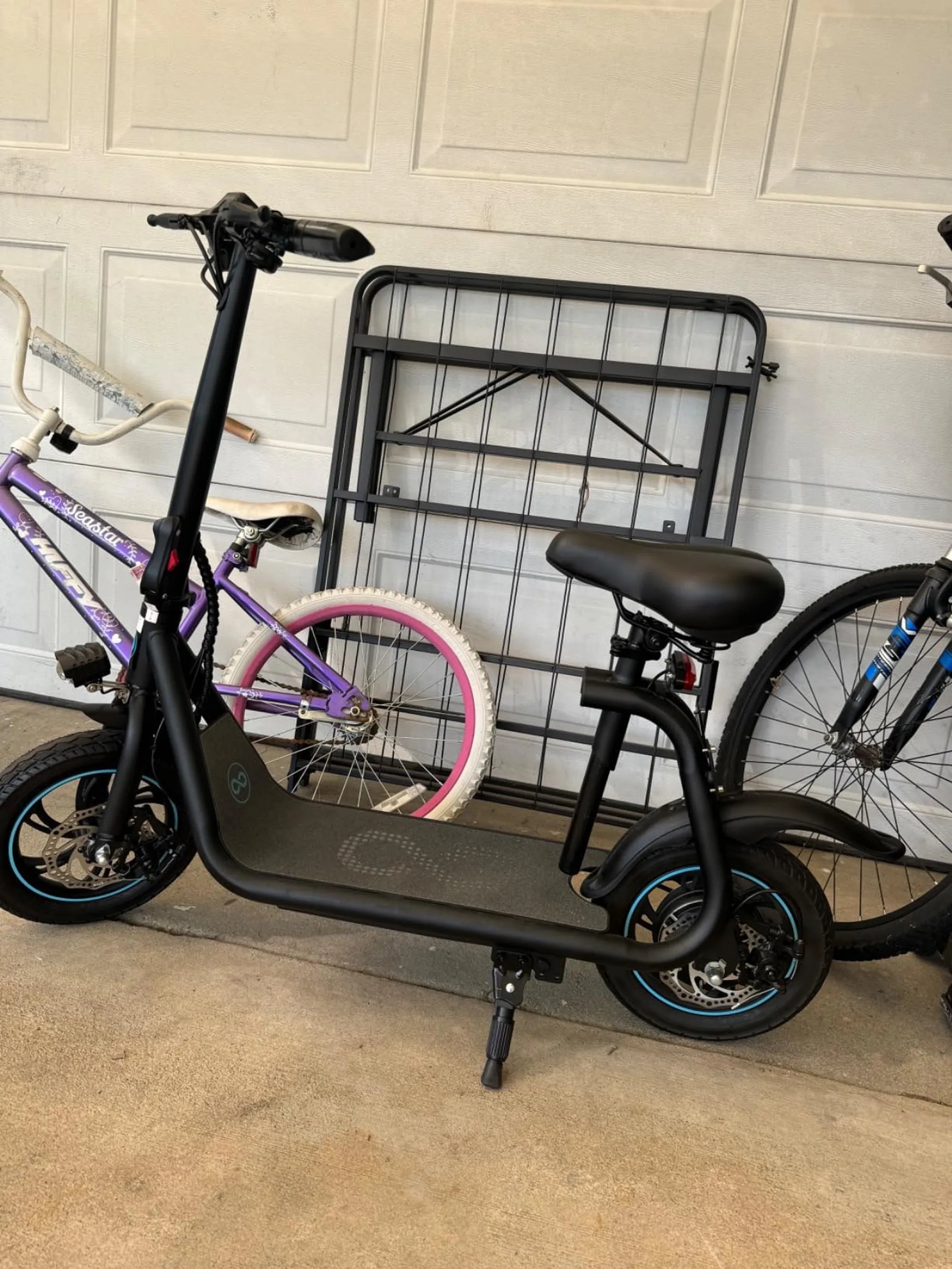
Introduction: Why Lisbon is the Perfect City for Electric Scooters
Lisbon presents a unique urban mobility challenge. Its iconic seven hills, historic cobblestone streets (calçada portuguesa), and vibrant, narrow neighborhoods in Alfama and Bairro Alto can make traditional transport frustrating. Yet, these very characteristics make it an ideal landscape for electric scooters. E-scooters offer a nimble, efficient, and silent way to navigate the city's topography, bypassing traffic and providing direct access to areas where cars struggle.
The city's strong commitment to sustainability and smart urban mobility further welcomes this mode of transport. With dedicated bike lanes expanding and a climate that boasts over 290 sunny days a year, the conditions are perfect. This guide will equip you with the knowledge to master Lisbon on two wheels, from selecting the right scooter to riding safely and legally.
We'll explore the technical specifications needed to conquer Lisbon's terrain, demystify local regulations, and highlight how choosing a reliable, well-engineered scooter from a brand like Gyroor—trusted by over 100,000 riders for its UL-certified batteries and robust warranties—can transform your experience from a shaky experiment into a seamless urban adventure.
Navigating Lisbon's Terrain: Choosing the Right Scooter for Hills & Cobblestones
Lisbon's beauty is intertwined with its challenging landscape. A standard scooter designed for flat city grids will fail here. The key to a comfortable and safe ride lies in matching your scooter's specifications to the specific demands of Lisbon's streets. The primary factors are motor power, wheel design, and suspension.
A motor with sufficient wattage is non-negotiable. While 250W might suffice on flat ground, Lisbon's steep gradients in neighborhoods like Graça or the climb to the Castelo de São Jorge demand more. A continuous motor power of at least 350W is recommended, with 500W or dual-motor setups providing confident climbing power and better acceleration from stops on inclines.
Wheel size and type are critical for handling the famous calçada. Small, solid rubber wheels will transmit every vibration, making for a bone-jarring and potentially unsafe ride. Larger wheels (9.5 inches or more in diameter) with air-filled (pneumatic) tires provide vastly superior shock absorption and stability on uneven surfaces. They also offer better traction on Lisbon's occasional tram tracks and wet, slick cobblestones.
A robust suspension system complements good wheels. A combination of front spring suspension and a rear shock absorber can smooth out the roughest patches of cobblestone and unexpected potholes. This trio of power, large pneumatic tires, and suspension is the golden standard for Lisbon riding, ensuring control, comfort, and reduced fatigue on longer explorations.
Key Specs to Conquer Calçada Portuguesa
When evaluating scooters for Lisbon, prioritize these specifications. Motor power directly correlates with hill-climbing ability; a minimum of 350W is essential, with higher wattage offering headroom for heavier riders or steeper climbs. Peak power ratings can be misleading, so focus on the continuous power output.
Wheel diameter should be 9.5 inches or greater. Pneumatic (air-filled) tires are vastly superior to solid ones for comfort and grip. Avoid honeycomb or solid rubber tires if you plan to ride extensively on historic pavements. A dual suspension system—front and rear—is highly recommended to manage the constant vibration from cobblestones, protecting both the scooter and the rider.
Finally, consider the battery range. Lisbon's hills consume more energy. A scooter with a manufacturer-stated range of 25km might only achieve 15-18km in real-world Lisbon conditions. Always choose a model with a range that exceeds your daily needs by at least 30% to account for elevation, rider weight, and frequent acceleration.
Rules of the Road: Lisbon's E-Scooter Laws & Safe Riding Zones
Riding an electric scooter in Lisbon requires adherence to specific national and municipal regulations designed to ensure safety for all road users. Understanding these rules is essential to avoid fines and ride responsibly. The legal framework classifies personal light electric vehicles (PLEVs) with certain power and speed limits.
In Portugal, e-scooters are limited to a maximum speed of 25 km/h. They are prohibited from riding on sidewalks, except in designated areas or when explicitly marked. The primary riding zones are bicycle lanes, cycle paths, and regular roads where the speed limit is 50 km/h or less. On roads without bike lanes, you must ride as far to the right as possible.
Helmet use is mandatory for all riders under 18 years of age. For adults, it is not legally required but is strongly recommended, especially given Lisbon's variable terrain and traffic conditions. Reflective clothing or accessories are required for night riding. The scooter must have working front (white) and rear (red) lights, a bell, and a braking system.
Parking is a critical aspect of responsible riding. You must never park in a way that obstructs pedestrian pathways, building entrances, or accessible ramps. Look for designated motorcycle parking areas or use bicycle racks. Improper parking is a common reason for complaints and can lead to your scooter being impounded by municipal authorities.
The Gyroor Advantage: Reliability for Daily Lisbon Commutes & Exploration
Navigating Lisbon demands more than just any scooter; it requires a dependable partner engineered for real-world challenges. This is where the design philosophy of brands like Gyroor becomes crucial. With over 100,000 riders across North America and Europe, Gyroor builds scooters with the reliability needed for daily commutes and adventurous exploration in a city like Lisbon.
The cornerstone of this reliability is battery safety. All Gyroor models use UL-certified battery packs, tested for over 500 charge cycles. This certification is a critical safeguard, ensuring stability and performance even during the demanding charge and discharge cycles caused by Lisbon's constant hills. It provides peace of mind against the risks of overheating or failure.
Lisbon's weather can change quickly, with sudden showers sweeping in from the Tagus River. Gyroor's IPX5 water-resistant rating means the scooter's electrical components are protected against water jets from any direction. This resistance allows you to ride through wet streets or a light rain shower without immediate worry, though avoiding heavy downpours and deep puddles is always advised.
Finally, the commitment to rider support is sealed with a reliable 1-year warranty. When exploring a new city, the last thing you need is mechanical uncertainty. This warranty ensures that you have access to support and parts, guaranteeing that your investment is protected and your mobility is maintained throughout your time in Lisbon.
A Model Comparison for Lisbon Riders
Choosing the right model depends on your primary use case: daily commuting or weekend hill exploration. Here’s a comparison of hypothetical Gyroor models tailored for Lisbon's environment.
| Model Feature | Gyroor Commuter Pro | Gyroor Explorer X | Best For Lisbon Use Case |
|---|---|---|---|
| Motor Power | 350W Continuous | 500W Continuous (Dual Motor Option) | Explorer X for steep hills (e.g., Alfama) |
| Max Range | 30 km | 45 km | Explorer X for full-day touring |
| Wheel Type & Size | 9.5" Pneumatic | 10" Pneumatic, Off-road Tread | Both suitable; Explorer X for extra grip |
| Suspension | Front Spring | Full Dual Suspension | Explorer X for superior cobblestone comfort |
| Weight & Portability | 15 kg (Folding) | 22 kg (Folding) | Commuter Pro for tram/bus integration |
| Ideal Lisbon Scenario | Daily work commute, errands in Baixa | Weekend adventures, hilltop miradouro tours | Based on rider priority: agility vs. power |
Planning Your Ride: Top Scenic Routes & Essential Parking Tips
Lisbon is a city best experienced at a pace that allows you to absorb its sights, sounds, and smells. An electric scooter is the perfect tool for this. One of the most popular and scenic routes is the path along the Tagus River. Starting at the Praça do Comércio, you can ride eastwards along the dedicated cycle path towards the Parque das Nações. This flat, smooth route offers stunning riverside views, passing under the April 25th Bridge.
For a historic and challenging ride, navigate the labyrinthine streets of Alfama. Start at the Sé de Lisboa (cathedral) and weave your way up to the Miradouro de Santa Luzia. While the cobblestones are intense, the reward is unparalleled views over the red rooftops to the river. Use a scooter with strong brakes and good suspension for this route, and be prepared to walk it on the steepest, narrowest alleys.
Another excellent route is the linear park corridor from Monsanto to Belém. This uses a combination of park paths and waterfront cycle lanes, leading you to the iconic Belém Tower and Jerónimos Monastery. It's a longer ride, perfect for a scooter with ample range, and is mostly flat with dedicated infrastructure, making it safe and enjoyable.
Regarding parking, always be conscientious. Use designated motorcycle parking spots or bicycle racks. Never lock your scooter to street furniture like benches or lampposts in a way that blocks the sidewalk. In busy areas like Chiado or Bairro Alto, finding legal parking can take a few minutes, but it is essential to maintain good relations with the city and its residents. Always take your removable battery or secure your scooter with a robust lock if leaving it unattended.
Safety First: Essential Gear and Riding Practices for Lisbon
Safety in Lisbon's mixed-traffic environment is paramount. Beyond the legal requirements, adopting proactive safety practices will significantly enhance your riding experience. The first and most important piece of gear is a helmet. Even though not mandatory for adults, a certified bicycle or multi-impact helmet is a critical investment that can prevent serious injury.
Visibility is key. Wear bright or reflective clothing, especially during the city's often-golden twilight hours. Ensure your scooter's lights are always functional—use them during the day as well to increase your visibility to cars, trams, and pedestrians. Consider adding additional LED strips or a rear light to your backpack or helmet for extra safety.
Adopt a defensive riding posture. Assume that cars may not see you, that tram tracks can catch your wheels, and that pedestrians might step into bike lanes unexpectedly. On cobblestone sections, reduce your speed to maintain control. Use your bell politely to alert pedestrians when passing on shared paths, but never startle them. Always signal your intentions clearly when turning.
Be particularly mindful of Lisbon's iconic yellow trams. Never attempt to outrun or swerve closely in front of a tram. Their tracks are deep and can easily trap a scooter wheel, causing a crash. Always cross tram tracks at as close to a 90-degree angle as possible to avoid your wheel slipping into the groove.
Maintenance and Care for Your E-Scooter in an Urban Environment
Regular maintenance ensures your scooter remains safe and reliable on Lisbon's demanding streets. The most frequent check should be tire pressure. Pneumatic tires lose air over time, and low pressure increases the risk of pinch flats (especially on cobblestone edges) and reduces efficiency. Check pressure weekly and inflate to the manufacturer's recommended PSI.
Brakes are your most important safety system. Lisbon's hills mean you will use your brakes frequently. Test them before every ride. For disc brakes, listen for grinding noises that indicate worn pads. For electronic or drum brakes, ensure they engage smoothly and bring the scooter to a controlled stop. Lubricate the brake levers and folding mechanisms periodically to prevent seizing.
Keep the scooter clean, especially after riding on wet or dusty streets. Use a damp cloth to wipe down the deck, stem, and wheels. Avoid direct high-pressure water jets, even on water-resistant models, as they can force water into seals. Regularly inspect all bolts and fasteners, particularly on the folding mechanism and handlebars, for any signs of loosening due to vibration.
Battery care is crucial for longevity. Avoid completely draining the battery. Try to recharge after each use, or when it drops below 20-30%. Store the scooter (and battery if removable) in a cool, dry place, away from direct sunlight. If you won't be using the scooter for an extended period, store the battery at a 50-60% charge state.
Frequently Asked Questions (FAQs) for Riding in Lisbon
Q: Do I need a helmet to ride an e-scooter in Lisbon?
A: Helmets are legally mandatory for riders under 18. For adults, they are not required by law but are highly recommended for safety. Given Lisbon's hills, traffic, and cobblestones, wearing a helmet is a wise precaution.
Q: Can I take my electric scooter on public transportation?
A: Policies vary. On the Metro, folded e-scooters are generally allowed outside of peak hours (7:00-9:30 AM & 5:00-7:30 PM on weekdays). On trams (like Tram 28) and buses, it is usually at the driver's discretion and depends on crowding. It's best to have a easily foldable and compact model if you plan to mix modes.
Q: What's the best strategy for dealing with Lisbon's steep hills?
A> First, ensure your scooter has a motor of at least 350W. Use momentum from the bottom of the hill, maintain a steady throttle, and lean forward to keep weight on the front wheel. If a hill is too steep or the scooter struggles, there's no shame in dismounting and walking it—safety first.
Q: Are there public charging stations for e-scooters in Lisbon?
A: Dedicated public charging stations for personal e-scooters are still rare. Most riders charge at home, work, or in cafes/restaurants with permission. Planning your route around your scooter's realistic range is essential. Some scooter-sharing company docks may have charging, but they are not for private scooters.
Q: Is it safe to ride an e-scooter on Lisbon's cobblestones (calçada)?
A> It can be safe if you have the right equipment and ride cautiously. A scooter with large (9.5"+), air-filled tires and a suspension system is mandatory. Always reduce your speed on cobblestone sections, keep a firm grip on the handlebars, and avoid sudden braking or sharp turns.
Conclusion: Embrace Sustainable Mobility in Portugal's Capital
Mastering Lisbon on an electric scooter unlocks the city in a unique and exhilarating way. You gain the freedom to glide from the riverside to a hilltop miradouro, bypassing traffic and immersing yourself in the urban fabric. The key to this freedom lies in informed choices: selecting a scooter with the power, tires, and suspension to handle the terrain, understanding and respecting local traffic laws, and prioritizing safety through gear and attentive riding practices.
By opting for a reliable, well-engineered vehicle from a brand like Gyroor—with its focus on UL-certified battery safety, water resistance, and rider support—you invest in peace of mind. This allows you to focus on the experience itself: the scent of pastéis de nata in Belém, the sunset views from Portas do Sol, and the vibrant energy of a city seamlessly blending history and modernity.
Electric scooters represent more than just convenience; they are a practical choice for sustainable urban mobility in a city committed to a greener future. So, equip yourself with knowledge, choose your ride wisely, and set out to discover the endless charms of Lisbon on two wheels. Ready to find the perfect scooter for your Lisbon adventure? Browse the full Gyroor collection at gyroorboard.com.
Electric Scooters for Short Riders: The Ultimate Guide to Finding the Perfect Fit
Are Electric Scooters Legal in Canada? A Complete Provincial Guide