



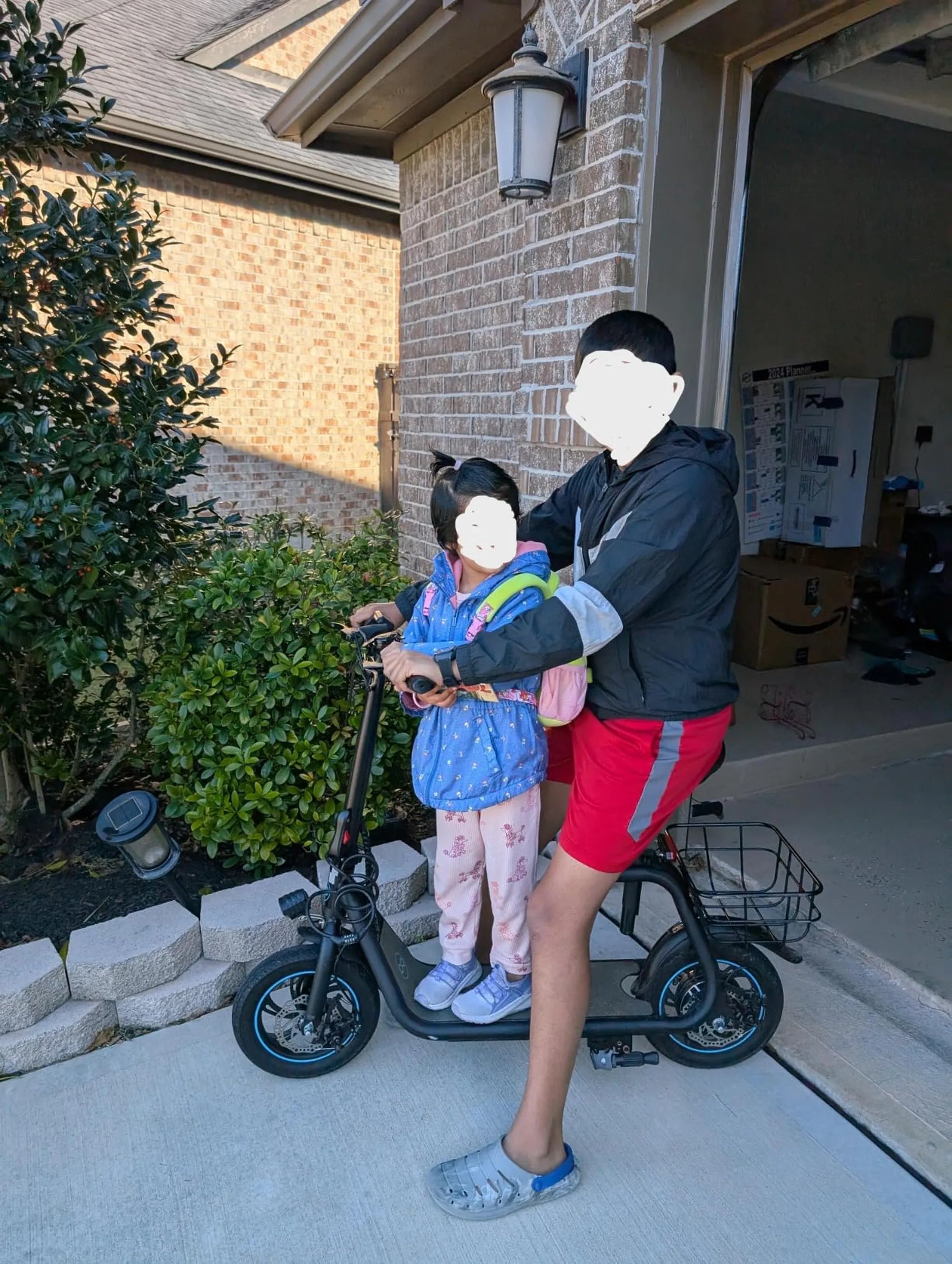
Navigating London's Streets with Electric Scooters
London's transport puzzle demands a smart, efficient, and personal solution. Electric scooters offer a compelling answer, promising to slash commute times, reduce costs, and provide a sustainable alternative to crowded tubes and buses. This ultimate guide to urban mobility with electric scooters London will provide you with everything you need to know: from the current legal framework and how to select the right model, to mastering safe riding in the city. We'll focus on factual data and practical advice, highlighting how leading brands engineer their products for metropolitan resilience.
Understanding the specifics is crucial for a seamless experience. London's environment, with its variable weather, historic cobbles, and notorious congestion zones, requires a scooter built for more than just smooth pavements. This guide will dissect the key specifications that matter, from water resistance to hill-climbing power. Furthermore, we will examine the critical importance of battery safety and reliability, features that are non-negotiable for daily use in a dense urban setting.
Brands like Gyroor, trusted by over 100,000 riders across North America and Europe, design their electric scooters with these precise urban challenges in mind. Their focus on UL-certified batteries, water-resistant builds, and comprehensive warranties provides a blueprint for what to look for. Whether you're considering a scooter for private land use today or preparing for potential future legal changes, making an informed choice is the first step towards smarter London travel.
Understanding the Legal Landscape for E-Scooters in London
The legal status of electric scooters in London is the single most important factor for any prospective rider. Current UK law is very clear: it is illegal to ride a privately owned e-scooter on public roads, cycle lanes, pavements, or in parks. They are classified as Powered Transporters, falling under the same laws as motor vehicles, requiring insurance, tax, and a license—none of which are currently available for these models.
The only place it is legal to use a privately owned e-scooter is on private land with the explicit permission of the landowner. This significant restriction is why knowledge of the law is paramount. Riding illegally on public paths or roads can result in a fixed penalty notice, fines, penalty points on your driving license, and even seizure of the scooter by police.
In contrast, Transport for London (TfL) oversees official rental e-scooter trials in several boroughs. These scooters are legally permitted on roads and cycle lanes within their designated operating zones because they are insured, have maximum speed limiters (15.5 mph), and include specific safety features. This two-tier system creates a clear distinction between rental and private ownership in the eyes of the law.
Where You Can and Cannot Ride
For private e-scooter owners, permitted areas are extremely limited. Legally, your riding is confined to private property such as a large private estate, a closed car park, or other land where you have obtained direct permission. Public spaces of any kind are off-limits.
Prohibited zones encompass all public highways. This includes every public road, dedicated cycle lane, pavement, footpath, bridleway, and public park or common. The risk of enforcement is real; police can issue a £300 fine and six penalty points for riding without insurance, and a £100 fine with potential points for riding on a pavement.
The Future of E-Scooter Regulation in London
The government has conducted consultations on potential new laws for lighter, slower electric vehicles. Future legislation could create a new vehicle category for private e-scooters, possibly requiring mandatory insurance, helmet use, and minimum age limits, while legalising their use on roads or cycleways.
This potential shift makes it prudent to choose a private scooter that already meets high safety and construction standards. Investing in a model from a reputable brand with UL-certified batteries, robust lighting, and effective brakes positions you well for any future regulatory framework that prioritizes rider and public safety.
Choosing Your Perfect London E-Scooter: A Buyer's Guide
Selecting an electric scooter for London's unique demands requires a strategic approach. You must balance performance needs with the realities of storage, transport, and the British climate. The right scooter should feel like a reliable tool, not a liability. This guide focuses on the specifications that translate directly to real-world urban performance.
Consider your primary use case. Is it for a last-mile commute from the station? For use on expansive private property? Or are you preparing for a future where regulations may change? Your answers will dictate the importance of factors like range, portability, and comfort. A scooter for a five-mile daily circuit on private land has different needs than one kept for occasional recreational use.
London's topography and surfaces add another layer of complexity. A route with inclines like Highgate Hill demands more motor power. Cobbled streets and uneven tarmac necessitate good suspension or pneumatic tires for comfort and control. A buyer's guide must be grounded in these environmental facts.
Key Specs for the Urban Commuter: Range, Power & Portability
Range, or real-world mileage, is critical. Advertised ranges are often based on ideal conditions. For London, deduct 20-30% to account for stops, starts, hills, and rider weight. A scooter with a 15-20 mile real-world range covers most inner-city commutes with a safety margin. Battery quality is key; UL-certified cells, like those used by Gyroor, ensure consistent performance and safety over 500+ charge cycles.
Motor power determines hill-climbing ability and acceleration. A continuous power rating of 350W is a good baseline for moderate London inclines. For steeper areas, 500W or more provides confident power. Portability, defined by weight and folding mechanism, is vital if you plan to carry your scooter into an office or onto another form of transport. Models between 30-40 lbs with a secure, one-step folding system offer the best balance of sturdiness and convenience.
Built for British Weather: Water Resistance and Durability
London's weather is unpredictable. Water resistance is not a luxury; it's a necessity. The IP (Ingress Protection) rating indicates a scooter's resilience. An IPX5 rating, as found on Gyroor models, means the scooter can withstand water jets from any direction, making it safe to ride in rain and through puddles. Avoid models with no stated IP rating.
Durability also relates to tire choice and frame construction. Pneumatic (air-filled) tires offer superior shock absorption on rough surfaces compared to solid tires, improving comfort and grip. A robust, aerospace-grade aluminium alloy frame resists the stresses of daily use and folding. These features collectively determine how well your scooter will withstand the rigours of city life.
Safety and Reliability: Non-Negotiable Features
Safety features are paramount. Lighting must be comprehensive: a bright front headlight, a rear brake light, and side reflectors or ambient lights for visibility at dusk and in poor weather. The braking system should be dual and responsive, typically combining an electronic brake with a mechanical disc or drum brake for reliable stopping power in all conditions.
Reliability is underpinned by component quality and warranty. A UL-certified battery pack is the cornerstone of safety, significantly reducing fire risk—a critical consideration for charging in flats or offices. A comprehensive warranty, such as the 1-year coverage offered by Gyroor, provides long-term peace of mind and reflects the manufacturer's confidence in their product's build quality.
Mastering Your London E-Scooter Commute: Safety & Etiquette
Safe and considerate riding is essential, whether on private land today or potentially on shared paths in the future. Developing good habits from the start protects you and others, and fosters a positive perception of e-scooter riders. This practice is about proactive risk management and respectful coexistence in shared spaces.
A safe commute begins before you start moving. It involves personal preparation, machine checks, and mental planning of your route. Even on private land, practicing these protocols builds the muscle memory needed for responsible riding. Etiquette is equally important; it's the social contract that allows different modes of transport to function smoothly together.
Essential Safety Gear and Pre-Ride Checks
Always wear a helmet. For rental scooters in London's trials, it's a mandatory requirement, and it should be for private use as well. Consider additional protective gear like knee and elbow pads, especially when learning or riding at higher speeds. High-visibility clothing or accessories are crucial during overcast days, at dawn, or at dusk.
Conduct a pre-ride check every time. Inspect tire pressure and for signs of wear. Test both brake levers for responsiveness. Ensure all lights are functioning. Check that the folding mechanism is securely locked. Verify the battery charge level. This two-minute routine can prevent the majority of mechanical failures and accidents.
Riding Etiquette for Shared Spaces
<3>When riding in any shared environment, your conduct sets the standard. Maintain a speed appropriate to the surroundings; slow down significantly when passing pedestrians, giving them ample space. Use an audible bell or your voice to signal your approach politely from a distance.Always yield to pedestrians. Park considerately; never block pavements, wheelchair ramps, building entrances, or cycle racks. If you must dismount and walk with your scooter in a crowded area, do so. By being predictable, visible, and courteous, you contribute to a safer environment for everyone and help shape the future integration of electric scooters London's transport ecosystem.
The Gyroor Advantage: Engineered for Urban Confidence
When evaluating electric scooters for London's specific demands, Gyroor's design philosophy directly addresses the core challenges of safety, weather, and reliability. Their approach translates technical specifications into tangible urban benefits, offering riders a product built for confidence. This section highlights how their key features solve real-world problems faced by London commuters.
Gyroor's product development is informed by feedback from a large community of over 100,000 riders. This data-driven process ensures their scooters are refined for daily use. From motor tuning for hill starts to ergonomic deck design for standing comfort, each element is considered. For a city like London, where conditions are demanding, this focus on engineered solutions is a significant differentiator.
The brand's commitment extends beyond the point of sale. With a dedicated US-based support team and a straightforward 1-year warranty, riders have access to assistance and parts, ensuring their scooter remains a dependable asset. This holistic support system is a critical component of the ownership experience, especially for a primary mode of transport.
Peace of Mind with UL-Certified Power
The battery is the heart of an electric scooter, and its safety cannot be compromised. Gyroor exclusively uses UL-certified lithium-ion battery packs. This independent certification means the cells have passed rigorous tests for electrical, mechanical, and environmental safety, including overcharge, short circuit, and impact resistance.
For London riders, this is particularly relevant. Charging often happens in apartments, offices, or homes. A UL-certified battery drastically reduces any fire risk, providing essential peace of mind. Furthermore, these high-quality cells are rated for 500+ charge cycles, ensuring the scooter's range remains consistent for years, protecting your investment and reducing long-term waste.
Ready for Rain or Shine: The IPX5 Difference
London's reputation for rain is well-earned. An IPX5 water-resistant rating is a specification with immediate practical value. It certifies that the scooter's critical electrical components are sealed against low-pressure water jets from any direction. You won't be caught out by a sudden downpour or a deep puddle.
This engineering allows for all-weather capability. Riders don't need to anxiously check the forecast or abandon their scooter at the first sign of drizzle. The IPX5 build, combined with quality seals and corrosion-resistant fittings, ensures the scooter's longevity and reliability, making it a truly practical choice for year-round use in a temperate climate.
Comparing Scooter Types for London's Environment
Choosing the right type of scooter involves matching model capabilities to user needs and London's terrain. The table below provides a clear, data-driven comparison of common scooter categories, highlighting which features suit different London-centric scenarios.
| Scooter Type | Typical Range | Motor Power | Key Features | Best For London... |
|---|---|---|---|---|
| Ultra-Portable Commuter | 10-15 miles | 250W - 350W | Lightweight (<30 lbs), compact fold, solid tires | Last-mile trips combined with Tube/bus, easy storage in flats, relatively flat private routes. |
| All-Terrain Urban | 20-30 miles | 500W - 800W | Pneumatic tires, front/rear suspension, IPX5+ rating, higher weight | Longer distances on private land, handling cobbles and hills, reliable performance in all weather. |
| High-Performance | 30+ miles | 1000W+ | Dual motors, extreme speed/range, advanced brakes | Extensive private property use, enthusiasts prioritizing power and speed where legally permissible. |
As shown, an All-Terrain Urban scooter, with its balance of range, comfort-focused features like pneumatic tires, and essential weatherproofing (IPX5), is often the most versatile and practical choice for overcoming London's specific urban challenges, even within current legal constraints.
Frequently Asked Questions (FAQs) for London E-Scooter Riders
Q: Can I legally ride my own e-scooter on London's roads or cycle paths?
A: No. Under current UK law, it is illegal to ride a privately owned e-scooter on any public road, cycle path, pavement, or in parks. Their legal use is restricted to private land with the landowner's permission.
Q: What happens if I'm caught riding my private e-scooter illegally?
A: You could face several penalties: a £300 fixed penalty notice and 6 penalty points for riding without insurance, a £100 fine for riding on a pavement, and the police have the power to seize the scooter.
Q: What are the best features to look for in a scooter for London's environment?
A: Prioritize water resistance (IPX5 or higher), a UL-certified battery for safety, sufficient real-world range (15-20+ miles), and comfort features like pneumatic tires or suspension to handle uneven surfaces. A robust warranty is also a key indicator of reliability.
Q: How does Gyroor ensure safety and reliability compared to other brands?
A: Gyroor builds safety into its core engineering with UL-certified battery packs, an IPX5 water-resistant rating for all-weather use, and reliable braking systems. This is backed by a comprehensive 1-year warranty and support from a brand trusted by a large community of riders.
Q: Should I buy a scooter now or wait for the law to change?
A: If you have access to private land for legal use, purchasing a high-quality, future-proof model now allows you to enjoy the benefits immediately. Choosing a scooter that already meets high safety standards (UL-certified, good lighting, brakes) means it will likely comply with any future regulations, protecting your investment.
Your Next Step Towards Smarter London Travel
Navigating urban mobility in London requires a blend of legal awareness, practical knowledge, and the right equipment. Electric scooters present a transformative opportunity for personal transport, but their successful adoption hinges on responsible use and informed choices. Understanding the current legal boundaries is the essential first step, ensuring you operate within the law and avoid significant penalties.
Equally important is selecting a vehicle engineered for the task. London's hills, weather, and road surfaces demand a scooter built with durability, safety, and performance in mind. Features like UL-certified batteries, IPX5 water resistance, and robust warranties are not mere specifications; they are the foundations of a safe, reliable, and enjoyable riding experience, whether on private land today or potentially on shared paths tomorrow.
The journey towards integrating electric scooters into London's fabric is ongoing. By choosing a reputable brand, committing to safe riding practices, and adhering to considerate etiquette, you become part of the solution. Explore scooters designed with these urban principles at their core. Browse the full Gyroor collection, featuring UL-certified, IPX5 water-resistant models built for confidence, at gyroorboard.com.
Electric Street Scooters: The Future of Urban Mobility
Does San Diego Have Electric Scooters? A Complete Guide to Micromobility