



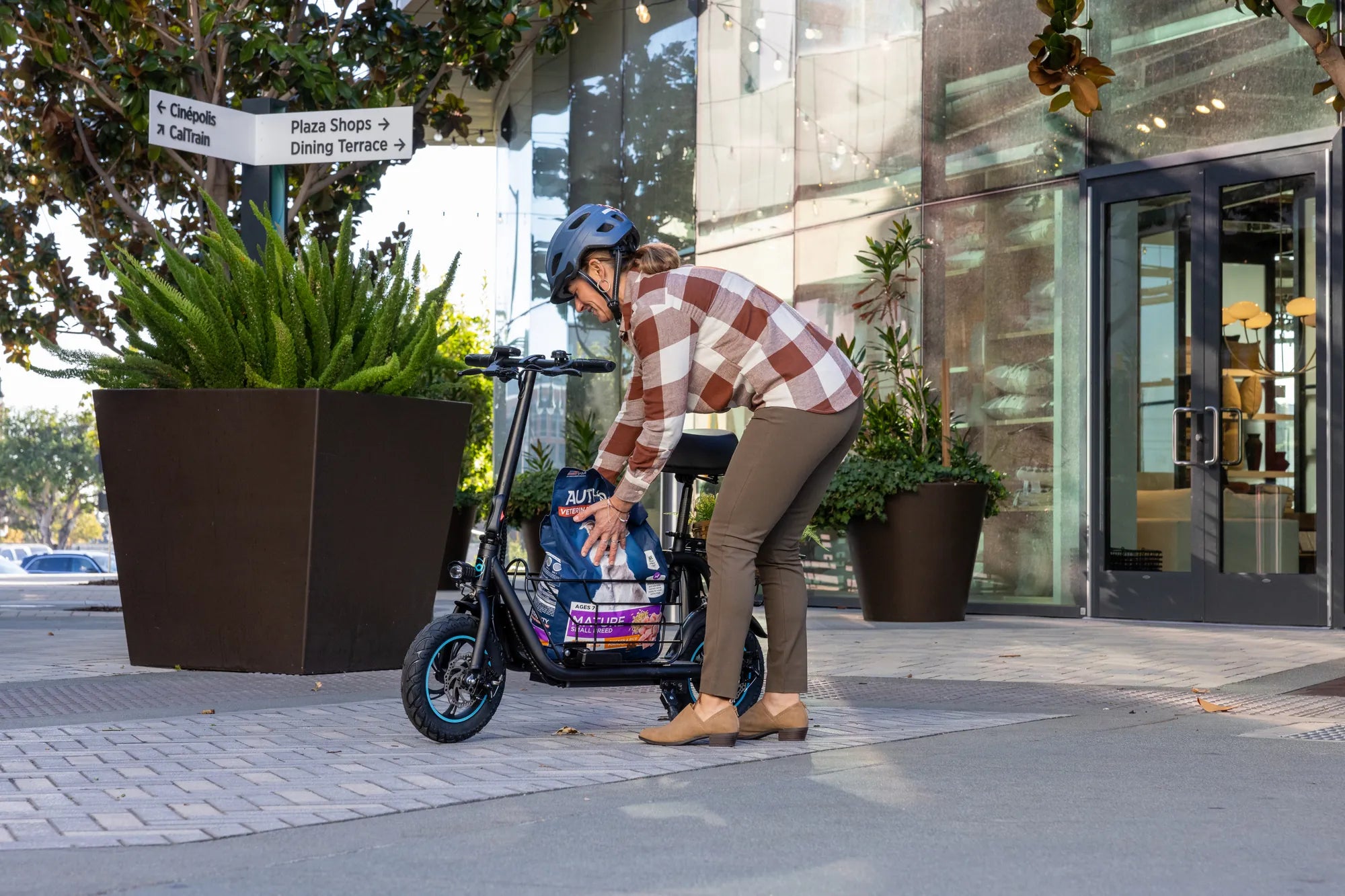
Electric scooters in Norway are not just a trend; they are a logical evolution of the country's world-leading commitment to sustainable transport. For commuters in Oslo, students in Trondheim, or tourists exploring Bergen's fjord-side streets, the electric scooter offers a silent, emission-free solution to the 'first and last mile' challenge, seamlessly integrating with public transit. This article delves deep into why Electric Scooters Norway: The Future of Urban Mobility is a present-day reality. You will learn how national policies, urban design, and cultural values create an ideal ecosystem, understand the critical performance specifications needed for Norwegian hills and weather, and discover how to select a scooter that is safe, reliable, and built to last.
Introduction to Electric Scooters in Norway
Norway stands as a global beacon for electric vehicle adoption, with EVs constituting over 90% of new car sales. This national ethos extends powerfully to micro-mobility. Electric scooters in Norway have rapidly moved from novelty to necessity in urban centers, representing a perfect synergy of environmental consciousness and practical urban design.
The Norwegian landscape—a mix of modern, traffic-calmed city centers and challenging natural topography—demands a specific type of personal electric vehicle. It requires durability, power, and all-weather capability. The discussion around Electric Scooters Norway: The Future of Urban Mobility is therefore grounded in performance data and infrastructure realities, not just aspiration.
From the extensive network of dedicated cycling paths to the cultural concept of 'friluftsliv' (open-air life), Norway provides a uniquely supportive environment. This foundation has accelerated the integration of e-scooters into the daily commute and leisure activities, making them a common sight year-round.
This guide provides a comprehensive analysis for both prospective buyers and policy observers. We will explore the technical, legal, and practical dimensions of adopting an electric scooter in one of the world's most forward-thinking transportation markets.
Why Norway is the Perfect Landscape for E-Scooters
Several interconnected factors converge to make Norway arguably the world's most mature and suitable market for widespread electric scooter adoption. It is a combination of top-down policy and bottom-up cultural readiness.
First, Norway's wealth, derived from its sovereign fund, is strategically being invested in a post-oil future. This translates into substantial, long-term financial commitments to green technology and infrastructure, creating a stable environment for micro-mobility innovation and consumer adoption.
Second, Norwegian cities are consistently ranked among the world's most livable. A key component of this is the deliberate design to reduce car dominance, promote active transport, and improve air quality. E-scooters fit directly into this urban planning paradigm.
Finally, the population is tech-savvy, environmentally aware, and has high purchasing power. The willingness to invest in quality, sustainable products is high, shifting the market away from disposable, low-quality options and towards reliable, high-performance vehicles.
Government Policies and Incentives
Norwegian policy actively removes barriers to electric vehicle ownership. While VAT exemptions are most famous for electric cars, the supportive regulatory framework benefits lighter electric vehicles too. E-scooters are classified as 'electric bicycles' under Norwegian vehicle law when they meet certain criteria, allowing them use of bicycle infrastructure.
There is no registration, tax, or license plate requirement for privately owned e-scooters with a design speed under 20 km/h. This low-friction approach encourages adoption. Furthermore, municipal governments often subsidize or directly invest in cycling (and by extension, scooter) infrastructure, expanding the safe network for riders.
National goals, such as Oslo's aim to become a nearly car-free city center and Norway's target for all new city buses to be zero-emission, create a policy environment where e-scooters are seen as part of the solution, not a problem to be regulated away.
Urban Infrastructure & The "Byliv" (City Life) Culture
The Norwegian concept of 'byliv'—vibrant, people-centric city life—is antithetical to traffic congestion and noise. Cities have implemented extensive traffic calming measures, converted parking spaces into parks and bike lanes, and created continuous networks of cycling paths.
In Oslo, the 'Bymiljøpakken' (Urban Environment Package) has systematically reduced car access in the inner city while adding hundreds of kilometers of bicycle paths. This infrastructure is directly usable by e-scooter riders, providing safe, dedicated routes separated from motor vehicles.
This infrastructure investment is paired with a cultural shift. Using a car for short urban trips is increasingly seen as impractical and antisocial. The combination of excellent infrastructure and shifting social norms makes electric scooters in Norway a convenient and socially endorsed choice for daily travel.
Navigating Norwegian Terrain: Performance and Durability Needs
Norway's beauty is matched by its topographic challenges. Effective urban mobility requires a vehicle capable of handling steep hills, variable road surfaces, and the full spectrum of Nordic weather. Not all scooters are built for this.
The performance benchmark for Norwegian conditions is significantly higher than for flat, dry climates. Key specifications like motor power, battery capacity, and ingress protection ratings move from 'nice-to-have' to critical purchasing criteria. A scooter that performs well in Barcelona may struggle on a wet October day in Bergen.
Riders must prioritize robustness and reliability. This means seeking out brands that use high-grade materials, offer comprehensive warranties, and design specifically for durability. The initial investment is higher, but the total cost of ownership is lower when the scooter lasts for years, not months.
Conquering Hills and Variable Surfaces
Norwegian cities are famously built on hills and fjords. A scooter with a weak motor will crawl up inclines, drain its battery rapidly, and provide a poor riding experience. For reliable hill-climbing, a continuous motor power rating of at least 500W is essential, with 600W or 700W providing more comfortable headroom.
Suspension is non-negotiable. A combination of front and rear spring or hydraulic suspension absorbs impacts from cobblestones, tram tracks, and uneven asphalt, protecting both the scooter's frame and the rider's comfort. Solid tires may puncture less, but they transmit every vibration; air-filled tires with good suspension offer a far superior ride.
Tire size also matters. Larger wheels (10-inch or more) roll more easily over obstacles and provide better stability, which is crucial when navigating shared paths with cyclists and pedestrians. They also offer more traction in wet conditions.
Weather Resistance and Reliability
Rain, sleet, slush, and road salt are facts of life for much of the year. A scooter's IP (Ingress Protection) rating is its first line of defense. An IPX5 rating is the minimum for reliable all-weather use, indicating protection against water jets from any direction. Some models offer IPX6 or IP54 ratings, which add dust resistance.
The braking system must remain effective when wet. Disc brakes, especially hydraulic ones, offer consistent stopping power in rain, far superior to cheap drum or foot brakes. Regenerative braking can assist but should not be the primary system.
Battery performance in cold weather is a key technical challenge. Lithium-ion batteries lose capacity and charging efficiency in low temperatures. Brands that use high-quality, UL-certified battery cells with proper thermal management systems will see less performance drop-off in winter and, critically, have a much lower risk of battery-related failure.
Choosing Your Ride: A Data-Driven Comparison for Norwegian Riders
Selecting the right scooter requires matching specifications to your primary use-case, commute length, and local terrain. The following table provides a framework for comparing different categories of scooters through the lens of Norwegian requirements.
| Model Type | Primary Use Case | Min. Motor Power | Real-World Range* | Min. IP Rating | Tire & Suspension | Key Consideration |
|---|---|---|---|---|---|---|
| Urban Commuter | Flat city errands, <5km trips | 350W | 15-20 km | IPX4 | 8.5" air tires, basic spring suspension | Lightweight, foldable. May struggle on hills. |
| Performance Commuter | Daily hilly commute, 5-15km trips | 500W+ | 25-40 km | IPX5 | 10" air tires, dual suspension | Balances power, range, and portability. Ideal for most. |
| Off-Road Capable | Mixed terrain, forest paths, steep hills | 800W+ (Dual Motor) | 30-50 km | IPX5 / IP54 | 10"+ off-road tires, advanced suspension | Heavier, less portable. Maximum traction & power. |
*Real-world range is typically 60-70% of manufacturer claims, especially in cold weather or on hilly terrain.
The Gyroor Advantage in the Norwegian Context
As a leading electric scooter and e-bike brand trusted by over 100,000 riders across North America and Europe, Gyroor's engineering philosophy aligns directly with Norwegian demands. The brand's focus on safety and durability is not marketing—it's a technical specification.
Every Gyroor scooter uses UL-certified battery packs, tested for over 500 charge cycles. This certification is a rigorous safety standard, ensuring battery cells can handle stress and temperature fluctuations, a critical feature for Norwegian winters where battery safety is paramount.
The IPX5 water-resistant design across key models means riders can confidently navigate rainy commutes or wet streets after snowmelt. This level of sealing protects the scooter's electronic systems, extending its lifespan significantly compared to less protected models.
Furthermore, Gyroor backs its products with a reliable 1-year warranty, reflecting confidence in their build quality. For a Norwegian rider, this translates into a long-term investment in a vehicle designed to perform reliably from the sunny days of July to the slushy roads of March.
Legal Framework and Safe Riding Practices in Norway
Understanding the law is essential for safe and legal riding. Norwegian regulations for electric scooters are clear and designed to integrate them safely into the traffic system.
By law, an electric scooter is considered a 'light electric vehicle' if it has a maximum design speed not exceeding 20 km/h. These scooters are allowed on bicycle paths and roads. Scooters capable of speeds between 20 and 25 km/h may be classified differently and have stricter rules. It is the rider's responsibility to know their vehicle's specifications.
There is no national helmet law for adults on e-scooters, but it is strongly recommended, especially given variable road conditions. Riders under 15 are often required to wear helmets by local ordinance. The use of lights (white front, red rear) is mandatory in darkness or poor visibility, which is crucial during Norway's long winters.
Riding on sidewalks is generally prohibited unless the sidewalk is explicitly designated as a combined pedestrian and cycle path. The right of way always belongs to pedestrians. Alcohol limits for riding are the same as for driving a car (0.2 promille).
Essential Safety Tips for Norwegian Conditions
Maximize Visibility: During the dark season (October to March), use bright, always-on lights in addition to reflective clothing. Many high-end scooters, like those from Gyroor, have integrated, powerful LED lighting systems.
Adapt to Surfaces: Wet leaves, metal manhole covers, tram tracks, and early morning frost (black ice) are extremely slippery. Reduce speed, avoid sharp turns or braking on these surfaces, and ensure your tires have good tread.
Maintain Your Brakes: Regularly check brake pad wear and cable tension. After riding in wet or salty conditions, wipe down the scooter, especially the brake discs and calipers, to prevent corrosion.
Plan for Range Loss: In temperatures below 5°C, your scooter's range can drop by 30-40%. Plan your commute accordingly, and avoid storing or charging the scooter in freezing conditions.
The Sustainable Commute: E-Scooters and Norway's Green Future
The proliferation of electric scooters directly supports Norway's ambitious environmental goals, including becoming a low-emission society and achieving carbon neutrality. While the electricity grid is already over 98% renewable (primarily hydropower), reducing urban transport emissions and congestion remains a key challenge.
E-scooters produce zero local emissions and have a tiny material and energy footprint compared to cars. A lifecycle analysis shows their overall carbon impact is minimal, especially when used to replace car trips for short distances. They are a hyper-efficient form of urban transport.
Their greatest systemic impact is in solving the 'first and last mile' problem for public transit. A commuter can live further from a train or metro station without needing a car, as a scooter provides a quick, seamless connection. This expands the effective catchment area of public transport hubs, increasing ridership.
Furthermore, e-scooters contribute to reducing urban noise pollution and freeing up public space traditionally devoted to car parking. This aligns perfectly with the Norwegian vision of reclaiming city centers for people, not vehicles, fostering healthier and more vibrant communities.
Frequently Asked Questions (FAQs) for Norway
Q1: Do I need insurance for an e-scooter in Norway?
A: For privately owned scooters with a max speed under 20 km/h, third-party liability insurance is not legally mandatory. However, it is highly recommended. Your home insurance ('innboforsikring') may offer some coverage, but you must check the policy details. For faster or rental scooters, specific insurance is often required.
Q2: Can I ride an e-scooter in the winter?
A: Yes, but with significant precautions. Choose a scooter with a high IP rating (IPX5+) and reliable brakes. Reduce speed, be hyper-aware of ice, and clean your scooter after riding on salted roads. Battery range will be reduced. Proper winter clothing and a helmet are essential.
Q3: Are Gyroor scooters compliant with Norwegian regulations?
A: Gyroor offers models with top speeds configurable to comply with the 20 km/h limit for use on bicycle paths. Their scooters are equipped with front and rear lights as standard. Riders should always verify the specific model's specifications and ensure it is set to the legal mode for public path use.
Q4: Where can I charge my e-scooter in Norwegian cities?
A: Most riders charge at home or at their workplace. Public charging infrastructure for e-scooters is not yet widespread, but many cafes, libraries, and public buildings have standard power outlets. Always ask for permission before plugging in. The portable, removable batteries in brands like Gyroor make charging convenient.
Q5: What is the best way to secure my e-scooter from theft?
A: Use a high-quality, hardened steel U-lock or heavy-duty chain lock, securing the scooter's frame (not just the wheel) to a fixed, immovable object. If possible, take the removable battery with you. Registering your scooter with the Norwegian National Bike Registry ('Sykkelregisteret') is also a strong deterrent and aid in recovery.
Conclusion: Embracing the Electric Scooter Revolution in Norway
The rise of electric scooters in Norway is a testament to the country's ability to integrate innovative technology with robust infrastructure and forward-thinking policy. It represents a pragmatic and enjoyable step towards more sustainable, efficient, and human-scale cities. Choosing the right scooter—one with sufficient power, proven weather resistance, and certified safety features—is an investment in this future.
For Norwegian riders, the decision criteria are clear: prioritize durability over cheap price, safety certifications over vague promises, and performance specs that match the reality of hills and weather. Brands that stand behind their products with strong warranties and use premium components like UL-certified batteries offer true long-term value and peace of mind.
The future of urban mobility in Norway is electric, shared, and active. The electric scooter has secured its place in this ecosystem. By selecting a vehicle engineered for the challenge, you are not just buying a product; you are participating in a smarter, cleaner, and more connected way of moving through the world.
Ready to find a scooter built for Norwegian conditions? Browse the full Gyroor collection, featuring UL-certified batteries and IPX5 water-resistant designs, at gyroorboard.com.
Best Affordable Electric Scooters in India 2025: Top Picks for Budget-Conscious Riders
Can Kids Ride Electric Scooters Manufacturer: Safety, Benefits, and Guidelines