



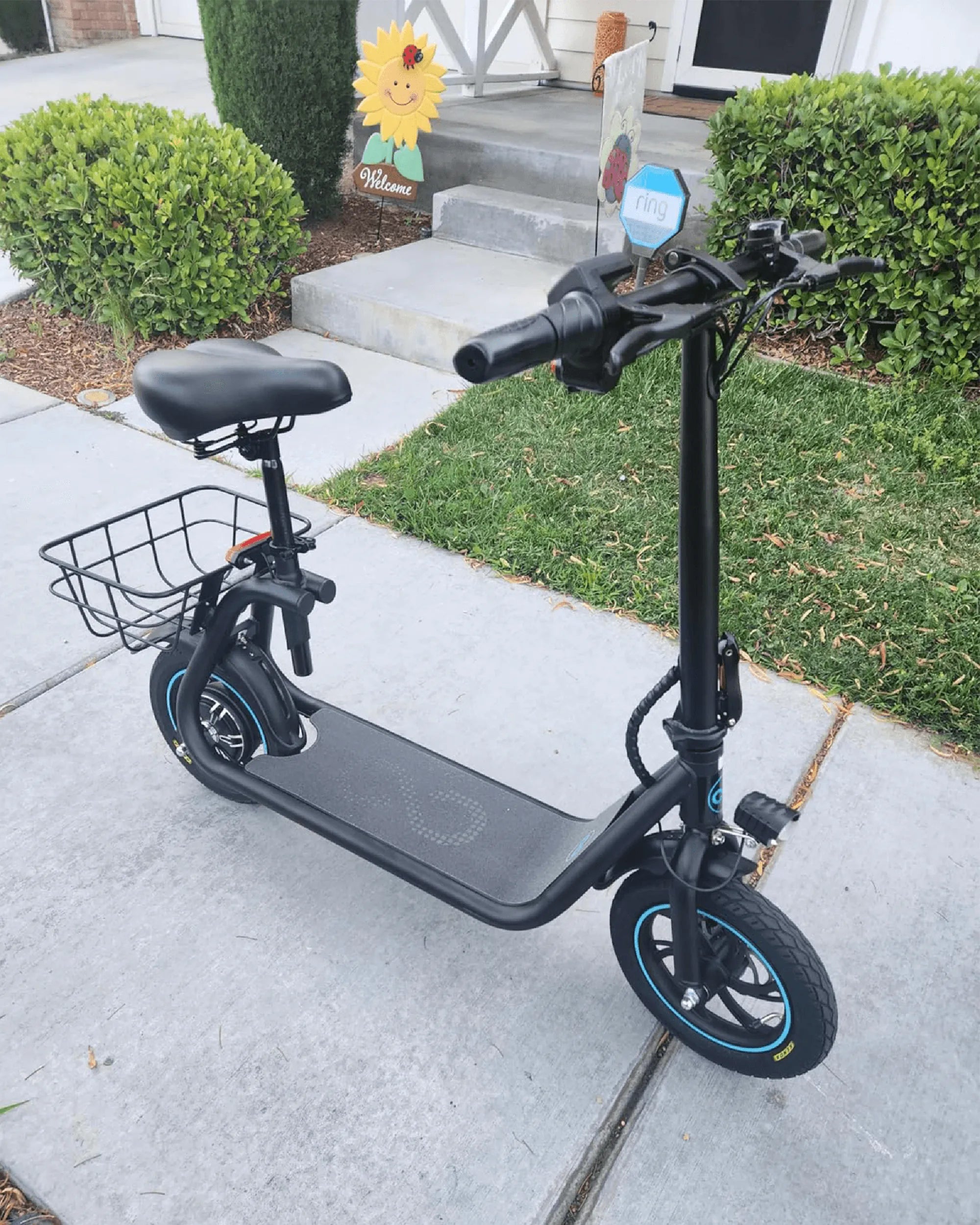
Introduction: Norwich Embraces Electric Mobility
Norwich is witnessing a quiet revolution on its streets. As the city grapples with modern challenges like congestion, parking scarcity, and carbon reduction targets, a nimble, efficient solution is gaining traction: the private electric scooter. For residents navigating from the Golden Triangle to the city centre, or students commuting to the University of East Anglia, e-scooters offer a compelling alternative to crowded buses and costly car parks.
This article delves deep into why Electric Scooters Norwich: The Future of Urban Mobility is more than a catchy phrase—it's a practical reality taking shape. We will provide a data-driven analysis of Norwich's urban landscape, a meticulous guide to choosing the right scooter, and crucial advice on legal and safe riding practices. Our focus is on factual, reliable information to help you make an informed decision about integrating this technology into your daily life.
With its compact core, extensive network of cycle paths, and forward-looking transport strategies, Norwich presents an ideal environment for personal electric transport. Understanding the specifics of range, power, durability, and local regulations is key to a successful and sustainable adoption.
Why Norwich is Perfect for Electric Scooters
Norwich's urban geography and demographic trends create a near-perfect use case for electric scooters. The city's radius is highly navigable, with most key destinations within a 3-5 mile range of the historic core. According to travel surveys, the average commute distance within Norwich is approximately 4 miles, a distance easily covered on a single charge by most modern e-scooters.
Furthermore, Norwich City Council's active promotion of sustainable transport, including investments in cycling infrastructure, indirectly supports the ecosystem needed for e-scooters. The city's traffic patterns, with chronic congestion hotspots around Riverside, Prince of Wales Road, and Earlham Road, make the time-saving advantage of an e-scooter particularly significant.
Navigating Historic Streets & Modern Lanes
Norwich uniquely blends medieval lanes, cobbled streets, and modern infrastructure. An electric scooter's compact size and maneuverability are ideal for this environment. Riders can legally use dedicated cycle paths, such as those along the River Wensum or connecting to the Broadland Business Park, for efficient and scenic routes.
This allows for avoiding the pedestrian-only zones like the Norwich Lanes while still taking advantage of the city's connected network. The ability to navigate tighter spaces makes e-scooters superior to bikes in some of the more confined historic areas, provided riding is done responsibly and at appropriate speeds.
Beating Congestion & Parking Headaches
The economic and practical argument is powerful. Daily parking in central Norwich can cost upwards of £15, with spaces at a premium. An electric scooter eliminates this cost entirely and can be parked securely at a bike rack or even taken indoors.
For commuters to the Norwich Research Park or the University of East Anglia, an e-scooter can turn a 30-minute bus ride or a slow drive through traffic into a sub-15 minute direct journey. This daily time saving, compounded over weeks and months, represents a substantial lifestyle improvement and reduction in travel-related stress.
Choosing Your Ideal E-Scooter for Norwich: A Rider's Guide
Selecting an e-scooter is not a one-size-fits-all process. For Norwich, specific criteria related to terrain, climate, and trip logistics must take precedence. A scooter perfect for flat, dry climates will fail on a damp Norwich day with a slight incline on Earlham Road.
A data-driven approach focuses on three core pillars: performance specifications for local needs, build quality for the British climate, and portability for mixed-mode journeys. Ignoring any of these can lead to a poor investment and a frustrating riding experience.
Key Specs for Norwich Commutes: Range, Power & Portability
Real-World Range: Always consider the manufacturer's stated range a best-case scenario. For Norwich, a scooter with a claimed 15-20 mile range is essential. This comfortably covers a return commute from most suburbs, like Thorpe St Andrew or Costessey, to the city centre with a safety buffer. Factors like rider weight, temperature, and hill frequency will affect this.
Motor Power & Hill Climb: Norwich is not mountainous, but it has persistent inclines. A continuous motor power of at least 350W is recommended to handle hills like Gas Hill or the approach to the hospital without a significant drop in speed. This ensures a consistent and safe commute.
Portability & Weight: If your journey involves a train from Norwich Station or a bus leg, a foldable scounder 15kg is crucial. Look for a secure folding mechanism that allows for easy carrying and compact storage under a desk or in a flat's hallway.
Built for British Weather: The Importance of IP Ratings & Build Quality
Norwich's weather is famously changeable. An e-scooter without proper weather protection is a liability. The Ingress Protection (IP) rating is non-negotiable. An IPX5 rating, like that found on Gyroor models, means the scooter can withstand water jets from any direction, making it safe to ride in rain and through puddles.
Build quality extends to the deck surface, which should be anti-slip, especially for wet conditions. Tyre choice is also critical; pneumatic (air-filled) tyres generally offer better shock absorption on cobbles and uneven surfaces than solid tyres, though they require maintenance. A robust frame construction is vital for long-term durability on varied surfaces.
The Gyroor Advantage: Engineered for Reliability in Norwich
In a market with varying quality, Gyroor has established itself as a leader through a focus on verifiable engineering and safety. Trusted by over 100,000 riders across North America and Europe, the brand's philosophy aligns perfectly with the needs of a Norwich commuter: reliability, safety, and all-weather capability.
Choosing a brand with a proven track record and clear safety certifications is not a luxury; it's a fundamental aspect of responsible ownership. It ensures your investment is protected and your daily commute is not left to chance.
Safety First: UL-Certified Batteries & Stable Riding Systems
The most critical component of any e-scooter is its battery. Gyroor's use of UL-certified battery packs is a major differentiator. This independent certification involves rigorous testing for overcharge, short circuit, and impact, significantly reducing any risk of fire—a paramount concern with lithium-ion batteries.
Stability in Norwich's mixed terrain is enhanced by features like wider decks for better footing, dual braking systems (typically electronic and disc), and front or dual suspension. This combination provides greater control on wet cobbles, brick streets, and smoother cycle paths, ensuring a confident ride.
Ride with Confidence: The 1-Year Warranty & Local Support Promise
Beyond the hardware, support is key. Gyroor backs its products with a comprehensive 1-year warranty, covering manufacturing defects in the motor, battery, and frame. This offers peace of mind far beyond what is available from non-branded or rental market options.
Access to knowledgeable, US-based customer support ensures that any technical questions or issues can be resolved efficiently. This network of support is essential for maintaining your scooter in optimal condition through Norwich's seasons.
Riding Responsibly in Norwich: Laws, Safety & Etiquette
The enjoyment and sustainability of the e-scooter revolution depend entirely on responsible use. This means adhering to the current legal framework, prioritizing personal safety, and respecting all other road and path users. Irresponsible riding jeopardizes the future integration of private e-scooters into UK transport law.
Understanding the Current Rules of the Road
As of now, it remains illegal to ride a privately owned e-scooter on public roads, cycle lanes, or pavements. They are restricted to use on private land with the landowner's permission. This is a crucial legal distinction that all potential owners must understand.
However, the government has run multiple extended trials for rental e-scooter schemes in various UK cities to gather data on safety and integration. The outcome of these trials is expected to inform future legislation that may legalise private e-scooter use on public highways. Staying informed on these legislative changes through official .gov.uk channels is essential.
Essential Safety Gear & Shared Path Protocol
When riding on private land or in anticipation of future legalisation, adopting best practices is vital. Always wear a helmet. Consider additional protective gear like gloves and knee pads. Use front and rear lights, and wear high-visibility clothing, especially in Norwich's darker winter months.
On shared paths, etiquette is paramount. Always yield to pedestrians, announce your presence politely with a bell when overtaking, and keep your speed low in crowded areas like the Quayside or outside the Forum. Your behaviour shapes public perception of all e-scooter riders.
Comparative Analysis: E-Scooter vs. Other Norwich Transport Modes
To understand the value proposition of an electric scooter in Norwich, a direct comparison with other common transport modes is useful. The following table breaks down the key factors for a typical daily commute (approx. 4 miles round trip).
| Transport Mode | Avg. Trip Time (City Centre) | Estimated Daily Cost | Convenience & Flexibility | Environmental Impact |
|---|---|---|---|---|
| Private E-Scooter | 12-18 minutes | ~£0.10 (electricity) | High: Door-to-door, no parking fees, on-demand. | Very Low: Zero direct emissions. |
| Car | 15-30+ minutes (with traffic/parking) | £5-£20 (fuel, parking, wear) | Low: Traffic delays, parking search, high cost. | High: Direct CO2 and NOx emissions. |
| Bus | 25-40 minutes (including wait/walk) | ~£4-£5 (daily ticket) | Medium: Fixed routes and schedules, subject to delays. | Medium: Lower per-passenger than car, but still emissions. |
| Bicycle | 15-20 minutes | Negligible | Medium-High: Door-to-door, but requires effort and secure parking. | Zero |
This analysis highlights the e-scooter's strong position in balancing time efficiency, very low operating cost, and convenience, while being electrically powered. It offers the door-to-door ease of a car without the associated costs and emissions, and the flexibility of a bike with reduced physical exertion.
FAQs: Electric Scooters in Norwich
Q1: Can I legally ride my own e-scooter to work in Norwich?
A1: Currently, no. Riding a privately owned e-scooter on public roads, cycle paths, or pavements is illegal. They are only permitted on private land. This is distinct from the government-approved rental schemes trialled elsewhere. Always check the latest UK government legislation for updates, as laws are under review.
Q2: What's a realistic range I need for a commute from the Golden Triangle to the city centre?
A2: A round trip from the Golden Triangle is roughly 3-4 miles. A scooter with a real-world range of 10-15 miles is more than sufficient, allowing for multiple trips or errands without recharge anxiety. Always buy a scooter with a range at least double your typical daily distance to account for battery degradation over time and adverse conditions.
Q3: How do I handle wet cobbles or uneven paths safely?
A3> Safety on slippery surfaces hinges on preparation and technique. Ensure your scooter has pneumatic tyres with good tread and a deck with an aggressive, anti-slip surface. Slow down significantly before entering such areas, avoid sharp turns or sudden braking, and try to ride in a straight line over cobbles. A scooter with suspension will greatly improve control and comfort.
Q4: Where can I store or charge my e-scooter securely?
A4> Ideally, store and charge your scooter in a dry, cool place inside your home or office. Avoid leaving it in sheds or garages exposed to temperature extremes. Use a sturdy lock to secure it to an immovable object if you must leave it in a public bike rack. Never charge the battery unattended for extended periods or immediately after a ride when the battery is warm.
Q5: How does an e-scooter's cost compare to bus fares or car parking long-term?
A5> The long-term economics are compelling. A quality e-scooter like those from Gyroor represents an upfront investment. However, when compared to a £5 daily bus fare (£1,250 annually) or £15 daily parking (£3,750 annually), the scooter pays for itself in a matter of months. With minimal electricity costs (pennies per charge) and basic maintenance, the annual running cost is negligible after the initial purchase.
Conclusion: Your Next Ride Awaits
The evidence is clear: electric scooters offer a transformative solution for urban mobility in Norwich. They align with the city's scale, its sustainability ambitions, and the daily needs of its residents for efficient, cost-effective transport. While the current legal framework for private use requires careful navigation, the direction of travel is towards greater integration.
The key to a positive experience lies in informed choice—prioritizing safety certifications like UL-rated batteries, weather-resistant build quality with IPX5 ratings, and reliable support. As Norwich continues to evolve, adopting a personal transport solution that reduces congestion, pollution, and cost is a forward-thinking step.
For those ready to explore a new way of moving through our historic city, the journey begins with selecting a partner you can trust. Discover a range engineered for reliability and all-weather performance. Browse the full Gyroor collection at gyroorboard.com and envision your future commute.
Simple Energy Electric Scooters: The Future of Urban Mobility
Are Electric Scooters Legal in France? A Complete Guide