



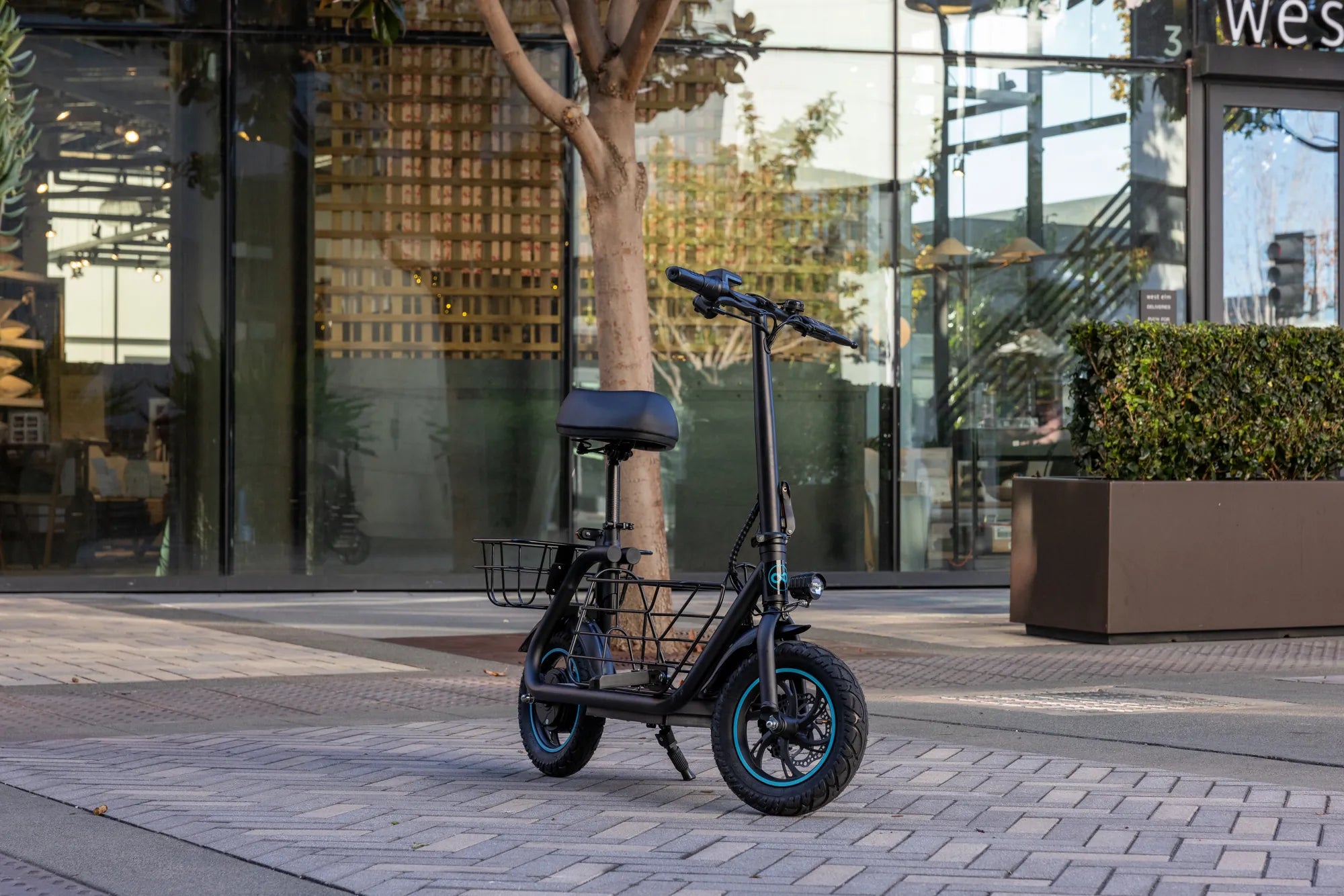
Introduction: The 2025 Urban Mobility Landscape
The urban commute is undergoing a profound transformation. As cities grow denser and the demand for efficient, clean, and flexible transport surges, electric scooters have solidified their position as a cornerstone of modern micro-mobility. The conversation for the coming year, however, has decisively shifted. It's no longer just about which scooter is the fastest or has the longest theoretical range. The central question defining Electric Scooters Popular Models 2025: The Future of Urban Mobility is this: what combination of certified safety, real-world durability, smart technology, and sustainable design creates a truly valuable and reliable personal transport solution? Brands that understand this holistic value proposition, like Gyroor—a leading electric scooter and e-bike brand trusted by over 100,000 riders across North America and Europe—are setting the new standard. This guide will dissect the trends, technologies, and critical buying considerations that separate the truly popular models from the rest.
Defining Popularity: Beyond Speed and Range in 2025
In 2025, a scooter's popularity is a multifaceted metric. While top speed and maximum range remain important data points, they are no longer the sole determinants of success. Today's informed rider seeks a comprehensive value proposition that prioritizes long-term reliability and peace of mind. Popularity now hinges on a model's foundational integrity: its adherence to stringent safety certifications, its resilience against daily urban wear and tear, the transparency of its total cost of ownership, and the seamless integration of features that enhance the riding experience beyond mere propulsion.
The market has matured beyond the early adopter phase. Consumers are making calculated decisions, looking for vehicles that are not just fun gadgets but dependable tools for daily life. This shift rewards brands that invest in core engineering and customer support. A model's popularity is increasingly reflected in user reviews that highlight durability over months of use, responsive customer service, and the availability of replacement parts—factors that were often secondary in earlier market cycles.
The Non-Negotiables: Safety and Warranty as Core Features
Foremost among the new criteria is verifiable safety. The industry's focus has rightfully turned to battery technology and construction standards. UL certification for battery packs is no longer a premium feature but a fundamental requirement for any serious contender. This certification involves rigorous testing for overcharge, short circuit, and thermal stability, directly addressing widespread safety concerns. For instance, Gyroor equips all its models with UL-certified battery packs tested for over 500 charge cycles, establishing a baseline of trust.
Equally critical is the warranty and support structure. A robust, transparent warranty acts as a manufacturer's vote of confidence in its product. A comprehensive 1-year warranty covering the motor, battery, and controller, backed by accessible, region-specific customer support (like Gyroor's US-based team), is essential. It transforms the scooter from a disposable commodity into a repairable asset, directly impacting its long-term value and owner satisfaction, key drivers of sustained popularity.
Built for the Real World: The IPX5 Imperative
True popularity demands all-weather capability. An electric scooter is an urban vehicle, and cities are not climate-controlled. The IPX5 water-resistance rating has become a standard expectation for popular models. This rating means the scooter can withstand water jets from any direction, making it safe to ride through puddles, light rain, and wet streets without immediate risk of electrical failure.
This feature is not merely about convenience; it's about longevity and reliability. Dust and moisture are primary causes of component degradation. An IPX5-rated design, like those found in Gyroor's lineup, protects the scooter's vital electronics, extends its operational life, and gives riders the confidence to commute regardless of a sudden drizzle. In 2025, a scooter without a meaningful water-resistance rating is inherently limited in its utility and appeal.
Anticipated Model Trends Shaping 2025's Top Picks
The design language and technological integration of popular scooters are evolving rapidly. The trends for 2025 move beyond incremental spec boosts, focusing instead on user experience, adaptability, and environmental consciousness. The leading models will be those that feel like integrated, intelligent partners in the urban commute rather than simple vehicles.
The Rise of the "Connected Commuter": App Integration & Smart Features
Dedicated smartphone app integration is transitioning from a novelty to a necessity. These apps unlock a suite of features that redefine ownership. Riders can access detailed ride analytics (speed, distance, battery usage), customize performance profiles (eco, sport modes), and perform wireless firmware updates for performance improvements and bug fixes.
Critically, integrated anti-theft features like GPS tracking, movement alarms, and electronic locking via the app are major popularity drivers. They address a primary urban rider concern, adding a layer of security that physical locks alone cannot provide. This connectivity transforms the scooter into a manageable, updatable, and securable device, greatly enhancing its daily value.
Modularity and Customization: Scooters That Grow With You
The era of the monolithic, unchangeable scooter is fading. Popular 2025 models will emphasize modularity. Swappable battery packs are at the forefront, effectively eliminating range anxiety by allowing riders to carry a spare for unlimited distance. This also simplifies maintenance and extends the scooter's usable life, as the most degradable component can be easily replaced.
Beyond batteries, we see trends toward interchangeable components: handlebar stems for adjustable riding positions, decks for different foot comfort levels, and universal accessory mounts for lights, bags, and phone holders. This ecosystem approach allows the scooter to adapt to changing needs, whether it's a longer commute, a grocery run, or a different rider, making the initial investment more versatile and durable.
Sustainable Materials and Eco-Conscious Design
Environmental responsibility is becoming a tangible purchase factor. Riders are increasingly considering the lifecycle of their vehicles. Popular models will highlight the use of recycled aluminum in frames, responsibly sourced rubber for tires, and bio-based composites where possible.
Furthermore, design for repairability is paramount. Models that facilitate easy access for tire changes, brake adjustments, and part replacements empower owners and reduce electronic waste. Leading brands are also establishing or partnering with battery recycling programs, ensuring that the scooter's end-of-life is handled responsibly. This holistic eco-approach aligns with the values of the modern consumer and builds brand loyalty.
Data-Driven Considerations: What to Compare Before You Buy
Navigating the market requires moving past marketing headlines. A practical, comparative framework is essential to identify the scooter that offers genuine value for your specific needs. This checklist focuses on real-world performance and long-term ownership costs.
The Spec Sheet Decoder: Understanding Real-World Performance
Motor power can be misleading. Focus on the nominal wattage (sustained power) rather than just the peak wattage. A 500W nominal motor will provide more consistent hill-climbing power than a scooter advertising a 1000W peak but a 350W nominal rating. For battery capacity, Watt-hours (Wh) is a more accurate unit than Ampere-hours (Ah) as it accounts for voltage. Real-world range is typically 60-70% of the manufacturer's estimate, which is based on ideal conditions.
Braking systems demand scrutiny. A dual braking system (e.g., electronic front + disc/drum rear) is ideal for safe, controlled stops in all conditions. Suspension type directly impacts comfort; pneumatic (air-filled) tires offer inherent suspension, while spring or hydraulic systems on both wheels are best for rough pavement. Always cross-reference specs with detailed video and written reviews from trusted sources.
The Total Cost Analysis: Price, Warranty, and Expected Maintenance
The true cost of an electric scooter extends far beyond its retail price. Calculate the Total Cost of Ownership (TCO). Start by comparing the warranty: its length, what components are covered (battery, motor, frame), and the process for claims. A slightly higher upfront cost with a superior warranty often yields better long-term value.
Research the availability and cost of common wear-and-tear parts: tires, inner tubes, brake pads, and fenders. Models from brands with established part distribution networks, like Gyroor, ensure you won't be stranded waiting for a crucial component. Consider the expected maintenance schedule—some models require more frequent adjustments than others. A popular model is one that remains economical and easy to maintain throughout its lifespan.
Key Feature Comparison for 2025 Popular Scooter Archetypes
To visualize the trade-offs, here is a comparison of the defining characteristics for three common scooter archetypes expected to be popular in 2025.
| Feature / Archetype | Urban Commuter | Performance Explorer | Lightweight & Foldable |
|---|---|---|---|
| Primary Use Case | Daily city commute, last-mile solution | Longer rides, variable terrain, recreational use | Multi-modal travel (bus/train), easy storage |
| Typical Motor (Nominal) | 350W - 500W | 500W - 1000W+ | 250W - 350W |
| Real-World Range | 15 - 25 miles | 25 - 40+ miles | 10 - 15 miles |
| Essential Features | IPX5 Rating, App Lock, Comfortable Suspension | Dual Suspension, Dual Brakes, High-Capacity Battery | Ultra-Compact Fold, Sub-30lb Weight, Quick Charging |
| Ideal For | The reliability-focused daily rider | The enthusiast seeking power and range | The student or urbanite with limited space |
Safety, Maintenance, and Riding Best Practices
Owning a popular model also means riding responsibly. Always wear a helmet—it's non-negotiable. Consider additional protective gear like gloves, knee pads, and reflective clothing for visibility. Obey local traffic laws, which often stipulate riding in bike lanes, not on sidewalks, and adhering to speed limits. Use hand signals for turning and be hyper-aware of pedestrians, cars, and road hazards like potholes and wet surfaces.
Regular maintenance is crucial for safety and longevity. Perform a pre-ride check: inspect tire pressure and for wear, test brakes, ensure all bolts are tight, and verify lights are functional. Keep the scooter clean, especially the braking surfaces. Store it in a dry, temperate place, and avoid leaving the battery fully depleted or at 100% charge for extended periods. Following the manufacturer's maintenance schedule for bearing checks and electrical inspections will ensure your scooter remains a reliable partner for years.
Frequently Asked Questions (FAQ)
What is the most important feature to look for in a 2025 electric scooter?
Without a doubt, certified safety. Prioritize models with UL-certified or similarly internationally recognized battery and electrical system certifications. This is the foundation upon which all other features—speed, range, smart tech—are built. It is the single most critical factor for long-term safety and reliability.
How does water resistance (like IPX5) affect scooter lifespan?
Significantly. An IPX5 rating protects the scooter's core electronics from moisture and dust ingress, which are leading causes of corrosion and circuit failure. By preventing these issues, a water-resistant design directly extends the functional lifespan of the scooter, reduces repair costs, and ensures consistent performance in varied weather conditions.
Are electric scooters with apps worth the extra cost?
Generally, yes. The value provided by a dedicated app—through anti-theft tracking, performance customization, ride data logging, and over-the-air updates—often justifies a moderate price increase. It enhances security, personalization, and the scooter's ability to improve over time, future-proofing your investment.
What is the true "total cost" of owning an electric scooter?
The true cost includes the purchase price, plus anticipated maintenance (tires, brakes), potential repairs not covered by warranty, any insurance, and accessories (helmet, lock, carrying bag). A model with a slightly higher sticker price but a robust warranty, proven durability, and affordable, available parts typically has a lower total cost of ownership over 2-3 years.
How can I ensure I'm choosing a sustainable model?
Look for brands that disclose the use of recycled materials in construction, offer clear battery recycling programs, and design for repairability. A sustainable choice is one that lasts longer, can be easily fixed, and has a responsible end-of-life plan for its most impactful component, the lithium-ion battery.
The Future of Popularity is Personalization and Trust
The landscape for Electric Scooters Popular Models 2025: The Future of Urban Mobility is clearly defined by integration, adaptability, and integrity. The future "popular model" is not a single, dominant champion, but a reliable, safe, and intelligent platform that can be personalized. It’s a vehicle that connects to your digital life, adapts to your changing needs through modular design, and is built with materials and principles that respect its environmental footprint. This evolution rewards brands that prioritize these core values—certified safety like UL standards, real-world durability with IPX5 ratings, and transparent customer support. As urban mobility continues to evolve, the most popular choices will be those that offer not just a ride, but a trusted, tailored, and responsible transportation solution. The future belongs to scooters that are as smart and adaptable as the cities they navigate.
Ready to explore a range built on these 2025 principles? Discover scooters that combine UL-certified safety, IPX5 all-weather resilience, and smart features designed for the real world. Browse the full Gyroor collection at gyroorboard.com to find your perfect urban mobility partner.
Family Electric Scooters: The Ultimate Guide to Fun and Eco-Friendly Commuting
Family Electric Scooters: The Ultimate Guide to Fun and Eco-Friendly Commuting