



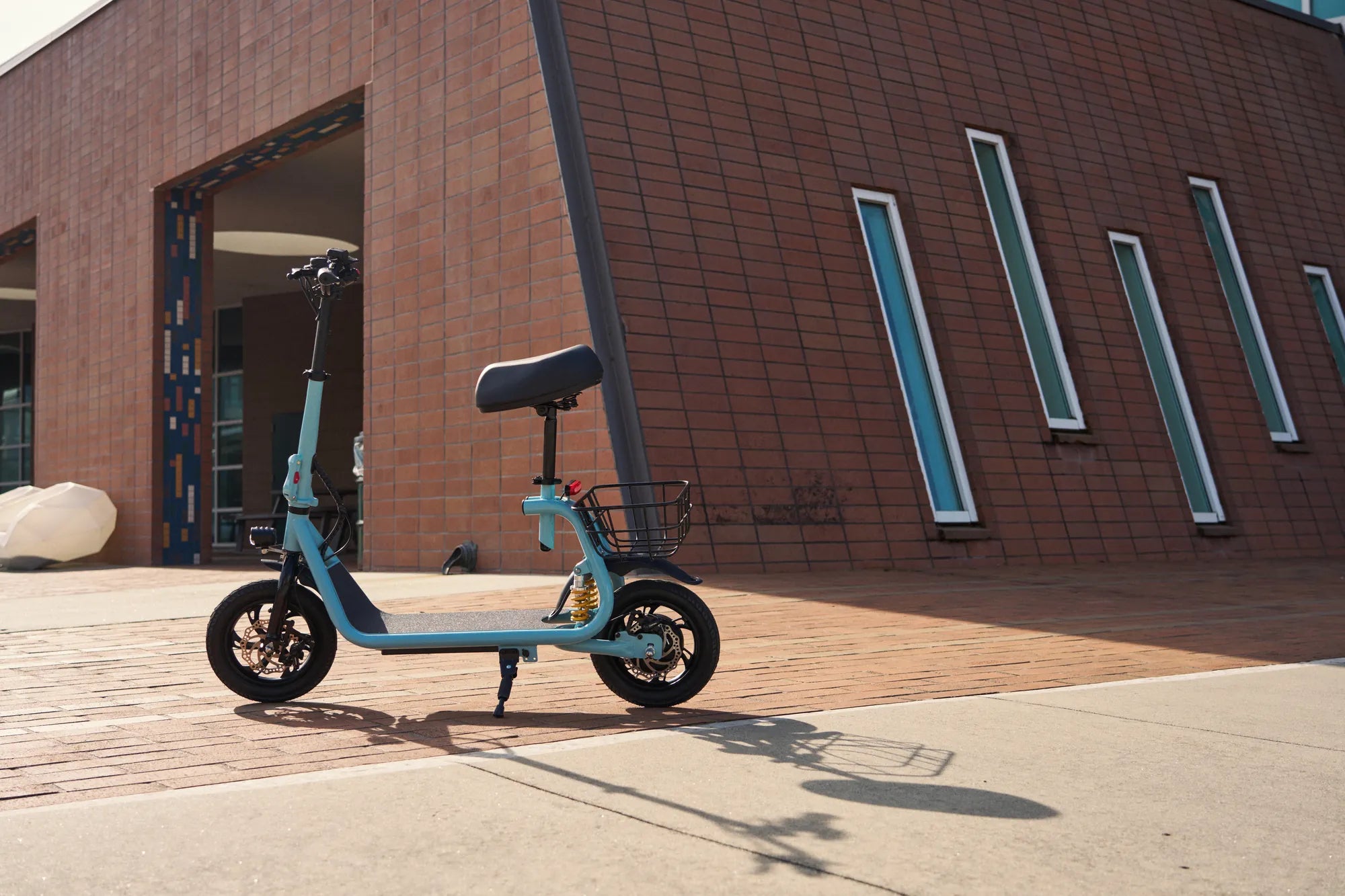
Navigating the Electric Scooter Revolution
The personal electric vehicle landscape is booming, but navigating it requires clarity. This guide, Electric Scooters Ranked: The Ultimate Guide to Choosing the Best Ride, cuts through marketing hype with a data-driven approach. You will learn to decode specifications, prioritize safety certifications, and match scooter capabilities to your specific lifestyle needs. We rank categories from urban commuting to off-road adventures, providing the framework for a confident purchase.
Forget one-size-fits-all advice. The best electric scooter for a student differs from the ideal model for a suburban commuter. Performance metrics like range and speed are meaningless without context about rider weight, terrain, and local laws. This guide establishes the critical evaluation criteria first, then applies them to distinct rider profiles.
Reliability and safety are non-negotiable. With over 100,000 riders trusting brands like Gyroor for UL-certified batteries and robust warranties, understanding these features is paramount. We dissect what makes a scooter safe for daily use and built to last, ensuring your investment is protected.
By the end of this guide, you will possess the knowledge to rank any electric scooter against your personal requirements. Let's move beyond simple lists and build a foundation for intelligent comparison.
Key Factors to Rank Your Electric Scooter Options
Ranking electric scooters effectively requires a standardized set of evaluation criteria. Look beyond top speed and price tag; the true value lies in how well a scooter's engineering meets real-world demands. These factors form the objective lens through which all models should be assessed.
Performance, safety, and practicality are the three pillars of a great scooter. A powerful motor is useless with inadequate brakes. A long range is compromised by a scooter too heavy to carry upstairs. We will break down each pillar into measurable, comparable components.
Manufacturer claims often cite ideal conditions. Our focus is on real-world performance, influenced by rider weight, hills, temperature, and riding style. Understanding these variables allows you to accurately interpret a spec sheet and set realistic expectations for your daily use.
Performance Metrics: Speed, Range, and Hill Climb
Motor power is typically listed as nominal (sustained) and peak (maximum burst). For flat city commuting, a 350W nominal motor is often sufficient. For hills or heavier riders, 500W or more is advisable. Torque, often inferred from motor wattage and scooter design, determines acceleration and hill-climbing ability.
Advertised range is a theoretical maximum. Real-world range is typically 60-70% of the claimed figure, affected by speed, acceleration, rider weight, and incline. A scooter claiming 25 miles may reliably deliver 15-18 miles under normal commuting conditions. Battery capacity (measured in Watt-hours, Wh) is a more reliable indicator than mileage claims alone.
Top speed must be balanced with legality and safety. Many municipalities impose speed limits of 15-20 mph for electric scooters on bike paths. A scooter's ability to maintain speed on a moderate incline (a 10-15% grade) is a critical test of its practical performance, often more important than its maximum flat-ground speed.
Safety & Reliability: The Non-Negotiables
Battery certification is the foremost safety concern. Always verify UL 2272 certification for the battery pack and, ideally, UL 2849 for the entire electrical system. This ensures rigorous testing for fire and electrical hazards. Brands like Gyroor build all models with UL-certified battery packs tested for 500+ charge cycles, a fundamental baseline for safety.
Braking systems are your primary safety feature. Disc brakes offer strong, consistent stopping power, especially in wet conditions. Drum brakes are lower maintenance and adequately powerful for most commutes. Electronic (regenerative) brakes supplement physical brakes but should not be the sole stopping system. A combination front and rear brake is ideal.
Build quality dictates long-term reliability. Look for a sturdy stem with minimal wobble, a secure folding mechanism, and IP water resistance ratings. An IPX5 rating, common on commuter models, means the scooter can withstand water jets from any direction, making it safe for wet roads. A comprehensive warranty (at least 1 year) and accessible customer service are essential indicators of a brand's confidence in its product.
Portability & Design: From Folding Mechanisms to Daily Use
Portability is defined by weight, folded dimensions, and folding ease. A scooter weighing over 40 lbs becomes cumbersome to carry regularly. The best folding mechanisms are intuitive, secure, and allow the scooter to stand upright or be rolled when folded. This is crucial for mixed-mode commuters using buses or trains.
Deck size and ergonomics impact comfort. A longer, wider deck provides stability and room for foot placement. Deck grip material prevents slipping. The handlebar height and controls should feel natural. Small design choices—like integrated lighting, a clear display, and cable management—significantly enhance the daily user experience.
Weight capacity is a strict limit. Exceeding it stresses the frame, motor, and brakes, compromising safety and longevity. Most adult scooters support 220-265 lbs. Always choose a scooter with a capacity rating safely above your weight, including a backpack or other cargo.
Electric Scooter Categories Ranked by Rider Profile
The market segments naturally by primary use case. Ranking scooters effectively means first identifying which category aligns with your most frequent rides. The ideal commuter scooter is a poor choice for trail riding, and vice versa. We rank these categories by the specificity of their design purpose.
Urban commuting demands a specific blend of features: moderate speed, reliable range, weather resistance, and portability. Off-road riding prioritizes power, suspension, and tire design. Beginners and casual riders need simplicity, lower speeds, and strong support. We will define the benchmarks for each category.
Within each category, models can be further ranked by price-to-performance ratio, brand reputation, and feature sets. The following sections provide a clear rubric, using representative models like those from Gyroor's lineup to illustrate category-defining characteristics.
Top Choice for Urban Commuters: The Balanced Performer
The urban commuter category is the largest and most competitive. The top-ranked scooters here excel at balance. Target specs include a real-world range of 15-25 miles, a top speed of 18-22 mph, a weight under 40 lbs, and essential water resistance (IPX5 or higher). This combination handles most city journeys while remaining portable.
Features like bright front and rear lights, brake lights, and a loud bell or electronic horn are vital for city safety. A smooth, responsive throttle and effective braking inspire confidence in traffic. A modest suspension or larger pneumatic tires help absorb urban road imperfections.
Models like the Gyroor F1 Pro exemplify this category. With its UL-certified battery, IPX5 water-resistant design, and a focus on reliable performance for daily use, it encapsulates the commuter priority of safe, dependable transportation. Its folding design and manageable weight make it a practical last-mile solution.
Ranking within this category often comes down to ride quality, display clarity, and small ergonomic details. The best commuter scooter feels like a natural extension of your daily routine, not a cumbersome piece of equipment.
Best for Off-Road & Adventure Enthusiasts: Power and Durability
For off-road use, power and durability are paramount, ranking above portability. These scooters need high-torque motors (500W nominal or higher, with 800W+ peak being common), robust dual suspension systems (spring or hydraulic), and large pneumatic, often knobby, tires for traction and shock absorption.
Ground clearance is critical to avoid bottoming out on trails. A sturdy, often less-foldable frame provides the necessary rigidity. Range remains important, as off-road riding consumes battery faster. Expect these models to be heavier, often 50-70 lbs, sacrificing portability for capability.
The Gyroor S1 Max is engineered for this terrain, featuring a high-output motor and rugged construction designed to handle unpaved paths and moderate trails. Its design philosophy prioritizes stability and power delivery where the pavement ends.
Ranking off-road scooters involves assessing suspension travel, tire quality, and motor cooling. Additional features like reinforced stems, wider handlebars, and superior lighting for trail riding also differentiate the top models in this demanding category.
Top Value Pick for Beginners & Casual Riders: Simplicity and Affordability
This category ranks highly for first-time buyers and those with occasional, short-distance needs. Key attributes include a lower top speed (15-18 mph), a lower price point, intuitive controls, and a lightweight design for easy handling. The focus is on reducing complexity without sacrificing core safety.
A reliable warranty and accessible customer support are especially valuable here. Beginners benefit from brands that stand behind their products with clear support channels. A simple, clear display, basic but effective braking, and a stable ride platform are more important than advanced features.
These scooters often have smaller batteries, offering 10-15 miles of real range, which is sufficient for recreational rides or very short commutes. Their lower weight (often 25-35 lbs) makes them easier to lift and store.
Value is defined not just by low cost, but by reliability and cost of ownership. A slightly higher initial investment in a scooter from a reputable brand with a good warranty often provides better long-term value than the absolute cheapest option, aligning with Gyroor's commitment to a reliable 1-year warranty and proven track record.
The Data-Driven Comparison: Breaking Down the Spec Sheets
A direct comparison table translates abstract features into a clear, actionable overview. This table models how to evaluate scooters across categories, using key metrics derived from our ranking factors. It includes representative models to illustrate typical specs for each rider profile.
Remember that specs are a starting point. The "Key Features" column highlights the critical differentiators—often the safety certifications, build quality, and warranty that determine long-term satisfaction. Price is an approximate indicator of market segment.
Use this format to compare any models you are considering. Pay close attention to the alignment between "Best For" and your primary use case. A scooter that ranks high for commuting may rank poorly for off-road use, and this table makes those distinctions explicit.
| Model | Best For | Motor (Peak) | Max Range (Claimed) | Top Speed | Weight | Key Features | Approx. Price |
|---|---|---|---|---|---|---|---|
| Gyroor F1 Pro | Urban Commuting | 500W | 25 miles | 19 mph | 38 lbs | UL-certified battery, IPX5, 1-year warranty | Mid-Range |
| Gyroor S1 Max | Off-Road/Adventure | 800W | 30 miles | 25 mph | 62 lbs | Dual suspension, off-road tires, high torque | Premium |
| Competitor A (City Model) | Urban Commuting | 450W | 22 miles | 18 mph | 35 lbs | Ultra-portable, basic lighting | Budget |
| Competitor B (Performance Model) | Long-Distance Commute | 700W | 40 miles | 28 mph | 55 lbs | Large battery, dual brakes, suspension | High-End |
| Competitor C (Beginner Model) | Casual/Beginners | 300W | 15 miles | 16 mph | 28 lbs | Lightweight, simple controls | Entry-Level |
Beyond the Purchase: Ownership Essentials
Owning an electric scooter involves ongoing care and responsible operation. Proper maintenance ensures safety, maximizes your scooter's lifespan, and protects your investment. This knowledge is as crucial as the initial purchase decision.
Develop a simple pre-ride checklist: verify tire pressure, test brakes, ensure lights are functional, and check that the folding mechanism is locked. These 30 seconds can prevent accidents and mechanical failures. Adhering to local laws and wearing appropriate gear are non-negotiable aspects of responsible ownership.
Understanding basic maintenance empowers you to identify small issues before they become major problems. It also helps you communicate effectively with customer service if professional repair is needed. Treating your scooter as a precision vehicle, not a toy, yields the best experience.
Maintenance 101: Tire Pressure, Brakes, and Battery Care
Check pneumatic tire pressure weekly, inflating to the PSI range printed on the tire sidewall. Under-inflated tires increase rolling resistance (reducing range), risk pinch flats, and handle poorly. Over-inflation makes the ride harsh and increases blowout risk. Solid tires eliminate flats but offer a harsher ride.
Inspect brake pads regularly for wear. Listen for grinding noises or feel for reduced braking power—both indicate pads need replacement. Keep brake calipers and discs clean. For electronic brakes, ensure the regenerative setting provides consistent stopping power without being too abrupt.
Battery care is paramount. Avoid draining the battery to 0% regularly. Store the scooter and battery in a cool, dry place, ideally at a 50-80% charge level for long periods of inactivity. Use only the manufacturer-provided charger. A UL-certified battery, like those used by Gyroor, undergoes testing for stability, but proper care further ensures its 500+ cycle lifespan.
Riding Safely and Legally: Gear, Laws, and Etiquette
A certified bicycle or multi-impact helmet is the most important piece of safety gear—non-optional for every ride. Consider additional protection like gloves, knee pads, and elbow pads, especially at higher speeds or off-road. High-visibility clothing is recommended for night riding.
E-scooter laws vary drastically by city, state, and country. Common regulations include age limits (often 16+), speed limits, prohibitions on sidewalk riding, and requirements for lights and bells. Always research and obey local laws to avoid fines and ensure you are riding legally and insurably.
Practice defensive riding etiquette. On shared paths, yield to pedestrians, signal your intentions, and pass with care and ample space. Avoid sudden maneuvers. Your awareness and courtesy improve safety for everyone and foster positive perceptions of electric scooter riders.
Frequently Asked Questions (FAQs)
Q1: Are electric scooters worth the investment compared to public transit or a bike?
A: The value proposition depends on your specific use case. For last-mile connections, avoiding crowded transit, or short urban trips where parking is difficult, a quality electric scooter offers significant time savings and convenience at a lower upfront cost than an e-bike or car. Calculate your potential savings on transit fares or parking against the scooter's cost and minimal charging expenses. For purely recreational fitness, a traditional bike may suffice, but for efficient motorized transport, a reliable scooter is a compelling investment.
Q2: How important is water resistance, and what does an IPX5 rating actually mean?
A: Water resistance is critical for practical, all-weather commuting. An IP (Ingress Protection) rating defines a product's defense against solids and liquids. The first digit (omitted in 'IPX5') is for dust; the 'X' means not rated. The second digit, '5', refers to protection against water jets. An IPX5 rating means the scooter can withstand water projected by a nozzle (6.3mm) from any direction without harmful effects. This makes it safe to ride on wet roads and in light rain. For true peace of mind in daily use, never purchase a commuter scooter without a minimum IPX4 (splash resistance) rating, with IPX5 being the recommended standard.
Q3: Can I ride an electric scooter in the rain?
A: You can ride a scooter with a sufficient water resistance rating (IPX5 or higher) in light to moderate rain and on wet roads. However, you should not submerge any part of the scooter in puddles, ride through heavy downpours, or leave it out in the rain. Even with a good IP rating, reduce speed, allow for much longer braking distances, and avoid painted road markings and metal surfaces which become extremely slippery. Always dry the scooter after a wet ride. Riding in severe weather is dangerous due to reduced traction, visibility, and potential water ingress beyond the scooter's rating.
Q4: What should I look for in a warranty?
A: Seek a warranty that is at least one year long and clearly covers the frame, motor, and battery—the three most expensive components. The best warranties are straightforward, with accessible customer service for claims. Be wary of overly complex warranties that prorate coverage or exclude normal wear items like tires and brake pads. A brand's willingness to offer a strong warranty, like Gyroor's reliable 1-year warranty, signals confidence in its product's build quality and durability. Always read the warranty terms before purchasing.
Q5: How do I safely transport or store my electric scooter?
A: For transport in a vehicle, ensure the scooter is securely folded and placed to prevent rolling or shifting. If possible, remove the battery during long-term car storage, especially in extreme temperatures. For home storage, keep it in a dry, temperature-stable area away from direct heat sources or flammable materials. If storing for more than a month, charge the battery to 50-80% first. Never charge the scooter unattended for extended periods or immediately after a ride when the battery is warm. Using a secure lock when storing in public is also essential.
Your Perfect Ride Awaits
Choosing the best electric scooter is a deliberate process of matching engineering to lifestyle. This guide has provided the framework: rank your needs, prioritize certified safety features like UL-certified batteries, interpret performance data realistically, and select from the category that fits your primary use. The ultimate ride is the one that delivers reliable, safe performance where and how you need it most.
Armed with this knowledge, you can move beyond marketing and make a confident, informed decision. Whether your priority is a seamless urban commute, weekend trail exploration, or casual neighborhood rides, the perfect scooter exists. Your journey begins with defining your requirements and seeking out brands that build to those standards with proven reliability and support.
Ready to explore a range of electric scooters built with a focus on safety, performance, and reliability? Browse the full Gyroor collection at gyroorboard.com to find a model engineered for your next adventure.
Are Electric Scooters Legal in Massachusetts? What You Need to Know
Electric Scooters in Big Cities: The Future of Urban Mobility