



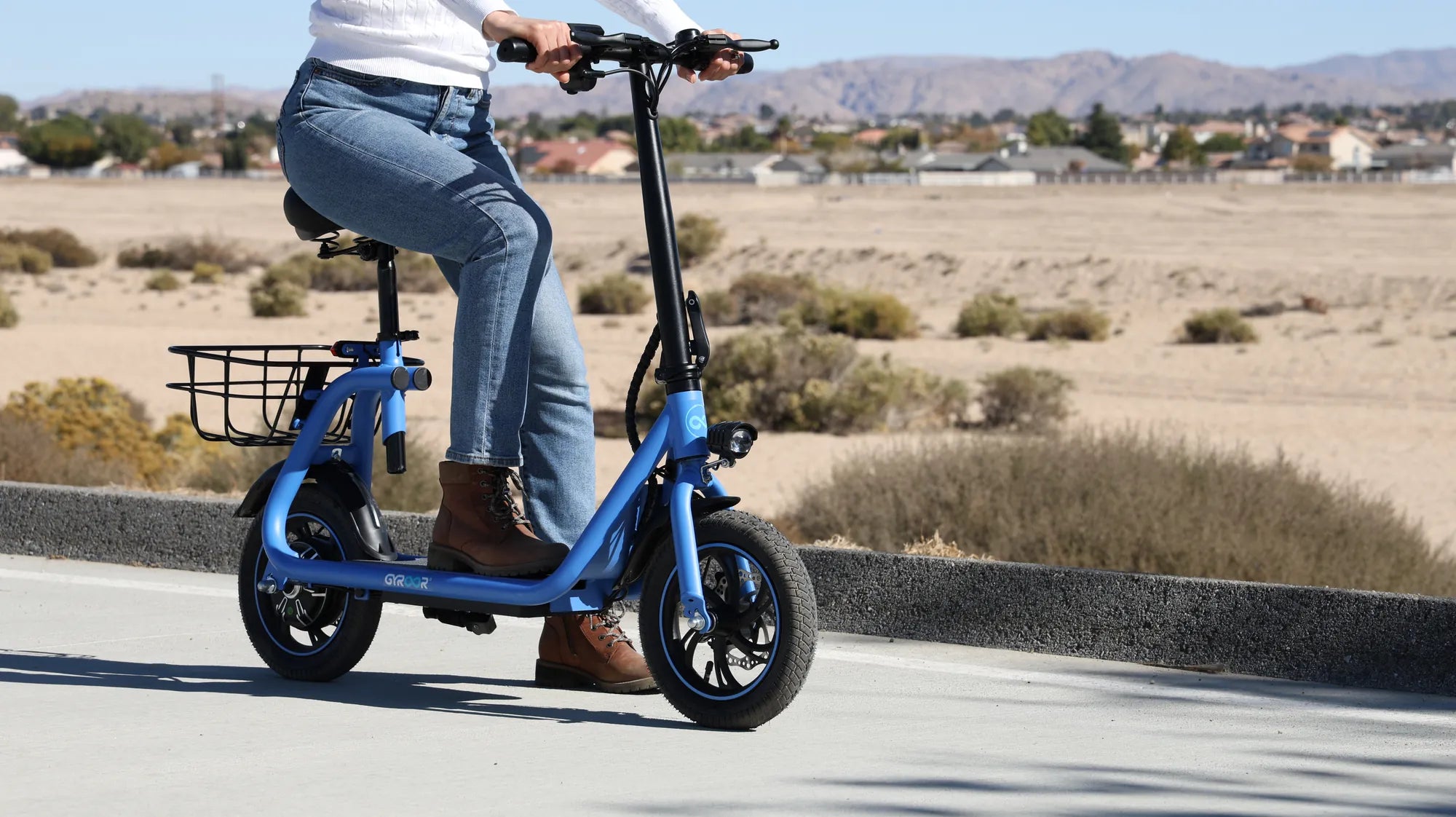
Introduction: San Joaquin County's Evolving Commute
The daily commute in San Joaquin County is undergoing a quiet revolution. As traffic congestion on I-5 and Highway 99 intensifies and fuel costs remain volatile, residents are seeking smarter alternatives. Electric Scooters San Joaquin County: The Future of Urban Mobility is not just a slogan; it's a practical solution taking root from the streets of Stockton to the parks of Lodi.
This shift is driven by the need for efficient first and last-mile connections to regional transit hubs like the Altamont Corridor Express (ACE) stations. It's fueled by a desire for cost-effective, eco-friendly travel in a region with largely flat terrain perfect for micro-mobility. Brands like Gyroor, a leading electric scooter and e-bike manufacturer trusted by over 100,000 riders, are at the forefront of this local transportation evolution.
This comprehensive guide will explore why San Joaquin County is uniquely positioned for an e-scooter boom. We will provide a data-driven analysis of cost and time savings, a detailed buyer's guide for local lifestyles, and a clear roadmap for safe, legal riding. The future of getting around the Valley is here, and it's electrified.
Why San Joaquin County is Ripe for an E-Scooter Revolution
Several converging factors make San Joaquin County an ideal landscape for widespread electric scooter adoption. The region's geography, economic patterns, and evolving infrastructure create a perfect environment for this mode of transport to thrive and become integral to daily life.
First, the county's flat topography is a natural advantage. Unlike hilly coastal areas, the Valley floor allows for efficient scooter travel with less battery drain on inclines. Second, the pattern of longer commutes—with many residents traveling to Bay Area jobs—creates a need for efficient local travel before and after catching a train or bus. An electric scooter can turn a 20-minute walk to the station into a 5-minute ride.
Environmentally, the county's agricultural heart is increasingly conscious of air quality and carbon footprints. Swapping a car for an e-scooter for short trips directly reduces emissions. Furthermore, infrastructure is slowly adapting. Cities like Stockton are expanding bike lane networks, which are also perfect for scooters, creating safer corridors for riders.
Finally, the economic argument is compelling. With rising fuel and vehicle maintenance costs, the low operating expense of an electric scooter presents a powerful financial incentive for households across the income spectrum. The initial investment pays for itself quickly in saved gas, parking, and wear-and-tear on a primary vehicle.
Beating the Valley Traffic: A Practical Commute Solution
For the daily grind, few tools are as effective as a reliable electric scooter. Consider a typical short commute, like a 3-mile trip from central Stockton to a downtown office. In a car, this can take 15-20 minutes with traffic lights and congestion, plus time to find and pay for parking.
An electric scooter covers the same distance in 10-12 minutes, using bike lanes or designated routes, and can be parked right at the destination's entrance. The cost difference is stark. A car's cost per mile, factoring in gas, insurance, depreciation, and maintenance, is estimated at over $0.50. An e-scooter's cost per mile is pennies, primarily just electricity for charging.
For trips under 5 miles—which constitute a massive percentage of urban travel—the scooter is often faster and always cheaper. It eliminates the frustration of stop-and-go traffic on arteries like March Lane or Hammer Lane. This efficiency reclaims time and reduces daily stress, making the Electric Scooters San Joaquin County proposition deeply practical.
Connecting to Regional Transit: The First/Last-Mile Key
The "last-mile problem"—the final leg of a journey from a transit hub to home or work—has long plagued public transportation systems. Electric scooters are the key that solves it. For an ACE train commuter from Tracy to San Jose, the journey begins and ends with a local trip to and from the station.
A scooter like a folding model from Gyroor transforms this. Riders can cover the 1-2 miles from their home to the Tracy ACE station in minutes, fold the scoter, and carry it onto the train. Upon arrival, they unfold it and ride to their final destination. This seamless integration makes regional transit a viable option for more people.
The Stockton Downtown Transit Center serves as another prime example. A rider can take a bus from north Stockton, then use their scooter to quickly reach a destination several blocks away, like the County Administration building or a restaurant on the Miracle Mile. This multi-modal approach maximizes flexibility and minimizes total travel time, making the entire transportation network more useful and efficient.
Choosing the Right E-Scooter for San Joaquin County Lifestyles
Not all electric scooters are created equal, and the right choice depends heavily on your specific needs in the Valley. Understanding the local use cases—from dense urban commuting to campus travel and weekend recreation—is crucial to selecting a model that will be a reliable partner for years.
We can segment local riders into three primary categories. The Urban Commuter needs reliability, range, and durability for daily trips in Stockton or Manteca. The College Student, whether at University of the Pacific or San Joaquin Delta College, prioritizes portability, affordability, and ease of use on campus pathways.
The Recreational Rider, exploring the Lodi Lake trail or downtown Lodi's vineyards, values comfort, smooth ride quality, and perhaps extra battery for longer leisurely excursions. Each of these lifestyles demands a different balance of scooter specifications. The following table provides a clear comparison to guide this decision.
| Rider Profile | Priority Features | Recommended Specs | Gyroor Model Fit |
|---|---|---|---|
| Urban Commuter (Stockton, Tracy) | Range, Durability, Power | 18+ mile range, 350W+ motor, IPX5 water resistance, pneumatic tires | Gyroor F1 Pro or equivalent commuter-focused models with extended range. |
| College Student (UOP, Delta College) | Portability, Weight, Value | Folding design, under 30 lbs, 15-mile range, reliable braking | Gyroor's lightweight folding series, balancing performance and easy carry. |
| Recreational Rider (Trails, Parks) | Comfort, Stability, Smooth Ride | Larger deck, suspension, wider tires, adequate range for leisure loops | Gyroor models with enhanced suspension systems and comfortable deck space. |
Investing in a scooter with features tailored to your primary use case ensures satisfaction and longevity. It prevents the frustration of a scooter that runs out of battery on your commute or is too heavy to carry up a flight of stairs to your class.
Key Features for Valley Riding: Range, Durability & Safety
When evaluating scooters for San Joaquin County, certain specifications are non-negotiable due to local conditions. First is range. A minimum realistic range of 15 miles is advisable, accounting for real-world factors like rider weight, slight inclines on overpasses, and occasional headwinds. This ensures a round-trip commute or a day of errands without range anxiety.
Durability is paramount. Valley roads and bike paths can have varied pavement conditions. Look for models with robust, often pneumatic (air-filled) tires that absorb shocks better than solid tires. A sturdy frame construction is essential for daily use. Furthermore, an IPX5 water-resistance rating is critical. It protects the scooter's electronics from Valley fog, occasional rain, and dust—a common and often overlooked abrasive that can affect components.
Safety starts with the battery. Insist on a scooter with a UL-certified battery pack, like those used by Gyroor, which have undergone rigorous testing for stability, overheating, and longevity over 500+ charge cycles. This is the most critical component for safe operation. Additionally, a reliable dual braking system (electronic and disc or drum) and bright front and rear lights are essential for being seen and stopping safely in all conditions.
Navigating Local Laws and Safe Riding Practices
Riding an electric scooter in California comes with specific legal responsibilities designed to keep everyone safe. As a rider in San Joaquin County, you are an ambassador for this growing mode of transport, and responsible riding encourages positive community reception and safer infrastructure development.
Under California state law, electric scooters with a maximum speed of 15 mph on level ground are classified similarly to bicycles. Key rules include: Riders under 18 must wear a helmet. It is strongly recommended for all ages. Scooters are generally allowed on bike lanes and paths, and on roads with speed limits up to 25 mph unless otherwise posted.
It is illegal to ride on sidewalks in business districts (local ordinances may extend this). You must obey all traffic signals and signs. While local cities like Stockton, Lodi, and Manteca largely follow state law, it is wise to check for any specific municipal ordinances regarding parking zones or prohibited areas. Always yield to pedestrians.
Safety Gear and Defensive Riding for Urban Streets
Beyond the legal minimum, equipping yourself properly is the foundation of safe riding. Consider your safety gear an essential part of your scooter, not an optional accessory. A high-quality bicycle helmet is the single most important item. For added protection, especially for commuters, consider knee and elbow pads.
Wear bright or reflective clothing, and consider adding extra LED lights to your person or backpack for visibility at dawn, dusk, or night. Defensive riding means always assuming cars do not see you. Ride predictably, signal your intentions with hand signals, and avoid weaving between parked cars.
Be hyper-aware of road hazards common in urban areas: potholes, storm drain grates, wet leaves, and gravel. Practice using your brakes smoothly before you need them in an emergency. Finally, practice proper parking etiquette. Never block sidewalks, ramps, building entrances, or access ways. Park your scooter upright in a bike rack or another designated area where it won't impede pedestrian traffic.
The Economic and Environmental Impact: A Data-Driven Look
The adoption of electric scooters in San Joaquin County isn't just a personal convenience; it has measurable collective benefits. From household budgets to regional air quality, the data supports a shift toward micro-mobility as a meaningful contributor to the Valley's economic and environmental health.
Financially, the savings are substantial. Replacing a 10-mile weekly car trip with an e-scooter can save approximately $400-$600 annually in direct vehicle costs (fuel, maintenance, depreciation). For a two-car household that can eliminate one car for local errands, the savings skyrocket into the thousands when factoring in insurance, registration, and loan payments.
Environmentally, the impact is clear. Transportation is a leading source of emissions in the region. An electric scooter produces zero tailpipe emissions. If 1,000 county residents replaced a 2-mile car trip each weekday with a scooter, annual CO2 emissions would be reduced by over 100,000 pounds. This directly contributes to better air quality, a persistent concern in the Central Valley.
Furthermore, e-scooters reduce traffic congestion and demand for parking infrastructure, freeing up public space for parks, wider sidewalks, or outdoor dining. This creates more livable, people-centric cities. The cumulative effect of individual choices to ride an electric scooter creates a tangible positive feedback loop for the entire community.
The Gyroor Advantage: Built for Reliability and Peace of Mind
In a market filled with options, choosing a brand that prioritizes safety, durability, and customer support is crucial. Gyroor stands out by engineering its electric scooters to meet the real-world demands of North American riders, with specific features that address the common concerns of San Joaquin County residents.
The cornerstone of this advantage is safety. Every Gyroor scooter uses a UL-certified battery pack. This third-party certification is the gold standard, ensuring the battery has passed stringent tests for electrical, mechanical, and environmental safety. This provides peace of mind that goes beyond marketing claims, addressing the top concern for any potential rider.
Durability for Valley conditions is engineered in. The IPX5 water-resistant rating means your scooter is protected against low-pressure water jets from any direction, making it ready for a sudden Valley shower or morning dew. Combined with robust frame designs and quality components, this ensures a scooter built to last through daily use.
Finally, Gyroor supports its products with a reliable 1-year warranty and U.S.-based customer service. For a local rider, this means accessible support and hassle-free resolution if an issue arises. This commitment to post-purchase support transforms an e-scooter from a disposable gadget into a long-term transportation asset, making the investment in a Electric Scooters San Joaquin County lifestyle a smart and sustainable one.
Maintenance and Care for Longevity in Valley Conditions
Proper maintenance is the key to ensuring your electric scooter remains a reliable companion for years. The unique environmental conditions of San Joaquin County—particularly dust and heat—require some specific attention to keep your scooter performing at its best.
Establish a simple pre-ride checklist: Inspect tires for proper pressure and wear. Check that brakes engage smoothly and effectively. Ensure all lights are functioning. Listen for any unusual noises from the motor or wheels. A quick 30-second check can prevent most issues before they start.
For Valley-specific care, dust management is critical. Regularly wipe down your scooter with a dry or slightly damp cloth to prevent dust from accumulating in moving parts like the folding mechanism, brake calipers, and deck seams. Avoid using a high-pressure hose, as forced water can breach seals. Store your scooter in a cool, dry place when not in use; avoid leaving it in direct, scorching sunlight for extended periods to protect the battery and electronics.
Follow the manufacturer's guidelines for battery care. Typically, this involves avoiding completely draining the battery, not leaving it at 100% charge for weeks on end, and using only the provided charger. Performing periodic checks on bolt tightness (especially after the first few rides) and keeping the drivetrain clean will maximize your scooter's lifespan and performance.
FAQ: Electric Scooters in San Joaquin County
Q: Can I ride my e-scooter on the Stockton levee trails or the Lodi Lake path?
A: This depends on specific trail rules. Many multi-use paths that allow bicycles also permit electric scooters, especially those with motors under 750W and speeds capped at 15 mph. However, some recreational trails may have restrictions. Always look for posted signage. When in doubt, dismount and walk your scooter, or stick to designated bike lanes on adjacent streets.
Q: What's the true annual cost savings for a Tracy resident commuting locally with an e-scooter vs. a car?
A: For a resident using a scooter for local errands and a 5-mile round-trip commute 3 days a week, savings can be significant. Assuming a car cost of $0.58 per mile (AAA average), the annual car cost for this 1,560 miles is ~$905. The e-scooter cost (electricity, minimal maintenance) is under $30. The net savings is approximately $875 per year, not including potential parking fees.
Q: How do I maintain my scooter in dusty Valley conditions?
A> As outlined in the maintenance section, regular dusting with a dry cloth is key. Pay special attention to the brake discs and calipers, as dust can affect braking performance. Consider models with sealed bearings and IP-rated water and dust resistance for easier upkeep. Avoid riding through deep dirt or gravel whenever possible.
Q: Are there any local groups or shops for e-scooter enthusiasts in the county?
A: While dedicated scooter shops are still emerging, local bicycle shops are often a great resource for basic maintenance tips and safety checks. Online communities and social media groups (Facebook, Reddit) for California micro-mobility are active and can connect you with local riders for group rides or advice.
Q: Is it safe to commute on major streets like March Lane or Hammer Lane?
A> Safety on arterial roads depends on available infrastructure. If there is a designated, protected bike lane, it can be safe. If not, it is generally not recommended to ride an e-scooter on roads with speed limits above 35 mph or high traffic volumes. Plan your route using quieter parallel streets, neighborhood roads, or dedicated paths whenever possible. Your safety is paramount.
Conclusion: Your Ticket to a Smarter, Greener Commute
The evidence is clear: electric scooters offer a transformative solution for San Joaquin County's unique mobility challenges. They provide a practical answer to traffic congestion, a key to unlocking regional transit, and a direct path to personal savings and a reduced environmental footprint. This isn't a futuristic fantasy; it's a viable, accessible technology improving daily life in Stockton, Lodi, Tracy, and every community in between.
By choosing a reliable, safety-focused model from a brand like Gyroor and committing to responsible riding practices, you become part of a positive shift in how our county moves. You reclaim time, gain flexibility, and contribute to cleaner air and less crowded roads. The future of urban mobility in San Joaquin County is electric, efficient, and empowering.
Ready to experience the freedom and efficiency of a premium electric scooter built for Valley life? Explore the full range of UL-certified, durable models designed for commuters, students, and recreational riders. Browse the full Gyroor collection at gyroorboard.com and find the perfect scooter to start your journey.
Best Selling Electric Scooters India 2024: Top Picks for Eco-Friendly Commuting
Electric Riding Scooters for Kids Price: An In-Depth Guide for Parents