



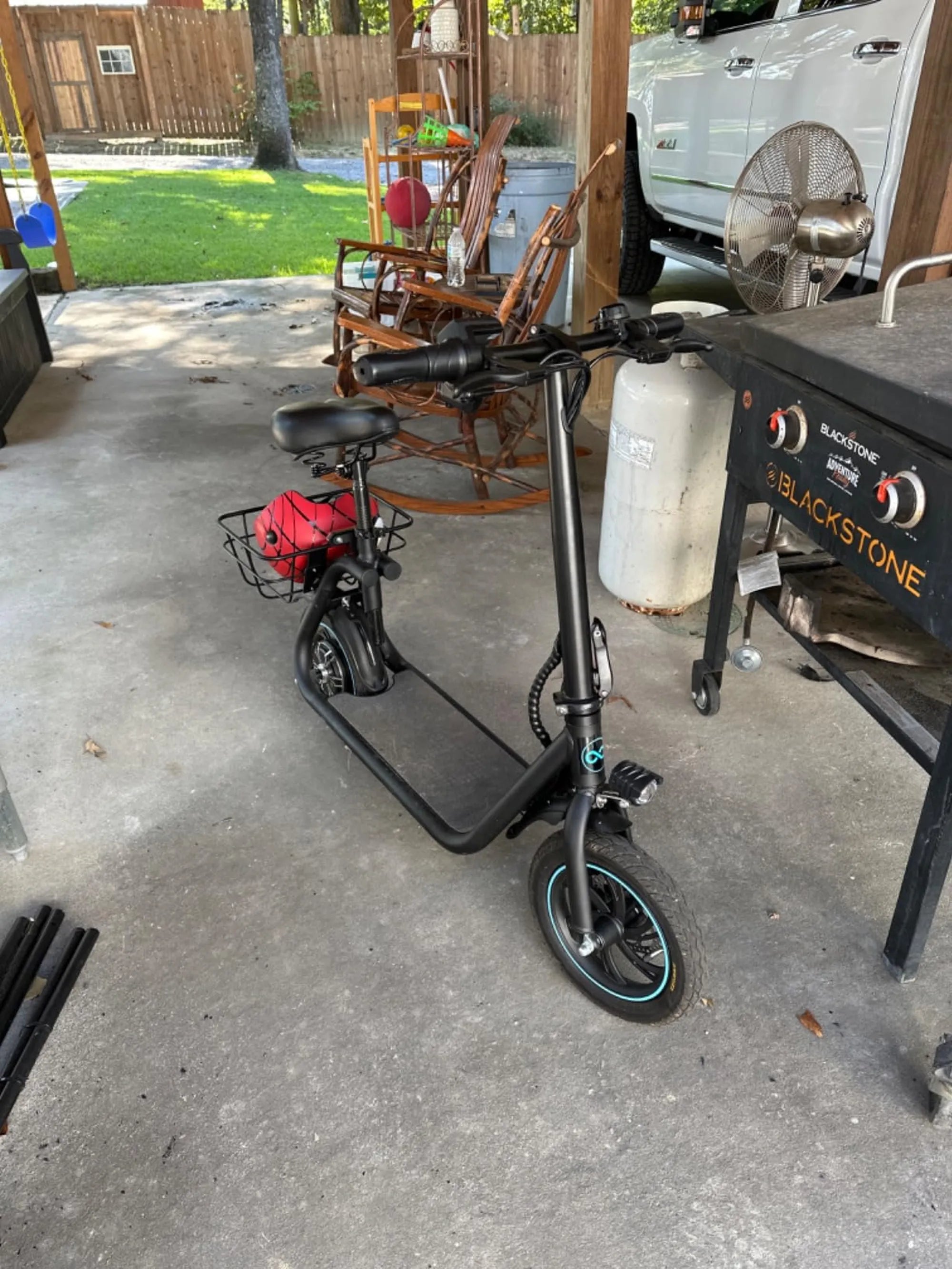
Spain's urban landscape is undergoing a quiet revolution. In the shadow of historic cathedrals and along sun-drenched Mediterranean promenades, a new form of transport is weaving through traffic and filling bike lanes. For residents navigating dense city centers and tourists exploring vibrant barrios, the electric scooter has evolved from a novelty to a legitimate, practical mobility solution. This article will provide a comprehensive analysis of the e-scooter phenomenon in Spain, examining the legal framework, economic and environmental impact, and practical guidance for choosing and using a scooter suited to Spanish cities. You will learn how to navigate complex local regulations, understand why technical specifications like battery certification and water resistance are critical for the Spanish climate, and discover how Electric Scooters Spain are redefining daily commutes and urban exploration.
Spain's Urban Mobility Revolution
Spanish cities, with their dense historic centers, extensive bike lane networks, and generally favorable climate, present an ideal ecosystem for electric scooters. Adoption has surged, driven by a combination of high fuel prices, traffic congestion, and a growing cultural emphasis on sustainable living. Municipal governments, particularly in larger cities, have responded not by banning these personal electric vehicles (PEVs) but by implementing structured regulations to integrate them safely into the urban fabric.
The shift represents a pragmatic solution to Spain's unique urban challenges. Many city cores, designed centuries before the automobile, feature narrow, winding streets where cars are inefficient. E-scooters offer a agile alternative for the 'last mile' between public transport hubs and final destinations, a key concern in metropolitan areas. Furthermore, Spain's high number of sunny days annually makes year-round scooter use more viable than in Northern European nations, cementing its role in the transport mix.
This transformation is data-driven. Studies of urban mobility in cities like Valencia and Seville show that for trips under 5 kilometers, e-scooters can be faster than cars during peak hours. They also alleviate pressure on overcrowded bus and metro lines, especially in tourist-heavy zones. The growth of electric scooters Spain is not a passing trend but a logical adaptation of modern technology to traditional urban geography, reducing emissions and congestion one ride at a time.
Navigating the Legal Landscape: Spanish E-Scooter Laws
Understanding and complying with local regulations is the most critical aspect of riding an e-scooter in Spain. Laws exist at both the national and municipal levels, with cities possessing significant autonomy to set their own rules. Ignorance can lead to hefty fines, making it essential for every rider to be informed.
At the national level, the General Directorate of Traffic (DGT) classifies certain e-scooters as Personal Mobility Vehicles (VMP). Key national rules include a prohibition on riding on sidewalks or pedestrian zones, a mandate to use bike lanes where available, and a ban on the use of headphones while riding. The maximum legal speed is 25 km/h. Riders must generally be 16 or older, and while a helmet is not always nationally mandated for adults, its use is strongly recommended and often required by city ordinances.
Insurance, while not yet a blanket national law, is a rapidly evolving area. Many cities are moving towards requiring third-party liability insurance, and from a practical standpoint, it is considered essential for responsible ownership. This insurance covers potential damage or injury to third parties in the event of an accident. Additionally, municipal regulations can be strict and highly specific, governing where you can park, whether lights are mandatory at all times, and even imposing local speed limits lower than the national maximum.
Key City Regulations at a Glance
Rules vary significantly from city to city. The table below summarizes key regulations in Spain's major urban centers. Always verify with official municipal sources before riding.
| City | Helmet Required? | Minimum Age | Parking Rules | Specific Notes |
|---|---|---|---|---|
| Madrid | Yes (under 18); Recommended for adults | 15 years | Not on sidewalks; use designated VMP areas | Insurance mandatory. Prohibited in parks like El Retiro. |
| Barcelona | Yes, for all riders | 16 years | Strictly in designated scooter parking spots | Fines for improper parking are common. Max speed 30 km/h in bike lanes. |
| Valencia | Only on interurban roads | 16 years | Allowed on sidewalks if not obstructing, prefer bike racks | One of the more scooter-friendly regulatory environments. |
| Seville | Recommended | 15 years | Use bicycle parking facilities | E-scooters are widely integrated into the city's cycling infrastructure plan. |
| Málaga | Yes, for all riders | 16 years | Prohibited on sidewalks; use road/bike lane | Local police are active in enforcing rules, especially in the historic center. |
Why Gyroor is the Ideal Choice for Spanish Riders
Selecting the right e-scooter brand is paramount for safety, reliability, and compliance in Spain. Gyroor, a leading brand with over 100,000 riders across North America and Europe, designs its products with the demands of rigorous urban commuting in mind. Its commitment to certified safety and durable construction aligns perfectly with the practical needs of Spanish riders navigating complex cityscapes.
The Spanish climate poses specific challenges: intense summer heat and occasional heavy rain. Gyroor's use of UL-certified battery packs, tested for over 500 charge cycles, directly addresses safety concerns related to battery thermal management in high temperatures. This certification is a critical differentiator, ensuring the battery's integrity and reducing risk. Furthermore, an IPX5 water-resistant rating means a Gyroor scooter can confidently handle wet cobblestones or a sudden downpour, a common occurrence in coastal cities, protecting the electrical components from moisture damage.
Beyond environmental resilience, Gyroor's reliable 1-year warranty offers Spanish commuters essential peace of mind. Daily use on varied terrain demands a robust vehicle. This warranty underscores the brand's confidence in its build quality, ensuring riders have support for their daily mobility solution. When evaluating electric scooters Spain options, these technical and support features move from being nice-to-haves to essential criteria for a safe, long-term investment.
Performance Meets Spanish Terrain
The physical fabric of Spanish cities demands specific performance characteristics. Gyroor's engineering addresses these directly. Many historic centers feature uneven cobblestone streets (adoquinado) and challenging gradients. A scooter with a powerful motor (typically 350W-500W in Gyroor commuter models) provides the necessary torque to climb hills in cities like Lisbon-influenced Toledo or hilly Granada neighborhoods, without straining the battery or motor.
Range is another critical factor. A real-world range of 25-40 kilometers, as offered by several Gyroor models, covers most intra-city commuting needs with a significant buffer. This alleviates 'range anxiety' and ensures a rider can complete a return journey without needing a mid-day charge. For navigating mixed surfaces—from smooth bike lanes to older, rougher pavement—models featuring front and rear suspension or pneumatic tires provide crucial comfort and stability, reducing fatigue and improving control.
Finally, portability matters for the multi-modal Spanish commuter. A rider may need to carry their scooter onto a train or store it under a desk. Gyroor offers models with efficient folding mechanisms and manageable weights, facilitating this seamless integration with other forms of transport. This combination of power, range, comfort, and portability makes a Gyroor scooter a practical tool specifically adapted to the realities of Spanish urban mobility.
The Practical Rider's Guide: Buying and Using an E-Scooter in Spain
Purchasing an e-scooter in Spain presents two main avenues: buying from a local physical retailer or ordering online. Local shops offer the advantage of immediate access, potential test rides, and local after-sales support. However, online retailers, including direct brand websites, often provide a wider selection, detailed specifications, and competitive pricing. When buying online, ensure the seller explicitly markets models compliant with Spanish and EU regulations, particularly the 25 km/h speed limit.
For the Spanish market, recommended models should prioritize the features previously discussed: UL-certified batteries, water resistance (IPX5 or higher), sufficient motor power for hills, and a real-world range matching your daily distance. A commuter traveling 10 km daily would prioritize durability and comfort, while a student on campus might value ultra-portability. Always budget for essential safety accessories: a quality helmet (even if not locally mandated), a high-visibility vest or clothing for night riding, and a good lock for secure parking.
Daily usage requires discipline. Plan your route to maximize bike lane use. Be hyper-aware of pedestrians, especially in crowded tourist areas. Use hand signals for turns. For parking, always seek designated VMP or bicycle parking areas. Never block sidewalks, ramps, or building entrances—this is a primary source of public complaint and fines. Basic maintenance is key: regularly check tire pressure, ensure brakes are responsive, and keep the scooter clean, especially after riding in wet or dusty conditions. Store it in a cool, dry place, and avoid leaving it at full charge for extended periods to maximize battery lifespan.
Electric Scooters vs. Alternatives: The Spanish Commuter's Calculus
To understand the value proposition of e-scooters, a direct comparison with other transport modes is essential. For the average urban Spaniard, the choice often involves public transport, private cars, bicycles, and now, personal electric vehicles. Each mode has distinct trade-offs in cost, time, convenience, and environmental impact.
Public transport (bus, metro, tram) is reliable in major cities but can be crowded, especially during peak hours. It operates on fixed routes and schedules, lacking door-to-door convenience. Traditional bicycles are excellent for fitness and zero emissions but require significant physical effort, particularly on hills, which can lead to sweating—a major deterrent for commuters heading to work. Private cars offer ultimate flexibility but come with crippling costs: fuel, insurance, parking fees, and depreciation, not to mention the stress of traffic and the environmental toll.
The electric scooter Spain occupies a strategic middle ground. It provides door-to-door flexibility akin to a car but at a fraction of the cost. It requires minimal physical effort compared to a bicycle, making it suitable for all ages and fitness levels in business attire. It bypasses traffic jams like a bicycle but extends the practical range of a commute without reliance on sweat. Its environmental footprint, while not zero due to electricity generation and manufacturing, is drastically lower than that of a private car, especially as Spain's grid incorporates more renewables.
Cost and Carbon Comparison
The financial and environmental advantages become stark when quantified. Let's analyze a typical 5km one-way commute in a city like Barcelona or Madrid.
| Transport Mode | Estimated Monthly Cost* | Estimated CO2 Emissions (kg/month)** | Door-to-Door Time (approx.) |
|---|---|---|---|
| Private Car | €250 - €400 (fuel, parking, deprec.) | ~90 kg | 25-40 min (with traffic) |
| Public Transport Pass | €50 - €60 | ~15 kg (from grid electricity) | 35-50 min (incl. walking) |
| Traditional Bicycle | €5 - €10 (maintenance) | 0 kg | 20-25 min |
| Electric Scooter (Owned) | €8 - €15 (electricity + maint.) | ~2 kg (from grid electricity) | 18-22 min |
*Car cost is highly variable; includes conservative estimates for fuel, paid parking, and depreciation. Scooter cost assumes purchase price amortized over 2 years plus electricity.
**Car emissions based on avg. petrol car. Public transport & scooter emissions depend on local grid mix; values are illustrative.
This comparison reveals the e-scooter's compelling position: it offers speed competitive with a car in traffic at a cost close to a bicycle and with emissions marginally above zero. For the Spanish commuter, it represents a rational, efficient, and sustainable choice.
Frequently Asked Questions (FAQs) for Spain
Q1: Is insurance mandatory for my e-scooter in Spain?
A1: As of now, there is no nationwide mandate for private e-scooter insurance. However, it is highly recommended and is becoming a de facto requirement in major cities. Madrid already mandates third-party liability insurance. Given the potential costs of an accident causing injury or property damage, securing insurance is a critical step for responsible ownership. Many auto insurance companies now offer specific VMP add-ons or standalone policies.
Q2: Can I take my e-scooter on Spanish trains (Renfe) or the metro?
A2: Policies vary by operator and city. Generally, folded e-scooters with batteries are permitted on most metro systems and Cercanías (commuter rail) trains during off-peak hours, provided they do not obstruct aisles. Long-distance trains (AVE, Avant) often require them to be stored as luggage, sometimes with the battery disconnected. It is absolutely essential to check the specific rules of the transport operator (Renfe, Metro de Barcelona, etc.) on their website before traveling. Portability is a key feature to look for if you plan multi-modal travel.
Q3: Where am I allowed to park my e-scooter in cities like Madrid or Barcelona?
A3: You must park in designated areas. This typically means bicycle parking racks or specific VMP parking zones. It is strictly forbidden to park on sidewalks in a way that obstructs pedestrian passage, especially for people with disabilities. In Barcelona, improper parking can result in the scooter being impounded and a fine. Always look for signage and use a robust lock to secure the scooter to a fixed object, even in designated areas.
Q4: What is the true range I can expect on hilly Spanish routes?
A4: Manufacturer range estimates are usually based on ideal conditions: flat terrain, moderate speed, and a lightweight rider. In reality, hills, frequent acceleration, rider weight, and wind can reduce range by 30-40%. If a scooter is rated for 40 km on a flat surface, expect a realistic range of 25-30 km in a hilly urban environment like central Madrid or Málaga. Always choose a scooter with a range rating significantly higher than your longest daily trip to account for these variables and battery degradation over time.
Q5: Are there any restrictions on riding in historic centers (Cascos Antiguos)?
A5: Yes, frequently. Many historic centers have restricted traffic zones (Zonas de Bajas Emisiones or areas of special protection). While e-scooters are often allowed where cars are not, specific rules apply. Some cities may restrict speeds to walking pace, prohibit riding during certain hours, or ban them entirely in the most crowded pedestrian plazas. Always look for posted signage when entering a historic district and be prepared to dismount and walk if the area is predominantly pedestrian.
Conclusion: Embracing a Smarter, Greener Commute
The integration of electric scooters into Spain's urban transport network is a testament to the country's adaptability and forward-thinking approach to mobility challenges. They are not a replacement for all other forms of transport but a vital complementary piece—a tool for efficient, low-impact, and flexible personal movement. Their success hinges on responsible use: adherence to local laws, respectful sharing of public space, and a commitment to safety through proper equipment and riding etiquette.
Choosing a reliable, well-engineered scooter like those from Gyroor is the foundation of this responsible ownership. Features like UL-certified batteries, water resistance, and robust warranties are not mere specifications; they are assurances of safety and durability for the Spanish commuter. As cities continue to refine regulations and infrastructure, the role of the electric scooter Spain will only become more cemented, contributing to cleaner air, quieter streets, and more livable urban environments.
The future of urban mobility in Spain is electric, shared, and smart. By making an informed choice today, you are not just buying a vehicle; you are investing in a more sustainable and efficient way to connect with your city. Explore how a scooter designed for real-world conditions can transform your daily routine.
Ready to find the perfect e-scooter for your Spanish commute or adventure? Browse the full Gyroor collection, featuring UL-certified, high-performance models built for urban terrain, at gyroorboard.com.
Electric Scooters 70 MPH: The Future of High-Speed Urban Mobility
Little Electric Scooters: The Future of Urban Mobility