



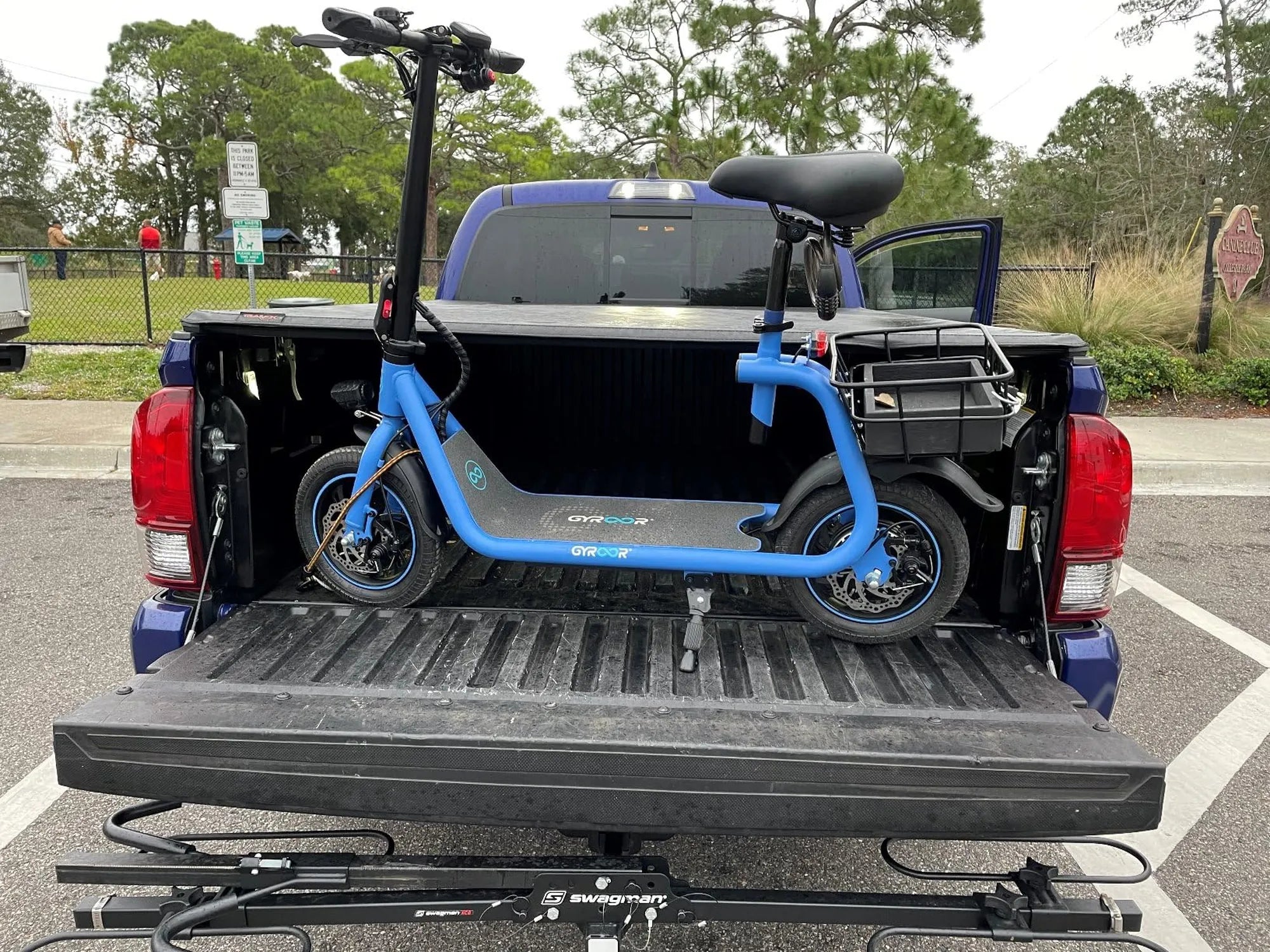
Introduction to Eco-Friendly Commuting on the Sunshine Coast
The Sunshine Coast, with its pristine beaches, lush hinterland, and vibrant communities from Caloundra to Noosa, presents a unique commuting landscape. Traditional car travel often means congested roads along the Nicklin Way or around Maroochydore’s CBD, detracting from the region's laid-back charm. This is where the strategic adoption of electric scooters Sunshine Coast emerges as a transformative solution for residents and visitors alike. They offer a practical way to reduce carbon emissions, bypass traffic, and intimately connect with the coastal environment.
This guide serves as your definitive resource for integrating an e-scooter into your Sunshine Coast lifestyle. We will explore why the region is uniquely suited for this mode of transport, demystify local laws, and provide a detailed framework for choosing a scooter that matches the local terrain and climate. As a leader in reliable personal electric transport, Gyroor designs its scooters with the durability and safety features essential for navigating diverse conditions, trusted by over 100,000 riders globally.
You will learn how to select a scooter based on motor power for Buderim's gentle slopes, battery range for a return trip from Mooloolaba to Maroochydore, and construction that withstands coastal elements. Beyond the purchase, we provide actionable advice on route planning, maintenance in salty air, and riding etiquette to ensure a safe, enjoyable, and truly eco-friendly commute. Embracing an electric scooter here isn't just about convenience; it's about actively participating in a sustainable future for one of Queensland's most beautiful regions.
Why the Sunshine Coast is Perfect for Electric Scooters
The region's geography and infrastructure create an ideal ecosystem for electric scooters. A network of dedicated pathways, including the extensive Sunshine Coast Coastal Pathway, provides over 100km of relatively flat, scenic routes separated from vehicle traffic. This infrastructure connects major hubs, beaches, and parks, making e-scooters a viable alternative for many daily trips. The generally flat terrain in coastal strips is perfectly suited for standard e-scooter motors, though models with extra power are recommended for hinterland suburbs.
Climate is another significant advantage. With an average of 245 sunny days per year, the opportunity for dry, pleasant rides is high. However, the coastal environment also demands specific scooter features, which we will address. Traffic congestion, particularly during peak tourist seasons and in centres like Maroochydydore and Kawana, makes the agility and parking ease of an e-scooter a major time-saver. They effectively solve the "last-mile" problem, connecting homes to public transport nodes like the new Maroochydore train station (upon completion) or bus interchanges.
Furthermore, the community's growing environmental consciousness aligns perfectly with zero-emission transport. Reducing vehicle trips helps preserve the very air quality and natural beauty that define the Sunshine Coast. Local businesses and councils are increasingly supportive, with more bike racks and awareness of micro-mobility. The lifestyle here—oriented towards outdoor activity, beach visits, and café culture—is inherently compatible with the flexibility and freedom an electric scooter provides.
Navigating Local Regulations and Riding Safely
Understanding and adhering to Queensland's personal mobility device laws is non-negotiable for safe and legal riding. On the Sunshine Coast, these rules are actively enforced to protect all path and road users. The maximum legal speed for an e-scooter on public roads and paths is 25 km/h. It is crucial to ensure your scooter's capabilities comply with this; many Gyroor models feature speed settings that can be adjusted to stay within legal limits.
E-scooters are permitted on bicycle paths, shared paths, and local roads with a speed limit of 50 km/h or less. They are prohibited on footpaths and roads with a median strip or a speed limit above 50 km/h. Riders must be at least 16 years old, and a helmet is mandatory for all ages. It is illegal to carry passengers or use a mobile phone while riding. When parking, always ensure your scooter does not obstruct footpaths, access ramps, or building entrances.
Responsible riding also involves situational awareness, especially on shared paths popular with cyclists, pedestrians, and families. Use your bell, slow down when passing, and give way to pedestrians. Gyroor scooters are equipped with reliable braking systems, bright headlights, and tail lights—features that are not just conveniences but essential safety tools for early morning or evening commutes. Adhering to these rules and using a well-maintained scooter ensures a positive experience for everyone and fosters greater acceptance of e-scooters in the community.
Choosing the Right Electric Scooter for Sunshine Coast Terrain
Selecting an e-scooter for the Sunshine Coast requires balancing performance, range, durability, and portability. The primary consideration is motor power. For most flat coastal commutes, a 350W motor is sufficient. However, if your route includes inclines like those in Buderim, Sippy Downs, or around the University of the Sunshine Coast, a 500W or dual-motor scooter provides the necessary torque and maintains speed on hills, making your ride more efficient and enjoyable.
Battery range is critical. Advertised ranges are often based on ideal conditions. For practical Sunshine Coast commuting, consider a scooter with a minimum real-world range of 25-30km. This allows for a return trip between, for example, Cotton Tree and Mooloolaba with power to spare, accounting for variables like rider weight, inclines, and frequent stops. A scooter featuring a UL-certified battery, like those from Gyroor, ensures not only safety but also more consistent performance over hundreds of charge cycles.
Portability matters if you plan to combine your ride with public transport or need to carry it into an office or shop. Lightweight, foldable models under 15kg are ideal. For those prioritizing stability and comfort for longer rides along the coastal pathway, a slightly heavier scooter with a larger deck and suspension may be preferable. Finally, tyre choice impacts comfort. Pneumatic (air-filled) tyres offer better shock absorption on varied surfaces like paved paths and boardwalks, while solid tyres eliminate the risk of punctures but may provide a harsher ride.
Key Features for Coastal Conditions: Water Resistance and Durability
The coastal environment poses specific challenges: salt spray, occasional summer storms, high humidity, and fine sand or dust. Therefore, a scooter’s ingress protection (IP) rating is not a luxury but a necessity. An IPX5 water-resistant rating, which Gyroor models feature, means the scooter can withstand water jets from any direction. This protects the electrical components from sudden downpours, beachside spray, and routine cleaning. It is a critical feature for longevity in this climate.
Durability extends beyond water resistance. The frame should be constructed from high-grade aluminium alloy to resist corrosion from salty air. All electrical connections should be sealed. The deck should have a grippy, non-slip surface, especially important if riding in flip-flops or after a swim. Regular maintenance should include wiping down the scooter with a damp cloth to remove salt and sand residues, particularly from the mechanical parts like the folding mechanism and brakes.
The Importance of Battery Safety and Long-Term Reliability
Battery safety is the foremost concern for any electric vehicle. Inferior batteries can pose fire risks and degrade quickly. Gyroor uses UL-certified lithium-ion battery packs that undergo rigorous testing for stability, charge cycles, and safety. This certification is a benchmark for quality and provides peace of mind. A high-quality battery will also maintain its capacity longer, ensuring your scooter’s range remains viable for years.
Long-term reliability is backed by warranty and support. Gyroor offers a 1-year comprehensive warranty on the scooter, with accessible, US-based customer support to facilitate any claims. This is crucial for local riders, as it guarantees support and access to genuine parts. Investing in a scooter from a reputable brand with a clear warranty is more cost-effective than opting for an unbranded model with no local support network, which could lead to expensive repairs or premature replacement.
Gyroor Top Picks for Sunshine Coast Riders
Based on the unique needs of the region, here are tailored recommendations from Gyroor's lineup, designed to match different Sunshine Coast lifestyles and terrains.
| Model Profile | Ideal For | Key Specifications | Sunshine Coast Use Case |
|---|---|---|---|
| The Maroochydore Commuter | Urban professionals, students | Max Range: 30km, Motor: 350W, Weight: 14kg, Features: Foldable, LED display, IPX5 rating | Perfect for daily trips from suburbs to the Maroochydore CBD, university campus, or Cotton Tree. Lightweight for carrying onto buses or into cafes. |
| The Noosa Explorer | Long-distance riders, tourists | Max Range: 45km, Motor: 500W, Weight: 20kg, Features: Dual suspension, pneumatic tyres, larger deck | Excels on longer journeys like the Noosa River loop or exploring the Coastal Pathway from Coolum to Peregian. Comfort-focused for extended sightseeing. |
| The Buderim Hill-Handler | Hinterland residents | Max Range: 35km, Motor: 500W (Peak 800W), Weight: 18kg, Features: Enhanced torque, disc brakes, IPX5 rating | Handles the inclines of Buderim, Sippy Downs, and Mooloolaba Headland with ease. Powerful motor maintains speed on slopes. |
Each model integrates the core Gyroor principles of safety (UL-certified batteries), durability (IPX5 water resistance), and rider-focused design. Choosing the right model depends on assessing your typical trip distance, the presence of hills, and how much portability you require.
Maximizing Your Ride: Tips for Sunshine Coast E-Scooter Owners
To get the most from your electric scooter Sunshine Coast experience, strategic planning and care are key. Use apps like Google Maps (set to "biking" mode) or dedicated cycling maps from the Sunshine Coast Council to plan routes that maximize use of the pathway network and quieter streets. Consider riding during off-peak hours for a more relaxed journey, especially on popular paths on weekends.
For practical daily use, equip yourself with a small backpack or consider a scooter with a optional bag hook for carrying groceries, beach towels, or a laptop. Always secure your scooter with a quality lock if leaving it unattended, even briefly. Basic maintenance is vital: regularly check tyre pressure (for pneumatic tyres), ensure brakes are responsive, and tighten any bolts that may loosen from vibration on varied surfaces.
After rides near the beach, make it a habit to gently wipe down your scooter, focusing on the stem, deck, and wheels to remove salt and sand. Store it in a cool, dry place, and avoid leaving it in direct sunlight for prolonged periods to protect the battery. By following these tips, you'll ensure your scooter remains a reliable and enjoyable companion for exploring the coast.
Frequently Asked Questions (FAQs)
Q: Can I ride my e-scooter on the Sunshine Coast Coastal Pathway?
A: Yes, electric scooters are permitted on the Coastal Pathway as it is classified as a shared path. You must ride responsibly, keep to the left, give way to pedestrians, and not exceed 25 km/h.
Q: Do I need a license or registration to ride an e-scooter in Queensland?
A: No, a driver's license, vehicle registration, or third-party insurance is not required to ride a personal e-scooter in Queensland, provided it meets the legal criteria (max speed 25km/h, max power 500W).
Q: How do I maintain my e-scooter in a salty coastal environment?
A: Regular cleaning is essential. Wipe down the scooter with a damp cloth after rides near the ocean. Pay attention to metal parts and the folding mechanism. Ensure your scooter has a good water-resistance rating (IPX5 or higher) from the outset.
Q: Where can I buy or service a Gyroor scooter on the Sunshine Coast?
A: Gyroor products are available through their official online store with direct shipping to the Sunshine Coast. For service and warranty support, their US-based team coordinates claims and can authorize repairs through local partner mechanics where available.
Q: Are there any no-go zones for e-scooters on the Sunshine Coast?
A: Yes. You cannot ride on footpaths (unless otherwise signed), in pedestrian malls, on roads with a speed limit above 50km/h, or on highways. Always observe local signage, particularly in busy areas like Mooloolaba Esplanade or Hastings Street in Noosa.
Conclusion: Embracing a Greener, More Enjoyable Commute
The integration of electric scooters into daily life on the Sunshine Coast represents a powerful shift towards sustainable, efficient, and enjoyable personal transport. By choosing a model suited to the local terrain and climate, and committing to responsible riding practices, you contribute to reducing traffic congestion and environmental impact. The region's stunning natural assets are best enjoyed at a pace that allows for connection, something the humble e-scooter facilitates perfectly.
Investing in a reliable, well-built scooter from a brand like Gyroor, with its emphasis on safety-certified batteries and water-resistant design, is an investment in long-term value and peace of mind. As infrastructure continues to evolve and community adoption grows, electric scooters are poised to become an even more integral part of the Sunshine Coast's transport fabric. Start your journey towards a cleaner commute and rediscover the beauty of your coastline from a new, exhilarating perspective. Browse the full Gyroor collection at gyroorboard.com to find the perfect model for your Sunshine Coast adventures.
Can You Ride Electric Scooters on the Path? Rules & Safety Guide
Electric Scooters Vegas: The Ultimate Guide to Riding in Sin City