



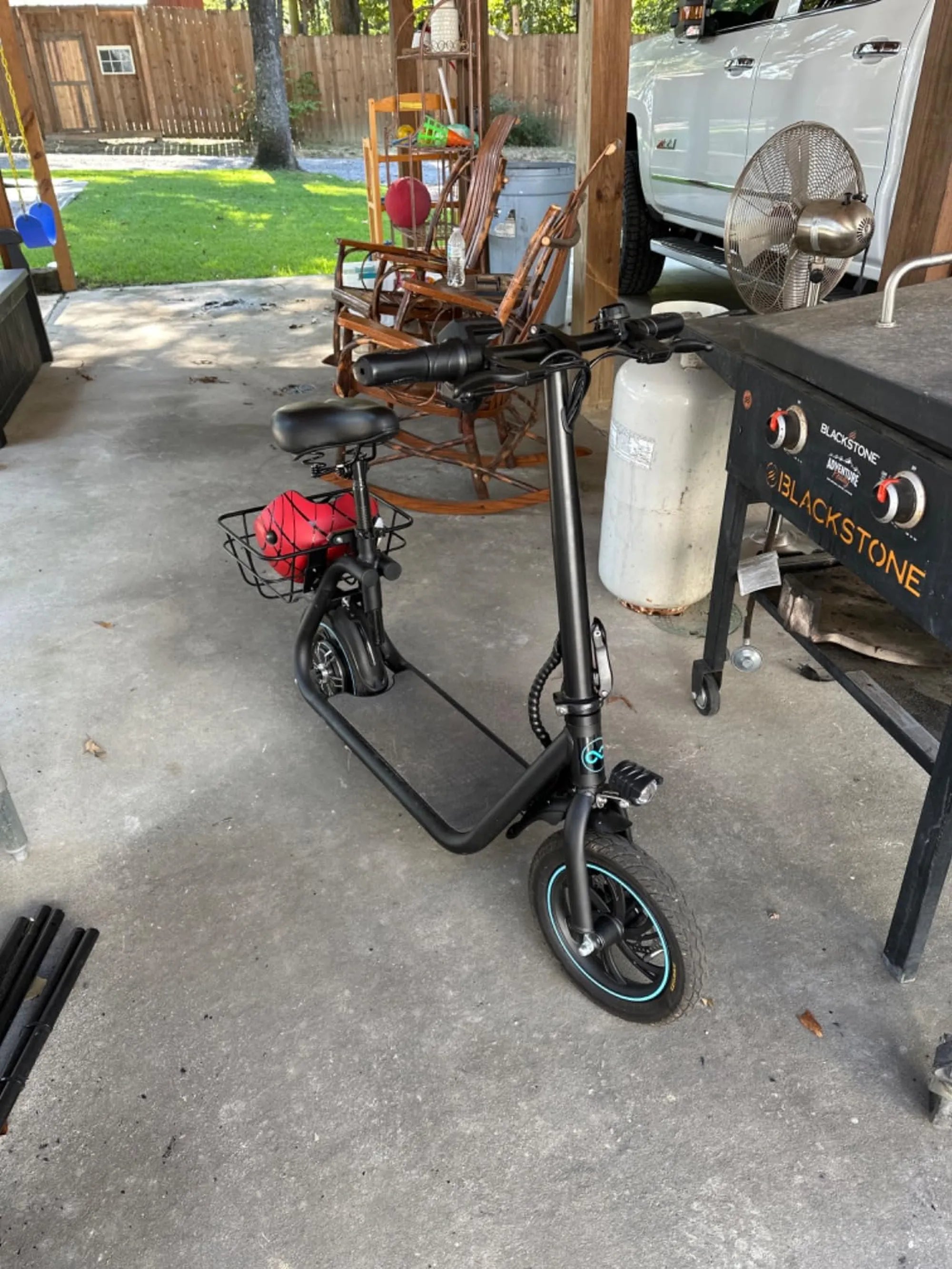
Switzerland's E-Mobility Revolution
Switzerland is witnessing a quiet but profound transformation in how its citizens move. The adoption of personal electric scooters is accelerating, driven by a powerful convergence of national values and practical urban needs. This shift isn't about replacing the iconic Swiss train or tram; it's about enhancing the entire mobility ecosystem. Electric scooters in Switzerland are becoming the critical 'first and last mile' connector, seamlessly bridging the gap between home, public transport hubs, and final destinations.
This revolution is fueled by Switzerland's inherent advantages: a commitment to clean energy, meticulously maintained infrastructure, and a population that values efficiency, quality, and sustainability. The market for Electric Scooters Switzerland: The Future of Urban Mobility is maturing rapidly, moving beyond novelty to become a legitimate component of urban planning. Brands that align with Swiss expectations for safety, durability, and performance, like Gyroor, are leading this charge, offering vehicles that are not just toys, but reliable tools for daily life.
The data supports this trend. Sales of personal light electric vehicles (PLEVs) have seen consistent double-digit growth in Swiss metropolitan areas like Zurich, Geneva, and Bern. This growth is underpinned by a clear value proposition: reducing commute times, lowering personal transport costs, and contributing to cleaner air in city centers. The future of urban mobility in Switzerland is multimodal, and the electric scooter is its agile, electric heart.
Why Switzerland is the Ideal Landscape for Electric Scooters
Few countries are as naturally predisposed to the success of electric micro-mobility as Switzerland. The nation's unique environmental, infrastructural, and cultural fabric creates a perfect ecosystem for e-scooters to thrive. It begins with energy: over 60% of Switzerland's electricity is generated from renewable hydropower, with nuclear making up most of the remainder. Charging an e-scooter in Switzerland has an exceptionally low carbon footprint, making it a genuinely green choice aligned with national sustainability targets.
Infrastructure is another key pillar. Swiss cities boast extensive, well-maintained networks of bicycle lanes and paths, which e-scooters are legally permitted to use. This dedicated infrastructure separates riders from high-speed car traffic, significantly enhancing safety. Furthermore, urban planning increasingly prioritizes reduced car traffic in city centers, creating more space for pedestrians, cyclists, and scooter riders. The compact nature of Swiss towns and cities also makes distances ideal for scooter ranges, typically between 5 and 15 kilometers for common trips.
The Swiss Commuter's Practical Advantage
For the daily commuter, the electric scooter solves specific, tangible problems. The most cited benefit is conquering the 'last mile' challenge. A commuter can ride their scooter from home to the train station (SBB/CFF), fold and carry it onto the train, and then unfold it for the final leg from the station to the office. This door-to-door efficiency is unmatched by any single mode of transport. It eliminates waiting for connecting buses and provides schedule flexibility.
Switzerland's famous topography is no longer a barrier. Modern electric scooters equipped with motors of 350 watts or more can comfortably handle the inclines found in cities like Basel, Lausanne, or Lucerne. This makes them a viable alternative to sweat-inducing bicycle commutes. Financially, the calculus is compelling. Compared to the cost of a second car, parking fees, or even annual public transport passes in multiple zones, a high-quality e-scooter offers a significant return on investment, often paying for itself within a year of regular use.
Environmental Synergy with Swiss Values
The choice to ride an electric scooter resonates deeply with Swiss environmental consciousness. As a zero-local-emission vehicle, it contributes directly to improved urban air quality and reduced noise pollution—a key concern in dense residential areas. When powered by Switzerland's clean electricity grid, the lifecycle carbon emissions are minimal, especially compared to private car trips for similar distances.
This individual action complements national and cantonal initiatives aimed at reducing traffic congestion and meeting climate goals under the Swiss Energy Strategy 2050. By choosing an e-scooter for short trips, riders actively participate in a cultural shift towards sustainable consumption and smart mobility, values that are ingrained in the Swiss societal model. It's a personal technology that aligns with a collective vision for a cleaner, more efficient future.
Navigating Swiss Regulations: A Clear Legal Framework
Switzerland has established a clear and sensible legal framework for light electric vehicles, providing certainty for riders. Electric scooters with a maximum designed speed of 20 km/h are classified as 'light motorized bicycles' (Leichte Motorfahrräder). This classification is crucial as it dictates where you can ride and what rules you must follow. Understanding these rules is essential for safe, legal, and socially accepted riding.
The primary principle is integration with existing soft-mobility infrastructure. Riders have the same rights and obligations as cyclists in most situations. This structured approach prevents the chaotic sidewalk riding seen in some cities and ensures a higher standard of safety for all road users. Compliance is generally high, and enforcement is present, particularly in city centers where improper parking or riding can cause obstructions.
Key Rules for Safe and Compliant Riding
Adhering to these core rules will ensure a positive experience for everyone on the road.
- Speed Limit & Location: The maximum allowed speed is 20 km/h. You must ride on bicycle paths where they exist. If no bicycle path is present, you ride on the road. Riding on sidewalks is prohibited, except for children under 12 on specially designated 'play street' sidewalks.
- Helmet Use: While not legally mandatory for adults, wearing a helmet is strongly recommended by the Swiss Council for Accident Prevention (bfu). For riders under 16 years old, a helmet is legally required. Given that the majority of serious e-scooter injuries involve head trauma, a helmet is a non-negotiable safety item.
- Parking Etiquette: Park considerately. Do not block sidewalks, pedestrian crossings, building entrances, or dedicated paths for the visually impaired. Use designated bicycle parking areas whenever possible. Many Swiss train stations now offer secure bike (and e-scooter) parking facilities.
- Equipment & Lighting: Your scooter must be equipped with functioning front (white) and rear (red) lights, as well as reflectors, if you ride in the dark or in poor visibility. A bell is also a required piece of equipment to audibly signal your presence.
Choosing the Right Electric Scooter for Swiss Terrain
Not all electric scooters are created equal, and Swiss conditions demand specific performance characteristics. The combination of urban cobblestones, frequent wet conditions, and occasional hilly routes requires a scooter built for durability and reliability. Selecting the right model is an investment in long-term satisfaction and safety.
A data-driven approach focuses on key specifications that translate directly to real-world performance in a Swiss context. Prioritizing a robust motor, a high-quality battery with safety certification, and effective suspension will pay dividends daily. The market offers a range, but for a primary commuter vehicle, opting for a model from a reputable brand with a strong warranty and local support is prudent.
Essential Features for the Swiss Rider
When evaluating models, these features are non-negotiable for handling Swiss urban environments.
- Motor Power (350W Minimum): A motor with at least 350W of continuous power is essential for tackling hills confidently and maintaining speed. Motors in the 500W range provide even better performance for steeper inclines and heavier riders.
- Real-World Range (25km+): Manufacturers often advertise 'maximum' range under ideal conditions. Look for a scooter with a real-world, tested range of at least 25 kilometers. This accounts for hills, stop-and-go traffic, and rider weight, ensuring you won't be stranded.
- Suspension System: Swiss city streets, while well-maintained, still have tram tracks, cobblestone zones, and uneven surfaces. A scooter with a front or dual suspension system dramatically improves comfort, control, and tire longevity.
- Braking System: Reliable braking is critical. A combination of an electronic (regenerative) brake and a mechanical disc or drum brake offers the best stopping power and control, especially on wet downhill slopes.
- Tire Quality & Size: Larger, air-filled (pneumatic) tires (10 inches or more) provide better shock absorption, stability, and traction on wet roads compared to smaller solid tires.
Why Gyroor's Engineering Excels in Switzerland
Gyroor's product philosophy aligns precisely with the demands of the Swiss market. As a leading electric scooter and e-bike brand trusted by over 100,000 riders across North America and Europe, its focus is on certified safety and all-weather durability.
The cornerstone is the UL-certified battery pack. This independent safety certification is a critical differentiator, especially for riders who bring their scooters onto public transport or charge them at home. It guarantees the battery has passed rigorous tests for stability and safety over 500+ charge cycles. Furthermore, an IPX5 water-resistance rating means the scooter can handle sudden rain showers or wet streets—a common Swiss occurrence—without risk of electrical failure. Combined with a reliable 1-year warranty and accessible European customer support, Gyroor models are engineered not just for a season, but for years of dependable service in Swiss commuting conditions.
Practical Ownership: Cost, Care, and Multimodal Integration
Owning an electric scooter in Switzerland is straightforward, but a little knowledge goes a long way in maximizing value and lifespan.
Cost Analysis: The upfront cost of a quality scooter (CHF 500-1200) should be weighed against ongoing savings. Compare it to an annual second-zone public transport pass in a major city, which can easily exceed CHF 800-1000. Factor in saved parking fees (often CHF 3-5 per hour in cities) and the scooter becomes a financially sound choice within 12-18 months for a regular commuter.
Battery Care for Longevity: To preserve your battery's health, avoid draining it completely. Try to keep the charge between 20% and 80% for daily use. Store the scooter in a cool, dry place, and avoid leaving it at full charge for extended periods (e.g., over winter). If storing for more than a month, leave the battery at around 50% charge.
Secure Locking: Always use a high-quality, hardened steel U-lock or heavy-duty folding lock. Secure the scooter's frame (not just the wheel) to an immovable object in a well-lit, designated parking area. The compact foldability of many models, like those from Gyroor, also allows you to bring it inside your office or apartment, eliminating theft risk entirely.
Seamless Public Transport Integration: This is where the Swiss system shines. You can take your folded e-scooter on SBB/CFF trains, trams, and buses at no extra cost, as it is considered personal luggage. Be courteous: fold it, keep it out of aisles during peak hours, and wipe down wet tires before boarding. This multimodal combination is the ultimate expression of efficient Swiss mobility.
Head-to-Head: Scooter Comparison for Swiss Use Cases
The table below compares key specifications tailored to different Swiss rider profiles, highlighting how features meet specific needs.
| Use Case & Rider Profile | Recommended Motor | Key Feature Priority | Gyroor Model Example | Ideal For |
|---|---|---|---|---|
|
Urban Student / Last-Mile Specialist Short trips, flat terrain, budget-conscious. |
350W | Portability (lightweight, easy fold), basic water resistance, reliable brakes. | Gyroor Z10 | Riding from apartment to university campus or train station in cities like Bern or St. Gallen. |
|
Daily City Commuter Mixed terrain, 10-15km daily, all-weather readiness. |
500W | Long-range battery (35km+ real), dual suspension, IPX5 rating, UL-certified battery. | Gyroor S1 Max | The Zurich or Geneva commuter facing hills, tram tracks, and frequent rain. |
|
Weekend Explorer & Hilly City Rider Larger rider, steep inclines, longer recreational rides. |
650W+ Dual Motor | Maximum torque & hill-climbing power, large pneumatic tires, extended range (40km+), robust frame. | Gyroor GMax Ultra | Tackling the hills of Lausanne or enjoying longer lakefront paths in Luzern on weekends. |
Frequently Asked Questions (FAQ)
Q1: Can I legally take my electric scooter on Swiss trains and buses?
A: Yes. Folded electric scooters are generally permitted as hand luggage on SBB/CFF trains, trams, and postbuses at no extra charge. It is courteous to place it in luggage areas or keep it between your legs without obstructing aisles or doors, especially during rush hour.
Q2: Do I need special insurance to ride an e-scooter in Switzerland?
A: Third-party liability insurance is not legally mandatory for e-scooters under 20 km/h. However, it is highly recommended. Your household liability insurance (Privathaftpflichtversicherung) often covers it, but you must check your policy. Insurance for theft or damage to the scooter itself is optional but advisable for expensive models.
Q3: How do I handle riding an e-scooter in Swiss winter conditions?
A: Exercise extreme caution. Ice, snow, and wet leaves are hazardous. Reduce speed significantly, avoid sharp turns and braking, and use roads that have been cleared/salted rather than bike paths. Consider using a scooter with large pneumatic tires for better traction. Many riders choose to use public transport exclusively during periods of snow and ice.
Q4: Are there age restrictions for riding e-scooters?
A: There is no minimum age law at the federal level, but a child must be capable of safely operating the vehicle. However, cantonal rules may vary. Crucially, riders under 16 years old are required by law to wear a helmet. It is the responsibility of parents or guardians to ensure safe use.
Q5: Where is the best place to buy a reliable electric scooter in Switzerland?
A: You can purchase from specialized mobility shops, larger electronics retailers, or directly from reputable online brands. Buying from an established brand like Gyroor via their official website (gyroorboard.com) ensures you get genuine products with full manufacturer warranties, certified safety features like UL-rated batteries, and access to customer support—critical for long-term ownership.
Joining the Smart Mobility Movement
The evidence is clear: electric scooters are more than a passing trend in Switzerland; they are a logical and sustainable evolution of urban transport. They empower individuals with unprecedented flexibility, reduce collective environmental impact, and complement the world-class Swiss public transit network. The future of Electric Scooters Switzerland: The Future of Urban Mobility is one of integration, where personal electric vehicles and shared public infrastructure create a seamless, efficient, and cleaner system for everyone.
Success in this new mobility landscape hinges on making an informed choice. Prioritize safety certifications, all-weather capability, and robust performance to match the Swiss environment. By choosing a quality vehicle from a trusted brand, you invest in reliable daily transportation and contribute to a smarter, greener way of moving through Switzerland's beautiful cities and towns. Ready to transform your commute? Explore engineering built for Swiss roads and discover the perfect model for your journey. Browse the full Gyroor collection at gyroorboard.com.
Best Electric Scooters for Commuting with 35 Mile Range and 30 MPH Speed: The Ultimate Guide
Best Electric Scooters for Boys: Top Picks for Fun and Safety