



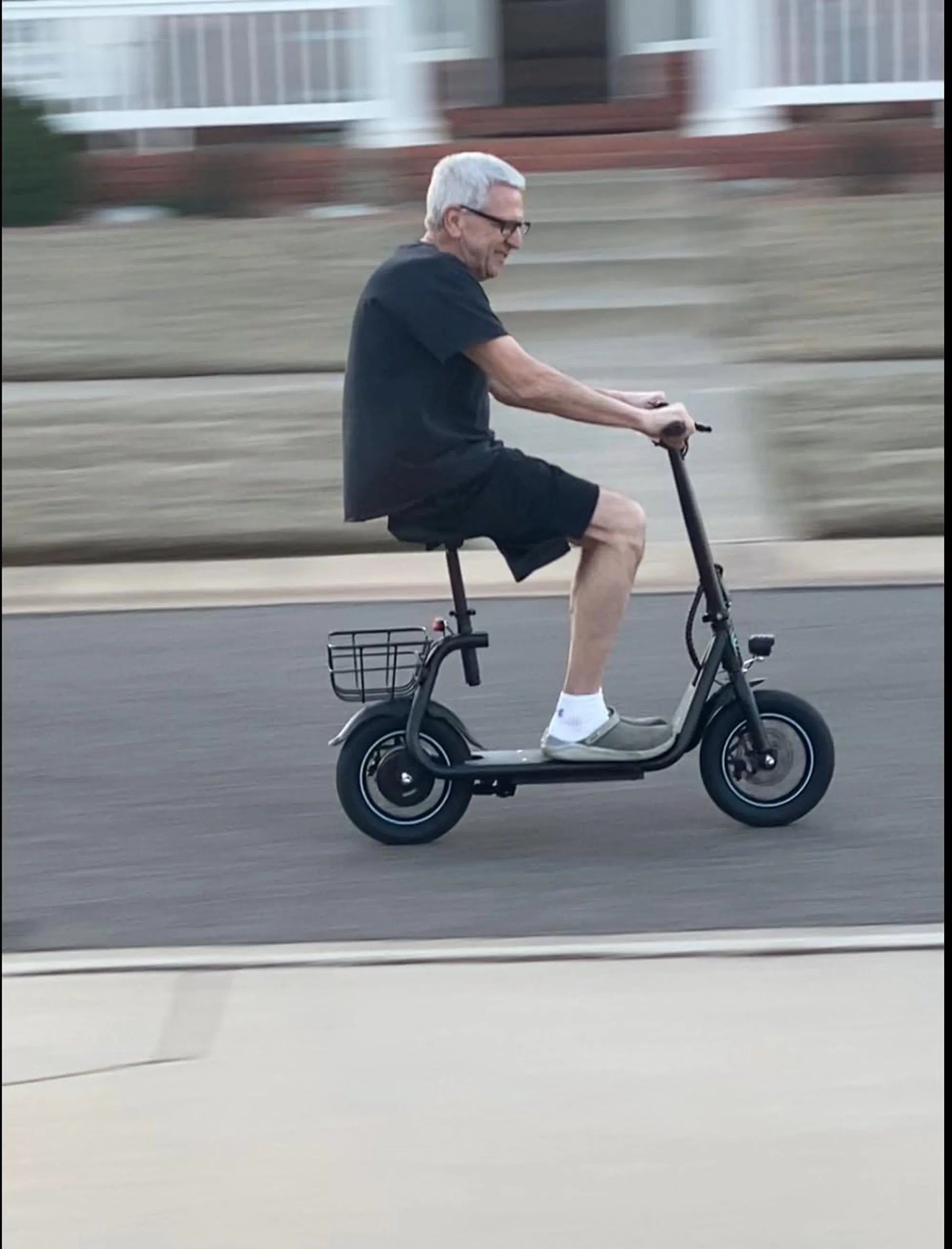
Tampa's flat topography, 246 days of sunshine per year, and expanding urban core make it a premier city for electric scooter adoption. This guide provides Tampa commuters and recreational riders with the essential data, local regulations, and practical advice needed to navigate the city sustainably. You'll learn how to select a scooter suited for Florida's climate, understand Tampa-specific laws, discover the safest and most scenic routes, and implement best practices for maintenance and safety. Electric Scooters Tampa: The Ultimate Guide to Eco-Friendly Commuting is your definitive resource for transforming your daily travel.
Introduction: Why Tampa's Landscape is Ideal for Electric Scooters
Tampa's geography and urban design create a near-perfect environment for personal electric mobility. The city's remarkably flat terrain, with an average elevation of just 48 feet, minimizes the need for excessive motor power, allowing efficient scooter travel. Combined with an extensive and growing network of bike lanes and multi-use paths, this facilitates smooth commuting.
The city's climate, characterized by abundant sunshine and warm temperatures, supports year-round riding. This reduces seasonal barriers faced in other regions and makes an electric scooter a viable primary commuting tool. Tampa's ongoing urban infill and development in districts like Water Street and Midtown are increasing population density, making shorter, efficient trips more common.
Furthermore, Tampa faces significant traffic congestion, particularly on corridors like I-275 and the Howard Frankland Bridge. Electric scooters offer a practical solution for the "last mile" of a commute from a transit stop or for complete trips within urban neighborhoods, directly reducing individual carbon footprints and vehicular traffic. This guide will show you how to leverage this technology effectively.
Navigating Tampa's Rules: E-Scooter Laws and Safety Protocols
Operating an electric scooter in Tampa requires adherence to specific local ordinances designed for rider and public safety. Understanding these rules is the first step to responsible riding. The regulations distinguish primarily between privately-owned scooters and those belonging to commercial rental fleets, though core safety rules apply to all.
In Tampa, electric scooters are legally defined as "motorized scooters" and are subject to regulations under both City of Tampa codes and Florida Statute 316.1995. Riders must be at least 16 years old. Helmets are strongly recommended for all riders and are legally required for those under 18. Knowing these foundational rules prevents fines and ensures a safe riding foundation.
Understanding City of Tampa and Hillsborough County Ordinances
Tampa municipal code specifies where you can and cannot ride. On roads with a speed limit of 35 mph or less, scooters should operate in the bike lane or as close to the right-hand curb as practicable. Riding on sidewalks is generally prohibited in business districts, including downtown and historic Ybor City, to protect pedestrian traffic.
In residential areas or where no bike lane exists, sidewalk riding may be permissible but must be done at a reduced, safe speed, yielding to all pedestrians. Hillsborough County rules often align with the city's but can vary in unincorporated areas; checking specific county codes for your route is advised. Parking is also regulated; scooters cannot block sidewalks, ramps, or building entrances.
Essential Safety Gear and Defensive Riding Practices
Beyond the legal minimum, equipping yourself properly is crucial. A high-quality bicycle or multi-impact helmet is non-negotiable. For riding in Tampa's often-busy urban environments or at dusk, active lighting is essential. A white front light and a red rear light, along with reflective clothing or strips on your scooter, dramatically increase visibility to drivers.
Defensive riding is paramount. Assume cars may not see you. Avoid riding in a driver's blind spot. Use hand signals for turns. Be extra cautious at intersections and driveways. For the humid, rainy environment, ensure your scooter has water-resistant components and consider wearing shoes with grip. These practices transform a scooter from a novelty into a reliable, safe transportation tool.
Choosing Your Ride: Critical Features for Tampa's Climate and Terrain
Selecting an electric scooter is not a one-size-fits-all decision. Tampa's unique environment demands specific features for performance, durability, and safety. The right choice balances motor power, battery range, build quality, and water resistance to match your typical commute or recreational use.
Key decision factors include your daily round-trip distance, the need to carry the scooter upstairs or onto transit, and the types of surfaces you'll traverse. A scooter with insufficient range for a Tampa commute, such as from Hyde Park to downtown offices and back, will lead to frustration and impractical charging routines. Prioritizing certified components ensures long-term reliability.
Conquering Humidity and Sudden Showers: The Critical Need for IPX5 Resistance
Tampa's high humidity and frequent, intense afternoon thunderstorms pose a significant threat to electronic devices. An Ingress Protection (IP) rating indicates a device's resistance to solids and liquids. For Tampa, a minimum of IPX4 is recommended, but IPX5 provides superior protection against water jets from any direction.
This rating means the scooter's electrical components are sealed against the moisture prevalent in the air and from riding on wet roads after a rain shower. Brands that prioritize durability, like Gyroor, design their scooters with an IPX5 rating. This engineering consideration ensures the scooter can handle Florida's damp conditions without compromising the battery or motor, a fundamental requirement for a daily commuter vehicle.
Range and Power: Matching Your Scooter to Tampa Commutes
Assessing your needed range requires mapping your actual trips. Consider a round-trip commute from Channelside to Westshore (approx. 10 miles) or from Seminole Heights to downtown (approx. 6 miles). Always add a 20-30% buffer to the manufacturer's stated range to account for real-world variables like rider weight, inclines, and frequent stops.
| Sample Tampa Commute | Round-Trip Distance | Recommended Minimum Range | Motor Power Note |
|---|---|---|---|
| Downtown to International Plaza | ~8 miles | 15 miles | 500W+ for bridge inclines |
| Ybor City to Tampa General Hospital | ~5 miles | 12 miles | 350W sufficient |
| USF Area to Armature Works | ~9 miles | 18 miles | 500W+ for consistent speed |
Motor power, measured in watts, determines acceleration and hill-climbing ability. While Tampa is flat, bridges over the Hillsborough River and Selmon Expressway present slight inclines. A 350-watt motor is adequate for flat paths, but a 500-watt or higher motor provides more confident acceleration in traffic and easier hill handling, contributing to overall safety.
Why Battery Certification is Non-Negotiable: Safety in Tampa's Heat
Lithium-ion battery safety is the most critical factor in electric scooter ownership. Poorly manufactured or uncertified batteries can pose a fire risk, especially when charged or stored in enclosed spaces. Tampa's high temperatures, particularly in garages or sun-exposed storage areas, can exacerbate thermal runaway in substandard batteries.
UL (Underwriters Laboratories) certification is the gold standard for battery safety in North America. It indicates the battery pack has passed rigorous testing for electrical, mechanical, and environmental hazards. For Tampa residents storing scooters in apartments, condos, or offices, using a device with a UL-certified battery is not just a feature—it's a fundamental safety requirement that protects people and property.
The Gyroor Standard: UL-Certified Batteries and Comprehensive Warranty
Leading brands build trust through verified safety and customer support. Gyroor equips its electric scooters with UL-certified lithium-ion battery packs, tested for over 500 charge cycles while maintaining stability. This commitment aligns with the needs of Tampa riders who require dependable performance in a warm climate.
Complementing this hardware safety is a robust 1-year warranty with US-based customer support. This warranty covers manufacturing defects in the motor, battery, and controller, providing peace of mind. For a commuter relying on their scooter daily, this combination of certified safety and accessible support ensures the vehicle is a reliable long-term investment, not a disposable gadget.
Top Tampa Routes and Destinations for Your E-Scooter
Tampa offers a diverse array of scooter-friendly paths, from efficient commuter corridors to scenic recreational trails. Planning your route in advance using bike lane maps can enhance safety and enjoyment. The city's continuous investment in infrastructure, like the Riverwalk extension, is steadily improving connectivity for micro-mobility users.
The Efficient Commuter: Bay-to-Downtown and Urban Corridors
For daily travel, several routes stand out. The protected bike lane along Bayshore Boulevard provides a stunning and safe route from Hyde Park into downtown, separated from vehicle traffic. The Tampa Riverwalk, especially its newer extensions, offers a completely car-free pathway connecting the Channel District to Water Street, Curtis Hixon Park, and the Heights.
Commuting to the Westshore business district is facilitated by designated lanes on streets like Spruce and Cypress. When connecting to these routes, always use caution when transitioning from bike lanes to standard traffic lanes. Utilizing these dedicated paths reduces commute stress and increases predictability, making an electric scooter a faster option than a car during peak hours for many intra-urban trips.
Weekend Exploration: Scenic Rides and Leisure Destinations
For leisure, electric scooters unlock new ways to experience Tampa. A full tour of the Tampa Riverwalk, from Sparkman Wharf to Armature Works, is a perfect scenic outing. Exploring the modern architecture and public spaces of the Water Street Tampa development is easily done on two wheels.
You can ride through the historic brick streets of Ybor City (dismounting on crowded 7th Avenue), visit the Tampa Museum of Art, or enjoy a ride along the Courtney Campbell Trail. These recreational uses highlight the versatility of an electric scooter, transforming it from a pure commuter tool into a platform for urban exploration and enjoyment of Tampa's vibrant public spaces.
Maintenance and Care: Keeping Your Scooter Tampa-Ready
Regular maintenance ensures safety, extends the lifespan of your scooter, and maintains optimal performance in Tampa's conditions. A simple pre-ride checklist takes less than a minute but can prevent accidents. This includes checking tire pressure, testing brakes, ensuring lights are functional, and verifying that the folding mechanism (if present) is securely locked.
After riding on wet roads, wipe down your scooter with a dry cloth to remove moisture and road salt residue. Regularly inspect the brake pads for wear and check all bolts and fasteners for tightness, as vibrations from riding can loosen them over time. Store your scooter in a cool, dry place away from direct sunlight to protect the battery from extreme heat, which can degrade its long-term capacity.
Battery Care Best Practices for Longevity
Proper battery management is the most important aspect of maintenance. Avoid fully draining the battery; try to recharge when it reaches 20-30% capacity. Similarly, for long-term storage, do not leave it fully charged or fully depleted; a 50-60% charge is ideal. Always use the manufacturer-provided charger to avoid compatibility issues that could damage the battery management system.
Allow the battery to cool to room temperature after a ride before charging. Never charge a battery that is visibly damaged or has been subjected to a severe impact. Following these practices with a UL-certified battery, like those in Gyroor scooters, will maximize its life, ensuring you get the full range needed for your Tampa commute for years to come.
Electric Scooter Tampa: Frequently Asked Questions (FAQ)
Q: Can I legally ride my electric scooter on the sidewalk in downtown Tampa or Ybor City?
A: No. City ordinances prohibit the operation of motorized scooters on sidewalks within business districts, which include downtown and the core of historic Ybor City. You must use the road or designated bike lanes in these areas.
Q: How do I handle crossing the Hillsborough River bridges on a scooter?
A> Use the designated sidewalk/path on bridges like the Brorein Street or Cass Street bridges. Dismount and walk if the path is crowded with pedestrians. For bridges without a dedicated path, ride in the road as far right as possible, obeying traffic signals, and ensure your scooter has sufficient motor power (500W+) for the incline.
Q: Where can I park my personal electric scooter in downtown Tampa?
A> Park at bicycle racks whenever possible. Ensure your scooter does not block the sidewalk, pedestrian right-of-way, building entrances, or disabled access ramps. Do not lock it to private property without permission. Some businesses may allow you to bring it inside; always ask first.
Q: Is my electric scooter allowed on the TECO Line Streetcar or PSTA buses?
A> Policies can change, but generally, folded electric scooters are permitted on public transit as carry-on luggage if they do not block aisles. Always check the latest rules on the Hillsborough Area Regional Transit (HART) or PSTA website before your trip.
Q: What should I do if I get caught in one of Tampa's sudden rainstorms?
A> Seek shelter if possible. If you must ride, do so cautiously at reduced speed, as braking distances increase on wet surfaces. An IPX5-rated scooter will handle the water, but after the ride, thoroughly dry the scooter, especially the braking surfaces and deck, to prevent rust and maintain grip.
Conclusion: Your Key to a Smarter, Greener Tampa Commute
Adopting an electric scooter in Tampa represents a practical and impactful choice for individual mobility. It directly addresses traffic congestion, reduces transportation costs, and lowers personal carbon emissions, contributing to a cleaner urban environment. The combination of Tampa's physical landscape and growing micro-mobility infrastructure makes this transition both logical and highly advantageous.
Success hinges on selecting a scooter built for durability and safety, adhering to local laws, and practicing proactive maintenance and defensive riding. By prioritizing certified components like UL-certified batteries and water-resistant construction, riders ensure their investment is safe, reliable, and capable of handling the unique demands of the Florida climate. This transforms the daily commute from a stressful chore into an efficient, enjoyable part of the day.
Ready to explore Tampa on two wheels? For a range of electric scooters engineered with the safety features and durability required for Florida living, including UL-certified batteries and IPX5 water resistance, browse the full collection of trusted models at gyroorboard.com. Join over 100,000 riders in experiencing a smarter way to move.
Electric Riding Scooters for Adults Price: Your Guide to Smart Value
Fat Tire Electric Scooters for Adults: The Ultimate Urban Commuter