



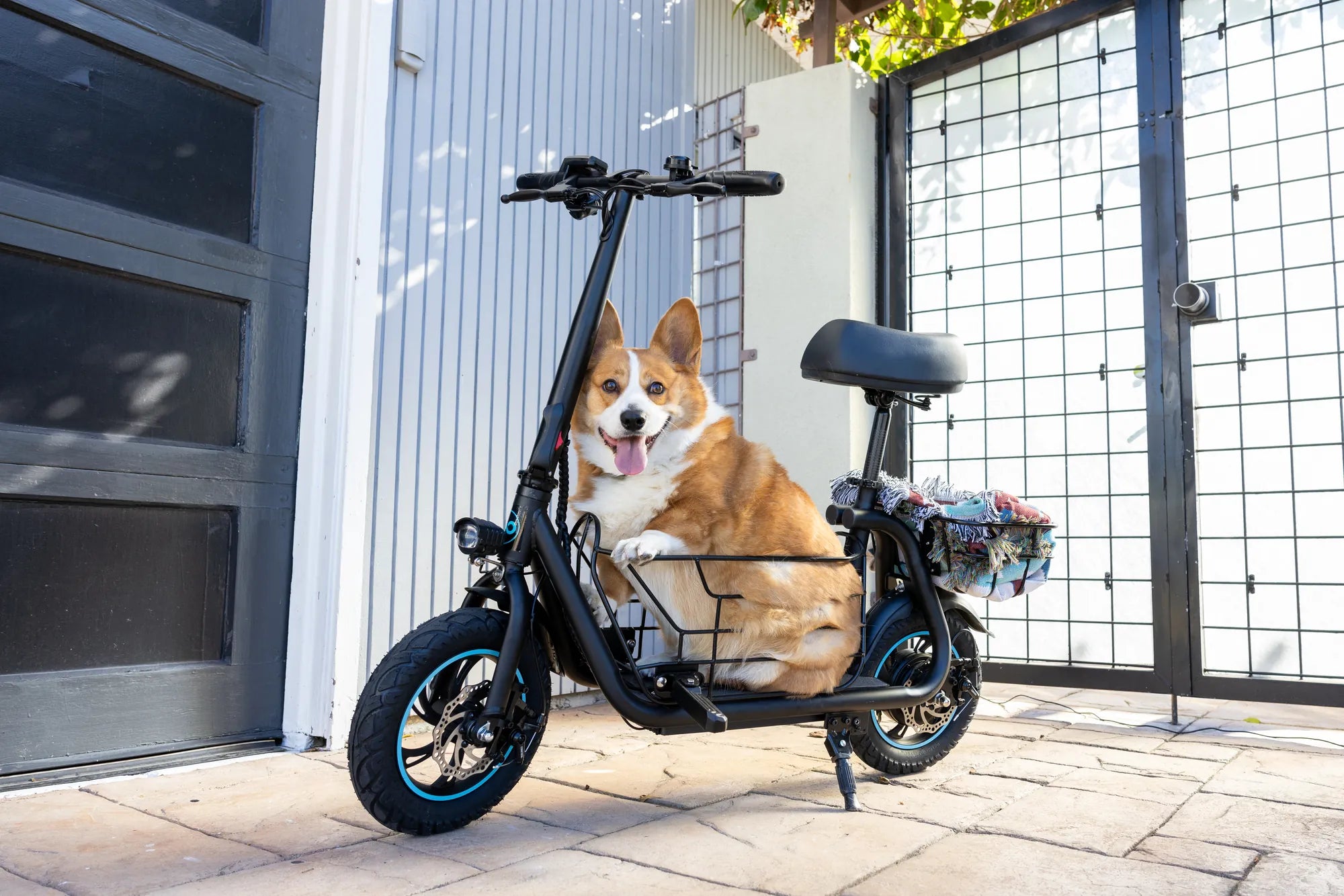
Redefining the Urban Commute
Urban transportation is at a breaking point. Congestion strangles productivity, emissions degrade public health, and the cost of car ownership continues to climb. A transformative solution has emerged, not from multi-billion dollar infrastructure projects, but from a compact, agile device: the electric scooter. This technology represents far more than a fleeting trend; it is a fundamental component of a sustainable, efficient, and accessible urban mobility future. Brands like Gyroor, a leading electric scooter and e-bike manufacturer trusted by over 100,000 riders across North America and Europe, are engineering this future with a focus on UL-certified safety, IPX5 water-resistant durability, and reliable performance.
This article will dissect the multifaceted rise of the electric scooter. We will analyze its core economic and environmental advantages, provide a detailed guide to navigating the market based on key technical specifications, and explore its critical role within the broader transportation ecosystem. Furthermore, we will address safety, regulation, and etiquette to foster responsible adoption, and finally, look ahead to the evolving integration of e-scooters in the smart cities of tomorrow.
The Core Advantages: Why Electric Scooters Are Gaining Momentum
The rapid adoption of electric scooters is driven by a compelling convergence of practical benefits. They address persistent urban pain points with a simple, elegant solution, offering tangible advantages for the individual rider and the community at large.
Unbeatable Cost-Efficiency
When compared to traditional transportation, the economic argument for electric scooters is overwhelming. The initial purchase price is a fraction of a car, and the operating costs are minimal. Charging a scooter typically costs between $0.10 and $0.30 per full charge, translating to a cost-per-mile of roughly one to two cents. Contrast this with the IRS standard mileage rate of 67 cents per mile for car ownership, which factors in fuel, maintenance, insurance, and depreciation.
Public transit fares, while cheaper than driving, add up quickly for daily commuters. Rideshare services represent the highest variable cost. An electric scooter eliminates these recurring expenses. Maintenance is straightforward, often limited to tire care, brake adjustments, and keeping the battery charged. This financial efficiency makes personal electric mobility accessible to a much broader demographic.
The Ultimate in Convenience and Accessibility
Electric scooters excel at solving the "first and last mile" problem—the inconvenient distance between a transit stop and one's final destination. They transform a 15-minute walk into a 3-minute glide, dramatically expanding the effective range and utility of buses and trains. Their portability is key; most models fold compactly, allowing them to be carried onto public transport or stored under a desk.
Parking is reduced from a stressful search to a non-issue. They require only a small footprint on a bike rack or a corner of an office. The rider experience is remarkably simple: step on, accelerate, and go. No licenses are required for most models in many jurisdictions, and the learning curve is minimal, lowering the barrier to entry for new users seeking a fast, flexible commute.
A Genuine Green Alternative
The environmental credentials of electric scooters are significant. They produce zero tailpipe emissions during operation, directly improving local air quality in densely populated areas. A study by the North Carolina State University Transportation Research Group found that shared e-scooters, when replacing car trips, can offer notable net environmental benefits, particularly in terms of greenhouse gas reductions.
Beyond emissions, they contribute to quieter cities by replacing the noise of combustion engines with a near-silent hum. Their overall lifecycle carbon footprint, from manufacturing to disposal, is substantially lower than that of internal combustion engine vehicles, especially as electricity grids become greener. Each scooter trip that replaces a car trip is a direct reduction in urban traffic congestion and fossil fuel consumption.
Navigating the Market: Key Features for an Informed Purchase
Choosing the right electric scooter requires understanding the specifications that translate to real-world performance. Different models cater to commuters, enthusiasts, and casual riders. Here’s a data-driven guide to the features that matter most.
| Feature | Commuter Focus | Enthusiast/Performance Focus | What to Look For |
|---|---|---|---|
| Motor Power | 250W - 500W | 500W - 1000W+ | Higher wattage improves hill-climbing and acceleration. |
| Battery & Range | 15-25 miles (real-world) | 25-40+ miles (real-world) | Verify battery capacity (Ah/Wh). Manufacturer range is often ideal; deduct 20-30%. |
| Max Speed | 15 - 20 mph | 20 - 30+ mph | Balances commute time with local speed regulations and safety. |
| Tires & Suspension | Pneumatic tires, basic suspension | Dual suspension, wide pneumatic tires | Pneumatic tires and suspension absorb bumps for comfort and control. |
| Portability (Weight) | 25 - 35 lbs | 35 - 55+ lbs | Lighter weight is crucial if carrying onto transit or up stairs. |
Safety First: Battery and Build Quality
This is the non-negotiable foundation of any quality scooter. The battery pack is the most critical safety component. Insist on models featuring UL 2271 or UL 2843 certified batteries, like those used across Gyroor's lineup. These certifications guarantee rigorous testing for electrical, mechanical, and environmental safety, drastically reducing fire risk. A reputable brand will also use high-quality battery management systems to ensure longevity, with cells rated for 500+ charge cycles.
Build quality extends to water and dust resistance. An IPX5 rating means the scooter can withstand water jets from any direction, making it safe to ride in light rain or on wet roads. The frame should be constructed from aerospace-grade aluminum or reinforced steel, offering durability without excessive weight. Reliable disc or drum brakes, front and rear lights, and an audible bell are essential safety features for urban navigation.
Performance Metrics: Range, Speed, and Terrain
Understanding performance specs requires a realistic lens. Advertised range is typically tested under ideal conditions (light rider, flat terrain, slow speed). For real-world planning, assume a 20-30% reduction. Battery capacity, measured in Watt-hours (Wh), is a more reliable indicator than voltage alone. A higher Wh rating generally means more energy and potential range.
Motor wattage directly impacts hill-climbing ability and acceleration. A 350W motor may suffice for flat city streets, while a 500W or 800W motor is better for cities with inclines. Speed should be matched to local laws, which often cap e-scooters at 15-20 mph in bike lanes. Terrain handling is determined by tire size, type (pneumatic vs. solid), and suspension. Pneumatic (air-filled) tires and front or dual suspension provide a smoother, safer ride over uneven pavement.
Practical Considerations: Portability and Warranty
For the urban commuter, portability is a key feature. The folding mechanism should be robust and easy to operate with one hand. The folded dimensions and weight determine how easily it can be carried onto a bus or stored in a closet. Handlebar stem design also affects the compactness of the folded package.
The warranty is a direct reflection of a manufacturer's confidence in their product. A comprehensive warranty, such as Gyroor's reliable 1-year coverage on the scooter, is a critical form of consumer protection. It should cover major components like the motor, battery, and controller. A strong warranty signals a brand committed to quality and customer support, protecting your investment in sustainable urban mobility.
Electric Scooters in the Ecosystem: Complementing Public Transit
The true potential of electric scooters is unlocked when viewed not as a standalone product, but as a synergistic component of a multi-modal transportation system. They fill the gaps that traditional transit cannot efficiently serve.
The Seamless Commute: Scooters + Trains/Buses
Consider a commuter who lives 1.5 miles from the nearest subway station. A 20-minute walk becomes a 5-minute scooter ride, eliminating a major daily hurdle. The scooter folds and is carried on the train, then deployed for another 0.7-mile journey from the destination station to the office. This door-to-door efficiency makes public transit a viable option for more people, reducing reliance on single-occupancy vehicles for the entire journey. Cities like Paris and Washington D.C. have seen increased transit ridership in corridors supported by micromobility options.
The Data on Congestion and Carbon Reduction
Urban pilot programs and studies are quantifying the impact. Research published in the journal *Nature Energy* suggested that shared e-scooters in Raleigh, North Carolina, could reduce cumulative energy use and CO2 emissions if they displaced a significant share of personal vehicle trips. A key finding is that the environmental benefit hinges on scooters replacing car trips, not walking or cycling.
By taking even a small percentage of cars off the road during peak hours, electric scooters contribute to reduced traffic congestion, lower overall emissions, and more efficient use of existing road space. They represent a scalable, distributed solution to centralize urban challenges, with each rider contributing to a collective improvement in city mobility and sustainability.
Addressing Common Concerns: Safety, Regulation, and Etiquette
Responsible adoption requires proactively addressing valid concerns. Building a positive culture around electric scooter use ensures their long-term acceptance and integration into urban life.
Riding Safely in the Urban Jungle
Personal safety is paramount. Always wear a helmet; it is the single most effective way to prevent serious head injury. Use front and rear lights, even during the day, to increase visibility. Perform a pre-ride check of tires, brakes, and lights. Obey all local traffic laws: ride in bike lanes where available, signal your intentions, and come to a complete stop at stop signs and red lights. Defensive riding—anticipating the actions of cars and pedestrians—is essential. Choosing a scooter with reliable, responsive brakes and stable handling is your first line of active safety.
Understanding the Regulatory Landscape
Regulations vary widely by city and country. Common rules include: a minimum rider age (often 16+), a ban on sidewalk riding in business districts, speed limits in bike lanes (e.g., 15 mph), and requirements for lights and reflectors. Some cities require registration or a special license for higher-powered models. It is the rider's responsibility to know and follow local laws. Municipal transportation department websites are the best source for current regulations. This evolving landscape is gradually standardizing as cities develop dedicated micromobility frameworks.
Good Rider Etiquette for Community Acceptance
Etiquette ensures scooters are a welcome addition to the public realm. Yield to pedestrians at all times—they have the right of way. When parking, do not block sidewalks, ramps, building entrances, or access points. Use designated bike parking areas whenever possible. When charging, use your own outlets and do not overload public ones. Keep noise to a minimum, especially in residential areas early in the morning or late at night. Responsible behavior by riders builds public trust and paves the way for better infrastructure.
Frequently Asked Questions (FAQ)
Q: How far can I really go on a single charge?
A> Real-world range depends on rider weight, terrain, speed, and temperature. A scooter advertised for 25 miles will typically achieve 18-20 miles under normal commuting conditions. Check the battery capacity (Wh) for better comparisons.
Q: Are electric scooters safe in the rain?
A> Models with a high IP water resistance rating (IPX5 or above) are designed to withstand wet conditions. However, traction is reduced on wet surfaces, so ride slower, avoid painted road markings, and brake gently. Never submerge a scooter or ride through deep puddles.
Q: Do I need a license or insurance to ride one?
A> In most jurisdictions in the US and Europe, no driver's license is required for electric scooters under a certain power or speed threshold (commonly 500W or 20 mph). Insurance is generally not mandatory but checking your homeowner's or renter's policy for coverage is advisable. Always verify local laws.
Q: How much maintenance do they require?
A> Maintenance is minimal. Regularly check tire pressure (for pneumatic tires), ensure brakes are adjusted properly, keep the scooter clean, and check for loose bolts. The main consumables are tires and brake pads. Store the battery in a cool, dry place and avoid fully draining it for long periods.
Q: Can they handle hills?
A> Hill-climbing ability is determined by motor power (wattage) and torque. A 350W motor can handle gentle slopes, while steeper hills require 500W or more. Check product specifications for hill grade ratings. Performance brands like Gyroor engineer motors specifically for varied urban terrain.
Looking Ahead: The Evolving Role of E-Scooters in Smart Cities
The future of electric scooters is one of deeper integration and smarter technology, moving from a standalone device to a connected node in the urban Internet of Things (IoT).
Technological Integration: Connectivity and Smart Features
Future scooters will feature advanced connectivity through dedicated mobile apps. These apps will provide GPS tracking for anti-theft, detailed diagnostic data for predictive maintenance, and ride analytics. Integration with city-wide mobility-as-a-service (MaaS) platforms will allow seamless planning and payment for multi-modal trips combining scooters, bikes, transit, and rideshares. Smart features like automatic emergency braking, adaptive cruise control, and turn-signal integration are on the horizon, enhancing safety and user experience.
Infrastructure and Urban Planning
Forward-thinking cities are already adapting. The future includes more dedicated, protected micromobility lanes, separating riders from both fast-moving cars and pedestrians. Secure parking and charging hubs at transit stations and major destinations will solve parking challenges and ensure vehicles are charged and ready. Urban planners are designing "15-minute city" concepts where daily needs are within a short scooter or bike ride, fundamentally reducing the need for car trips and making sustainable transportation the default choice.
Your Personal Step Towards a Sustainable City
The evidence is compelling: electric scooters are a powerful tool for reshaping urban mobility. They offer a practical, cost-effective, and enjoyable solution to individual transportation needs while contributing to the collective goals of reduced congestion, cleaner air, and more livable cities. The choice to adopt an e-scooter is a personal investment in a more efficient lifestyle and a vote for a sustainable urban future. This future of urban mobility and sustainable transportation is built on reliable, well-engineered vehicles. By choosing a brand committed to safety certifications, durable construction, and rider support like Gyroor, you are not just buying a scooter—you are investing in a reliable partner for your daily journey and in the collective movement towards smarter cities. The road ahead is electric, efficient, and exciting. Explore the engineering and discover the model that fits your commute by browsing the full Gyroor collection at gyroorboard.com.
Are Electric Scooters Waterproof? The Essential Rain Riding Guide
Electric Scooters for Adults: The Ultimate Guide to Urban Mobility