

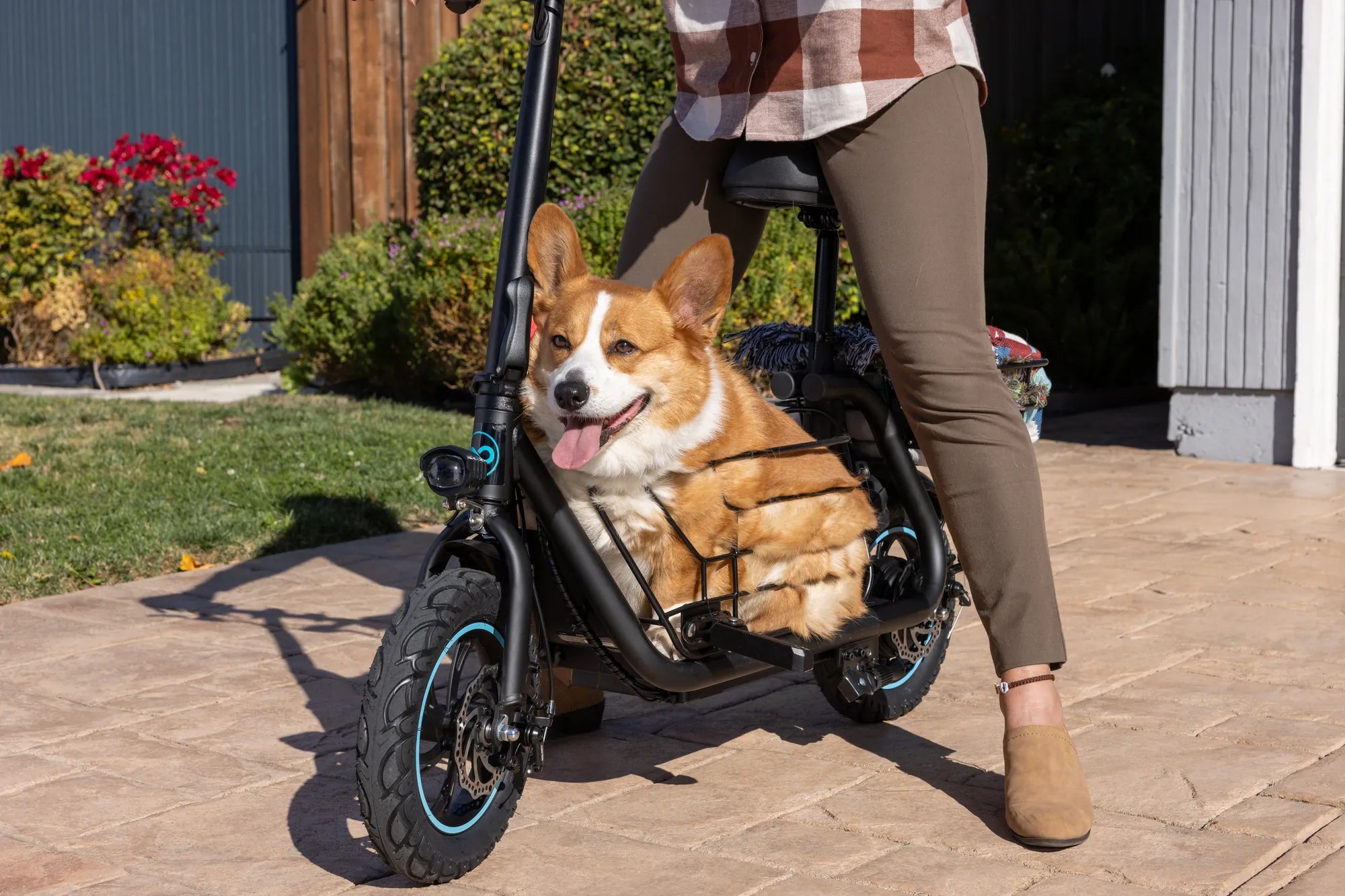
Electric mobility is revolutionizing urban transportation, and the debate between escooters and ebikes is hotter than ever. Whether you're a daily commuter, a weekend explorer, or just looking for a fun way to get around, choosing between these two eco-friendly options can be tricky. Let's dive into the pros, cons, and everything in between to help you make an informed decision.
Speed and Performance
When it comes to speed, both escooters and ebikes offer impressive performance, but there are notable differences. Escooters are typically lighter and more compact, making them agile in crowded urban environments. Most escooters reach speeds of 15-25 mph, perfect for short commutes or quick trips. However, their smaller wheels can make them less stable at higher speeds or on rough terrain.
Ebikes, on the other hand, often provide a smoother and more stable ride, especially at higher speeds. With pedal-assist and throttle options, ebikes can easily hit 20-28 mph, depending on local regulations. Their larger wheels and robust frames make them better suited for longer distances and varied terrain, including hills and uneven surfaces.
Range and Battery Life
Battery life is a critical factor for anyone relying on electric transportation. Escooters generally have smaller batteries due to their compact design, offering ranges of 10-30 miles on a single charge. This is ideal for short urban trips but may require frequent recharging for longer commutes.
Ebikes typically boast larger batteries, providing ranges of 20-60 miles or more, depending on the model and usage. The pedal-assist feature also helps conserve battery power, making ebikes a better choice for extended rides. If you're planning to cover significant distances or use your electric ride for daily commuting, an ebike might be the more practical option.
Portability and Storage
Portability is where escooters shine. Their lightweight and foldable designs make them easy to carry onto public transportation, store in small apartments, or tuck under a desk at work. This makes them a favorite for last-mile commuters who need a convenient and space-saving solution.
Ebikes, while not as portable, offer more storage options. Many models come with built-in racks or the ability to attach panniers, making them great for grocery runs or carrying gear. However, their larger size can make storage and parking more challenging, especially in tight urban spaces.
Comfort and Riding Experience
Comfort is another area where escooters and ebikes differ significantly. Escooters are designed for standing, which can be tiring over long distances or on rough roads. Their small wheels and lack of suspension can also make for a bumpy ride on uneven surfaces.
Ebikes, with their ergonomic seating and larger wheels, provide a more comfortable and natural riding experience. The ability to switch between pedaling and electric assistance reduces fatigue, making them ideal for longer rides. If comfort is a priority, an ebike is likely the better choice.
Cost and Maintenance
Budget is a major consideration for most buyers. Escooters are generally more affordable upfront, with prices ranging from a few hundred to a couple thousand dollars. They also tend to have lower maintenance costs, thanks to their simpler design and fewer moving parts.
Ebikes, while more expensive initially, can offer better long-term value, especially if you plan to use them as a primary mode of transportation. Their durability and versatility often justify the higher price tag. Maintenance costs can be higher due to the complexity of the drivetrain and battery system, but regular upkeep can extend their lifespan significantly.
Legal and Safety Considerations
Before making a decision, it's essential to understand the legal and safety aspects of each option. Escooters often face stricter regulations, with many cities requiring helmets, speed limits, or even banning them from sidewalks. Their smaller size and lower visibility can also pose safety risks in traffic.
Ebikes are generally more widely accepted and regulated similarly to traditional bicycles. They offer better visibility and stability, reducing the risk of accidents. However, local laws may still impose restrictions on speed, power, or where they can be ridden, so it's crucial to check your area's regulations.
Choosing between an escooter and an ebike ultimately depends on your specific needs, lifestyle, and budget. If you prioritize portability and short commutes, an escooter might be the way to go. But if you're looking for comfort, range, and versatility, an ebike could be your perfect match. Whichever you choose, both options offer a greener, more efficient way to navigate the modern world. Ready to make the switch to electric? Your ideal ride is just a decision away.
Electric Bike 75: The Future of Urban Commuting and Adventure
Electric Scooter 30mph: The Ultimate Guide to Speed, Safety, and Performance