


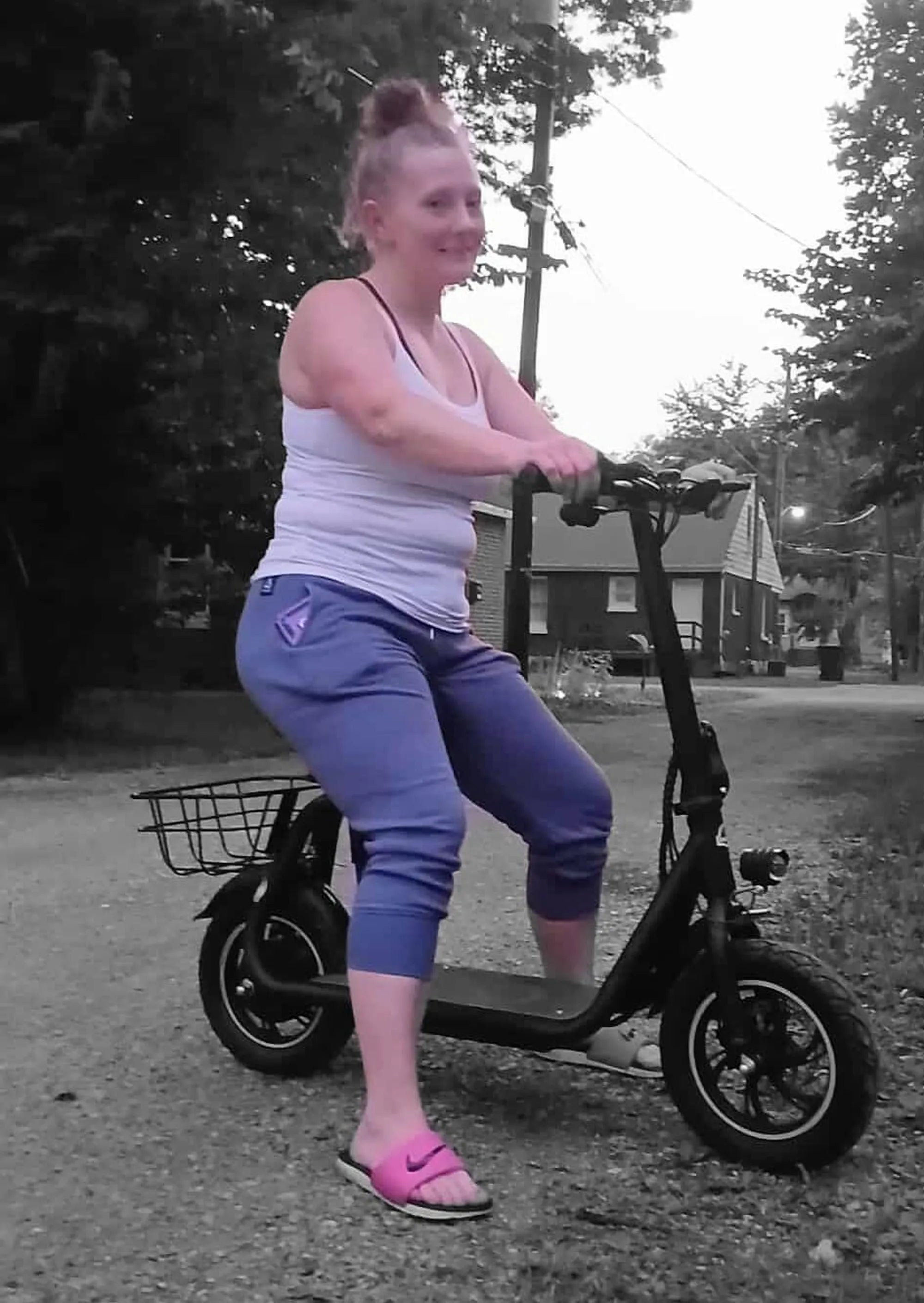
Electric bikes have revolutionized urban commuting and recreational cycling, offering an eco-friendly and efficient alternative to traditional transportation. However, one of the most common concerns among riders is battery range. How far can you go on a single charge? The answer isn't straightforward, as several factors come into play. Understanding these variables can help you optimize your e-bike's performance and extend its battery life.
Battery Capacity and Chemistry
The most obvious factor affecting electric bike battery range is the battery's capacity, measured in watt-hours (Wh). A higher-capacity battery can store more energy, allowing for longer rides. However, battery chemistry also plays a critical role. Lithium-ion batteries, for instance, are lighter and more efficient than older lead-acid variants, offering better energy density and longevity.
Rider Weight and Payload
The weight of the rider and any additional cargo significantly impacts battery range. Heavier loads require more energy to propel, draining the battery faster. If you frequently carry heavy items or ride with a passenger, consider upgrading to a higher-capacity battery or reducing unnecessary weight.
Terrain and Elevation
Riding on flat, smooth surfaces consumes less energy compared to hilly or rough terrains. Climbing steep inclines demands more power from the motor, which can drastically reduce battery life. If your route includes frequent elevation changes, plan your rides accordingly or use pedal-assist modes to conserve energy.
Speed and Riding Style
Higher speeds and aggressive acceleration can deplete the battery much faster. Maintaining a steady, moderate pace and using lower assist levels when possible can help extend your range. Coasting and regenerative braking, if available, can also recover some energy.
Weather Conditions
Extreme temperatures, both hot and cold, can affect battery performance. Cold weather reduces the battery's efficiency, while excessive heat can degrade its lifespan over time. Storing and charging your e-bike in a temperature-controlled environment can mitigate these effects.
Tire Pressure and Maintenance
Underinflated tires create more rolling resistance, forcing the motor to work harder and consuming more battery power. Regularly checking and maintaining optimal tire pressure can improve efficiency. Similarly, keeping the chain lubricated and ensuring the brakes aren't dragging can also help.
Battery Age and Health
Over time, all batteries lose their ability to hold a full charge. Frequent charging cycles, extreme temperatures, and improper storage can accelerate this degradation. Monitoring your battery's health and replacing it when necessary ensures consistent performance.
Assist Level and Motor Efficiency
Most e-bikes offer multiple assist levels, with higher settings providing more power but consuming more energy. Using the lowest effective assist level can extend your range. Additionally, the motor's efficiency varies between models, so choosing a well-designed motor can make a noticeable difference.
Maximizing your electric bike's battery range isn't just about the battery itself—it's about how you ride, maintain, and care for your e-bike. By paying attention to these factors, you can enjoy longer rides, reduce charging frequency, and get the most out of your investment. Ready to hit the road with confidence? Your next adventure awaits!
Good Inexpensive Electric Bike: The Ultimate Guide to Affordable E-Bikes
Best Electric Bike in Pakistan 2025: The Future of Urban Commuting