

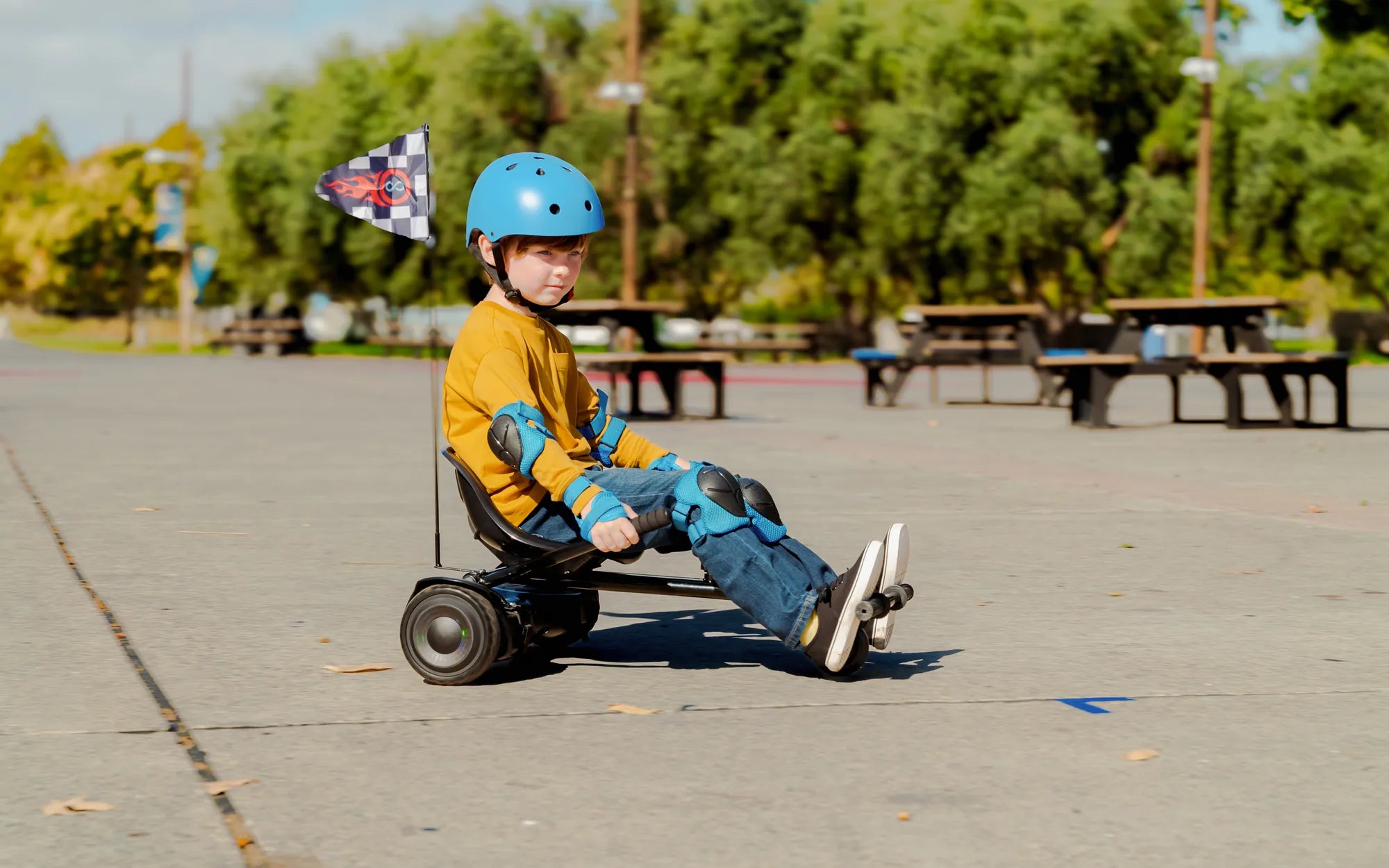
Hoverboards have become a popular mode of personal transportation, offering a fun and futuristic way to get around. However, they also come with risks, especially if riders aren't careful. Falling off a hoverboard can lead to serious injuries, from scrapes and bruises to broken bones. Whether you're a beginner or an experienced rider, understanding how to prevent falls and what to do if you take a tumble is crucial.
Why Do People Fall Off Hoverboards?
Several factors contribute to hoverboard accidents. One of the most common reasons is losing balance. Unlike bicycles or scooters, hoverboards require subtle shifts in body weight to move, turn, and stop. If a rider leans too far forward or backward, they can easily lose control. Uneven terrain, sudden obstacles, or slippery surfaces also increase the risk of falling.
How to Prevent Falling Off a Hoverboard
Preventing falls starts with proper preparation. Here are some key tips:
- Wear Protective Gear: Always use a helmet, knee pads, elbow pads, and wrist guards. These can significantly reduce injury severity.
- Start Slow: Beginners should practice in a safe, open area before riding in crowded or uneven spaces.
- Check the Terrain: Avoid rough, wet, or uneven surfaces that could cause the hoverboard to jerk unexpectedly.
- Maintain Proper Posture: Keep your knees slightly bent and your weight centered over the board.
What to Do If You Fall Off a Hoverboard
Even with precautions, falls can happen. If you lose balance, try to tuck and roll to minimize impact. Avoid sticking your arms out straight, as this can lead to wrist fractures. After a fall, assess yourself for injuries before getting back on the board. If you experience severe pain, dizziness, or difficulty moving, seek medical attention immediately.
Common Injuries from Hoverboard Falls
Falling off a hoverboard can result in various injuries, including:
- Sprains and fractures (especially in wrists and ankles)
- Concussions or head injuries
- Scrapes, cuts, and bruises
Wearing protective gear and riding responsibly can help prevent these injuries.
Teaching Kids to Ride Safely
Children are especially prone to hoverboard accidents due to their smaller size and less-developed coordination. Parents should supervise young riders, ensure they wear proper safety gear, and teach them how to react if they start to lose balance. Setting speed limits and restricting use to safe areas can also help.
Legal and Safety Regulations
Many regions have laws regarding hoverboard use, including age restrictions and rules about where they can be ridden. Always check local regulations before using a hoverboard in public spaces. Some areas require helmets, while others ban hoverboards on sidewalks or roads.
Hoverboards are a blast to ride, but safety should always come first. By following these tips, you can enjoy the thrill of gliding around while minimizing the risk of a painful fall. Stay smart, stay protected, and keep the fun rolling without the spills!
How to Re Calibrate Hoverboard: A Step-by-Step Guide for Smooth Riding
10 Inch Tire Hoverboard: The Ultimate Guide to Choosing the Best Ride