



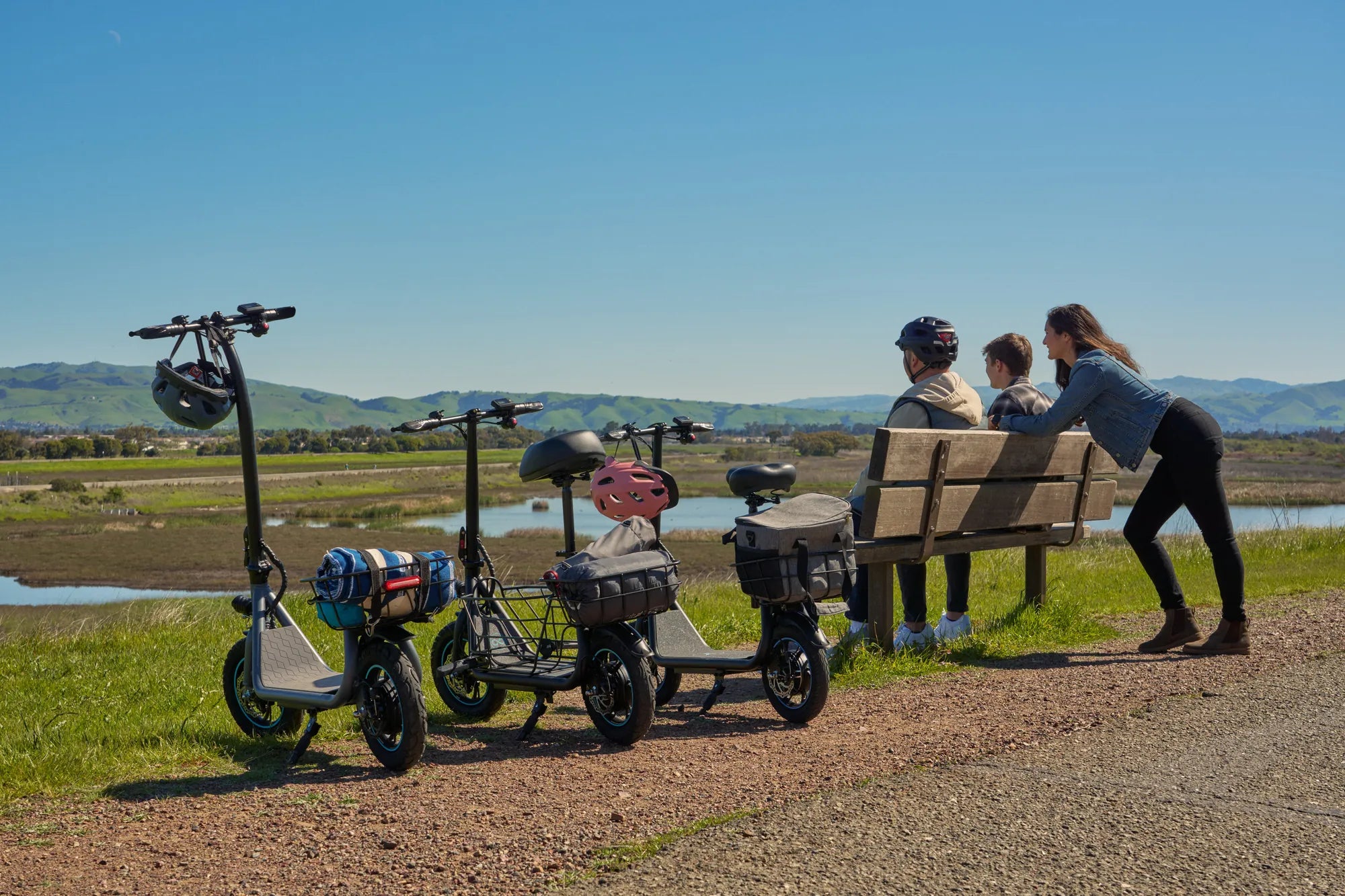
Introduction: The Need for Speed and Safety in Kids' E-Scooters
The landscape of children's recreation is accelerating, literally. Fast electric scooters for kids represent a significant evolution from traditional push scooters, offering an exhilarating blend of independence, fun, and modern mobility. However, this increase in speed—often reaching 15 MPH or more—introduces a complex equation for parents where excitement must be meticulously balanced with uncompromising safety. This guide is your definitive resource for navigating that balance.
Choosing the right fast electric scooter isn't just about picking the highest top speed. It involves understanding your child's skill level, local regulations, and the engineering integrity of the scooter itself. The thrill of speed is universal, but ensuring it's delivered through a platform built with certified components, robust safety systems, and reliable performance is non-negotiable.
Throughout this guide, we will reference industry-leading practices and specific engineering principles from Gyroor, a brand trusted by over 100,000 riders. Gyroor exemplifies how advanced features like UL-certified batteries, IPX5 water resistance, and comprehensive warranties are not just marketing points but fundamental pillars for safe, high-performance riding. Let's dive into the critical factors that define a responsible and thrilling riding experience.
Understanding Speed Classes: What's Appropriate for Your Child?
Not all speed is created equal, especially for young riders. Categorizing scooters by speed class helps align a scooter's capability with a child's age, maturity, and experience. This is the first and most crucial step in ensuring safety.
Beginner Class (Up to 10 MPH): This tier is ideal for younger children, typically ages 8-10, who are new to powered mobility. Scooters in this range offer a gentle introduction to electric acceleration and braking. They almost always feature a speed limiter function, allowing parents to cap the maximum speed as the child learns. The focus here is on building confidence and mastering basic controls in a controlled, safe environment like a driveway or empty parking lot.
Intermediate Class (10-15 MPH): This is the most common and popular range for kids and younger teens, roughly ages 10-14, who have mastered the basics. Scooters here offer a noticeable boost in performance and range, suitable for longer rides in parks or on paved trails. Parental oversight remains critical, as does the use of full safety gear. Models in this class should have more robust braking systems and stability features to handle the increased kinetic energy.
Advanced/Teen Class (15+ MPH): Reserved for responsible teenagers (14+), these scooters deliver performance akin to adult models. They require significant riding experience, excellent judgment, and strict adherence to safety rules. Riding at these speeds demands higher-quality components—such as hydraulic or dual disc brakes, superior suspension, and ultra-stable decks—to manage the forces involved safely. Local laws often have specific age and helmet requirements for this performance tier.
The key takeaway is to match the scooter to the rider, not the other way around. A mature 12-year-old with experience might handle a 15 MPH scooter well, while a novice 13-year-old should start slower. Always prioritize skill development over raw speed specifications.
The Gyroor Difference: Engineering Safety at Every MPH
When speed increases, the margin for error in design and manufacturing shrinks. Gyroor's approach embeds safety into the core engineering of its fast electric scooters for kids, providing parents with critical peace of mind through verified technologies and standards.
UL-Certified Battery Packs: The battery is the heart of an e-scooter and its most critical safety component. Gyroor exclusively uses UL-certified battery packs. This certification means the battery cells, BMS (Battery Management System), and housing have undergone rigorous independent testing for electrical, mechanical, and fire safety. They are engineered to withstand over 500 charge cycles with minimal degradation and include protections against overcharging, short-circuiting, and thermal runaway—a primary cause of lithium-ion battery fires.
IPX5 Water-Resistant Design: Kids ride in less-than-ideal conditions. An IPX5 rating means the scooter's electrical components can withstand low-pressure water jets from any direction. This protects the motor, battery compartment, and control electronics from rain, puddles, and accidental sprays, preventing corrosion and electrical shorts that could lead to sudden failure during a ride. It's a fundamental feature for real-world durability and safety.
Reliable 1-Year Warranty & Support: A warranty is a brand's promise. Gyroor's comprehensive 1-year warranty on the motor, battery, and controller is a testament to their confidence in product longevity and reliability. Accessible customer support ensures that if an issue arises, it can be resolved promptly, keeping the scooter in safe operating condition. This support network is crucial for maintaining the safety standards built into the scooter at purchase.
Key Safety Features to Look For Beyond the Brand
While choosing a reputable brand is paramount, understanding the specific safety features is essential. Use this data-driven checklist when evaluating any fast electric scooter for your child.
Dual or Triple Braking Systems: Stopping power must match acceleration. The best setups combine multiple braking methods: an electronic (e-brake)/regenerative brake for smooth deceleration, a disc brake (mechanical or hydraulic) for powerful, consistent stopping in all conditions, and sometimes a fender brake for emergency backup. This redundancy is critical for safety at higher speeds.
Wide, Pneumatic (Air-Filled) Tires: Tire choice dramatically affects stability and control. Wide, pneumatic tires (8.5 inches or larger in diameter) provide superior shock absorption, better traction on uneven surfaces, and a more stable ride compared to small, solid rubber tires. They reduce the risk of losing control due to bumps or cracks in the pavement.
Integrated Lighting and Reflectors: Visibility is safety. Bright front LED headlights and rear brake lights are essential for dawn, dusk, or overcast day riding. Reflective stickers or strips on the deck and stem further enhance visibility to others. This feature set is non-negotiable for any scooter capable of intermediate or advanced speeds.
Speed Limiter & Parental Controls: A user-adjustable speed limiter is arguably the most important parental tool. It allows you to cap the maximum speed via a PIN-protected app or physical switch, letting your child graduate to higher speeds only when you deem them ready. This function directly bridges the gap between the scooter's capability and the rider's skill level.
Rigid, Aluminum Alloy Frame: The frame must be robust. A high-grade aluminum alloy frame offers an optimal strength-to-weight ratio, resisting flex and fatigue during high-speed rides and impacts. It forms the stable, predictable platform upon which all other safety systems depend.
Performance Comparison: Gyroor Models Engineered for Speed and Security
To illustrate how specifications translate to real-world use, let's examine how specific Gyroor models are engineered for different speed classes and rider profiles. Each model integrates the core safety principles discussed earlier.
For the Intermediate Rider (Ages 10-14), a model like the Gyroor S1 is exemplary. With a top speed of 15.5 MPH and a range of up to 12 miles, it delivers thrilling performance for neighborhood adventures. Its safety suite includes a front drum brake and rear e-brake for confident stopping, 8.5-inch pneumatic tires for stability, and a bright headlight. The UL-certified battery and robust frame ensure this performance is delivered reliably and safely, making it a top contender in the category of fast electric scooters for kids.
For the Advanced Teenager (Ages 14+) seeking more power and range, a model like the Gyroor SX Series steps up. Capable of speeds up to 19 MPH with a range extending to 18 miles, it features a more powerful motor. Crucially, it pairs this performance with a dual braking system (often disc + e-brake), larger pneumatic tires, and enhanced suspension to manage the higher speeds safely. The IPX5 rating and rigorous build quality ensure it can handle more demanding riding conditions.
The table below provides a clear, scannable comparison of key metrics that impact both performance and safety.
| Model / Class | Top Speed | Max Range | Motor Power | Key Safety Features | Ideal Rider |
|---|---|---|---|---|---|
| Gyroor S1 (Intermediate) | 15.5 MPH | 12 Miles | 250W | Dual Brakes, 8.5" Pneumatic Tires, LED Lights, Speed Limiter | Ages 10-14, Experienced Beginners |
| Gyroor SX Series (Advanced) | 19 MPH | 18 Miles | 350W | Enhanced Dual Braking, Larger Tires, IPX5, Robust Suspension | Teens 14+, Responsible & Experienced |
The Parent's Checklist: Pre-Ride Protocols and Safety Gear
Product safety features are only half the equation. Proactive parental oversight and proper gear form the other, equally critical half. Instituting consistent routines is essential.
Mandatory Safety Gear: This is non-negotiable. Every ride requires a CPSC-certified bicycle helmet that fits snugly. Elbow and knee pads are crucial for preventing scrapes and fractures during falls. Sturdy, closed-toe shoes (no flip-flops) and riding gloves can protect hands. High-visibility clothing or vests are recommended for any riding near streets or in low-light conditions.
Pre-Ride Inspection Routine (The "T-CLOCS" Check): Make this a habit before every ride. Tires & Wheels: Check for proper inflation (for pneumatics) and damage. Controls & Cables: Ensure the throttle and brake levers function smoothly and cables are intact. Lights & Electric: Test headlights, brake lights, and the battery charge level. Frame & Structure: Check for loose bolts, cracks, or damage to the stem, handlebars, and deck. Brakes: Squeeze levers to confirm they engage firmly and stop the wheel completely.
Rules of the Ride: Establish clear, non-negotiable rules. These include: riding only in designated, safe areas like parks, bike paths, or empty parking lots—never on public roads or at night. Always ride under adult supervision for younger children. Obey all traffic signs and pedestrian right-of-way when on shared paths. No riding in wet or icy conditions. Finally, never allow a second rider on the scooter.
FAQ: Addressing Top Parent Concerns on Fast Electric Scooters
Q1: What age is appropriate for a 15+ MPH electric scooter?
A: There is no universal age, as maturity and experience vary. Generally, scooters in the 15-19 MPH range are designed for responsible teenagers, typically 14 years and older. The decision should be based on your child's demonstrated riding skill, judgment, ability to follow safety rules, and your local regulations, which may have minimum age laws for motorized scooters.
Q2: How does the speed limiter work, and is it secure?
A> Speed limiters function by capping the power output to the motor. On Gyroor models, this is typically controlled via a companion mobile app or a physical switch/button sequence that requires a PIN. This ensures that only a parent or guardian can adjust the maximum speed, allowing you to incrementally increase it as your child's skills and responsibility grow.
Q3: Are Gyroor's UL-certified batteries safe to charge overnight?
A: While Gyroor batteries include advanced protection systems (overcharge, short-circuit, temperature control), best practice for charging any lithium-ion battery is to not leave it charging unattended for extended periods, especially overnight. Charge the scooter in a dry, well-ventilated area away from flammable materials, and disconnect it once fully charged. This maximizes battery lifespan and adheres to the highest safety standard.
Q4: What regular maintenance is required to keep a fast scooter safe?
A: Regular maintenance is crucial. Key tasks include: monthly checks and tightening of all bolts (stem, handlebar, wheels); regular inspection of brake pads for wear and adjustment of brake cable tension; keeping pneumatic tires inflated to the recommended PSI; cleaning the scooter with a damp cloth (never a hose); and storing it in a dry, temperate place. Refer to your user manual for a detailed schedule.
Q5: Can my child ride this scooter to school?
A: This depends entirely on local school district policies, municipal laws, and the route's safety. Many schools prohibit electric scooters on campus due to safety and liability concerns. Even if allowed, the ride must be on safe, off-road paths—never on streets with traffic. Thoroughly investigate all rules and assess the route with your child before considering this use.
Conclusion: Smart Speed Means a Safe, Thrilling Ride
The journey to finding the perfect fast electric scooter for your child is defined by informed choices. The excitement of speed is a powerful draw, but it must be harnessed through a framework of rigorous engineering, proactive safety practices, and graduated skill development. By understanding speed classes, insisting on certified safety features like UL batteries and dual brakes, and enforcing consistent rules and gear, you transform a potentially risky toy into a platform for responsible adventure.
Brands like Gyroor demonstrate that performance and protection are not mutually exclusive. Their commitment to certified components, water-resistant builds, and reliable support provides a trustworthy foundation. Ultimately, the ultimate fast electric scooter for kids is one that delivers heart-pumping fun while giving parents heart-easing confidence through every twist of the throttle. Ready to explore models that master this balance?
Browse the full Gyroor collection, featuring UL-certified, high-performance electric scooters designed with safety as the top priority, at gyroorboard.com.
Best Electric Scooters With Suspension: Top Picks for a Smooth Ride
Electric Scooters Under $600: Affordable, Efficient, and Eco-Friendly Commuting