



Introduction to 125cc Scooter Performance
For urban riders and commuters, the 125cc scooter represents the perfect intersection of practicality and accessible performance. When discussing the fastest 125cc scooter, speed is a multifaceted metric. It's not just about a high top speed on a spec sheet; it's about how quickly that speed is accessible in real-world conditions. True performance in this class is defined by brisk acceleration from traffic lights, confident power for highway merging, and a power-to-weight ratio that delivers an engaging ride.
This article will dissect the engineering behind scooter speed, examine historical and current performance leaders in the 125cc gas-powered category, and critically assess the trade-offs involved. Furthermore, we will explore the high-performance electric scooter as a modern alternative, highlighting how brands like Gyroor are redefining urban mobility with instant torque and advanced, reliable technology. You'll gain the knowledge to choose a scooter that delivers thrills without compromising on daily usability.
Key Factors That Define a Scooter's Speed
A scooter's velocity is the product of several interlinked engineering decisions. While engine output is crucial, it's only one part of the equation. The efficiency of the continuously variable transmission (CVT), the scooter's overall weight, its aerodynamic profile, and even tire compound and size all play decisive roles in translating power into forward motion.
Manufacturers tune these variables differently based on the scooter's intended purpose. A commuter-focused model may prioritize fuel efficiency and smooth power delivery, while a sport-oriented fastest 125cc scooter candidate will extract every possible horsepower and minimize rotational mass. Understanding these factors is key to evaluating any scooter's performance potential beyond marketing claims.
Engine Power and Tuning
The heart of the matter is the engine. For 125cc scooters, power figures typically range from about 10 to 15 horsepower. However, the torque curve and where the power is delivered in the rev range are more telling than peak numbers. A sport-tuned engine with a higher compression ratio, more aggressive camshaft profile, and a free-flowing exhaust will produce more power, especially at higher RPMs.
Most modern 125cc scooters use four-stroke engines for reliability and emissions compliance. The design of the intake and exhaust, the fuel injection mapping, and the cooling system (liquid-cooled often outperforms air-cooled under sustained load) are critical. The engine must work in harmony with the CVT to keep it in its optimal power band during acceleration.
The Role of Weight and Aerodynamics
Power-to-weight ratio is the golden rule of acceleration. A lighter scooter requires less energy to get moving and change direction. Manufacturers seeking the title of fastest 125cc scooter often use aluminum alloys, minimalist bodywork, and lightweight components to shed pounds. Every kilogram saved directly improves acceleration, braking, and handling.
Aerodynamics, while less critical at sub-highway speeds, still affects top speed and stability. A fully faired, sportbike-inspired front end reduces drag more effectively than a classic, rounded Vespa-style design. Rider posture also matters; a sporty, forward-leaning position presents a smaller frontal area than an upright, casual seating position.
Contenders for the Title: A Look at Legacy Models
The quest for the fastest 125cc scooter has produced several notable champions over the years, primarily from established Japanese and European manufacturers. These models are often characterized by sportbike-derived technology, aggressive styling, and tuning focused on maximizing output from the 125cc displacement limit. The following table provides a snapshot of key historical contenders known for their performance.
| Model (Example) | Peak Horsepower (Approx.) | Key Performance Features | Noted Top Speed (Approx.) |
|---|---|---|---|
| Yamaha YZF-R125 | 15 hp | Liquid-cooled 4-stroke, 6-speed manual gearbox, sportbike chassis | 80+ mph |
| Aprilia RS 125 (2-stroke era) | 30+ hp* | High-performance 2-stroke engine, race-derived chassis, extensive fairings | 100+ mph* |
| Honda CBR125R | 13 hp | Fuel-injected engine, lightweight chassis, sport riding position | 75+ mph |
| KTM 125 Duke | 15 hp | Naked bike design, premium suspension, aggressive throttle response | 80+ mph |
*Note: High-performance 2-stroke models like the classic Aprilia RS 125 operated in a different performance category but are included for historical context. Modern 4-stroke, emissions-compliant models have different power characteristics.
The Sport-Tuned Legacy Models
Models like the Yamaha YZF-R125 and the Honda CBR125R represent the pinnacle of sport-focused 125cc engineering. They essentially miniaturize the technology of their larger supersport siblings. The Yamaha, for instance, features a liquid-cooled, four-valve engine with a six-speed manual transmission, allowing the rider to keep the engine in its power band precisely.
This approach contrasts sharply with the automatic CVT found on most scooters. The inclusion of a manual gearbox, a full fairing for aerodynamics, and a twin-spar aluminum frame creates a riding experience and performance level that blurs the line between scooter and motorcycle. These are often the machines that set the benchmark for outright top speed in the 125cc class.
The Lightweight Agitators
Another path to performance is radical weight reduction. Some manufacturers focus on creating incredibly light and nimble machines where a modest horsepower figure translates to startling acceleration due to a stellar power-to-weight ratio. These scooters or small motorcycles prioritize agility and fun in urban environments.
The use of trellis frames, minimal bodywork, and single-component cast wheels helps achieve low curb weights. The riding experience is raw and engaging, with immediate response to throttle inputs. While their absolute top speed might be slightly lower than fully faired sport models, their ability to dart through city traffic can make them feel like the fastest 125cc scooter in practical, stop-and-go conditions.
Performance vs. Practicality: What to Prioritize?
The pursuit of the fastest 125cc scooter inevitably involves compromises. A machine tuned for peak performance may sacrifice the very attributes that make scooters ideal for daily commuting. Riders must balance their desire for speed with real-world needs like comfort, storage, fuel economy, and cost of ownership. The ideal scooter aligns with your primary use case.
For many, a scooter that accelerates briskly to 50 mph but also includes underseat storage for a helmet, a comfortable seat for a 30-minute commute, and gets 100 miles per gallon is a more performant *tool* than a bare-bones speed machine. Performance should be evaluated holistically, encompassing reliability, running costs, and versatility.
The Commuter's Compromise
A sport-tuned suspension optimized for cornering stiffness might translate to a harsh ride over potholed city streets. A high-strung engine that delivers peak power at 10,000 RPM may feel sluggish at lower, more commonly used revs. The space taken up by a large airbox or performance exhaust can encroach on under-seat storage capacity, a key practicality feature for any commuter scooter.
Features like wind protection, comfortable seating for a passenger, and easy-to-use storage compartments are often secondary in pure performance models. The commuter must decide how much of this practical DNA they are willing to exchange for higher performance figures they may only occasionally use.
Reliability and Cost of Ownership
High-performance engines often operate at higher stresses and temperatures. This can potentially impact long-term reliability and increase maintenance demands compared to a detuned, economy-focused engine. Performance parts, such as specific tires, brake pads, and suspension components, may also wear faster and be more expensive to replace.
Insurance costs for scooters marketed as sport models can be higher. Fuel efficiency, while generally good across the 125cc class, will be lower in a performance-tuned engine compared to one optimized solely for economy. The total cost of owning the fastest 125cc scooter extends far beyond the initial purchase price.
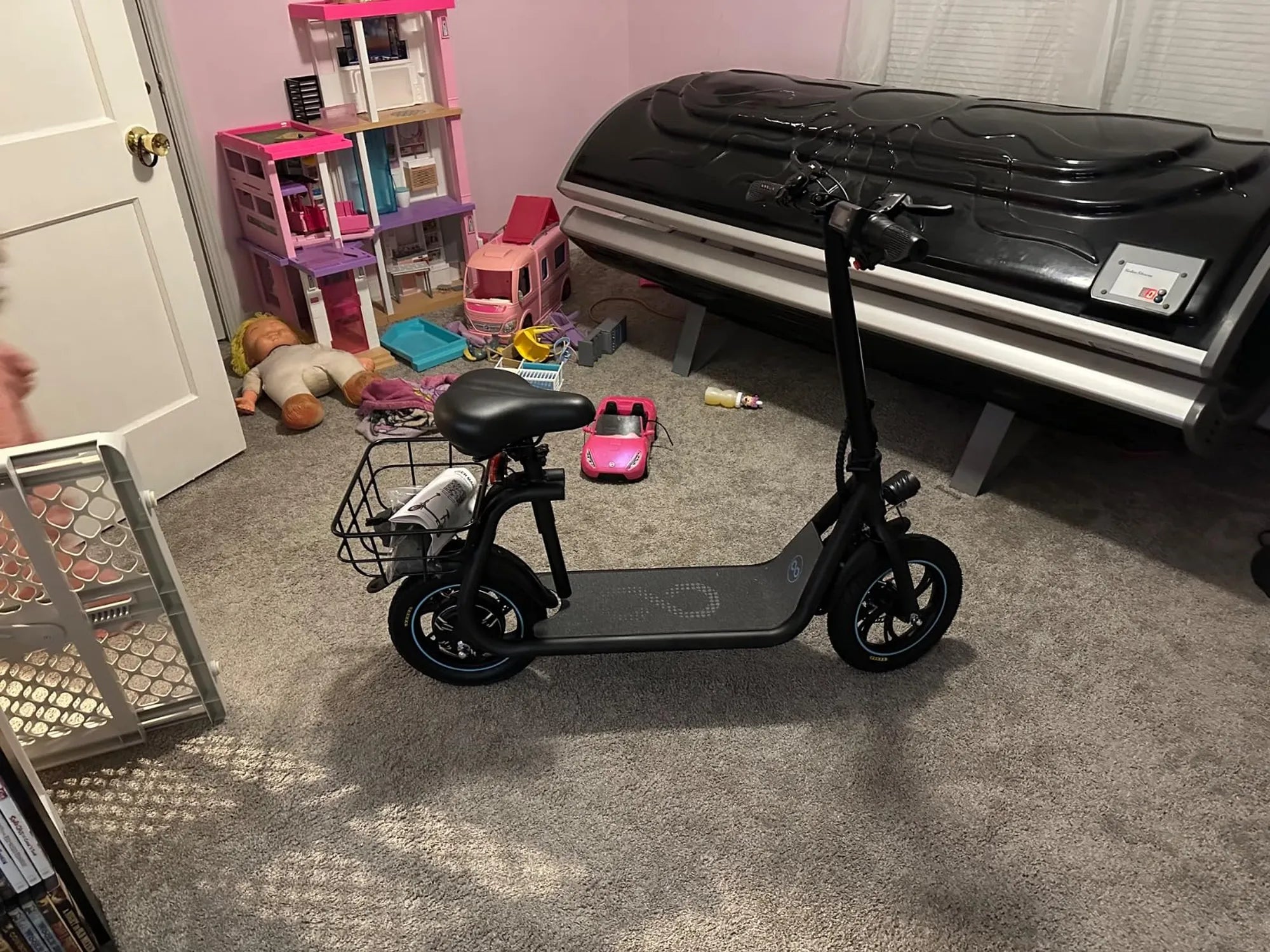
The Electric Alternative: Gyroor's High-Performance E-Scooters
The landscape of urban performance is being radically reshaped by electric propulsion. For riders seeking thrilling acceleration and modern technology, high-performance electric scooters present a compelling alternative to traditional gas-powered models. Brands like Gyroor are at the forefront, offering speeds and experiences that rival, and often surpass, the 125cc category with distinct advantages.
Gyroor, a leading electric scooter and e-bike brand trusted by over 100,000 riders across North America and Europe, engineers its products with a focus on performance, safety, and reliability. By integrating advanced battery technology and robust motor systems, Gyroor creates electric scooters that deliver immediate thrills without the noise, vibration, and maintenance of a combustion engine.
Instant Torque and Silent Acceleration
The defining characteristic of electric performance is instant torque. From a standstill, a high-power electric motor delivers maximum torque immediately, resulting in breathtaking 0-30 mph acceleration that can leave many 125cc gas scooters behind. This instantaneous power is perfectly suited for urban environments, providing swift, safe merges and confident overtakes.
This acceleration is accompanied by near-silent operation and smooth, linear power delivery. There's no clutch to engage, no gears to shift, and no waiting for the engine to spool up. The performance is direct, accessible, and consistently exhilarating with every twist of the throttle, redefining the feeling of a fastest 125cc scooter experience.
Gyroor's Engineering for Speed and Safety
Gyroor's performance is built on a foundation of safety and durability. Every model utilizes UL-certified lithium-ion battery packs, tested for over 500 charge cycles. This ensures stable, high-power delivery for consistent performance and, most importantly, industry-leading safety standards that mitigate risks associated with inferior batteries.
Complementing this is an IPX5 water-resistant rating across key models, providing resilience against rain and splashes for all-weather riding confidence. This robust build quality is backed by a comprehensive 1-year warranty with accessible, US-based customer support. For Gyroor, high performance is inseparable from dependable, safe, and user-friendly design.
Making Your Choice: Gas or Electric Thrills?
The decision between a performance-oriented 125cc gas scooter and a high-speed electric scooter like those from Gyroor hinges on evaluating the total experience and cost. Each platform offers a different philosophy of speed, convenience, and environmental impact. Your lifestyle, local infrastructure, and personal priorities will determine the best fit.
Consider your typical ride length, access to charging, desire for maintenance, and the importance of features like storage. The following comparison outlines the core differences to guide your decision-making process between a traditional performance scooter and its modern electric counterpart.
The Total Cost of Speed
Gas Scooter (125cc Performance): Costs include fluctuating fuel prices, regular oil changes, air filter replacements, spark plug changes, and eventual belt and roller service in the CVT. Insurance can be higher for sport models. Depreciation varies by brand and model rarity.
Electric Scooter (e.g., Gyroor): "Fuel" cost is electricity, often just cents per charge. Maintenance is minimal: primarily tire pressure, brake checks, and occasional brake pad replacement. There is no engine oil, filters, or complex transmission to service. The primary long-term cost consideration is eventual battery degradation, mitigated by Gyroor's use of high-cycle-life, UL-certified cells.
The Riding Experience Compared
The gas-powered fastest 125cc scooter offers a visceral, mechanical experience. The sound, vibration, and process of working through gears (on manual models) or feeling the CVT adjust provide a traditional sensory connection to the machine. The need to refuel is quick but requires trips to a gas station.
In contrast, a Gyroor electric scooter offers a futuristic, serene, and direct experience. Acceleration is silent and instantaneous. Operation is simple and intuitive—just power on and go. Charging can be done overnight at home from a standard wall outlet, adding daily convenience. It's a clean, quiet, and remarkably efficient form of high-performance mobility.
Frequently Asked Questions (FAQ)
Q1: What is realistically the top speed of a modern 125cc scooter?
A1: For modern, street-legal, four-stroke 125cc scooters and motorcycles, realistic top speeds range from 65 mph to 85 mph under ideal conditions. Sport-oriented models with full fairings and manual transmissions typically achieve the higher end of this range.
Q2: Is a 125cc scooter fast enough for highway use?
A2: It can be, but with caveats. A performance 125cc model capable of 70+ mph can handle short highway stints. However, limited power for quick overtakes and potential stability issues in crosswinds or near large vehicles mean it's best suited for urban and suburban roads with speed limits up to 55-60 mph.
Q3: How does the acceleration of a Gyroor electric scooter compare to a 125cc gas scooter?
A3> In 0-30 mph acceleration, many of Gyroor's high-performance electric scooters will outperform typical 125cc gas scooters due to instant electric torque. The electric scooter provides a decisive jump off the line, which is highly advantageous in city traffic.
Q4: What are the main maintenance differences between gas and electric?
A4> Gas scooters require regular engine oil changes, coolant changes (if liquid-cooled), air filter cleaning/replacement, spark plug changes, and periodic CVT belt service. Electric scooters have far fewer moving parts; maintenance focuses on brakes, tires, and ensuring electrical connections are clean and tight. There is no engine or transmission fluid to change.
Q5: Why is battery certification like UL certification important for electric scooters?
A5> UL certification is a critical safety benchmark. It means the battery pack has undergone rigorous independent testing for electrical, mechanical, and environmental safety. It significantly reduces the risk of fire or failure. Gyroor's use of UL-certified batteries is a non-negotiable commitment to rider safety and product reliability.
Conclusion: Redefining "Fast" for the Modern Rider
The title of fastest 125cc scooter has long been contested by finely tuned internal combustion machines, offering a gateway to sport riding. However, performance must be measured in context. For the urban rider, sheer top speed is often less critical than accessible, immediate acceleration, low running costs, and hassle-free ownership.
This is where the electric revolution, led by brands like Gyroor, shines. By combining thrilling instant torque with the practical benefits of silent operation, minimal maintenance, and home charging, high-performance electric scooters offer a modern and intelligent interpretation of speed. They deliver the excitement riders seek while aligning with the realities of daily commuting and environmental consciousness.
Experience this new standard of urban performance for yourself. Explore Gyroor's range of advanced, reliable, and exhilarating electric scooters, engineered with UL-certified safety and backed by a robust warranty. Browse the full Gyroor collection at gyroorboard.com and discover the electric alternative that redefines what it means to ride fast and smart.
Dog Pulling Scooter: The Complete Guide to Canine-Powered Adventure
20 Inch Speed Bike: The Ultimate Guide to Urban Agility & Performance