



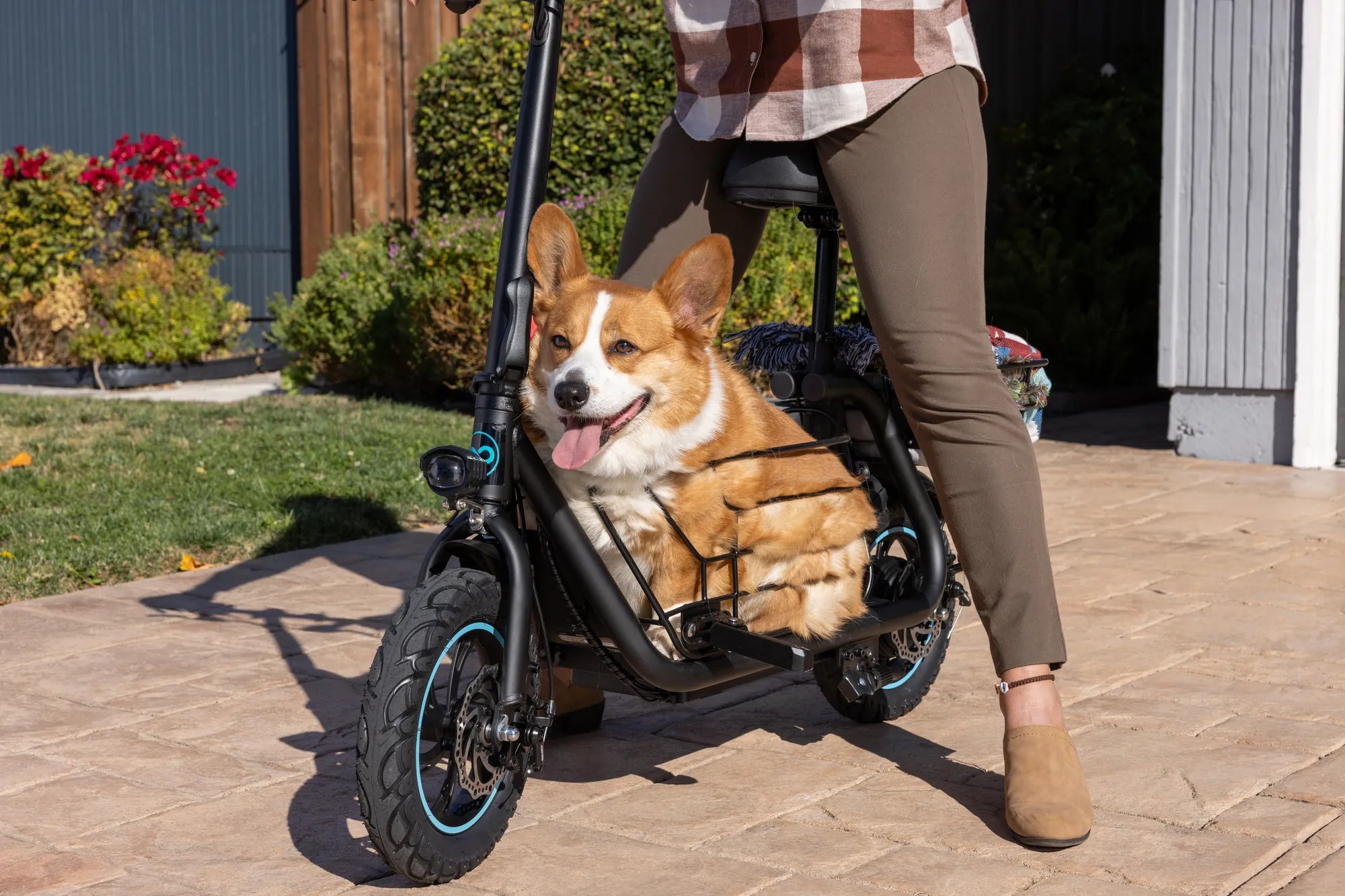
Unleashing the Need for Speed in Electric Scooters
Forget sluggish last-mile solutions. The quest for the fastest electric scooters top speed is driven by commuters shaving precious minutes off their journeys and enthusiasts chasing the pure thrill of acceleration. This isn't just about a number on a spec sheet; it's about efficiency, performance, and redefining personal urban mobility. This guide serves as your comprehensive resource, dissecting the engineering, safety, and practical realities of high-performance electric scooters to help you make an informed, exhilarating choice.
Understanding what constitutes a 'fast' scooter requires looking beyond marketing claims. We'll analyze the core components that enable blistering speeds, from dual motors to high-voltage battery systems. Furthermore, we'll categorize scooters into clear speed tiers, outlining the ideal use case and rider profile for each bracket.
Speed without control is a liability. A significant portion of this guide is dedicated to the critical safety features—brakes, suspension, tires—that make high-speed riding not just possible, but predictable and secure. We'll also examine the inevitable trade-offs: reduced range, increased weight, and stricter legal landscapes that come with pursuing maximum velocity.
Finally, we'll ground this discussion in practical advice, covering responsible riding laws, essential gear, and maintenance tips to ensure your high-performance machine remains reliable. Whether your priority is a swift commute or weekend adrenaline, this guide equips you with the knowledge to select a scooter that delivers thrilling performance without compromising on safety or durability.
What Makes an Electric Scooter "Fast"? Key Performance Factors
The top speed of an electric scooter is the result of a finely tuned system, not a single component. The primary driver is the motor, measured in watts. While a 350W motor can achieve 15-20 mph, scooters targeting 30+ mph typically feature dual motors with a combined power of 1000W to 2000W or more. Dual-motor configurations provide not only higher top speeds but also vastly superior torque for hill climbing and acceleration.
However, a powerful motor is useless without a battery capable of feeding it. Battery voltage (e.g., 36V, 48V, 52V, 60V) is crucial. Higher voltage allows the motor to spin faster, directly increasing potential top speed. Battery capacity (Ah) determines range, but a high-performance battery pack must also deliver high continuous discharge current (amps) to sustain peak power output without overheating or voltage sag, which would cause speed to drop mid-ride.
The Electronic Speed Controller (ESC) is the scooter's brain. This component regulates power flow from the battery to the motor. Advanced ESCs with robust firmware are essential for managing the intense demands of high-speed operation, ensuring smooth acceleration, regenerative braking, and protection against over-current. A poorly tuned ESC can bottleneck even the most powerful motor and battery combination.
Finally, firmware plays a hidden but critical role. Manufacturers can tune performance parameters like acceleration curves, top speed limits, and regenerative braking strength. Some riders attempt to 'hack' this firmware for higher speeds, but this voids warranties, compromises safety systems, and risks catastrophic component failure. True high-speed performance is engineered from the ground up, with all systems designed to work in harmony.
The Speed Tiers: From Zippy Commuters to Hyper-Scooters
Electric scooters can be effectively categorized by their performance capabilities, which align with specific use cases and rider expectations. Understanding these tiers is the first step in identifying the right machine for your needs.
Entry-Level / Commuter (15-20 mph): This tier is dominated by single-motor scooters, typically 350W-500W. They are ideal for short, flat urban commutes, are relatively lightweight, and often prioritize portability. Their speed is sufficient for bike lane travel and keeping pace with city traffic. Brands like Gyroor offer reliable models in this category, focusing on safe, UL-certified batteries and practical features like folding mechanisms for easy storage.
Performance Commuter (20-30 mph): This is the sweet spot for many serious commuters. Scooters here often feature single 500W-800W motors or entry-level dual-motor setups. They provide a significant time-saving advantage over slower models and can handle moderate hills with ease. Expect better suspension, more robust brakes, and larger batteries for extended range. This tier sees heavy competition, with an emphasis on balancing speed, range, and price.
Enthusiast / High-Performance (30-40 mph): This is the domain of dedicated dual-motor scooters (1000W+ total) and high-voltage (52V-60V) battery systems. Designed for experienced riders, these machines offer thrilling acceleration and highway-capable speeds in many areas. They necessitate full-face helmets and advanced riding skills. Build quality, hydraulic brakes, and sophisticated suspension are non-negotiable at this level to manage the kinetic energy safely.
Hyper-Scooter / Extreme (40+ mph): Pushing the boundaries of electric scooter design, these are essentially electric motorcycles with a scooter form factor. They boast dual motors exceeding 2000W each, 60V+ battery systems, and motorcycle-grade components like hydraulic disc brakes and adjustable suspension. Their use is largely restricted to private property or specific regions with permissive laws due to extreme speeds. They represent the pinnacle of electric scooter performance, with prices and maintenance requirements to match.
Beyond the Number: Safety and Stability at High Speeds
Advertising a high top speed is easy; engineering a scooter that remains stable, controllable, and safe at that speed is the real challenge. The fastest electric scooters top speed claims are meaningless without a chassis and components designed to handle the forces involved.
The braking system is the most critical safety component. At speeds over 20 mph, mechanical disc brakes become a minimum requirement. For performance tiers (30+ mph), hydraulic disc brakes are essential. They offer superior modulation, consistent power, and much shorter stopping distances, which are vital for avoiding obstacles. Some high-end models combine hydraulic brakes with electronic anti-lock braking systems (ABS) to prevent wheel lock-up.
Suspension is not just for comfort; it's for control. A quality suspension system—whether spring, oil, or air-based—keeps the tires in contact with the road over bumps and imperfections. This maintains traction for acceleration, cornering, and braking. Without it, a scooter can become unstable and dangerous at high speeds. Wheel size and type also matter: larger, pneumatic (air-filled) tires provide better shock absorption, stability, and grip than small, solid tires.
The deck should be wide and long enough for a stable stance, and the frame must be constructed from high-grade aluminum or alloy to resist flex under stress. Bright front and rear lights, along with side reflectors, are mandatory for visibility. Furthermore, environmental protection is key to reliability. A high IPX5 water-resistant rating, as found on many Gyroor models, ensures the scooter's electronics can withstand rain and road spray, preventing failures that could be catastrophic at speed.
The Trade-Offs of Pursuing Maximum Speed
Choosing a faster scooter involves significant compromises. A clear-eyed understanding of these trade-offs is necessary to avoid disappointment and ensure your scooter matches your lifestyle.
The most direct trade-off is range. Pushing a scooter to its top speed consumes battery power exponentially faster than cruising at a moderate pace. A scooter rated for 40 miles at 15 mph may only achieve 15-20 miles at its maximum 30+ mph speed. High-performance also means increased weight. Larger motors, bigger batteries, and reinforced frames result in scooters that often weigh 50-80 lbs or more, severely limiting portability and making them impractical for carrying up stairs or onto public transit.
Cost increases dramatically with performance. Moving from a 20 mph to a 35 mph scooter can easily double or triple the price. Additionally, legal regulations become more restrictive. Many cities and states impose speed limits of 15-20 mph for electric scooters on public roads and bike paths. Riding a scooter capable of 30+ mph may be illegal on all but private property, depending on local laws.
Finally, maintenance demands rise. High-stress components like brakes and tires wear out faster. The complex electrical systems require more careful attention. The table below illustrates these trade-offs across the speed tiers.
| Speed Tier | Typical Range* | Avg. Weight | Portability | Legal Complexity |
|---|---|---|---|---|
| 15-20 mph (Commuter) | 15-25 miles | 25-35 lbs | High (Easy to carry) | Low (Mostly compliant) |
| 20-30 mph (Performance) | 20-35 miles | 40-55 lbs | Moderate (Folding, but heavy) | Medium (Check local limits) |
| 30-40 mph (Enthusiast) | 15-25 miles | 55-75 lbs | Low (Very heavy) | High (Often restricted) |
| 40+ mph (Hyper) | 10-20 miles | 70-100+ lbs | Very Low (Cumbersome) | Very High (Private land often required) |
*Range estimates are at or near top speed and can vary significantly based on rider weight, terrain, and temperature.
Top Contenders: A Look at High-Speed Electric Scooter Models
The market for high-performance electric scooters is diverse, with several brands competing on power, features, and build quality. This overview highlights notable contenders across performance brackets, focusing on their engineering approach.
In the Performance Commuter tier (20-30 mph), models often emphasize a balance. These scooters may use a single high-torque motor or dual 500W-650W motors to achieve speeds around 25-28 mph. Key features include improved suspension over entry-level models, disc brakes (sometimes dual), and larger battery packs for a usable range of 25-40 miles. Build quality and water resistance become more important differentiators here.
The Enthusiast tier (30-40 mph) is where engineering for speed becomes explicit. Dominated by dual-motor setups (e.g., 2x1000W) and 52V battery systems, these scooters prioritize raw power and robust construction. They universally feature hydraulic brakes, advanced suspension with longer travel, and wider decks. This segment is highly competitive, with brands differentiating on details like customizable riding modes, app connectivity, and the quality of the ride tune (suspension/ESC calibration).
For riders in this tier, reliability and support are paramount due to the higher investment and safety criticality. Gyroor competes here with models designed for robust performance, backing them with a comprehensive 1-year warranty and responsive US-based customer support. This support network is a crucial consideration, as high-performance components require expert service should any issues arise.
The Hyper-Scooter tier (40+ mph) is occupied by niche, premium brands. These machines are engineering marvels with peak power outputs rivaling small motorcycles. They incorporate motorcycle-grade hydraulic brake systems, ultra-responsive throttles, and sophisticated battery management systems. Their purchase and operation are for a dedicated few, given their cost, weight, and legal restrictions.
Responsible Riding: Laws, Gear, and Best Practices for Speed
Owning a fast scooter comes with significant responsibility. Adhering to laws, wearing proper gear, and developing skilled riding habits are non-negotiable for your safety and the safety of others.
Legal Landscape: Laws vary wildly. In the United States, regulations are set at the state and municipal level. Common restrictions include a maximum speed limit of 15-20 mph on public roads/bike paths, a minimum riding age (often 16), helmet requirements, and a ban on sidewalk riding. In the European Union, e-scooters are often limited to 25 km/h (15.5 mph) to be classified as a vehicle that doesn't require registration or insurance. It is the rider's absolute duty to know and obey the local laws governing their scooter's use.
Essential Safety Gear: For any scooter capable of 20+ mph, a bicycle helmet is a bare minimum. For speeds of 25 mph and above, a full-face mountain biking or motorcycle helmet is strongly recommended to protect your jaw and face. Gloves, elbow pads, and knee pads are crucial for protecting against abrasions in a fall. For hyper-scooter riders, motorcycle-grade armored jackets and pants should be considered.
Riding Best Practices: Always perform a pre-ride check: tire pressure, brake function, light operation, and fastener tightness. Master your scooter's braking system in a safe, empty area to understand its stopping distance and feel. Maintain a heightened level of situational awareness—scan for road hazards, anticipate vehicle movements, and never assume you are seen. Avoid riding in wet conditions if your scooter isn't rated for it, as traction is severely reduced. Finally, never modify your scooter's firmware or hardware to exceed its designed limits; this compromises every safety system in place.
Frequently Asked Questions (FAQ) About Fast Electric Scooters
Q: Is a driver's license or registration required for the fastest electric scooters top speed models?
A: Requirements depend entirely on local law. In many jurisdictions, if a scooter's capable top speed exceeds a certain threshold (e.g., 20 mph, 28 mph, or 30 mph), it may be classified as a moped or motorcycle, requiring a license, registration, and insurance. Always check your local Department of Motor Vehicles (DMV) or transportation authority regulations.
Q: How much does rider weight affect top speed and range?
A: Significantly. Heavier riders place a greater load on the motor and battery. This can reduce the achievable top speed by 1-3 mph and cut the range by 15-30%, especially on inclines or at higher speeds. Manufacturers often publish a maximum weight limit; exceeding it strains components and voids warranties.
Q: Can I modify or "tune" my scooter to go faster than its factory setting?
A: While technically possible through firmware hacks or hardware swaps, it is strongly discouraged. Doing so voids the warranty, bypasses critical thermal and current protections, and stresses components (motor, controller, brakes, frame) beyond their designed limits. This dramatically increases the risk of sudden failure, fire, or loss of control, making the scooter dangerously unsafe.
Q: How does Gyroor's UL-certified battery enhance safety at high speeds?
A> A UL-certified battery pack has undergone rigorous independent testing for electrical, mechanical, and fire safety. At high speeds, the battery is under immense stress, discharging high currents. A certified pack is engineered with superior quality control, better thermal management, and more robust internal circuitry to handle these demands reliably, significantly reducing the risk of overheating, swelling, or thermal runaway—a critical safety feature for performance riding.
Q: What is the most important maintenance task for a high-speed scooter?
A: Regular brake inspection and adjustment is paramount. Hydraulic brakes may need fluid changes; mechanical brakes need pad replacements. Next, regularly check tire pressure and tread wear, as tires are your only contact with the road. Also, periodically inspect all bolts and fasteners for tightness, as vibrations at high speeds can loosen them over time.
Choosing Your Perfect High-Performance Ride
Selecting one of the fastest electric scooters top speed models is a decision that blends desire with practicality. Remember that true performance is a holistic system: a powerful motor needs a high-voltage battery, which demands a robust controller, all held together by a stable frame and stopped by serious brakes. The spec sheet number is just the beginning of the story.
Honestly assess your primary use case. Is it a time-efficient daily commute, weekend recreation on paved trails, or the pursuit of extreme performance? Your answer will point you to the appropriate speed tier and help you accept the associated trade-offs in range, weight, and cost. Never compromise on the safety features appropriate for your chosen speed; they are your primary insurance policy.
Prioritize brands that invest in safety engineering, such as using UL-certified batteries and achieving meaningful water-resistance ratings like IPX5. Strong after-sales support, exemplified by Gyroor's 1-year comprehensive warranty and accessible customer service, is invaluable for a complex, high-stakes product. This support ensures your investment is protected and can be properly maintained.
Ultimately, the perfect high-performance ride delivers the thrill you seek while fostering confidence through its reliability and safety. It respects the legal framework of your environment and is built to last. By making an informed choice that balances these factors, you secure not just a fast scooter, but a trustworthy partner for your journeys. Explore engineering-focused models that match this philosophy and discover your next ride.
Ready to explore high-performance electric scooters built with safety and reliability at their core? Browse the full Gyroor collection at gyroorboard.com.
How Fast Can Electric Scooters Go Legally: Speed Limits and Regulations Explained
Electric Scooters Safe for 11-Year-Olds: A Parent's Guide to Smart Riding