



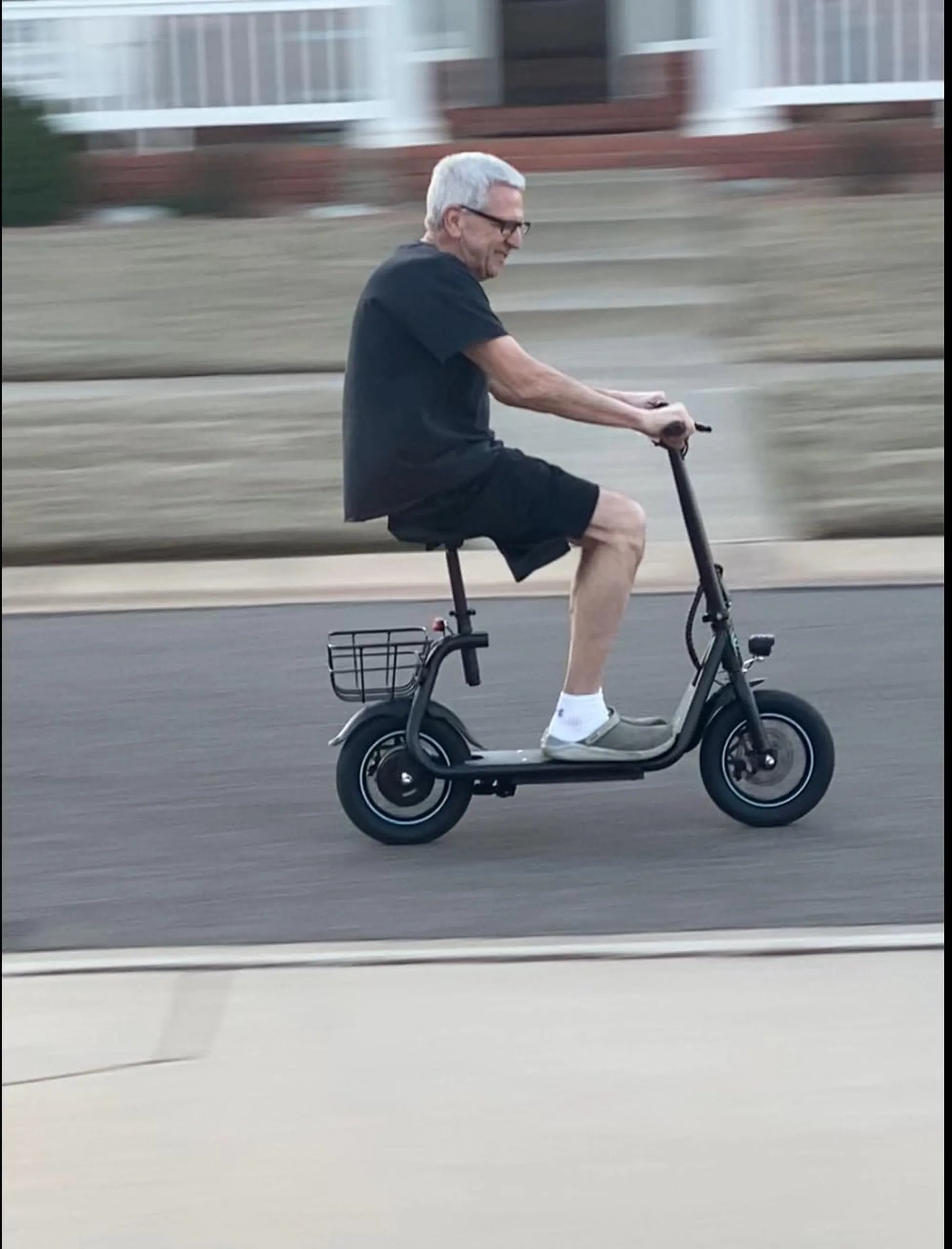
Introduction to the Modern Foldable Riding Scooter
The foldable riding scooter has evolved from a novelty to a cornerstone of modern urban transportation. It represents a powerful solution for the daily commuter, combining electric propulsion with ingenious portability. This guide will dissect every aspect of the foldable electric scooter, from its revolutionary design to its practical application in city life.
You will learn how to evaluate performance specifications, understand critical safety certifications, and identify the ideal model for your specific needs. We will also provide essential maintenance routines and safety protocols to ensure your investment delivers long-term value and reliable service. The core value proposition is clear: unprecedented freedom of movement without the traditional burdens of parking, storage, or fuel costs.
The modern iteration solves the last-mile problem with elegant efficiency. It seamlessly integrates with public transit, fits under a desk or in a car trunk, and offers a zero-emission alternative for short urban trips. This article provides the comprehensive knowledge required to navigate the market and select a scooter that is both a practical tool and a joy to ride.
Why Foldability is Revolutionizing Urban Commutes
Foldability directly addresses the most persistent pain points of city living. The primary advantage is seamless multi-modal integration. A commuter can ride a scooter to a train station, fold it in seconds, carry it aboard, and unfold it for the final leg of the journey. This eliminates waiting for connecting buses and expands viable living and working radii.
Storage constraints in apartments and offices are another major hurdle solved by the foldable design. Unlike a bicycle, a compact folded scooter can be stored in a closet, under a desk, or in a corner without obstructing space. This removes the risk of theft associated with outdoor bike racks and parking.
Finally, the elimination of parking hassles cannot be overstated. Riders can bypass traffic congestion and parking fees entirely, traveling directly to their destination's entrance. The foldable riding scooter transforms a 15-minute walk into a 3-minute glide, reclaiming valuable time daily. This efficiency gain is the driving force behind its rapid adoption in dense metropolitan areas worldwide.
The Anatomy of a Quality Foldable Scooter
Understanding the key components is essential for making an informed purchase. A high-quality foldable riding scooter is more than the sum of its parts; it's a system where engineering, materials, and design converge for reliability and performance.
The Folding Mechanism: Hinge vs. Telescopic
The folding mechanism is the heart of the scooter's portability. The two dominant designs are the stem hinge and the telescopic system. A hinge mechanism typically involves a latch or lever where the stem meets the deck, allowing the stem to fold down parallel to the deck. This design is often very quick and creates a compact, flat profile.
A telescopic mechanism, on the other hand, involves the stem collapsing into itself, similar to a camera tripod. This can sometimes allow for adjustable handlebar height but may add complexity. The critical factors are speed of fold/unfold, the solidity of the lock when unfolded (minimizing stem wobble), and long-term durability. A robust latch with minimal play is non-negotiable for safety.
Core Performance Metrics: Motor, Battery, and Range
Performance is dictated by the motor and battery. Motor power, measured in watts (W), determines acceleration and hill-climbing ability. A 350W motor is sufficient for flat urban terrain, while 500W or more is recommended for moderate hills. Battery capacity, measured in watt-hours (Wh), is the fuel tank; a higher Wh rating means a longer potential range.
Advertised range is a theoretical maximum under ideal conditions. Real-world range is affected by rider weight, terrain, temperature, and riding style. A scooter with a 500W motor and a 360Wh battery might advertise a 25-mile range, but a realistic expectation is 18-22 miles. It is crucial to match the battery capacity to your daily distance needs with a safety margin.
Build Quality and Ride Essentials: Deck, Tires, and Brakes
The deck should be wide enough for stable footing and made from durable, often aluminum, alloy. Tire choice significantly impacts comfort: air-filled (pneumatic) tires offer superior shock absorption on rough pavement, while solid tires eliminate the risk of flats but provide a harsher ride. Some models use honeycomb solids as a middle ground.
Braking systems are critical for safety. Common setups include disc brakes (mechanical or hydraulic), which offer strong, consistent stopping power, and electronic/regenerative brakes, which use the motor to slow the scooter and can partially recharge the battery. Many quality scooters, like those from Gyroor, employ a dual-brake system (e.g., disc + electronic) for redundancy and maximum control.
Key Considerations Before You Buy: A Data-Driven Checklist
Choosing the right foldable riding scooter requires balancing competing priorities. This checklist will help you systematically evaluate options against your personal requirements.
Portability vs. Performance: Finding Your Balance
There is an inherent trade-off between ultra-portability and high performance. A scooter designed for maximum portability might weigh under 30 lbs, fold extremely small, but have a smaller motor and battery, limiting its range and hill capability. A performance-oriented model may weigh 40-50 lbs, offer a 500W+ motor and large battery for 30+ miles of range, but be bulkier when folded.
Assess your primary use case. If your main need is a "train buddy" for short last-mile trips with frequent carrying, prioritize weight and fold size. If you plan to replace short car trips or enjoy longer recreational rides, prioritize motor power, battery capacity, and ride comfort, accepting a heavier package.
Decoding Specifications: What IPX5 and UL-Certification Really Mean for You
Technical specifications are promises of durability and safety. The IP (Ingress Protection) rating indicates resistance to dust and water. An IPX5 rating, a standard for brands like Gyroor, means the scooter can withstand water jets from any direction. This allows you to ride confidently in light rain or on wet roads, protecting the electrical components.
UL certification for the battery pack is arguably more critical. It signifies the lithium-ion battery has passed rigorous independent safety tests for electrical, mechanical, and environmental hazards. It mitigates the risk of battery fires—a paramount concern. A brand that invests in UL-certified batteries, as Gyroor does for all its models, demonstrates a commitment to rider safety and product longevity.
Warranty and Support: The Value of Peace of Mind
The warranty is your safety net. A comprehensive warranty, such as the 1-year standard offered by established brands, should cover the motor, battery, controller, and frame. It reflects the manufacturer's confidence in their product. Equally important is accessible customer support. A brand with a track record of serving over 100,000 riders across North America and Europe has the experience and infrastructure to resolve issues efficiently, protecting your investment long-term.
Foldable Scooter in Action: Ideal Use Cases and Rider Profiles
Matching a scooter's capabilities to a rider's lifestyle is key to satisfaction. Here are the most common and effective applications for a foldable riding scooter.
The Last-Mile Commuter
This rider uses public transit for the core of their journey. Their ideal foldable riding scooter prioritizes a fast, simple fold, light weight (under 35 lbs), and a compact footprint. Range needs are modest (6-10 miles is often plenty), but reliability is paramount. A quick 3-second fold allows for smooth transitions onto buses and trains without holding up others.
The Urban Explorer and Weekend Rider
This rider uses the scooter for errands, leisure, and exploring city parks or bike paths. They need a more capable machine: a longer real-world range (18+ miles), more powerful motor for varied terrain, and enhanced comfort features like pneumatic tires and a wider deck. Portability is still valued for storing in a cafe or car trunk, but performance takes precedence.
The Student and Campus Navigator
For students navigating large campuses, a foldable scooter is a game-changer. Key factors include affordability, durability to withstand daily use, and a design that can be easily stored under a lecture hall seat or in a dorm room. A moderate weight and range are suitable, with a strong focus on value and a robust warranty to cover the academic year.
<Maintenance and Safety: Ensuring Longevity and Safe Rides
Proper care ensures your scooter remains a reliable companion for years. Safety, meanwhile, is a non-negotiable responsibility for every rider.
Routine Care for Your Folding Mechanism and Battery
Regularly inspect the folding latch or mechanism for wear, dirt, or looseness. Keep it clean and occasionally lubricate moving parts as per the manufacturer's instructions to ensure smooth operation. For the battery, avoid draining it to 0% or leaving it at 100% charge for extended periods. Store the scooter in a cool, dry place, and use only the provided charger. Adhering to these practices helps achieve the 500+ charge cycles that quality UL-certified batteries are designed for.
Essential Safety Gear and Riding Etiquette
A certified bicycle helmet is the absolute minimum safety requirement. Consider additional gear like gloves, knee pads, and bright/reflective clothing. Your scooter must have functional front and rear lights, and a bell or horn. Observe local laws, which often prohibit sidewalk riding; use bike lanes or the road (if safe and legal). Signal your intentions, yield to pedestrians, and never ride while distracted. Regular pre-ride checks of tire pressure, brakes, and lights are essential.
Frequently Asked Questions (FAQ)
Q: How much weight can a typical foldable riding scooter hold?
A: Most adult models have a maximum rider weight capacity between 220 and 265 pounds (100-120 kg). Always check the manufacturer's specified limit, as exceeding it can damage the frame, motor, and battery, and void the warranty.
Q: Is it legal to ride an electric scooter on sidewalks?
A> Laws vary significantly by city, state, and country. In most urban areas in North America, electric scooters are prohibited on sidewalks and must be ridden in bike lanes or on roads (with speed limits often capped at 15-20 mph). Always check your local regulations before riding.
Q: How long does the battery last before needing replacement?
A> A quality lithium-ion battery is rated for a certain number of charge cycles (a full 0-100% charge). Premium UL-certified batteries, like those used by Gyroor, are tested for 500+ cycles. With typical use, this translates to 2-4 years before you might notice a significant reduction in range. Proper charging habits extend this lifespan.
Q: Can a foldable scooter handle hills?
A> Hill-climbing ability depends on motor power, rider weight, and gradient. A 350W motor can handle gentle slopes, while a 500W or dual-motor setup is recommended for consistent hill climbing. Always check the manufacturer's stated hill grade capability (e.g., 15-20%).
Q: How do I maintain the tires?
A> For pneumatic (air-filled) tires, check pressure weekly with a gauge and inflate to the PSI rating on the tire sidewall. For solid or honeycomb tires, simply visually inspect for cuts or embedded debris. Keeping tires properly inflated is the single biggest factor for ride efficiency and preventing flats.
Comparison of Common Foldable Scooter Profiles
| Feature / Use Case | Last-Mile Commuter | Urban Explorer | Campus Navigator |
|---|---|---|---|
| Primary Focus | Portability & Speed of Fold | Range & Ride Comfort | Durability & Value |
| Ideal Weight | Under 30 lbs (13.6 kg) | 35-45 lbs (16-20 kg) | 30-40 lbs (13.6-18 kg) |
| Motor Power | 250W - 350W | 500W+ | 350W - 500W |
| Real-World Range | 10-15 miles | 20-30+ miles | 15-20 miles |
| Key Feature | One-step folding | Pneumatic tires, dual brakes | Robust frame, good warranty |
Conclusion: Your Ticket to a Smarter, Freer Commute
A well-chosen foldable riding scooter is an investment in personal efficiency, financial savings, and urban freedom. It liberates you from traffic, simplifies complex journeys, and adds an element of fun to daily routines. The key is selecting a model that aligns with your specific needs, backed by the safety assurances of proper certifications and a strong warranty.
By using the data-driven checklist and understanding the core components outlined here, you are equipped to make a confident decision. Look for the hallmarks of quality: a robust folding mechanism, clear performance specs, IPX5 water resistance, and, crucially, UL-certified battery packs for peace of mind. Brands that build to these standards, like Gyroor, offer products trusted by a global community of riders.
Take the next step toward transforming your commute and explore a range of models engineered for reliability and performance. Browse the full Gyroor collection at gyroorboard.com to find the foldable riding scooter that unlocks your city.
Youth Trike: The Ultimate Starter Vehicle for Safety and Development
Do U Need a Motorcycle License for a Scooter? The Complete 2024 Guide