



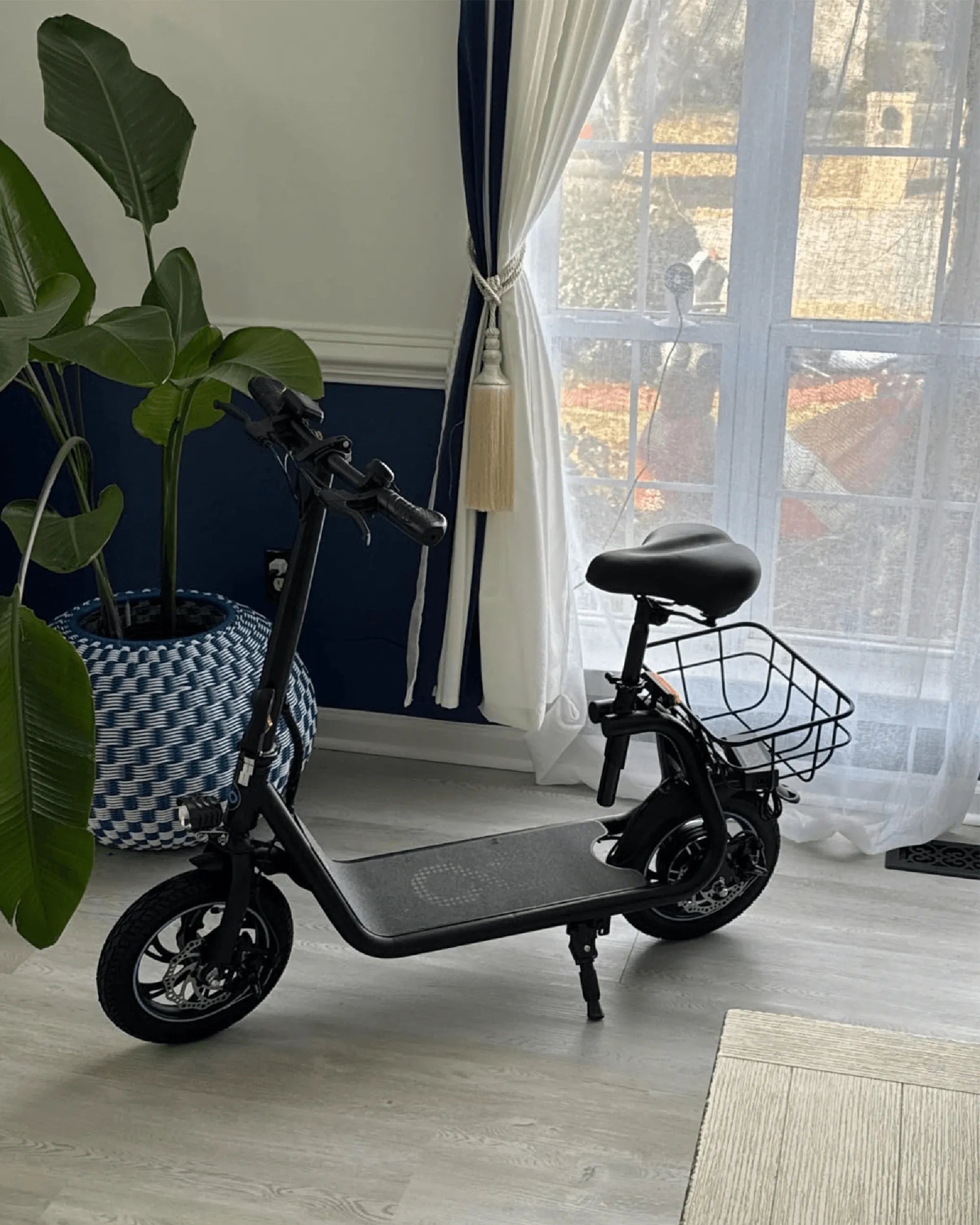
Introduction to the Fun and Function of Electric Scooters
The modern electric scooter represents a fundamental shift in urban mobility, perfectly blending recreation with practical transportation. These aren't just toys; they are efficient personal vehicles designed to make the daily commute enjoyable. This guide to Fun Bikes Electric Scooters will show you how they provide a sustainable, cost-effective, and liberating alternative for navigating city streets.
We will explore the tangible benefits, from slashing your carbon footprint to saving significant money. You'll learn how to identify a reliable, high-performance scooter built to last. This guide is your roadmap to a smarter, more enjoyable way to travel.
Why Choose an Electric Scooter for Your Daily Commute?
Urban commuters are increasingly trading steering wheels and crowded buses for the handlebars of an electric scooter. The decision is driven by a powerful combination of practicality and pleasure. Unlike the passive experience of driving or riding transit, an e-scooter offers an engaging, efficient journey.
The primary appeal lies in door-to-door convenience without the hunt for parking. You can cover the "last mile" from a transit station effortlessly or replace a multi-stop bus ride entirely. This autonomy translates directly into time saved and stress reduced, turning a tedious chore into a highlight of your day.
The Environmental Impact: A Clearer Conscience
Choosing an electric scooter is a direct investment in cleaner air. They produce zero tailpipe emissions, making them one of the most environmentally friendly motorized transport options available. When charged on a standard grid, their carbon footprint is a fraction of that of a car.
Consider the data: a typical gasoline-powered car emits roughly 411 grams of CO2 per mile. A public electric bus may emit around 200 grams per passenger mile. A modern electric scooter, in contrast, is responsible for approximately 40 grams per mile when accounting for electricity generation. This 90% reduction compared to a car is a substantial personal contribution to reducing urban smog and greenhouse gases.
Cost Analysis: Saving Money on Your Daily Travel
The financial argument for e-scooters is compelling. The upfront cost, often between $400 and $1000 for a quality model, is quickly offset by eliminating ongoing expenses. Compare this to the average annual cost of car ownership in the US, which exceeds $10,000 when factoring in loan payments, insurance, fuel, maintenance, and parking.
Even compared to public transit, savings add up. A monthly transit pass in a major city can cost $100-$150. The electricity to charge an e-scooter costs mere pennies per day. Over a year, the scooter pays for itself, and every subsequent year puts hundreds of dollars back in your pocket.
Key Features to Look for in a Reliable Electric Scooter
Not all electric scooters are created equal. Identifying the right combination of features is crucial for safety, performance, and long-term satisfaction. A reliable scooter is built with quality components designed for real-world use, not just maximum speed on a spec sheet.
Focus on a balanced set of specifications that match your specific commute. A scooter with a powerful motor but a tiny battery is impractical. Similarly, a long-range model with poor brakes is unsafe. The following sections break down the non-negotiable essentials.
Motor Power, Speed, and Range: Matching Performance to Your Needs
Motor power, measured in watts (W), determines acceleration and hill-climbing ability. A 350W motor is sufficient for flat terrain and lighter riders. For commutes with inclines or for heavier riders, a 500W or 750W motor is recommended for consistent power.
Manufacturer range claims are often based on ideal laboratory conditions. Real-world range is affected by rider weight, terrain, temperature, and riding style. A scooter advertised for 25 miles may reliably achieve 18-20 miles for a 180 lb rider on mixed terrain. Always choose a model with a range rating at least 30% higher than your longest daily trip to account for these variables.
Build Quality and Safety: Non-Negotiable Essentials
The frame material is foundational. Aircraft-grade aluminum alloy offers the best strength-to-weight ratio, ensuring durability without excessive bulk. The braking system is your most critical safety feature. A combination of a electronic brake and a mechanical disc or drum brake provides reliable stopping power in all conditions.
Lighting is not an accessory; it's a necessity. A bright front headlight, a visible brake light, and side reflectors are mandatory for being seen at dawn, dusk, or night. Tire choice impacts comfort and safety: air-filled (pneumatic) tires offer better shock absorption and traction, while solid tires eliminate the risk of flats but provide a harsher ride.
Battery and Water Resistance: Ensuring Longevity and Reliability
The battery is the heart of your scooter. Insist on a UL-certified lithium-ion battery pack. This certification means the battery has passed rigorous safety tests for electrical, mechanical, and environmental hazards, drastically reducing fire risk. Brands like Gyroor use these certified packs, which are tested for 500+ charge cycles while maintaining capacity.
Water resistance protects your investment. An IPX5 water-resistant rating means the scooter can withstand water jets from any direction. This allows you to confidently ride on wet pavement or through puddles without worrying about immediate damage to electrical components, a key feature for all-weather commuters.
Navigating Regulations and Riding Safely in the City
Responsible ridership is key to your safety and the positive perception of micro-mobility. Regulations vary by city and state, but common rules include a minimum riding age (often 16+), a speed limit on bike paths (frequently 15-20 mph), and prohibitions against riding on sidewalks in business districts.
Always wear a helmet—it's the single most effective safety device. Consider additional gear like gloves and knee pads. Ride defensively: assume cars don't see you. Use hand signals, obey traffic lights, and never ride while distracted. Your vigilance is your best protection.
Making the Smart Choice: Warranty and Post-Purchase Support
The true test of a scooter brand comes after the sale. A comprehensive warranty signals the manufacturer's confidence in its product. Look for a warranty that covers the frame, motor, and battery for a meaningful period.
A 1-year comprehensive warranty with accessible customer support provides essential peace of mind. It ensures that if a component fails under normal use, you have a clear path to repair or replacement. Brands that stand behind their products, like Gyroor with its reliable 1-year warranty, demonstrate a commitment to rider satisfaction and long-term value.
Electric Scooter Comparison: Matching Models to Commuter Profiles
Choosing the right scooter depends on your specific needs. The table below compares key specifications for different commuter profiles, using generalized performance tiers.
| Commuter Profile | Recommended Motor | Target Range | Key Features | Ideal Use Case |
|---|---|---|---|---|
| Short-Distance / Last-Mile | 250W - 350W | 10-15 miles | Lightweight, portable, folding | Combining with bus/train, campus travel |
| Standard Urban Commuter | 350W - 500W | 18-25 miles | Pneumatic tires, good suspension, IPX5 rating | 5-10 mile daily commute, some hills |
| Long-Distance / Performance | 500W - 750W+ | 25-40+ miles | Dual brakes, suspension, high-capacity UL battery | Replacing car for most trips, hilly terrain |
Frequently Asked Questions (FAQ)
Q: How far can I really go on a single charge?
A: Real-world range is typically 70-80% of the manufacturer's stated range, which is tested under ideal conditions. Your actual range depends on your weight, riding speed (higher speed uses more power), hill frequency, and outside temperature. For accuracy, subtract 5-7 miles from the advertised range for a realistic estimate.
Q: Is it safe to ride in the rain?
A: Scooters with an IPX5 or higher water-resistance rating are designed to withstand wet conditions and riding on damp roads. However, avoid deep puddles and torrential downpours. Always reduce speed, brake earlier and more gently, and be extra cautious as traction is reduced on wet surfaces.
Q: Do I need a license, registration, or insurance?
A> In most jurisdictions in the US and Europe, electric scooters with a top speed under 20-28 mph (varies by region) do not require a driver's license, vehicle registration, or mandatory insurance. However, local laws differ, so checking your city's specific regulations for "electric stand-up scooters" is essential.
Q: How do I maintain my electric scooter?
A: Regular maintenance is simple but crucial. Keep tire pressure correct (for pneumatic tires), periodically check and tighten bolts, especially on the folding mechanism and handlebars, and clean the scooter with a damp cloth (avoid high-pressure hoses). Store it in a dry place and avoid leaving the battery fully depleted for extended periods.
Q: Can it handle the hills on my route?
A> Hill-climbing ability is determined by motor power and torque. A 350W motor can handle gentle slopes. For consistent hill climbing, a 500W motor is recommended. For steep or long hills, a 750W+ motor will maintain speed without straining. Check the scooter's specifications for its hill-climbing grade (e.g., 15-20%).
Conclusion: Your Ticket to a Greener, More Enjoyable Journey
Electric scooters have evolved into a legitimate, efficient, and profoundly enjoyable form of urban transportation. They offer a clear path to reducing your environmental impact, reclaiming time and money lost to traffic, and adding a dose of fun to your daily routine. The key is making an informed choice based on your commute, prioritizing safety features like UL-certified batteries and robust braking, and selecting a brand that supports you with a solid warranty.
Your journey toward eco-friendly commuting starts with understanding your needs. Assess your route, calculate your required range, and invest in a quality scooter built to last. Explore trusted brands that prioritize safety and reliability. Ready to transform your commute? Browse the full Gyroor collection at gyroorboard.com to find a scooter engineered for performance, safety, and lasting value.
Top 5 Fastest Electric Scooters: Speed, Power, and Performance
Where to Buy Used Electric Scooters: A Complete Guide for Smart Shoppers