

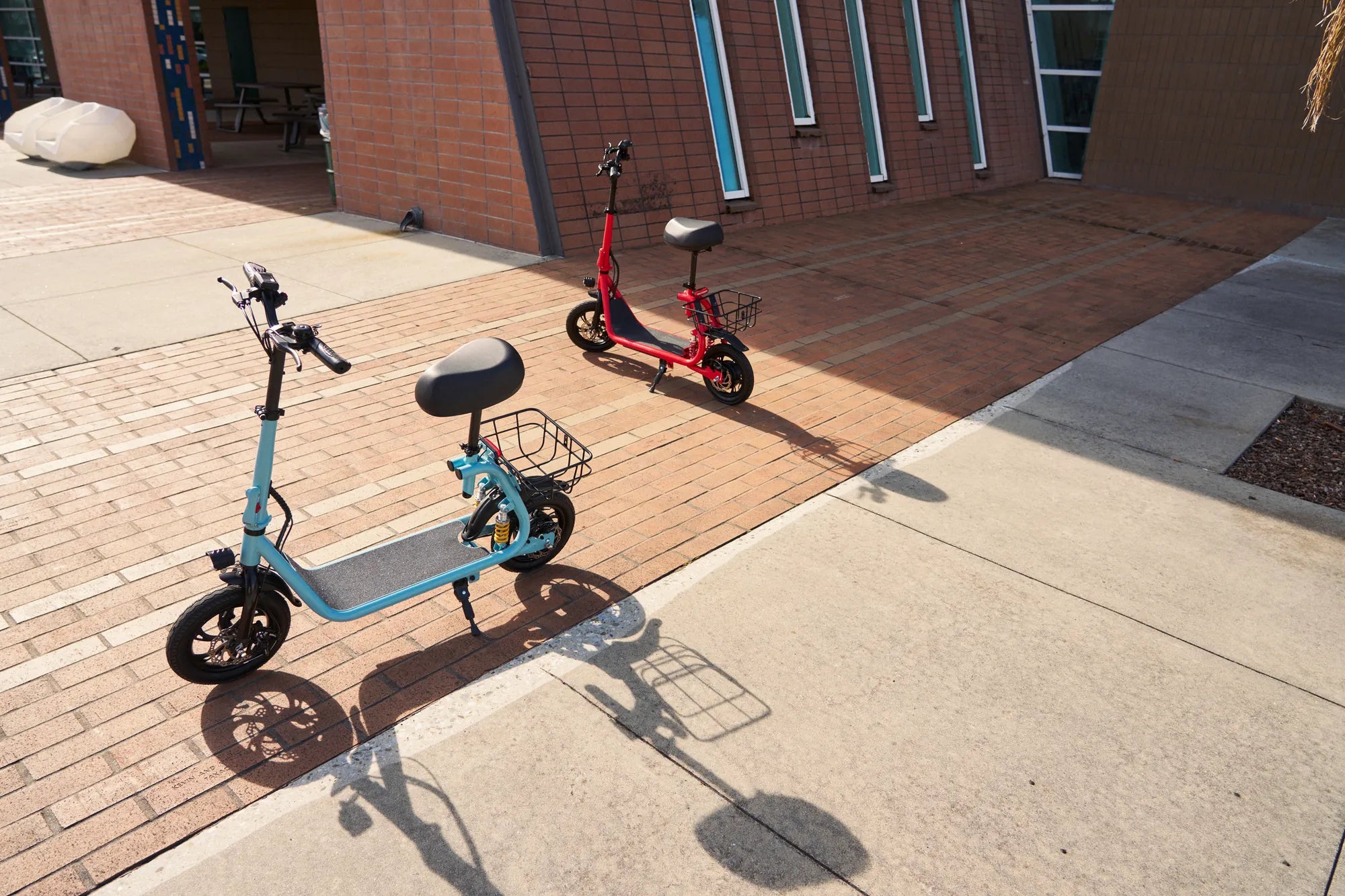
The future of electric scooters in India is brighter than ever, with a surge in demand for eco-friendly and cost-effective transportation solutions. As urban centers grapple with pollution and congestion, electric scooters are emerging as a game-changer. But what does the road ahead look like? Let’s dive into the trends, challenges, and opportunities that will define the future of electric scooters in India.
The Rise of Electric Scooters in India
Electric scooters have gained significant traction in India over the past few years. With rising fuel prices and growing environmental awareness, consumers are increasingly opting for electric alternatives. Government initiatives like the Faster Adoption and Manufacturing of Electric Vehicles (FAME) scheme have further accelerated adoption. Cities like Delhi, Bangalore, and Mumbai are witnessing a surge in electric scooter usage, thanks to improved infrastructure and incentives.
Key Trends Shaping the Future
Several trends are shaping the future of electric scooters in India:
- Battery Technology Advancements: Innovations in lithium-ion batteries are extending range and reducing charging times.
- Smart Features: Integration with IoT and mobile apps for tracking, diagnostics, and remote control.
- Affordable Models: Competitive pricing and financing options are making electric scooters accessible to a broader audience.
- Charging Infrastructure: Expansion of charging stations and battery-swapping networks.
Challenges to Overcome
Despite the promising outlook, the future of electric scooters in India faces several hurdles:
- Range Anxiety: Limited range per charge remains a concern for long-distance commuters.
- High Initial Costs: While operational costs are low, the upfront price of electric scooters can be a barrier.
- Lack of Standardization: Inconsistent charging standards and battery technologies.
- Consumer Awareness: Many potential buyers are still unaware of the benefits and savings of electric scooters.
Government Policies and Incentives
The Indian government is playing a pivotal role in promoting electric scooters. Policies like tax rebates, subsidies, and reduced GST rates are encouraging manufacturers and consumers alike. State governments are also rolling out incentives, such as free parking and toll exemptions, to boost adoption. These measures are critical to achieving India’s ambitious goal of 30% electric vehicle penetration by 2030.
Opportunities for Growth
The future of electric scooters in India is ripe with opportunities:
- Last-Mile Connectivity: Electric scooters are ideal for short commutes and last-mile connectivity solutions.
- Ride-Sharing Platforms: Integration with ride-sharing and rental services can drive mass adoption.
- Local Manufacturing: The Make in India initiative is fostering domestic production and reducing costs.
- Renewable Energy Integration: Pairing electric scooters with solar-powered charging stations can enhance sustainability.
Environmental and Economic Benefits
Electric scooters offer significant environmental and economic advantages. They produce zero emissions, reducing air pollution and carbon footprints. On the economic front, lower maintenance and fuel costs translate to substantial savings for users. As India moves toward a greener future, electric scooters will play a vital role in achieving sustainability goals.
The future of electric scooters in India is not just about transportation—it’s about transforming urban mobility. With innovation, policy support, and consumer adoption, electric scooters are set to revolutionize how India moves. The journey has just begun, and the possibilities are endless.
Share:
Top Rated Kids Electric Scooters 2025: The Ultimate Guide for Parents
Electric Motorcycles and Scooters Price: A Comprehensive Guide to Affordable and Efficient Rides